





.jpg)
-(1).png)
.jpg)
.jpg)
.jpg)
.jpg)
.jpg)
.jpg)

.jpg)
.webp)
.webp)

.jpg)
.jpg)
.jpg)
.jpg)
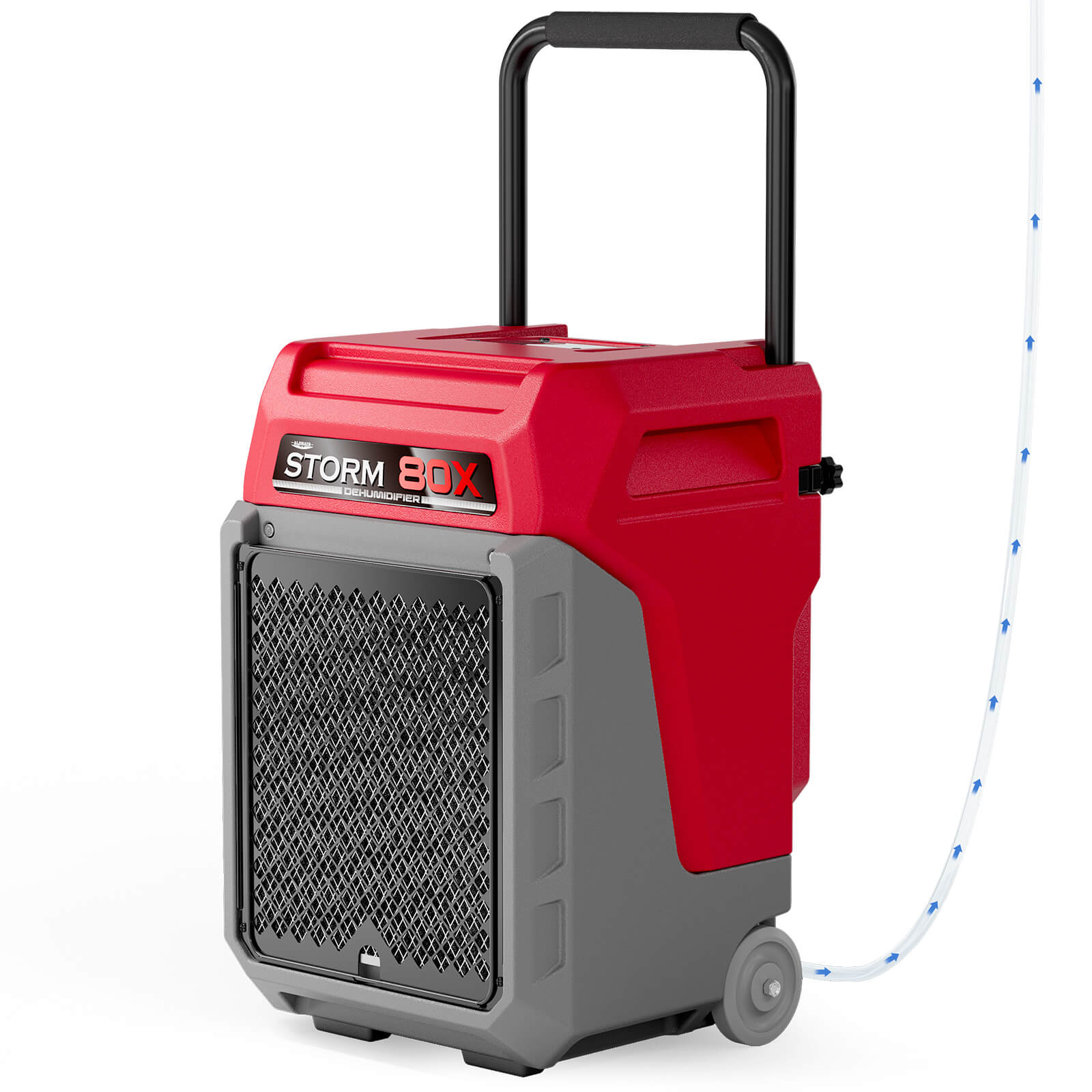

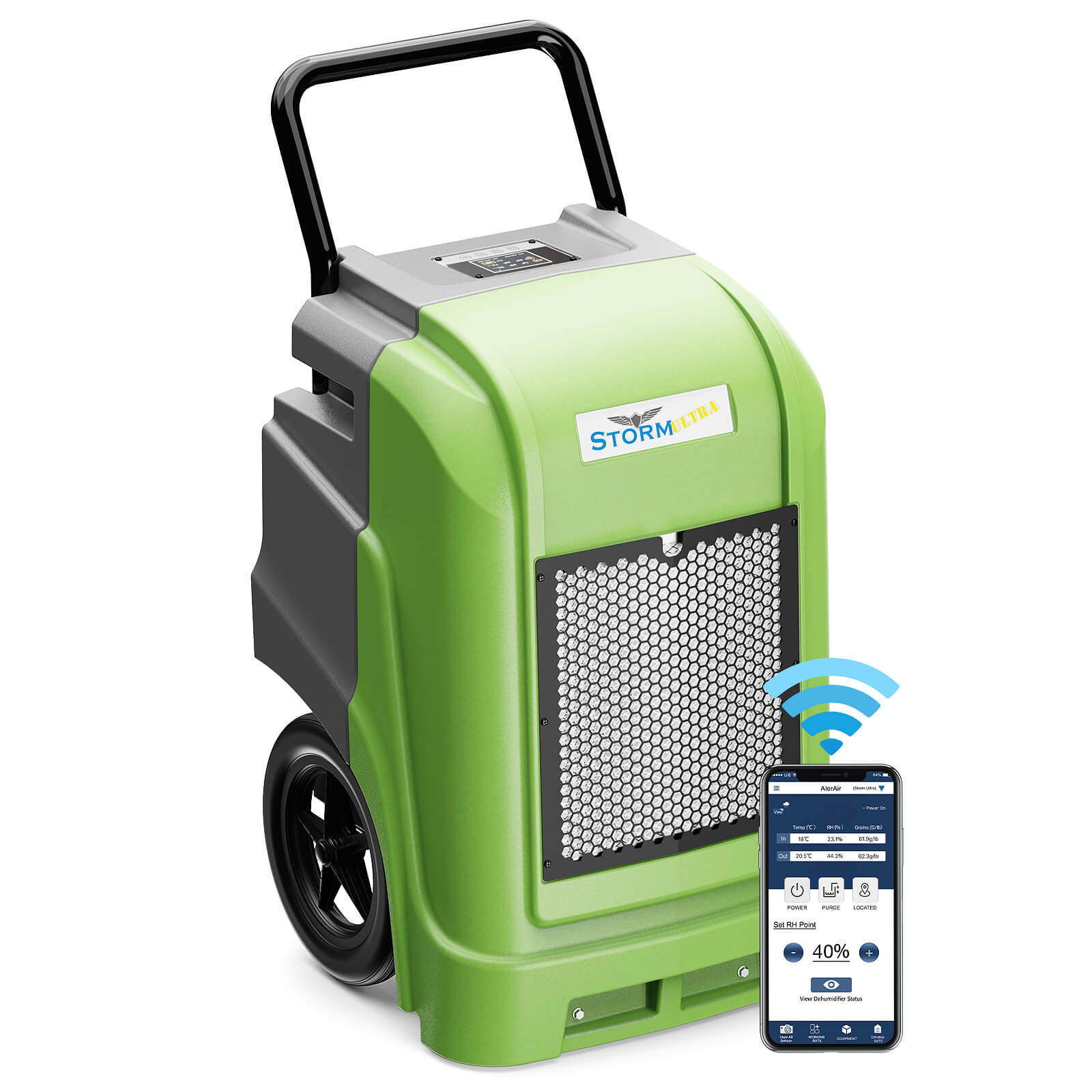
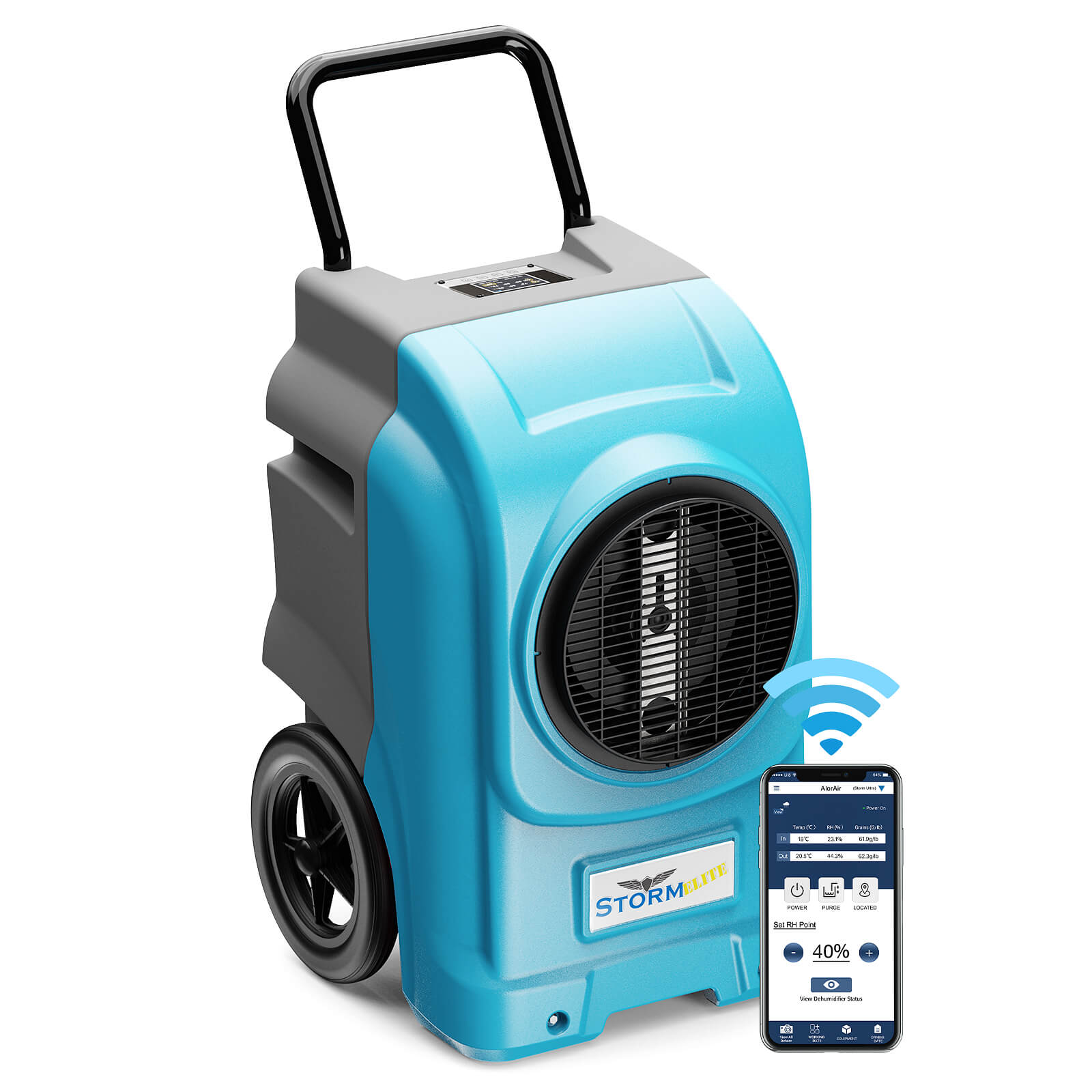
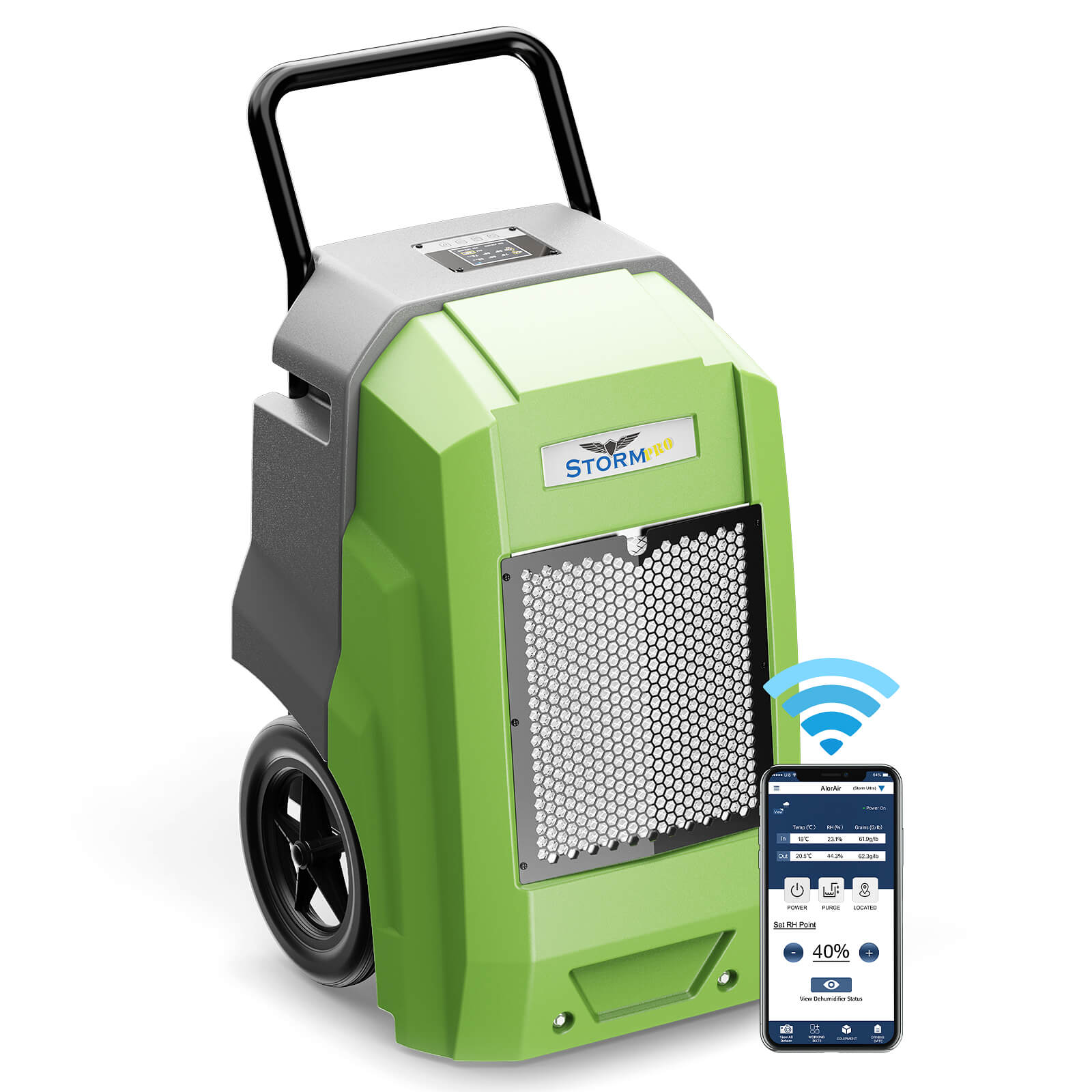
.jpg)
.jpg)


.jpg)
.jpg)
.jpg)
.jpg)
.webp)
.webp)
.webp)
.webp)
.jpg)
.jpg)
.jpg)
.jpg)
.jpg)
.jpg)
.jpg)
.jpg)
.jpg)
.jpg)
.jpg)
.jpg)
.jpg)
.jpg)
.jpg)

-.jpg)
.jpg)
.jpg)
.jpg)























 Exclusive offers
promotions
Exclusive offers
promotions

The Sunshine State’s weather satisfies its nickname, hot and humid most of the year. Elevated humidity levels turn the warm air heavier, increase surface temperatures, and accelerate corrosion and mold growth. So, how to cool a garage in Florida? Controlling dampness and heat simultaneously restricts heat entry, enhances ventilation, and extracts excessive moisture. According to the U.S Department of Energy, the humidity management directly boosts perceived comfort and cooling in hot climates. Today’s guide explains why garages in florida captures heat and provides practical tips to keep a garage cool in Florida’s intense heat.
Why Garages in Florida Trap Heat and Moisture
Garages are inclined to heat up quickly and cool down more slowly for a number of reasons. These involve:
- Extreme outdoor temperatures continue year-round. This causes garage doors, walls, and roofs to absorb and keep heat. Metal parts and concrete floors discharge this stored heat slowly, holding temperatures high late into the evening.
- Damp air access through garage doors, wall cavities, and shared wall with the house. The average relative humidity of Florida mostly exceeds 70%, according to NOAA data. Once this humid air enters a closed garage, it increases indoor humidity levels fast.
- Inadequate ventilation and bad insulation worsen the issue. Most garages lack active air exchange setups and ceiling insulation. When moist, warm air shuts in, the area feels hotter than the outside temperature.
- Parking hot cars right after driving introduces excess heat, further increasing the temperature.
How to Cool A Garage in Florida?
Here are seven tips to keep your garage cool without breaking the bank. Some of these does not cost any money at all.
Improve Natural Airflow
Natural ventilation lets enclosed heat disappear without adding a mechanical burden. Roof gaps and wall gaps release rising warm air while lowering heat accumulation near the ceiling.
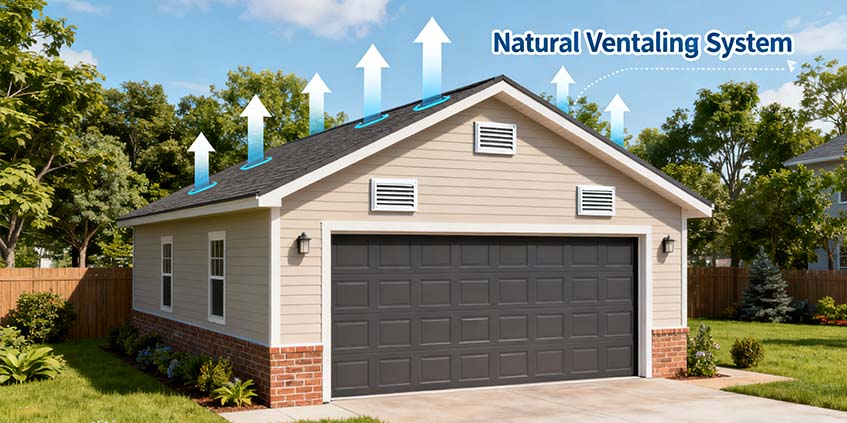
Vent positioning must permit air to exit without pulling in extra outdoor moisture. According to the Building Science study, the passive venting decreases surface temperature; however, it does not manage humidity alone.
This method facilitates cooling but functions better when combined with humidity control by dehumidifying a garage.
Add Mechanical Ventilation
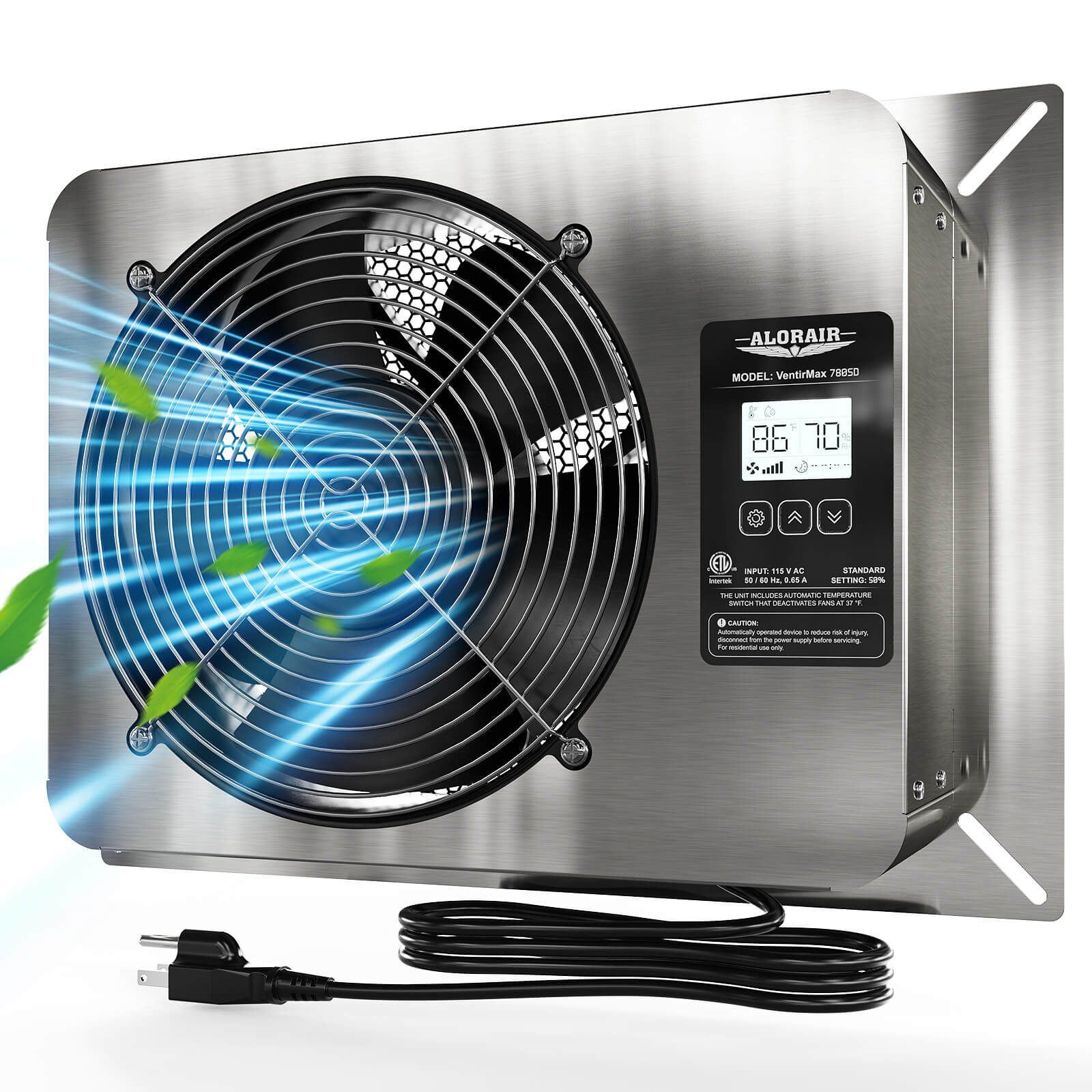
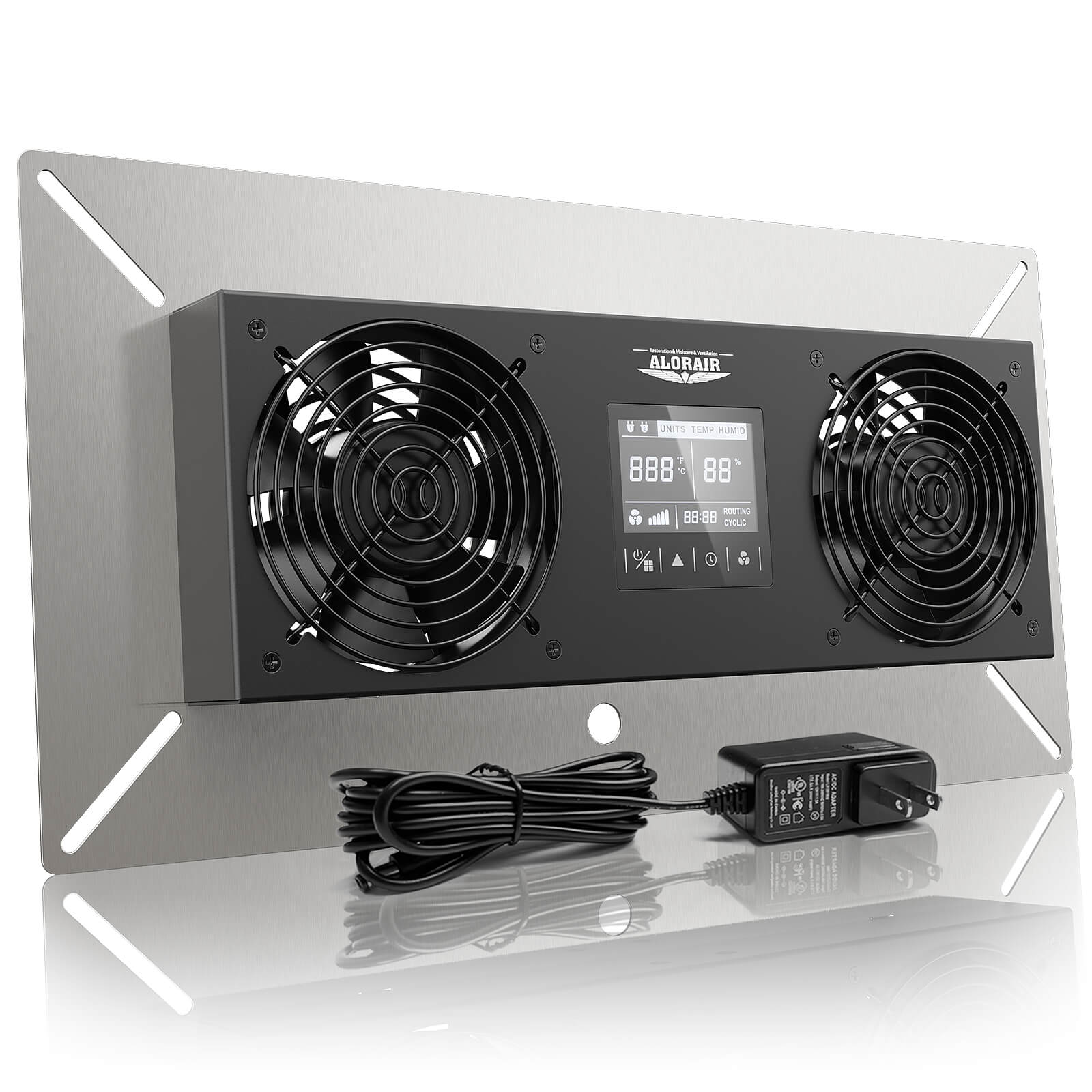
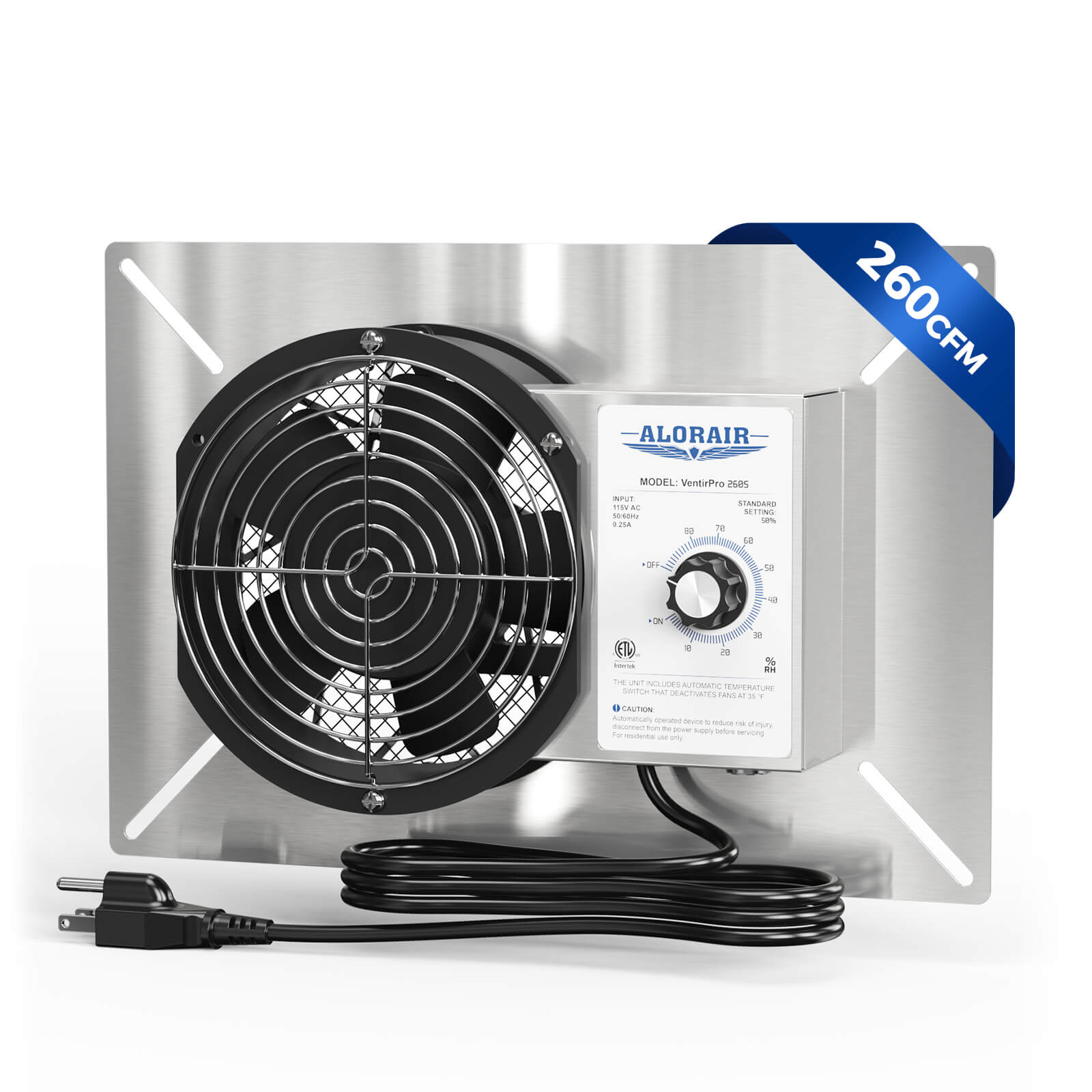
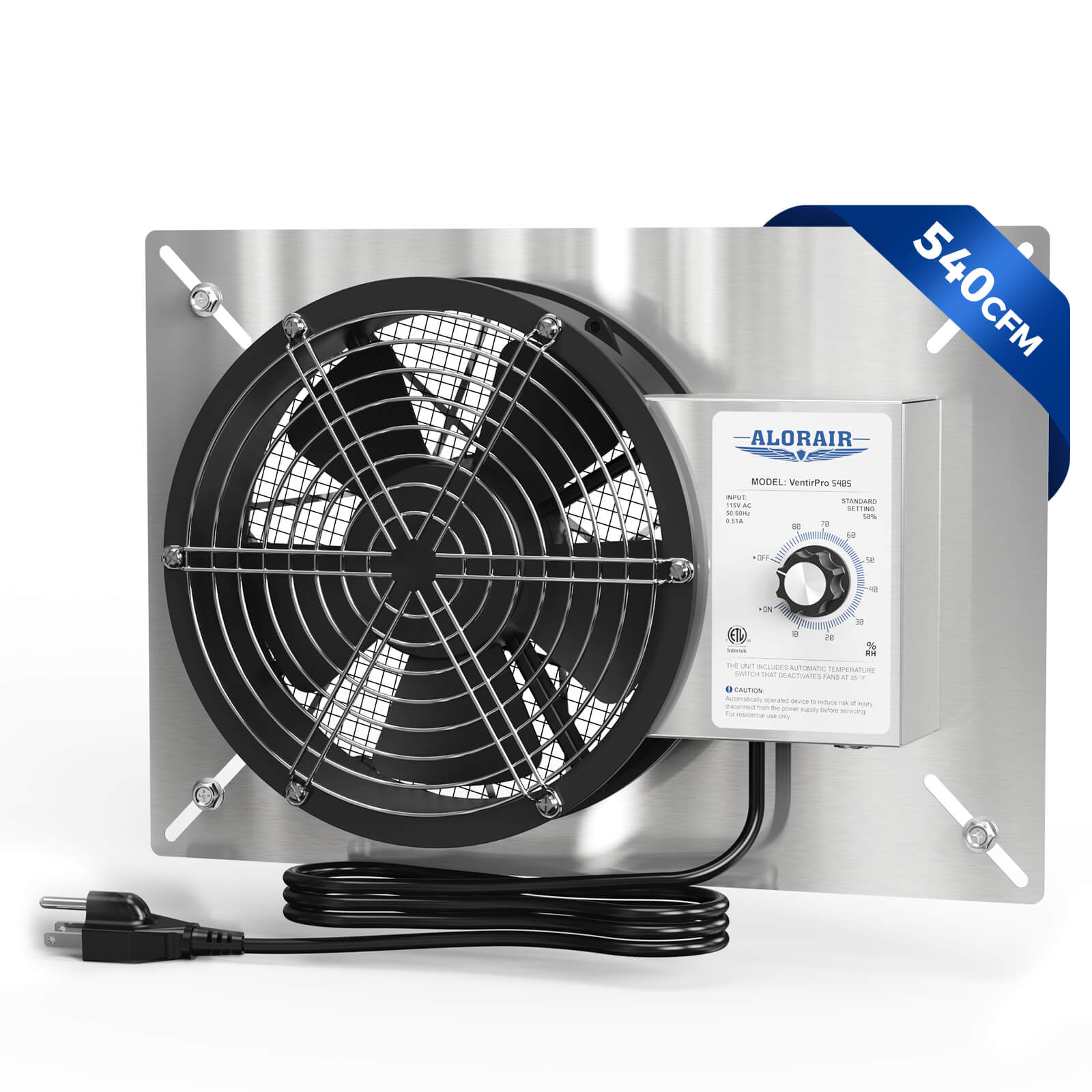
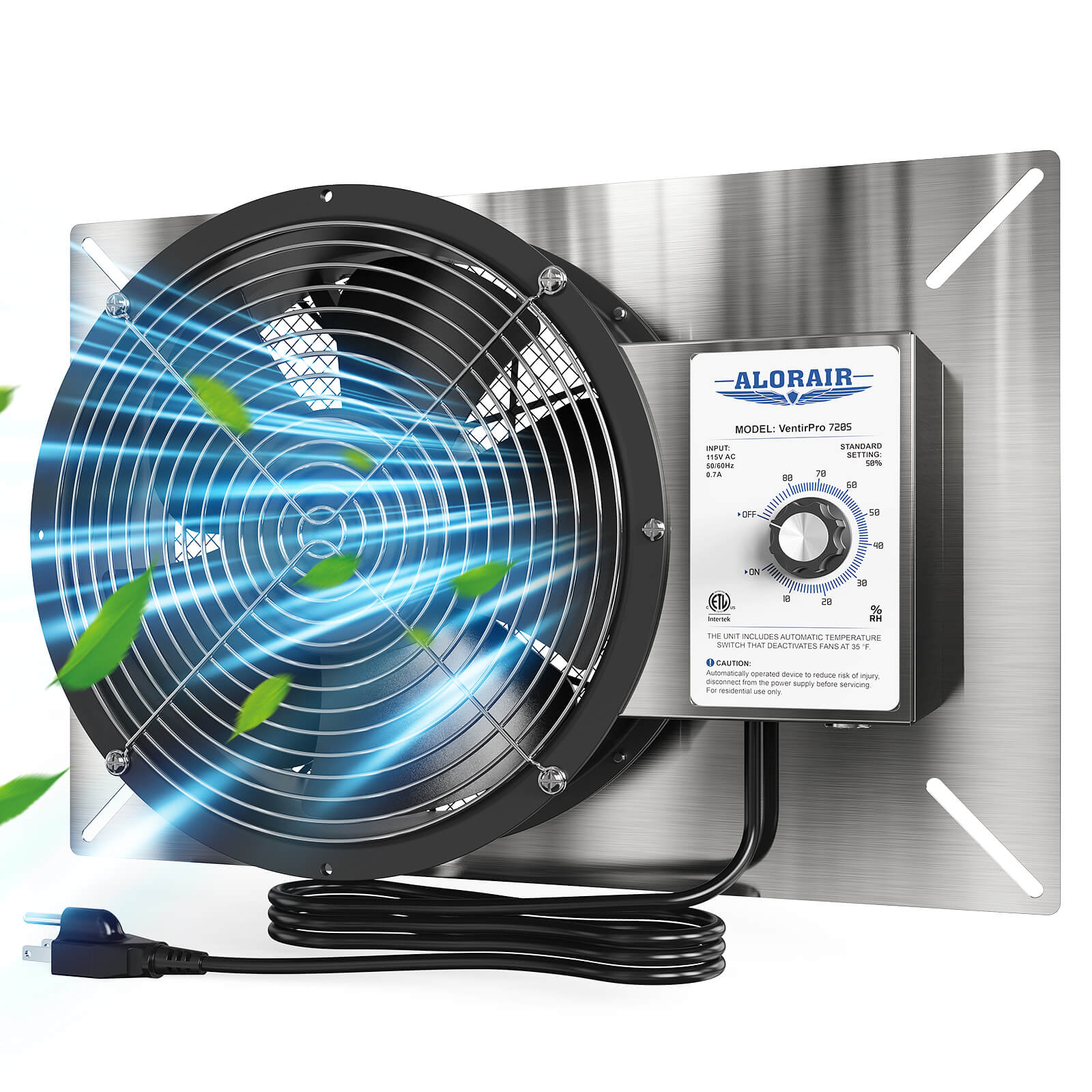
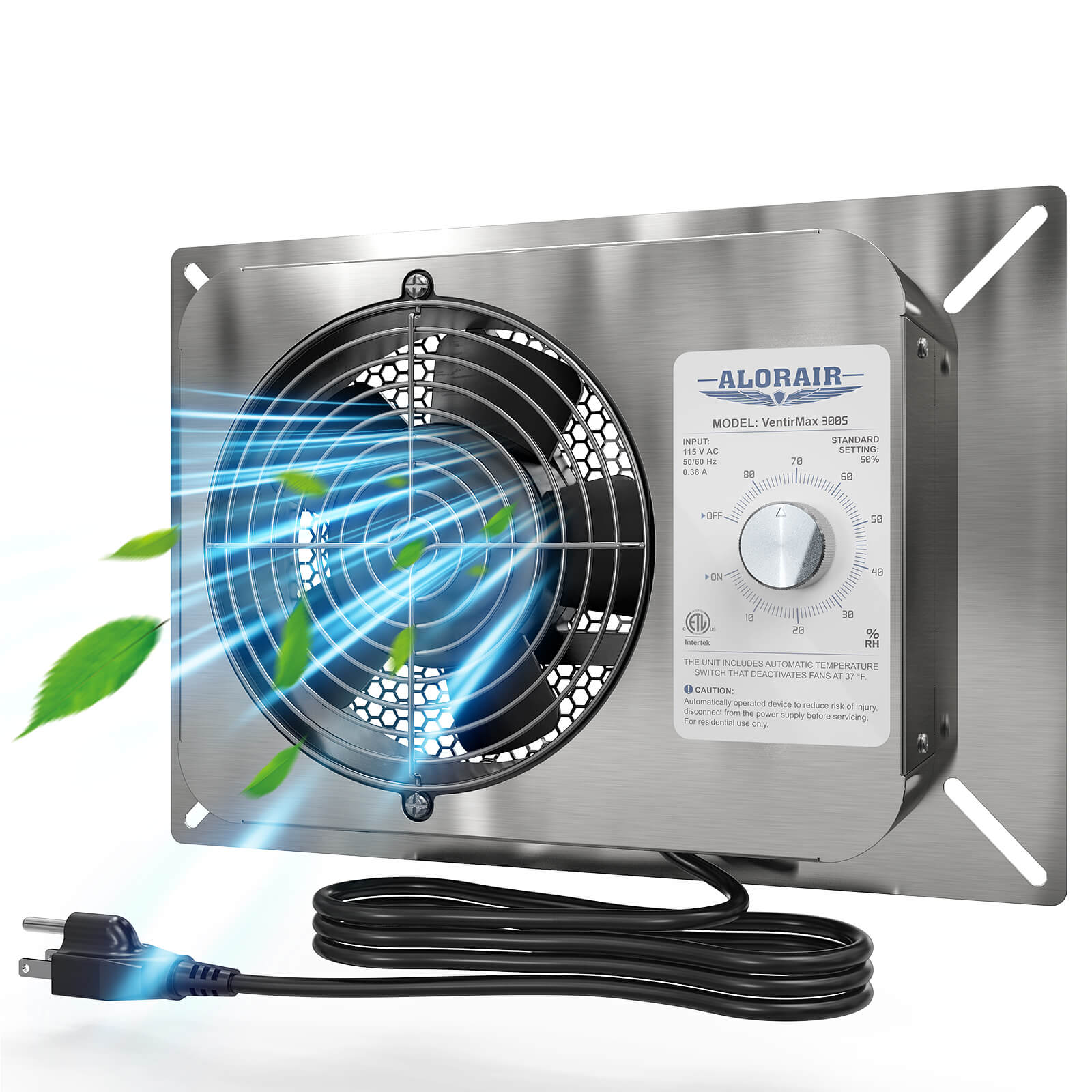
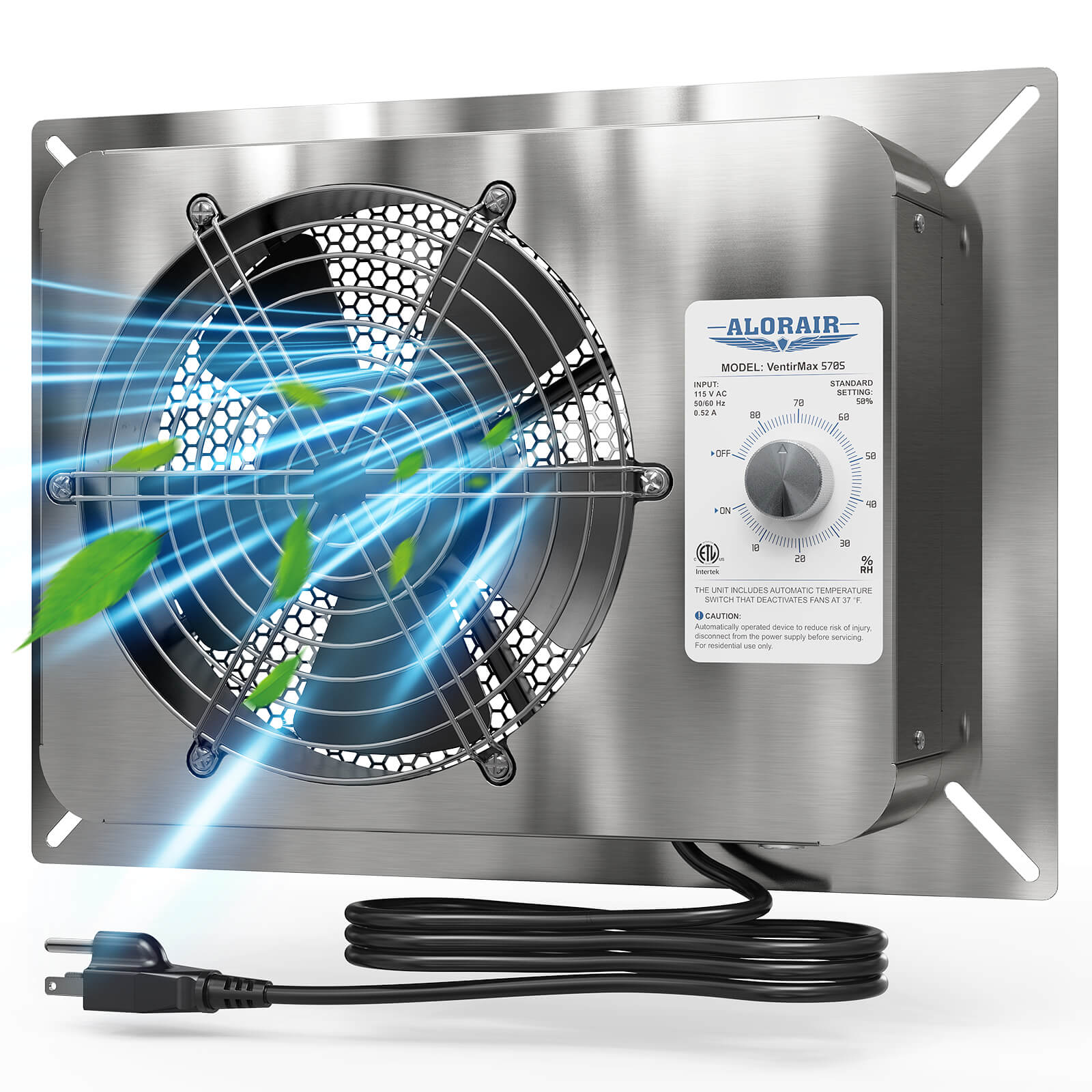
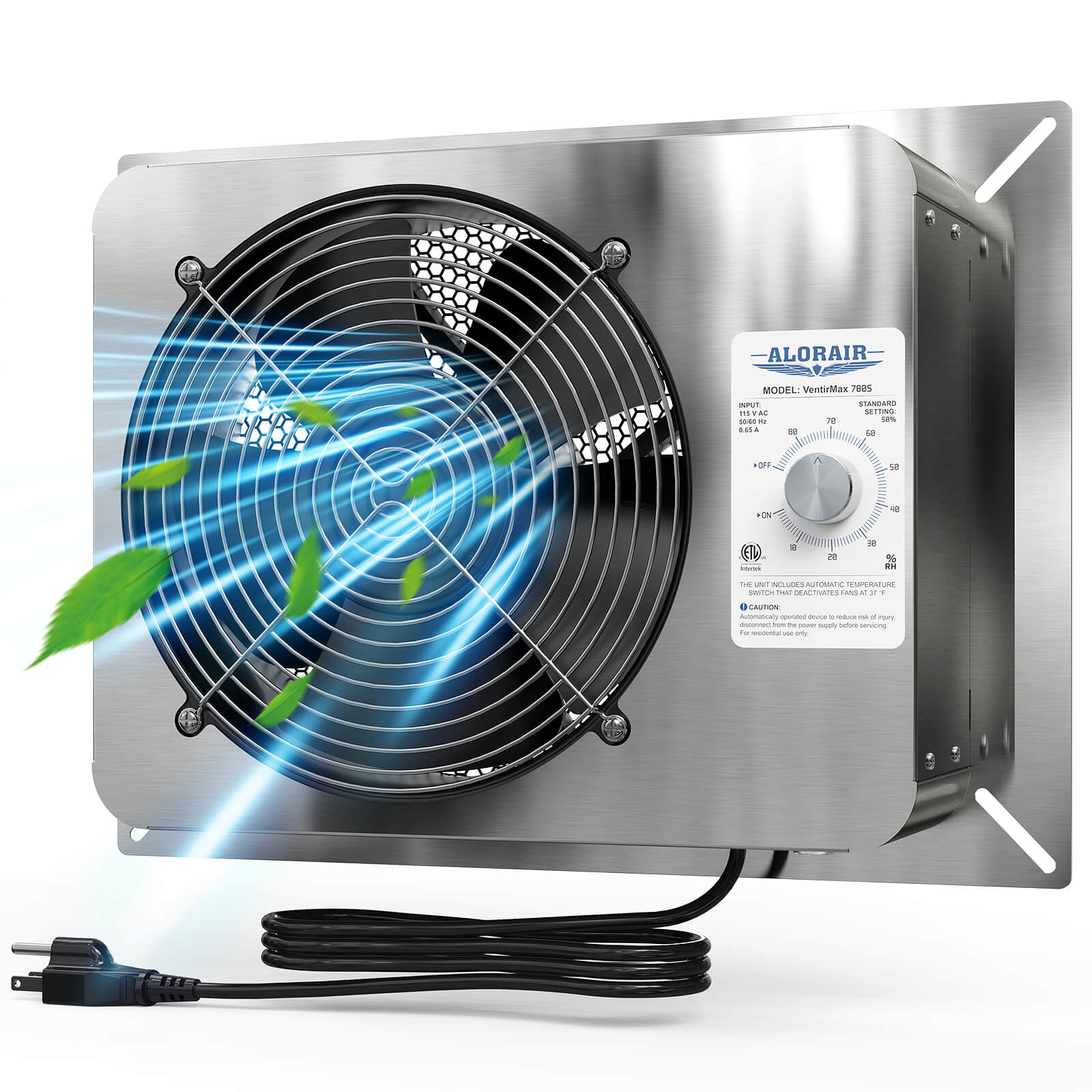
Artificial ventilation offers stable air circulation when garages require cross-breezes or windows. Ventilation fans pull out hot air and replace it with outdoor air at regulated rates. This technique is key for occupants searching for how to cool a garage with no windows.
Even so, just ventilation can raise indoor humidity during moist hours. Professionals advise limiting fan usage to the evening or early morning, when outdoor dampness is lower.
Control Humidity with a Dehumidifier
Humidity control brings the biggest comfort enhancement in Florida garages. Humid air keeps heat and slows evaporation from skin and surfaces. Extracting moisture makes the air feel cold and light, even without reducing the temperature.
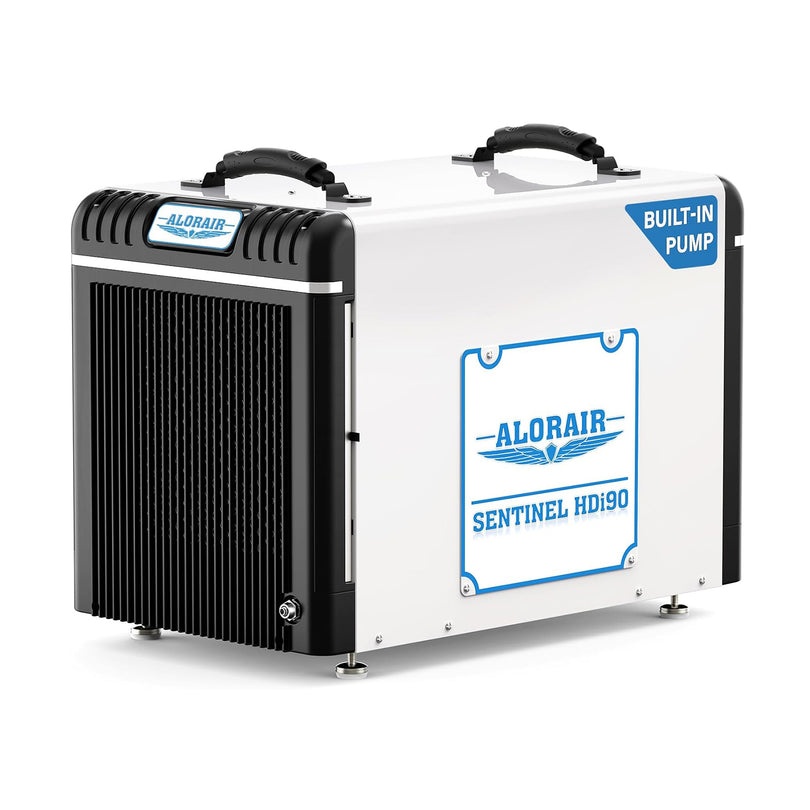
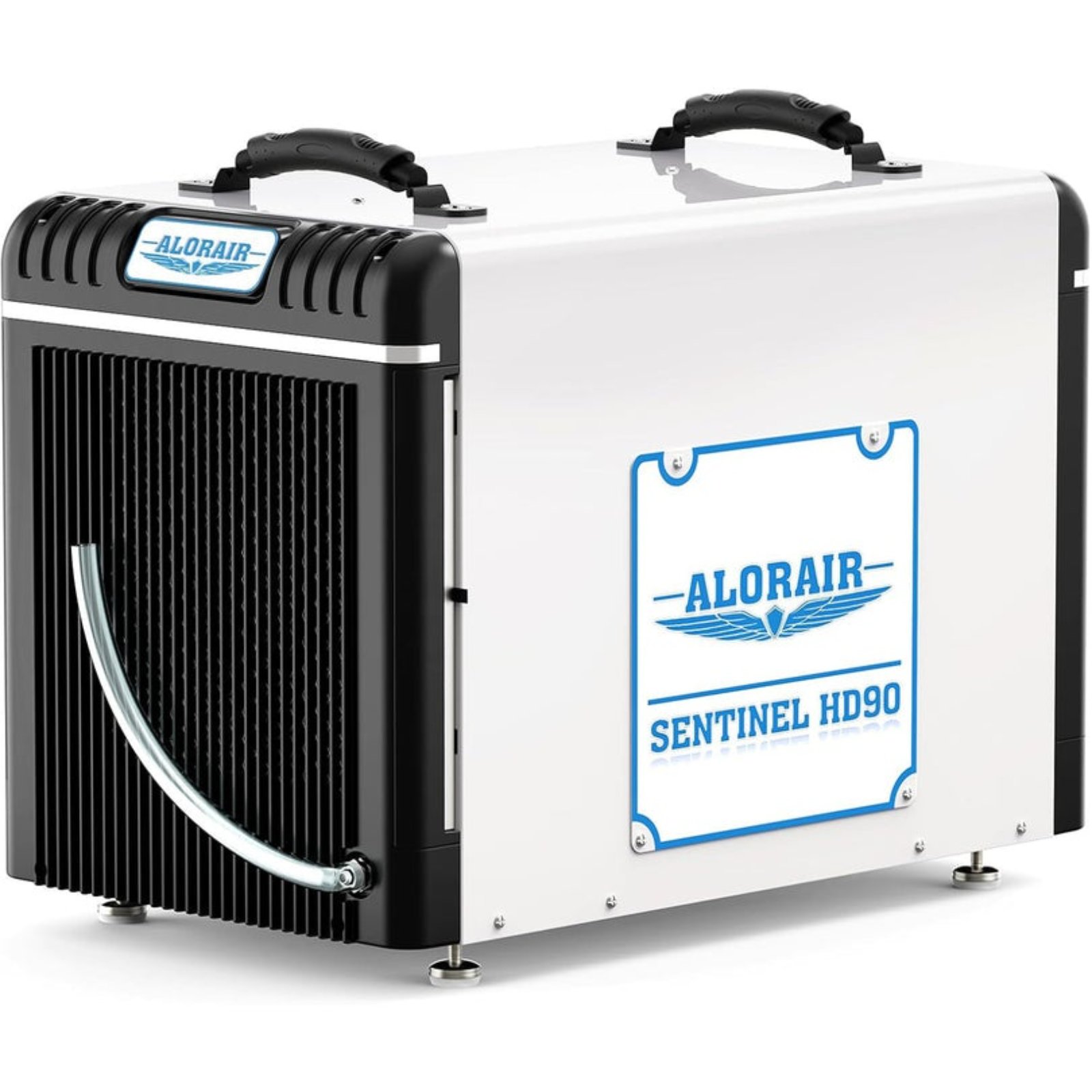
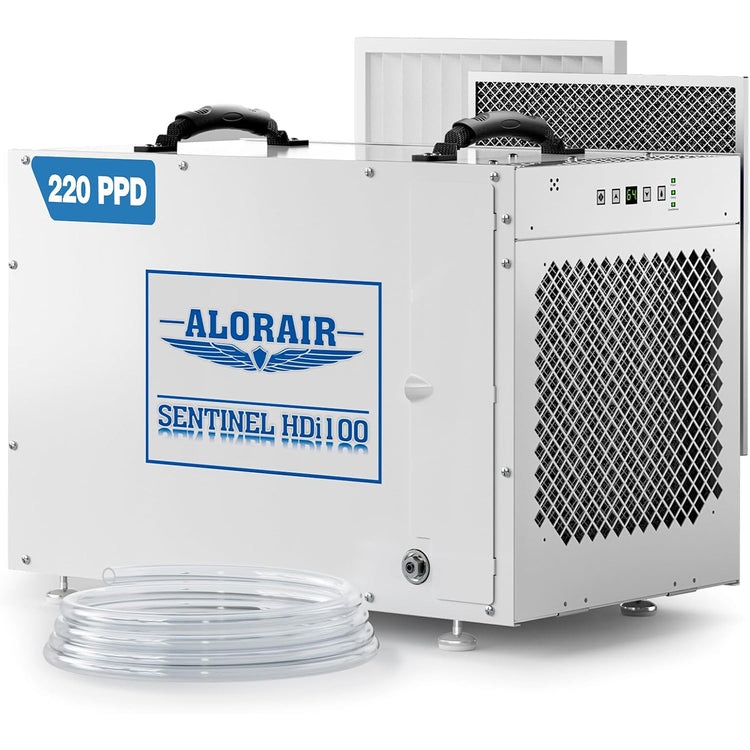
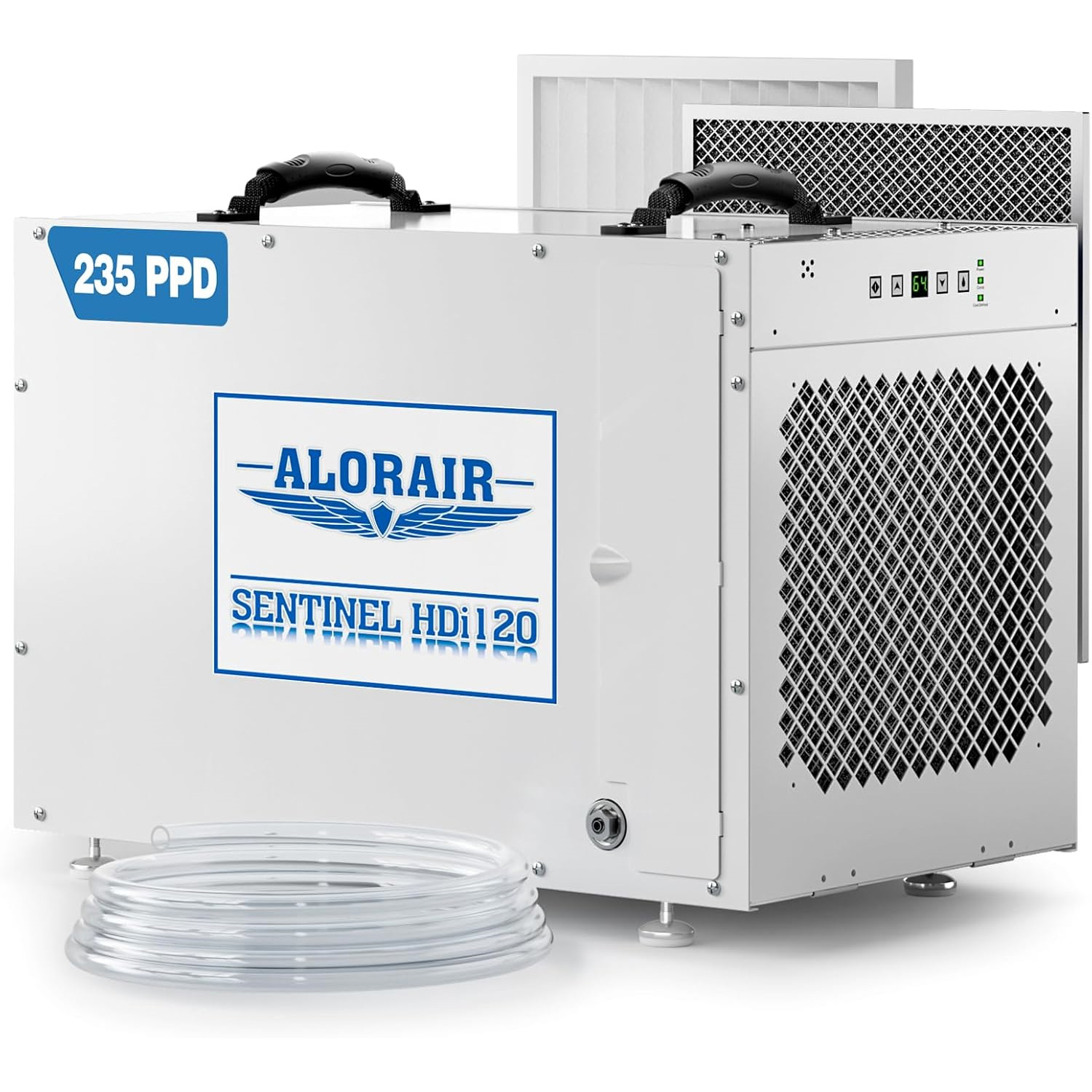
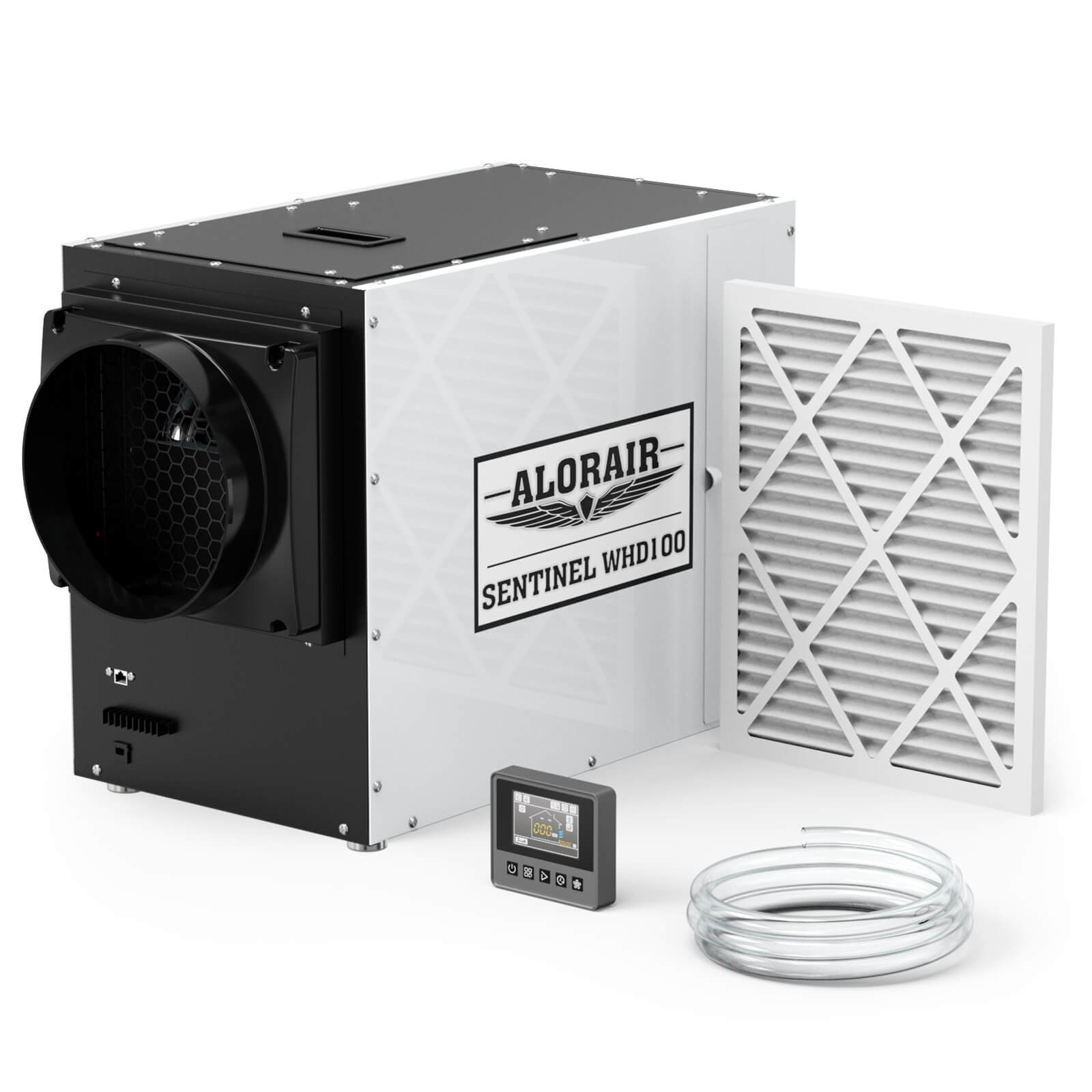
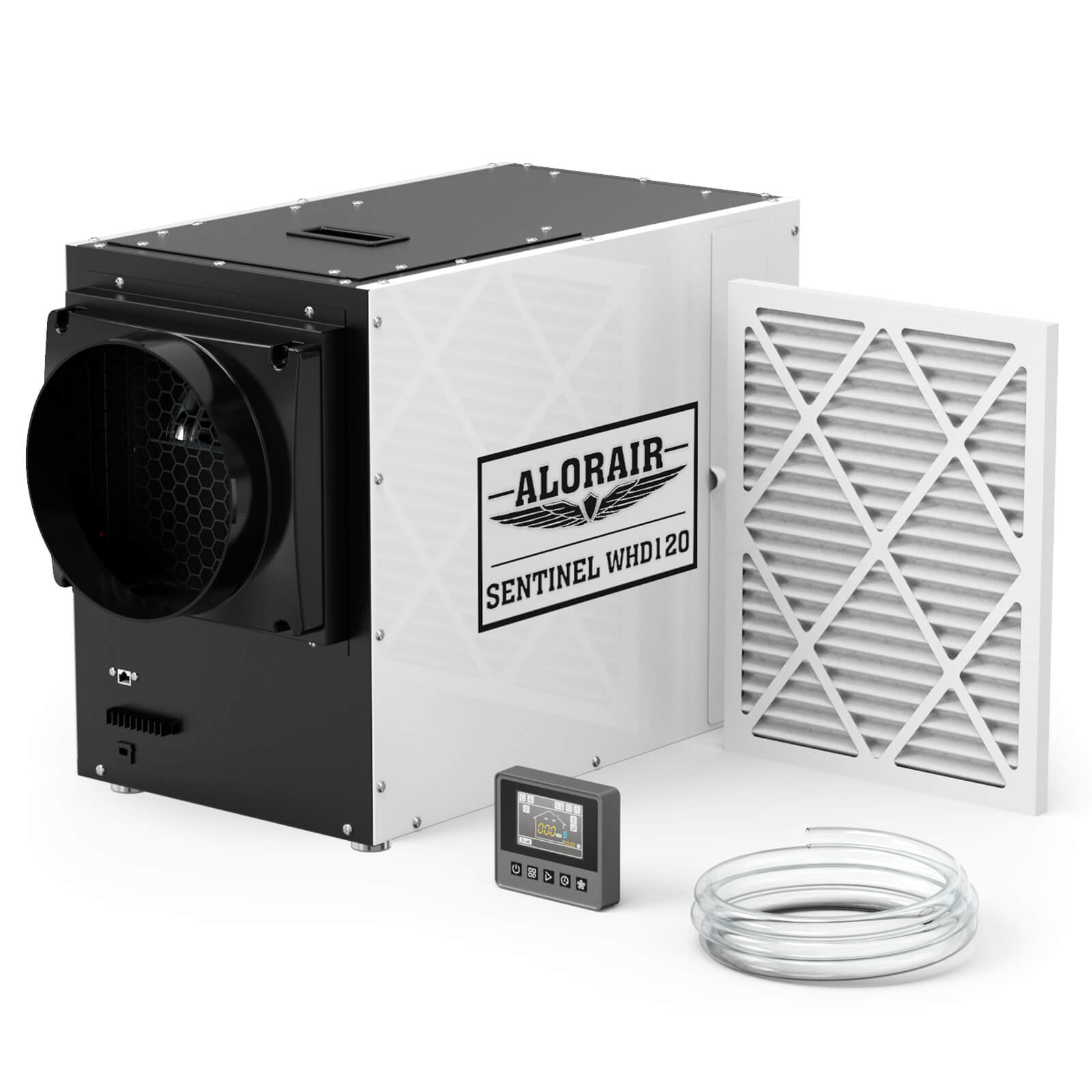
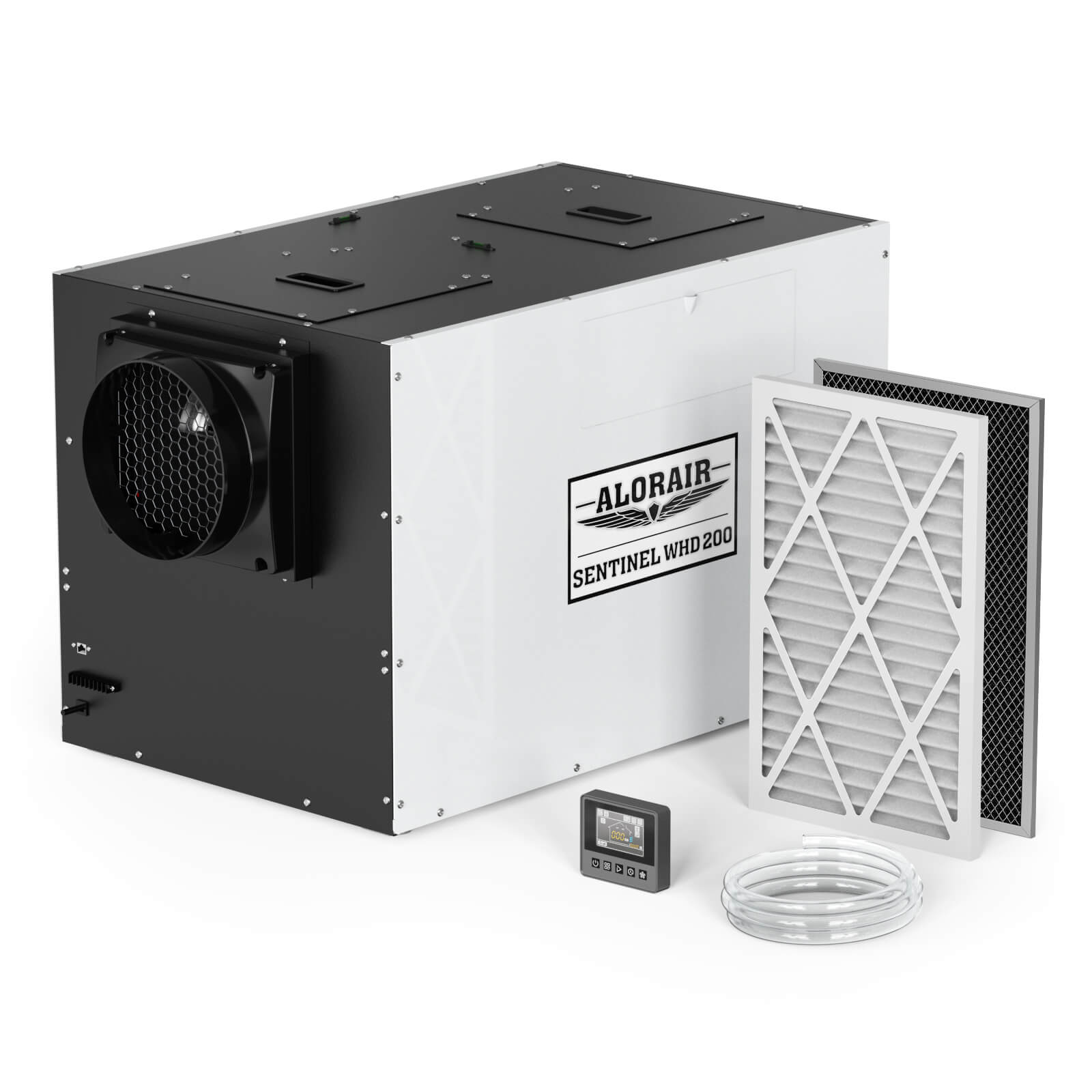
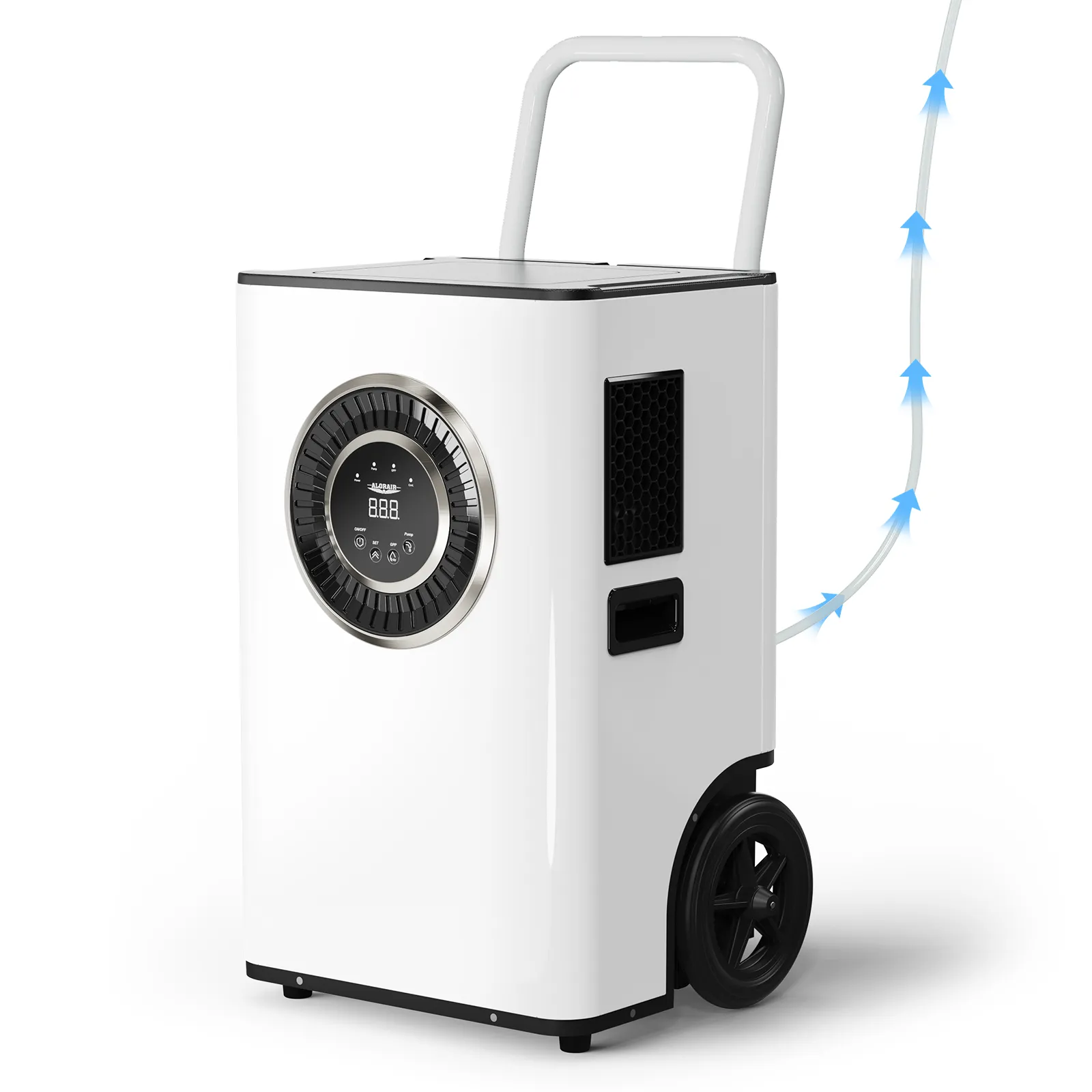
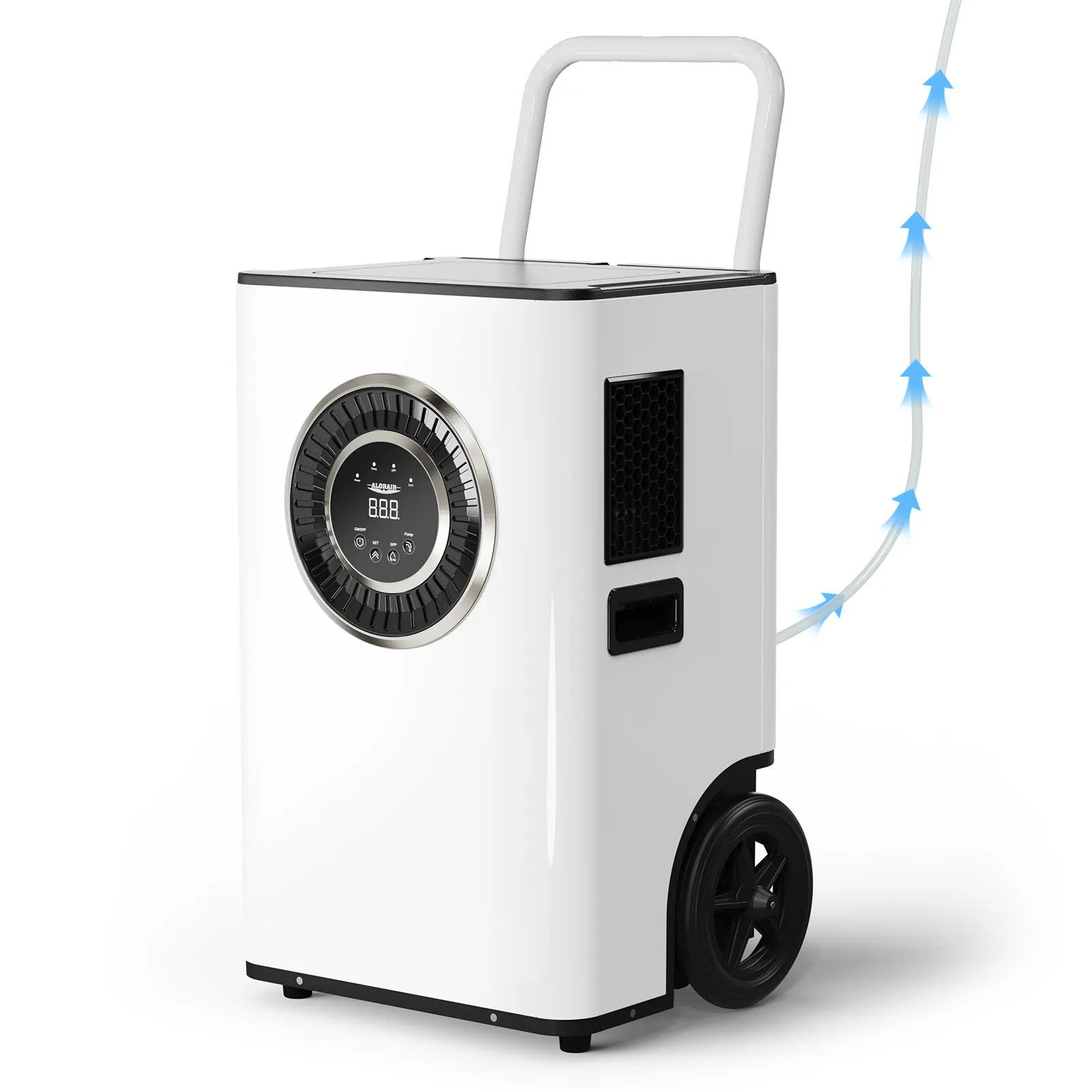
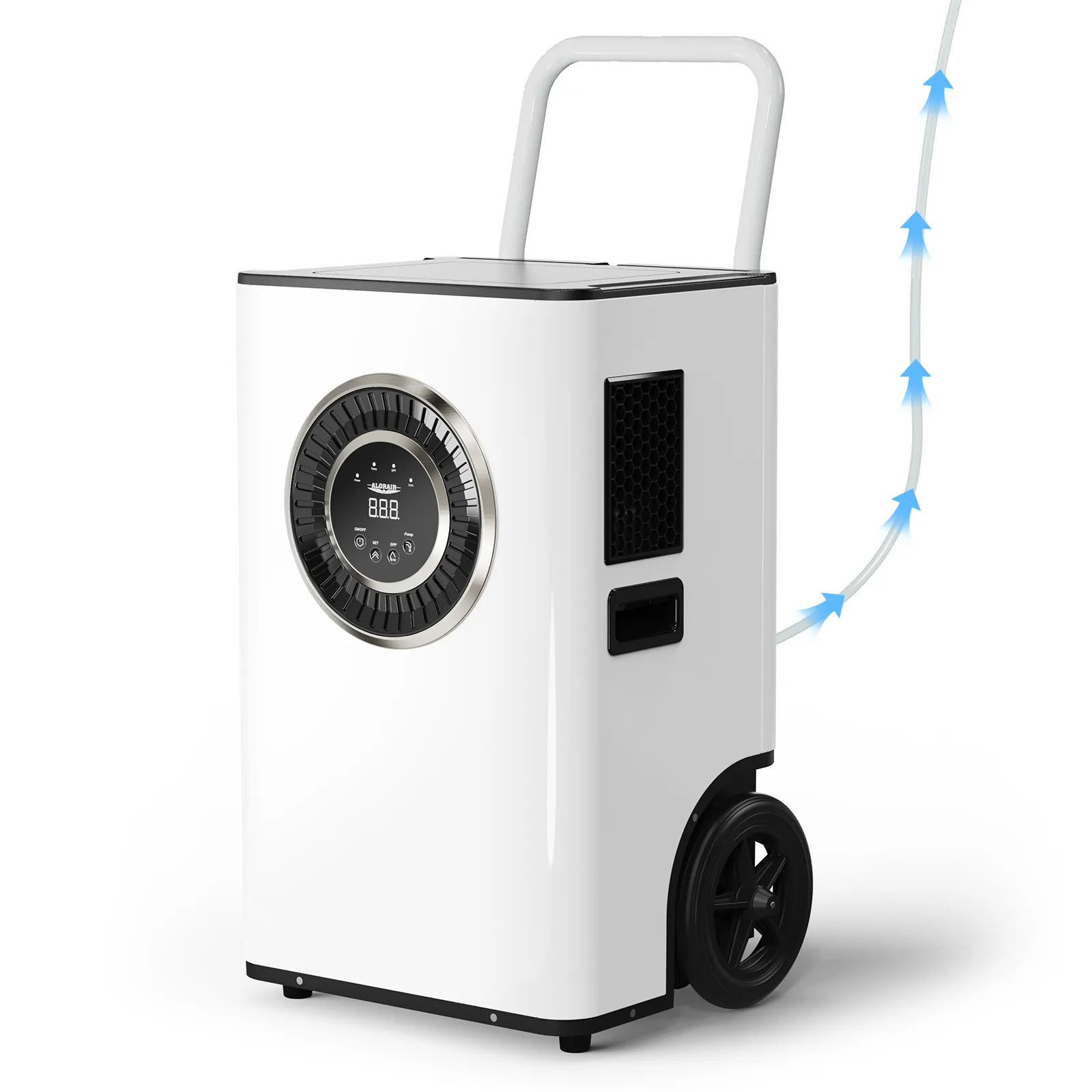
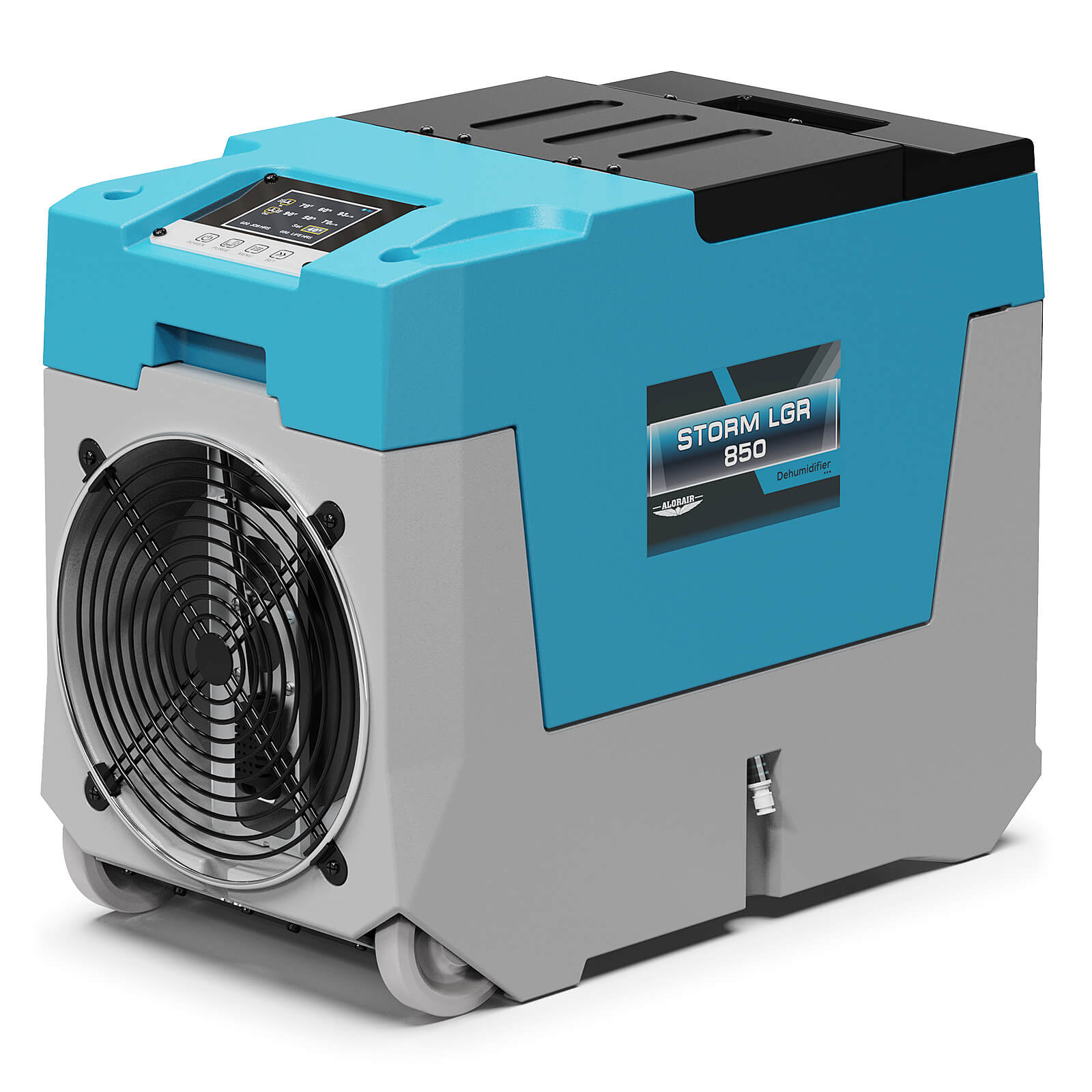
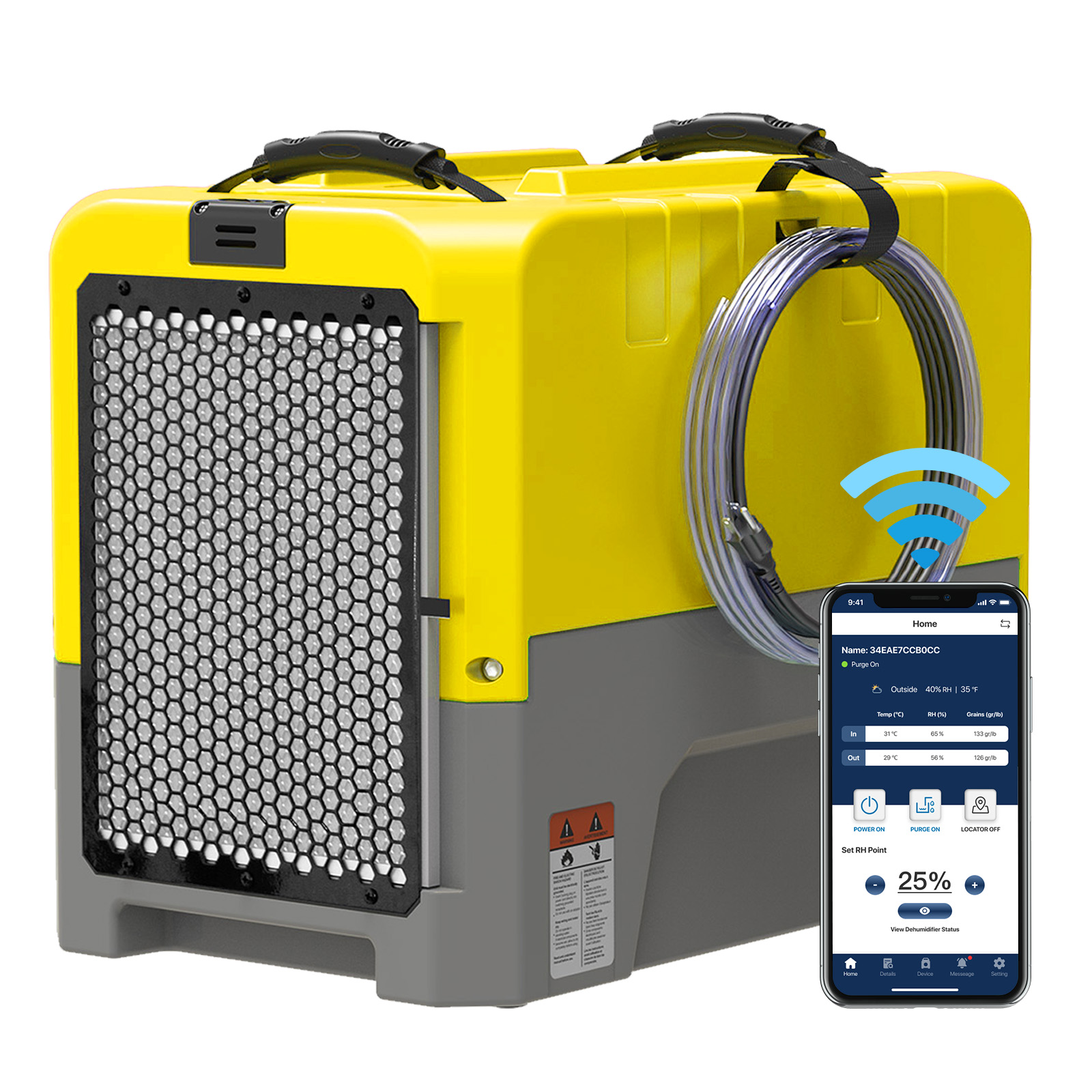
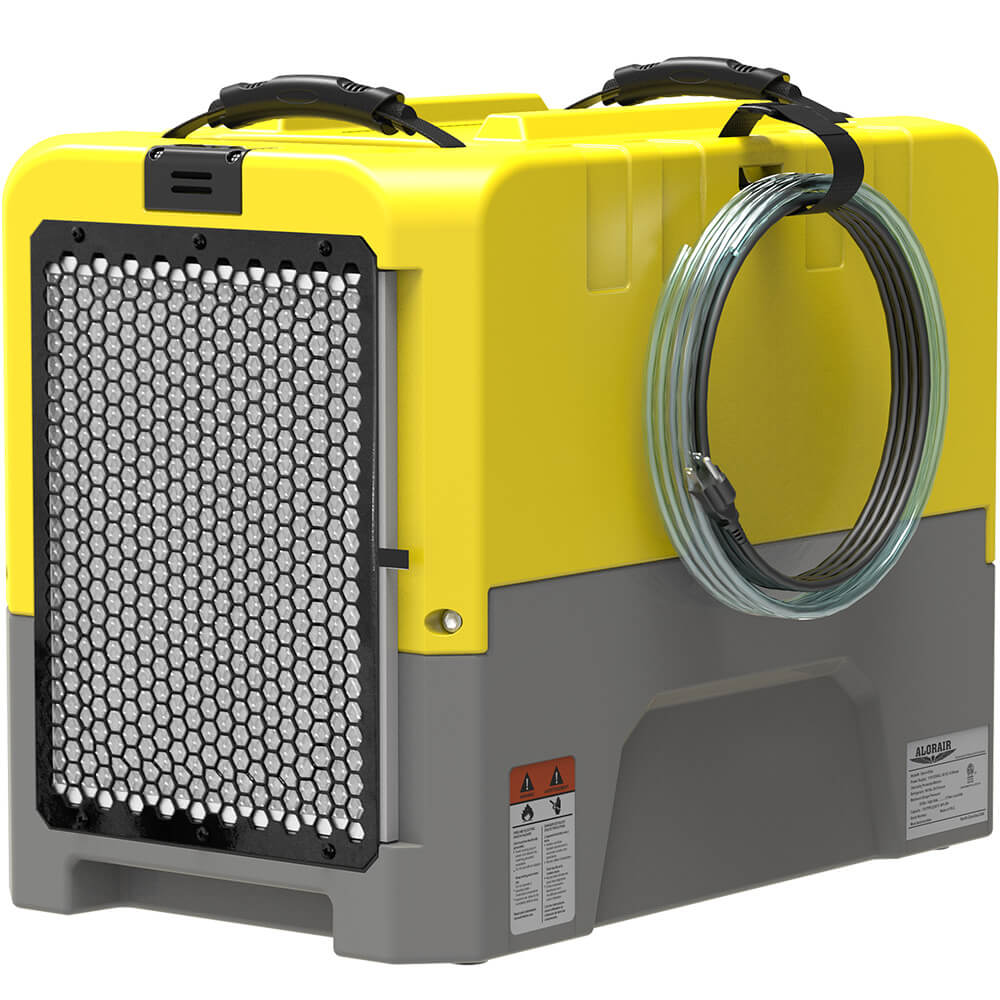
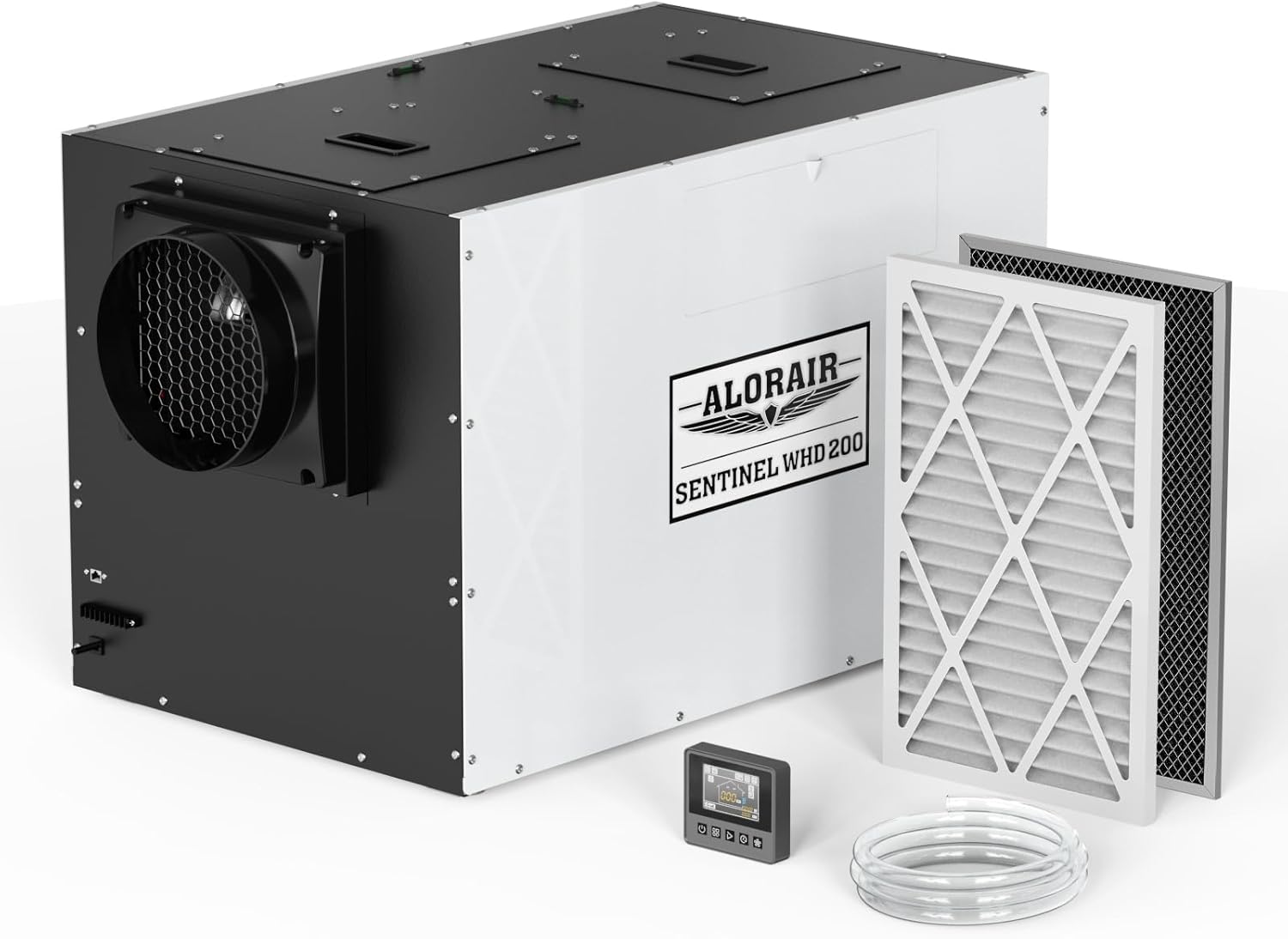
Operating garage dehumidifiers balances relative humidity and stops condensation on tools, walls, and vehicles. What is a good dehumidifier for a garage in Florida? AlorAir® Sentinel WHD 120 – the best dehumidifier you will ever invest in.
It efficiently and quickly removes humidity, using less energy than typical dehumidifiers. This whole-house dehumidifier can extract 104 pints per day, up to 3000 sq. ft, can be adjusted inlet & outlet, and has an auto-defrosting system.
Sentinel WHD 120 has an advanced fresh air function, managed through the fresh air damper and a docking process. This is to prevent humidity issues even during the most challenging conditions.
Additionally, you can dehumidify a garage with innovative features like a consistent dehumidification mode, GPP mode, timer function, and gravity drainage function.
For Florida conditions, a dehumidifier in garage areas must assist constant drainage and heavy moisture loads.
Insulate the Garage Door and Ceiling
Heat infiltrates garages originally through the ceiling and door. Insulated garage doors decrease radiant heat from sunlight and slow heat exchange into the area. Ceiling insulation restricts attic heat from flowing downward.
Insulation can minimize heat buildup by up to 20% in attached garages. Moreover, insulation upgrades cooling efficiency but performs best when paired with humidity control.

Seal Gaps That Let Heat and Humid Air In
Unsealed vents around outlets, doors, and wall joints let Florida’s warm, moist air to penetrate constantly. Sealants and weather-stripping block these paths and lower humidity infiltration.
Insulation reduces cooling burden and supports the efficiency of an AlorAir dehumidifier for garage in Florida by stopping continuous re-entry of damp air.
Use Fans the Right Way
Fans increase comfort just after dampness is managed. Moving humid air without extracting moisture boosts discomfort and circulates condensation.
Professionals recommend operating fans after dehumidifying a garage to spread dried air equally. This sequence improves cooling perception without raising humidity levels.
Manage Heat Sources Inside the Garage
Internal supplies of heat increase temperatures rapidly in confined garages. Power equipment, engines, water heaters, and dryers discharge moisture and heat. Allow vehicles to cool down before shutting garage doors.
Restrict the activity of heat-generating tools during peak afternoon hours. This step minimizes heat gain and facilitates overall cooling efforts.
Smart Placement for Maximum Effect
Correct placement decides how much cooling and humidity control approaches perform in Florida garages.
Where to Place a Dehumidifier in a Garage
Install the dehumidifier close to the center of the garage or near the main humidity source. For instance, near the garage door or the common wall with the house. This placement lets the setup draw damp air evenly from the area.
Do not position the unit directly against shelves, walls, or vehicles, because limited ventilation lowers effectiveness.
Keep Airflow Paths Clear
Maintain unblocked intake and exhaust passages around dehumidification tools and ventilation fans. Restricted airflow catches hot, humid air in corners and produces uneven cooling. Straight air circulation lets heat and humidity exit quickly, which enhances overall relief.
Avoid Corners and Dead Zones
Corners gather stale air where dampness stays high. Place equipment aside from tight corners to avoid moisture buildup. This strategy increases air mixing and stops localized corrosion or mold development.
Conclusion
The heat of Florida can turn closed areas difficult to control, but with the correct approaches, you can make a cold and more practical environment. Heat control functions better when combined with humidity reduction through dehumidifiers, ventilation control, and proper insulation.
Do not let the heat take control of you. Visit AlorAir today and explore a range of equipment engineered for actual Florida conditions.
