





-(1).png)
.jpg)
.jpg)
.jpg)
.jpg)
.HDi90.png)
.HD90.png)
.jpg)
.jpg)
.jpg)
.jpg)
.jpg)
.jpg)
.jpg)

.jpg)
.jpg)


.jpg)
.jpg)
.jpg)
.jpg)
.webp)
.webp)
.webp)
.webp)
.jpg)
.jpg)
.jpg)
.jpg)
.jpg)
.jpg)
.jpg)
.jpg)
.jpg)
.jpg)
.jpg)
.jpg)
.jpg)
.jpg)
.jpg)





-.jpg)
.jpg)
.jpg)
.jpg)






















 Exclusive offers
promotions
Exclusive offers
promotions

Mold grows in humid, dark environments, both indoors and outdoors, and garages mostly get away with routine cleaning and ventilation schedules. That’s why mold in the garage is not unusual. It damages floors, walls, and stored articles, as well as spreads airborne spores that impact indoor air quality.
Fortunately, mold in the garage is preventable with the correct equipment, like a dehumidifier for garage and environmental management. This article outlines a step-by-step guide to extract mold efficiently, how to prevent regrowth, and the role of AlorAir garage dehumidifiers in maintaining a dry, clean, and healthy space.
What Causes Mold to Grow in Garages?
Various factors make garages particularly exposed to mildew. So, an awareness of the causes helps homeowners to recognize dangers early and act proactively.
- Poor Ventilation and Stagnant Air: Most garages need good ventilation. Damp air gets stuck without fans, vents, or windows. According to the Centers for Disease Control and Prevention (CDC), stagnant air accelerates mold formation as it stops moisture from drying up naturally.
- Moisture from Vehicles and Stored Items: Vehicles often carry snow, mud, or rainwater. Think about the things you keep in your garage. Wet cardboard boxes, tools, and sports gear emit moisture into the air, increasing relative humidity (RH). Just as this humidity remains trapped, mold on the garage surfaces, like shelves, walls, or ceilings, starts to emerge.
- Concrete Floor Condensation: Concrete a porous material that takes in water from the ground. When humid, hot air strikes the cold concrete surface, condensation develops, a major cause of mold on garage floors and lower walls. With time, this humidity infiltrates little cracks, triggering hidden mold growth below mats or coatings.
- High Humidity Levels: Humidity above 60% offers perfect conditions for mold to expand. According to the Building and Environmental Journal study, the humidity is the determining factor affecting mold growth in confined areas.
Signs You Have Mold in Your Garage
Visual and Olfactory Indicators
Search for black or green spots, dark patches, or cracked paint on the garage ceiling or walls. Moreover, a distinct stale or musty smell indicates mold proliferation, even when visible colonies are not apparent.
Hidden Clues and Sensory Triggers
Invisible mold might not display apparent spots; however, corroded tools, deforming wood, or peeling shelving point to hidden moisture problems.
According to the Canadian health agency, indoor humidity and mold correspond to wheezing, coughing, and worsening asthma in houses.
Step-by-Step Guide: How to Get Rid of Mold in Your Garage
Mold spreads as it develops, so it is necessary to make a move as soon as you spot it. Follow these steps to remove mold from your garage:
Step 1: Identify and Isolate the Moldy Area
Take cars, tools, and boxes away from the area concerned. Put on eye protection, gloves, and an appropriate respirator to lower exposure to mold spores.
Step 2: Clean Surfaces Safely
Scrub surfaces with warm water and detergent for mold build-up. However, for severe cases, spray the mold with a commercial cleaner or undiluted white vinegar. Do not use bleach on porous mediums like drywall, as it might not kill essential mold roots.
Step 3: Dry Out the Area Completely
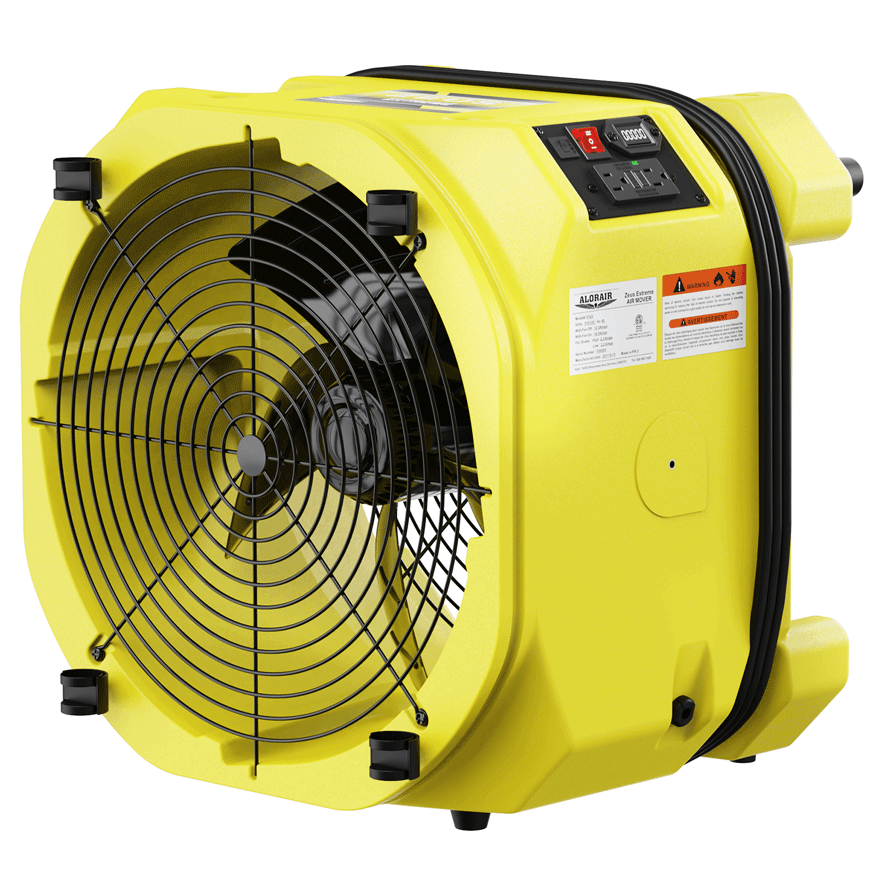
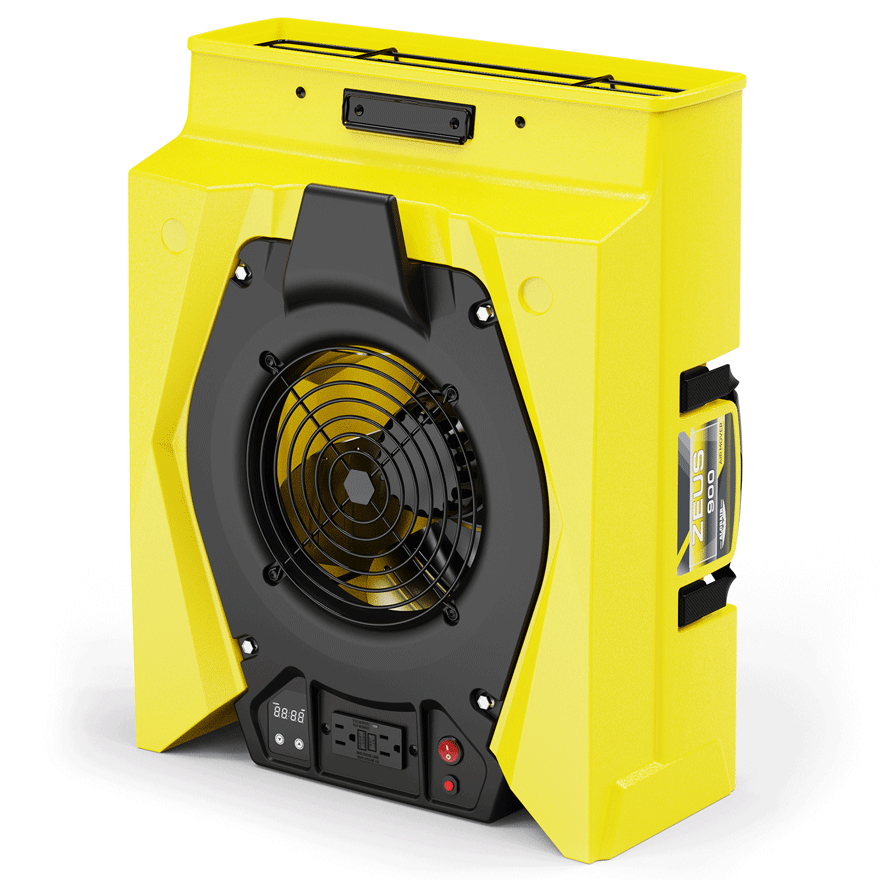
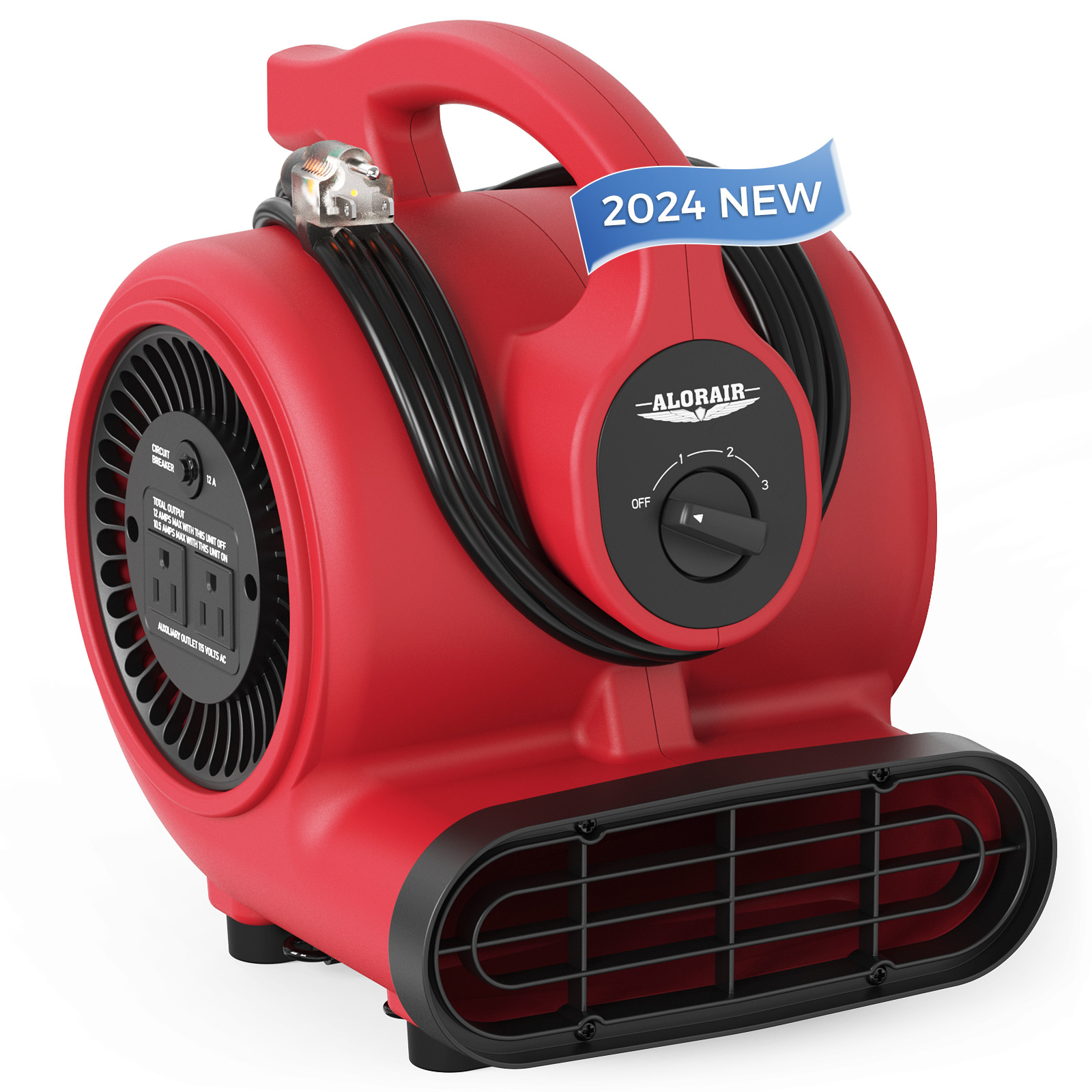
Open doors and windows when the weather permits. Operate a garage dehumidifier or air movers to minimize dampness and accelerate drying. The Environmental Protection Agency declared that drying humid zones within 24-48 hours stops most mold formation.
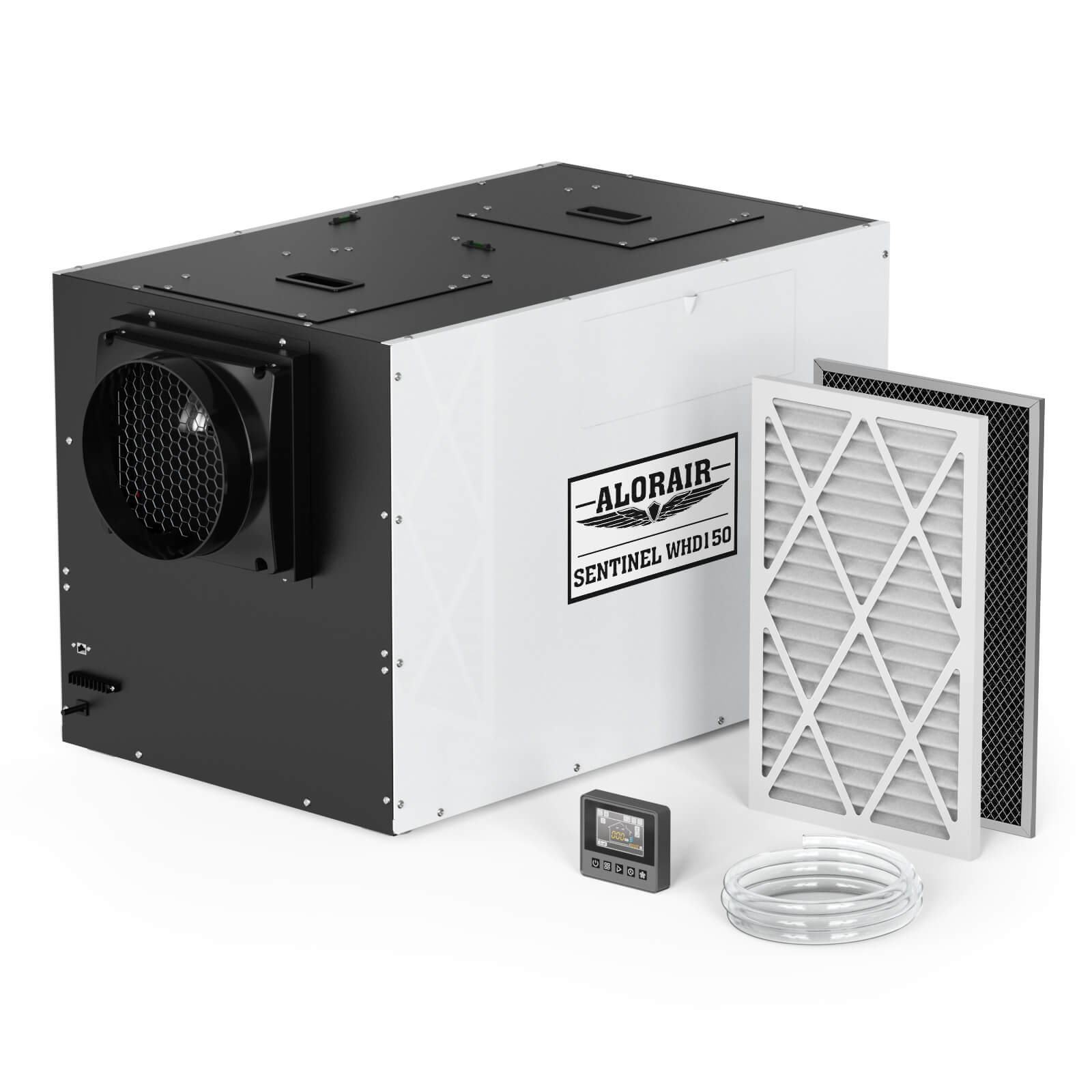
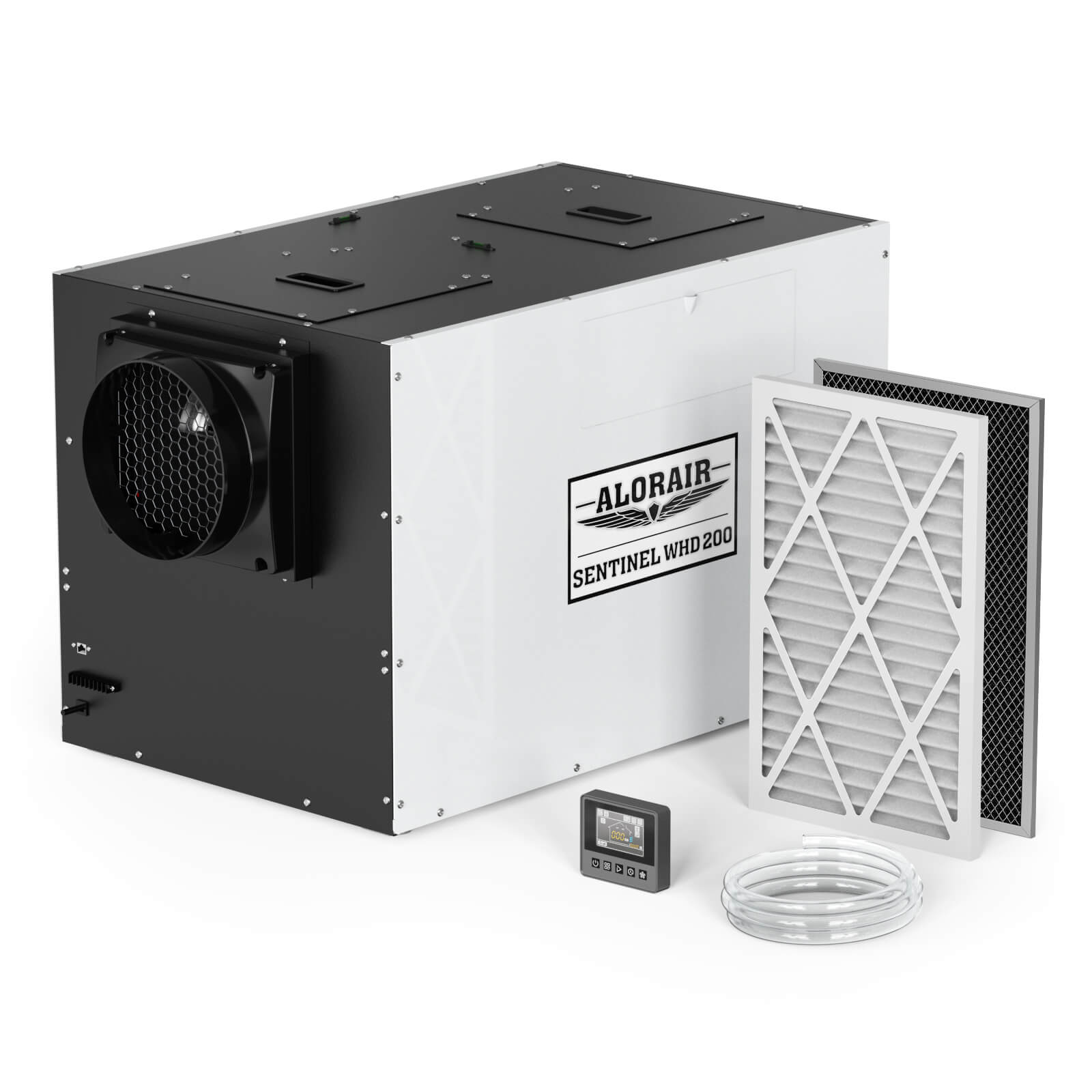
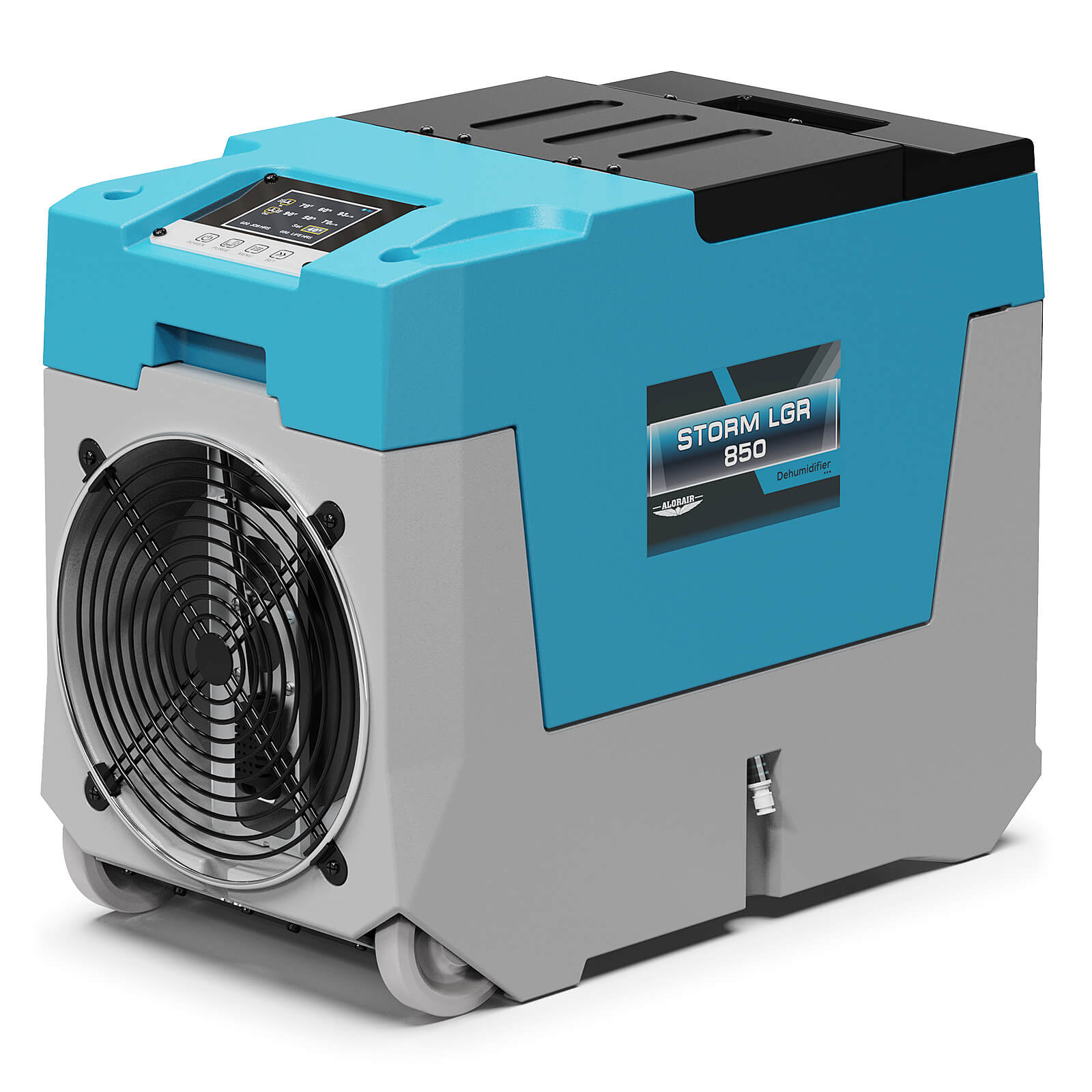
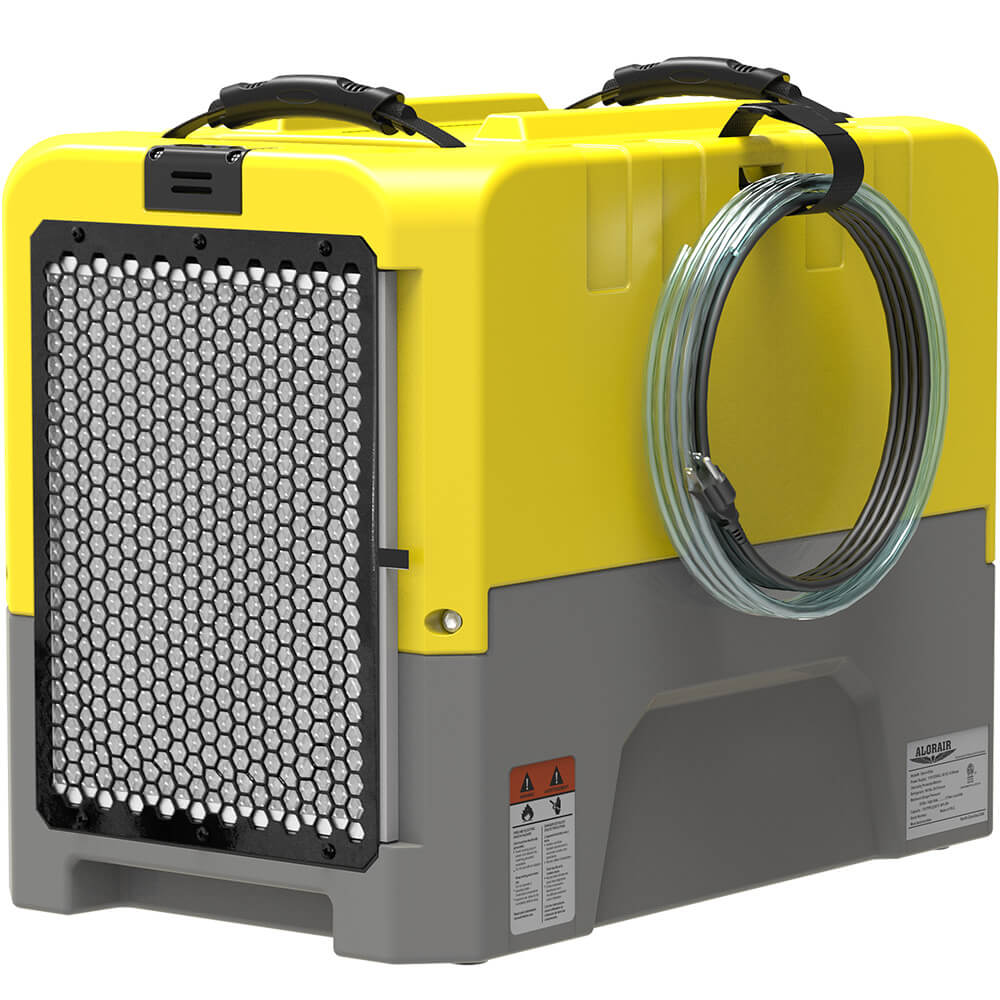
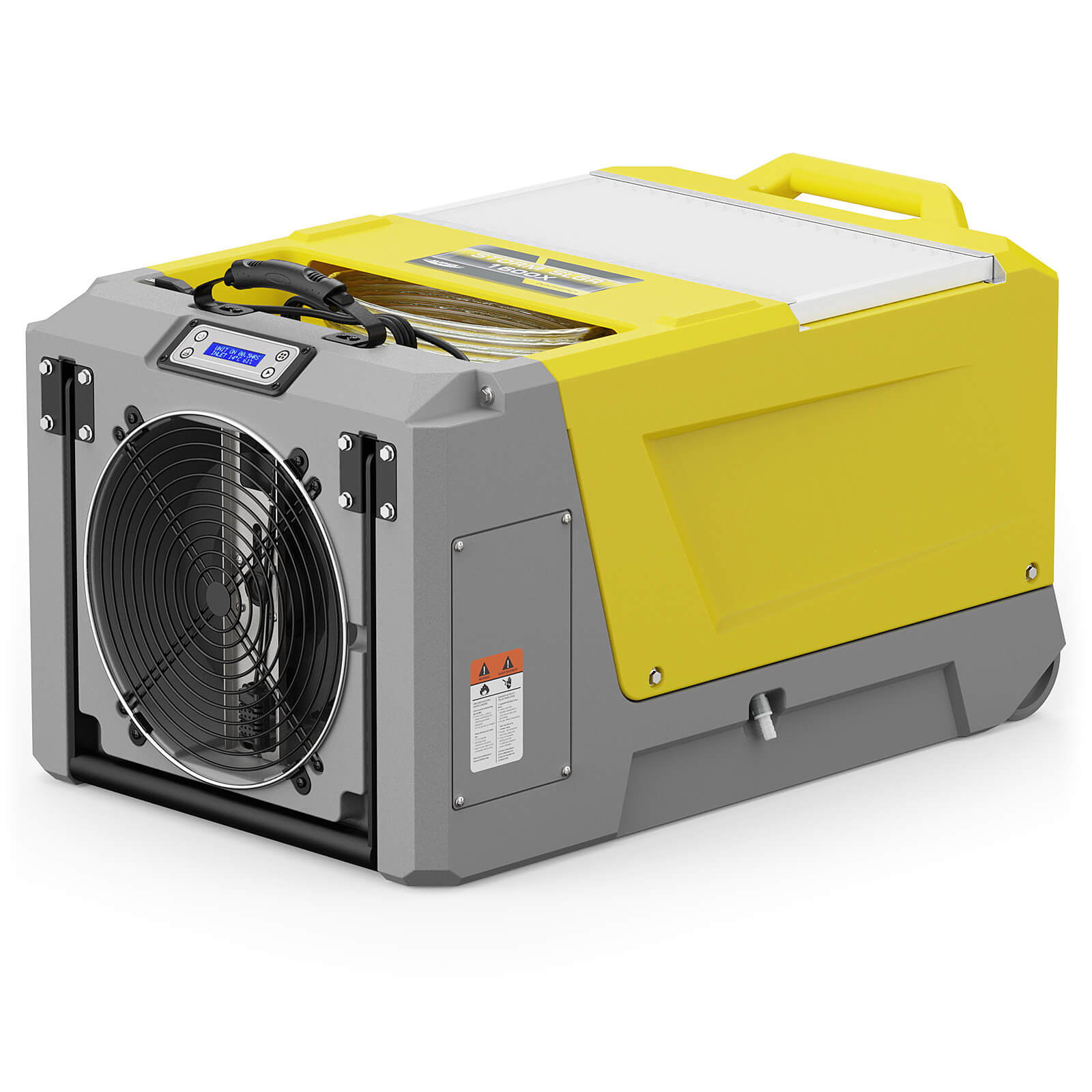
Consistently dehumidifying a garage using a dehumidifier like Sentinel WHD 150 maintains moisture control and prevents recurrence.
The Sentinel WHD 150 presents a powerful moisture removal setup, removing 140 pints each day up to 3500 sq ft using less electricity than standard dehumidifiers.
Step 4: Dispose of Mold-Infested Materials
Throw away porous objects like cardboard boxes, drywall with evident damage, and water-damaged insulation. Shut the articles in plastic bags to prevent spore spread. Gather and eliminate any polluted waste from the garage space.
How to Prevent Mold from Coming Back?
Removing current mold is just half the solution. Preventing its return is what matters. Here are proven ways to protect your garage from mold:
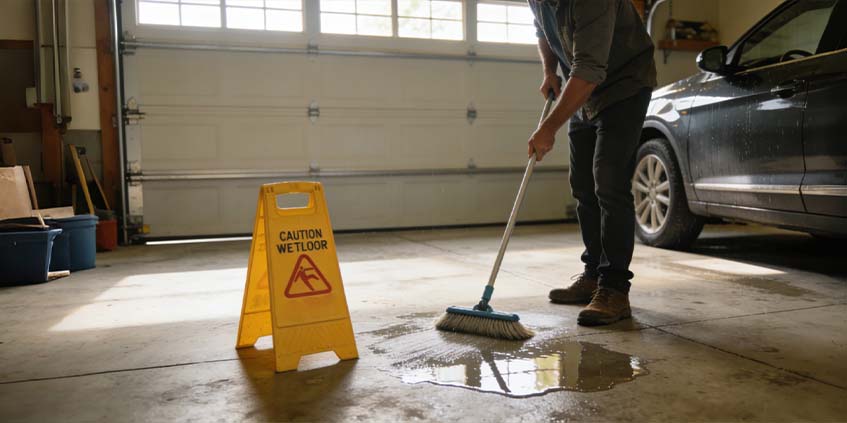
- Extract Standing Water: Clear away water instantly after snow or rain. In fact, tiny puddles on the floor boost humidity and support microbial growth. Afterwards, dry the space.
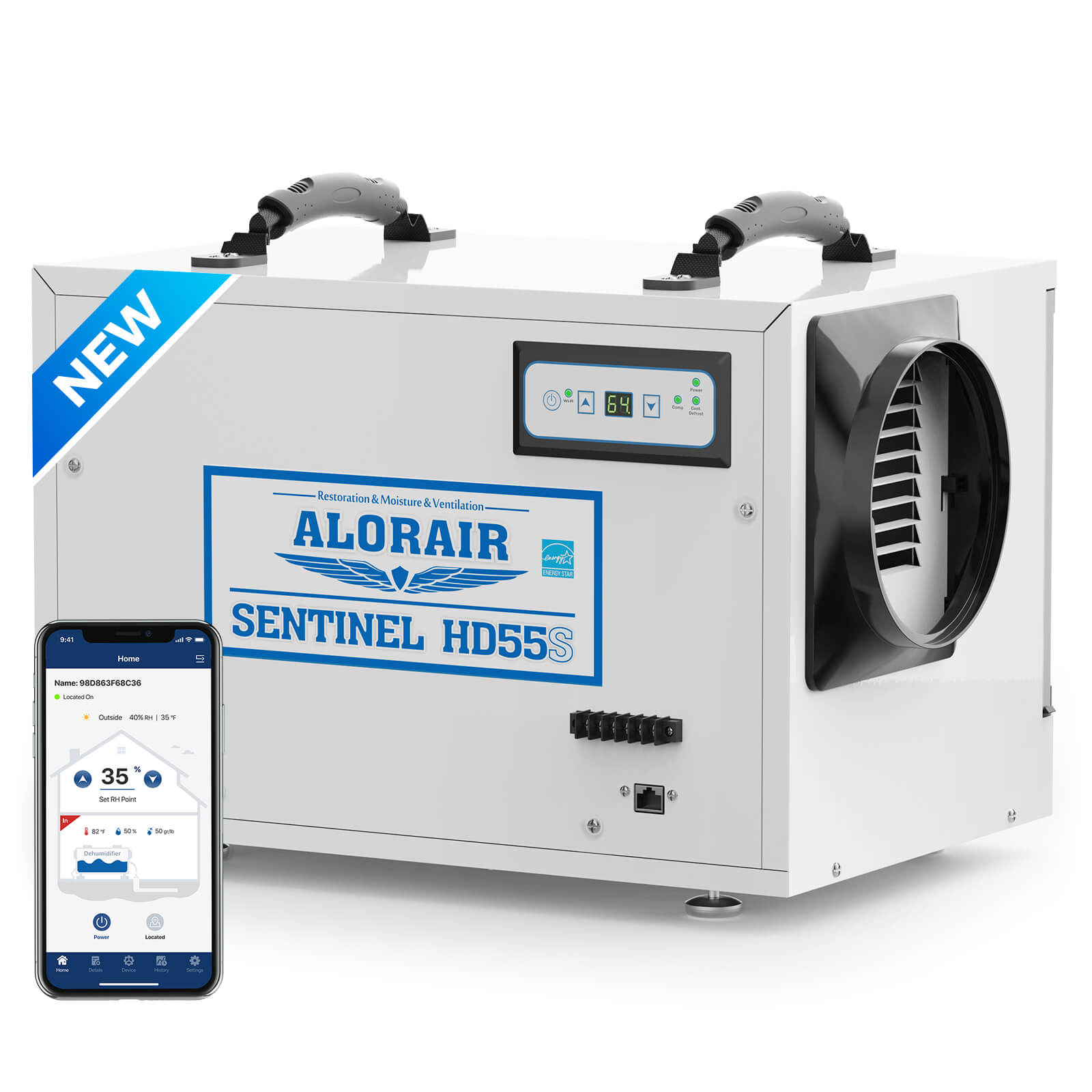
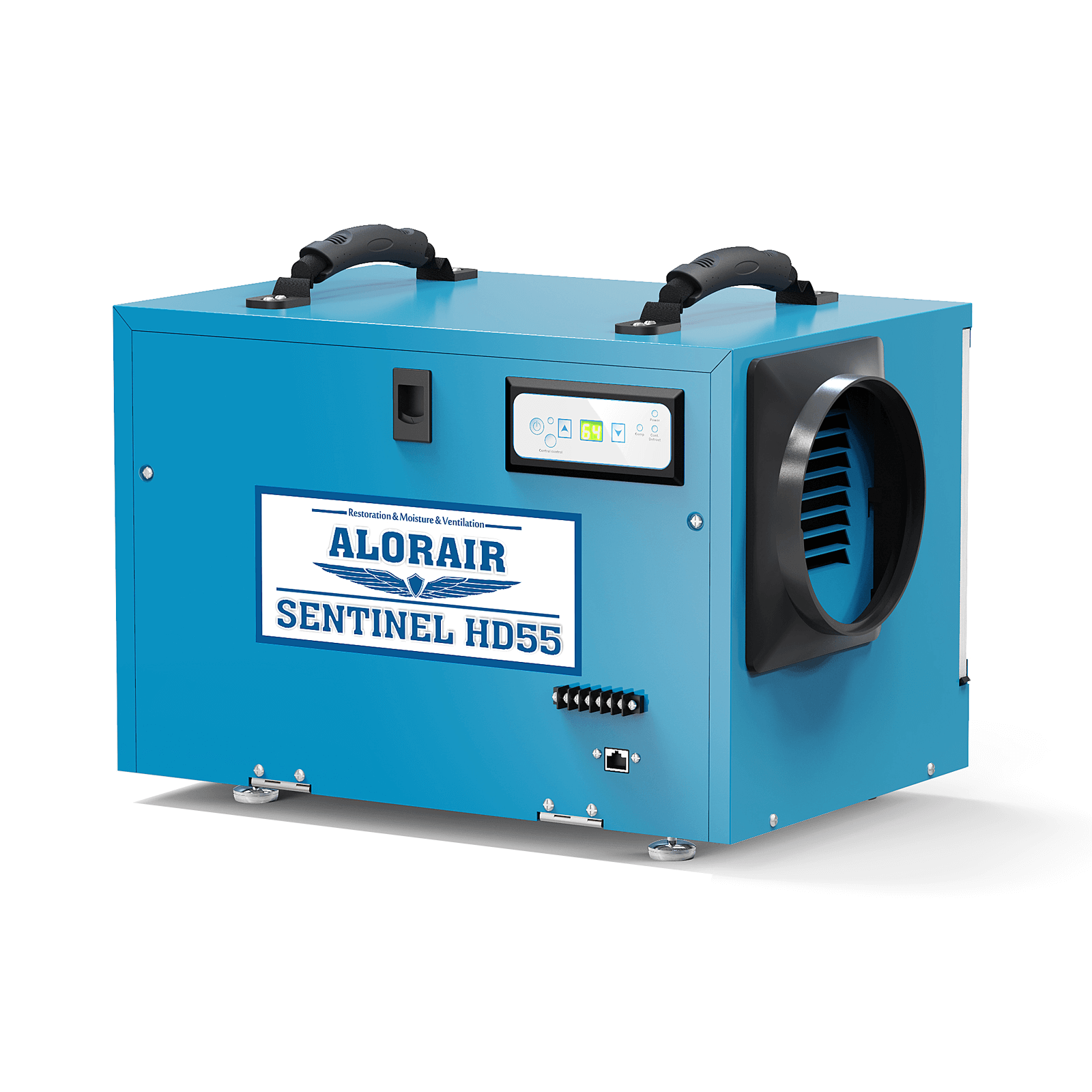
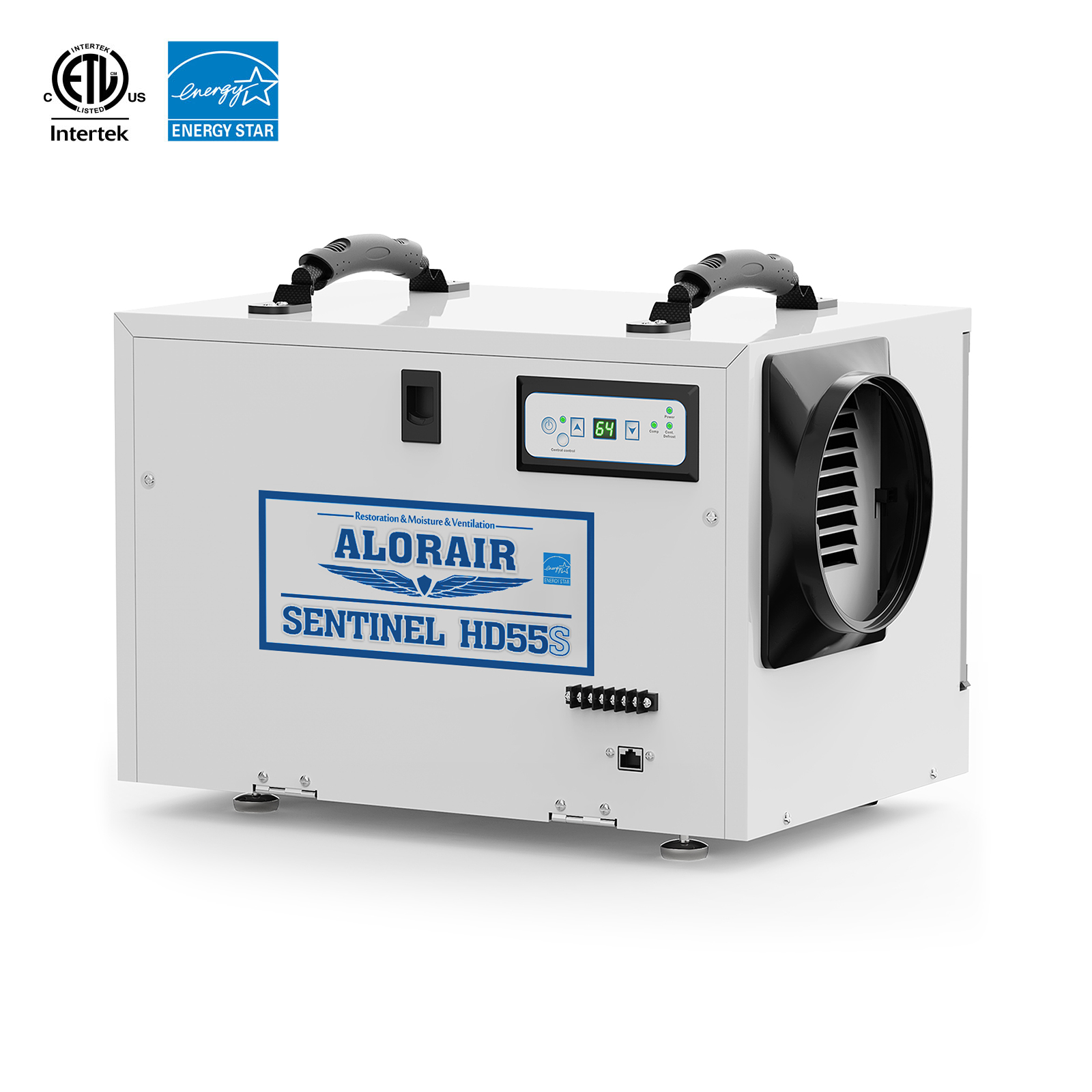
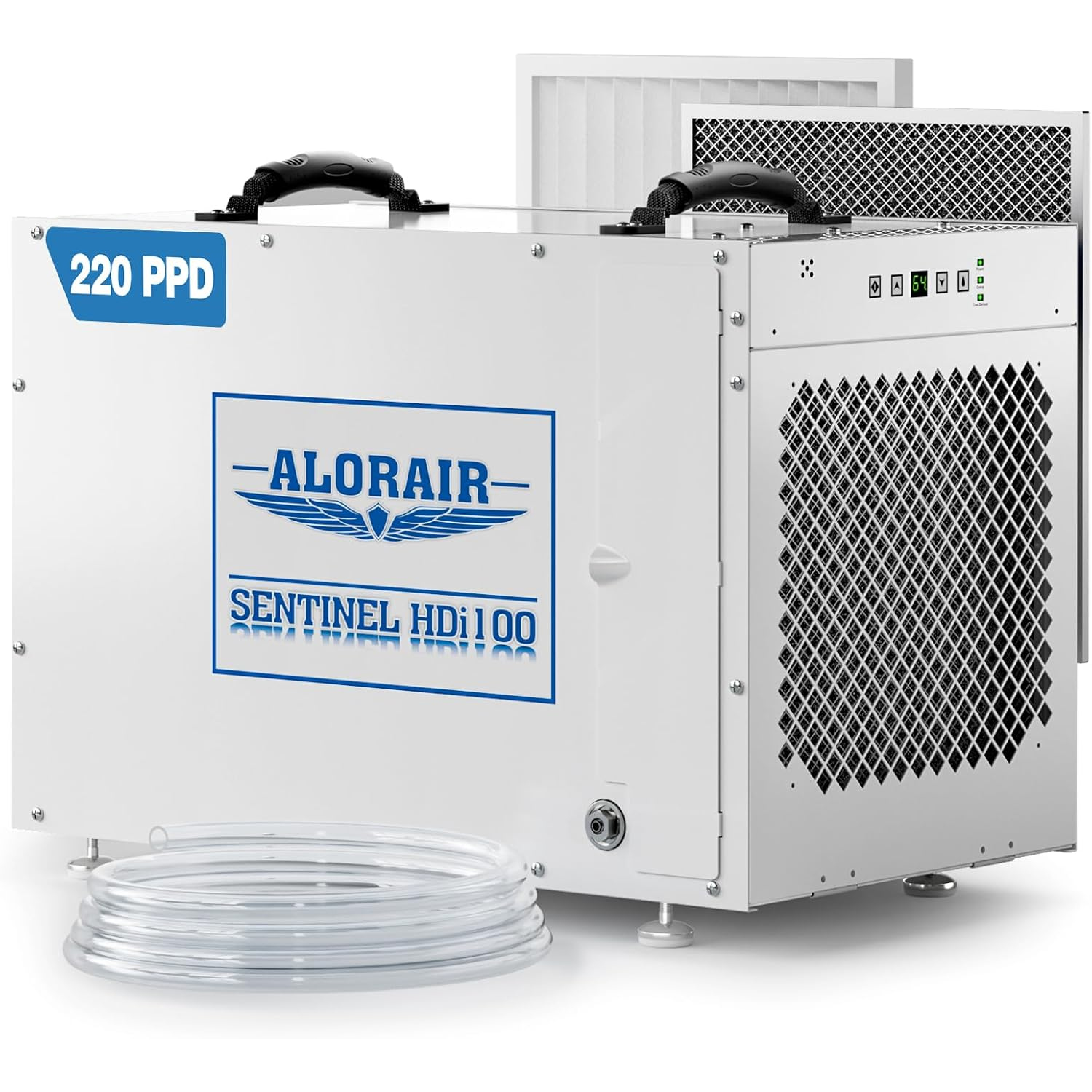
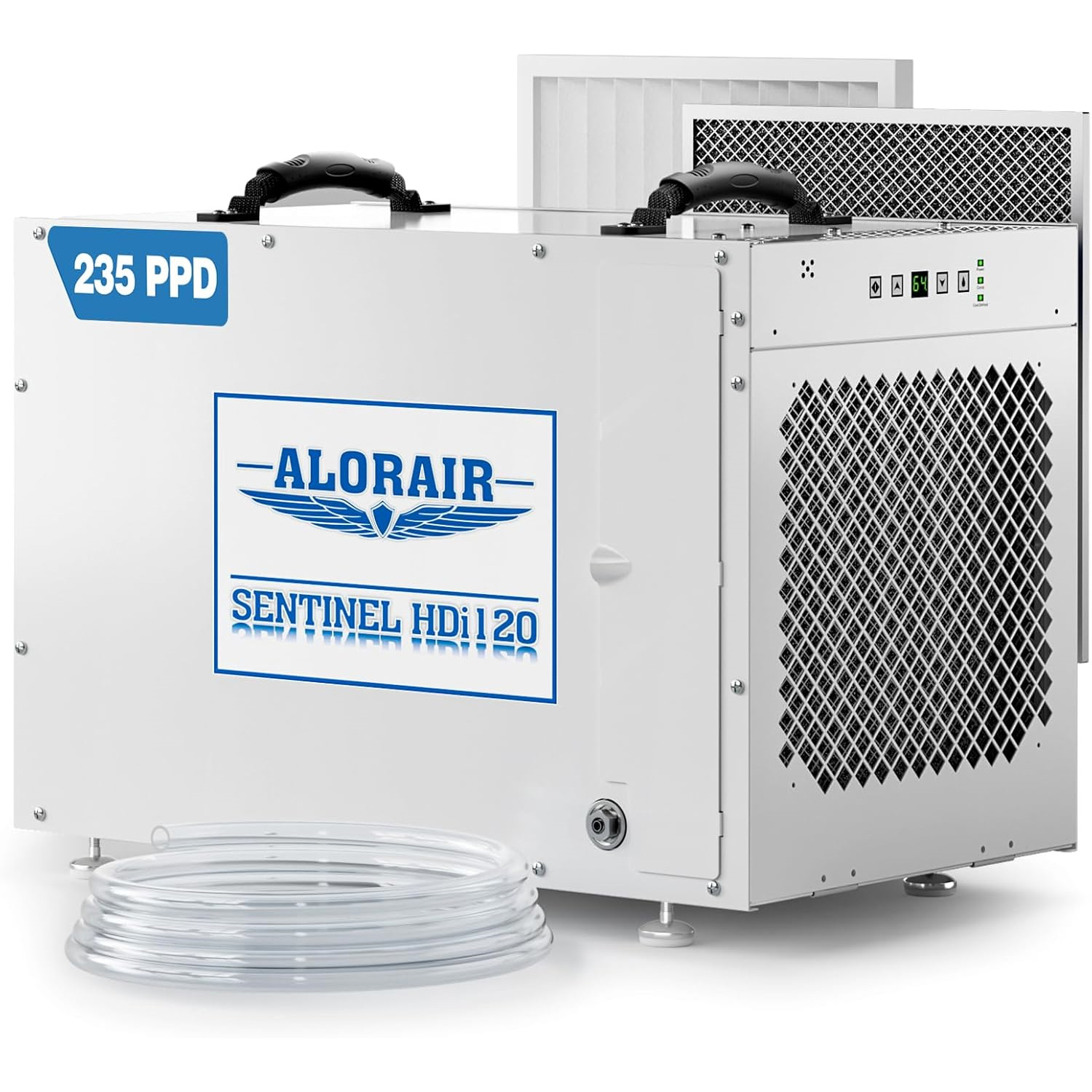
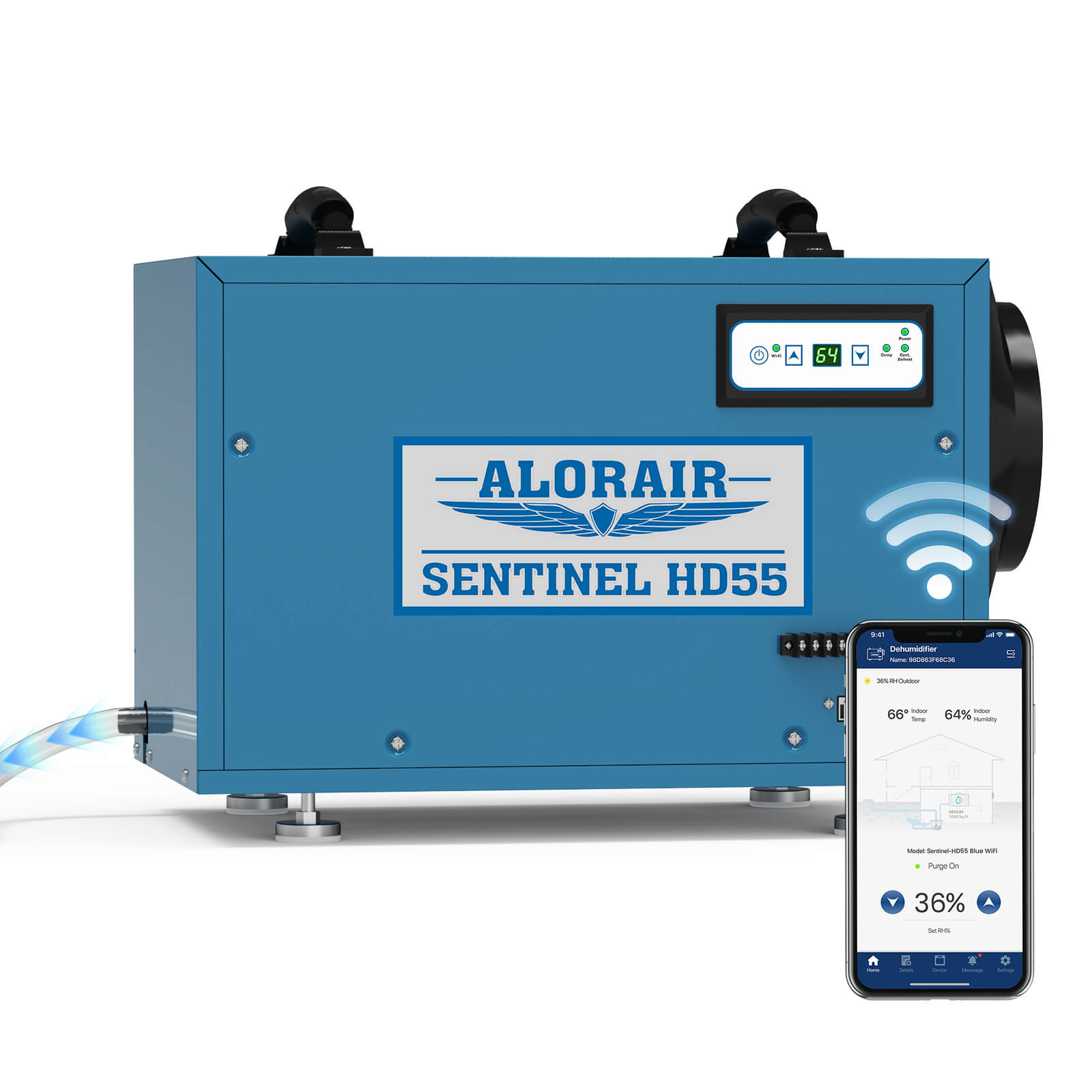
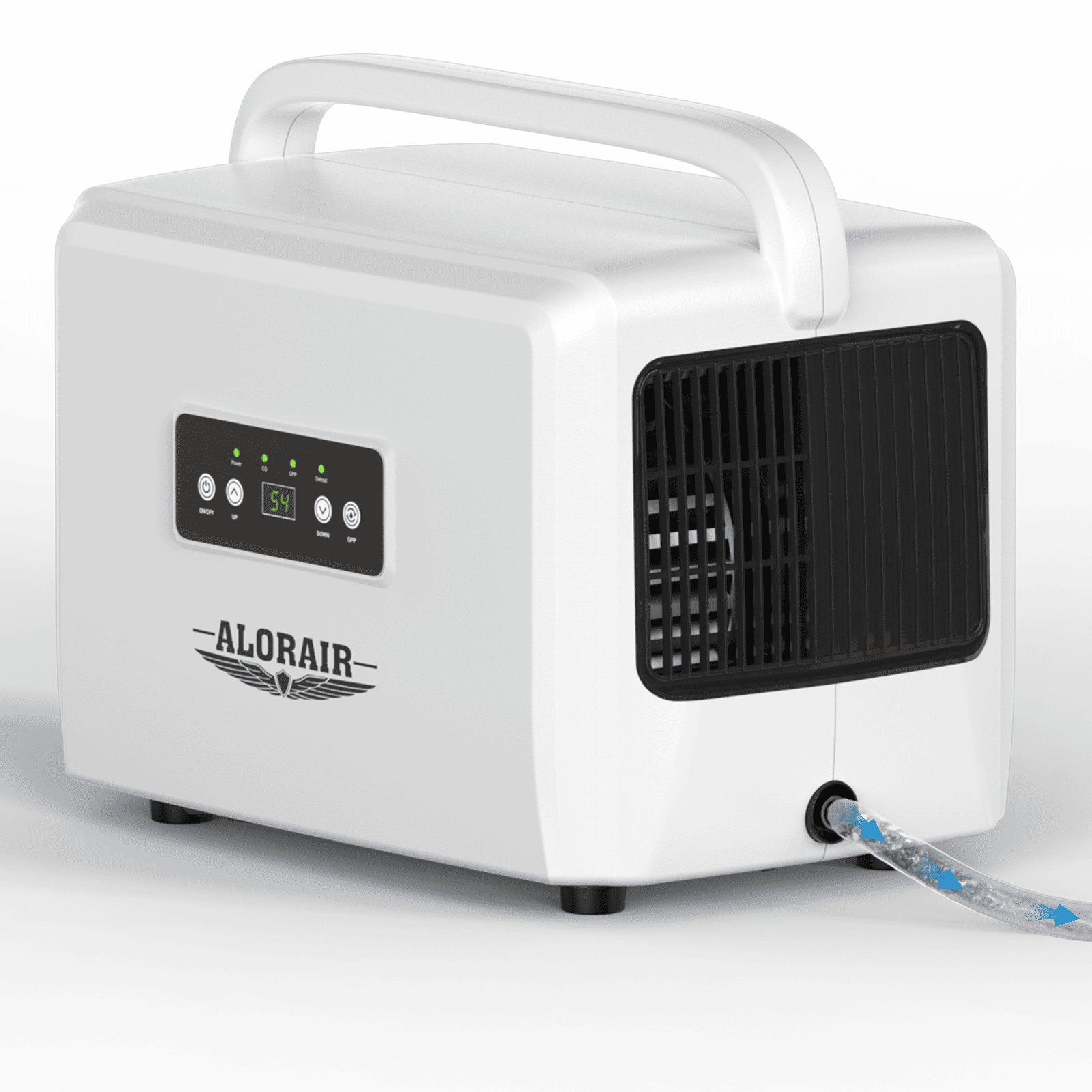
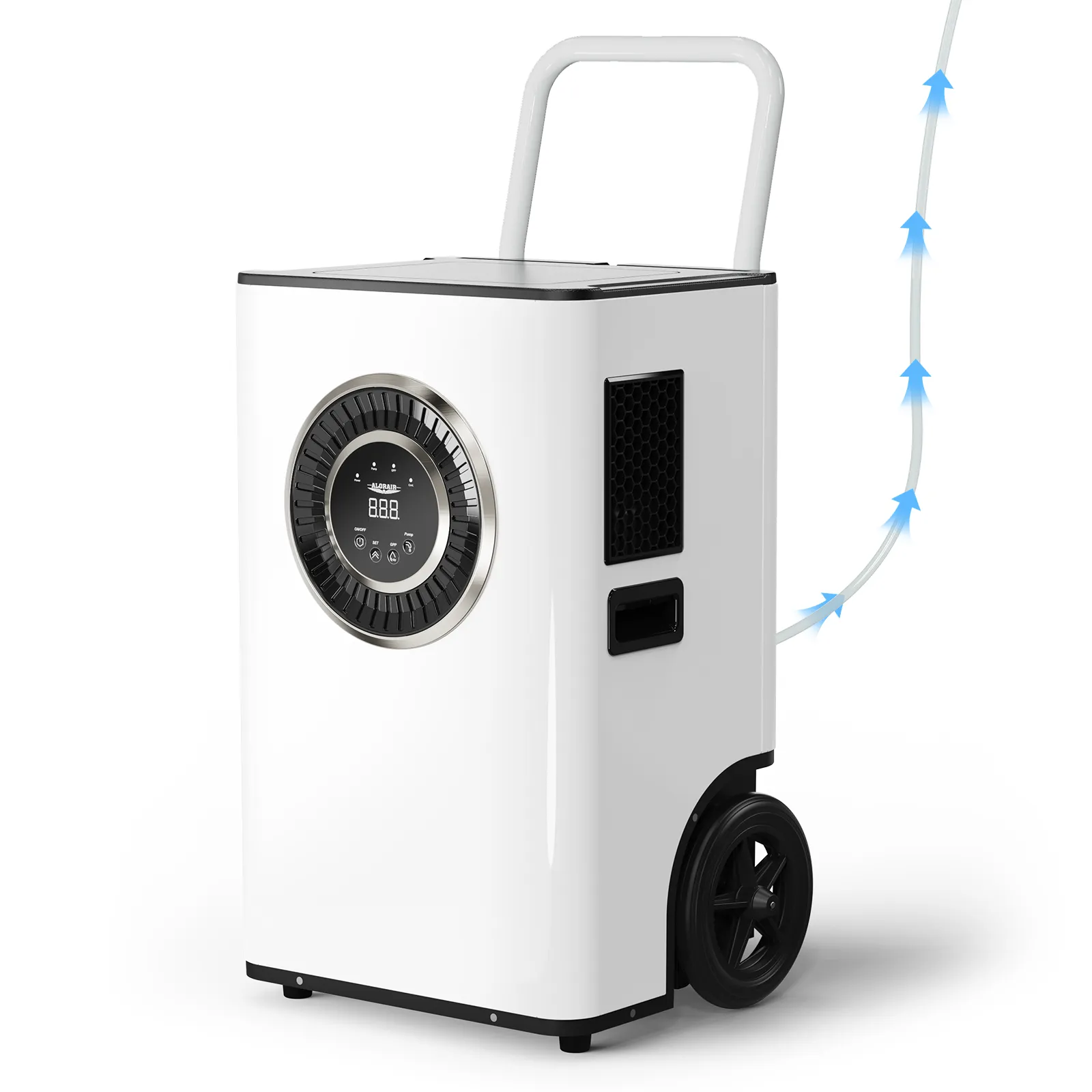
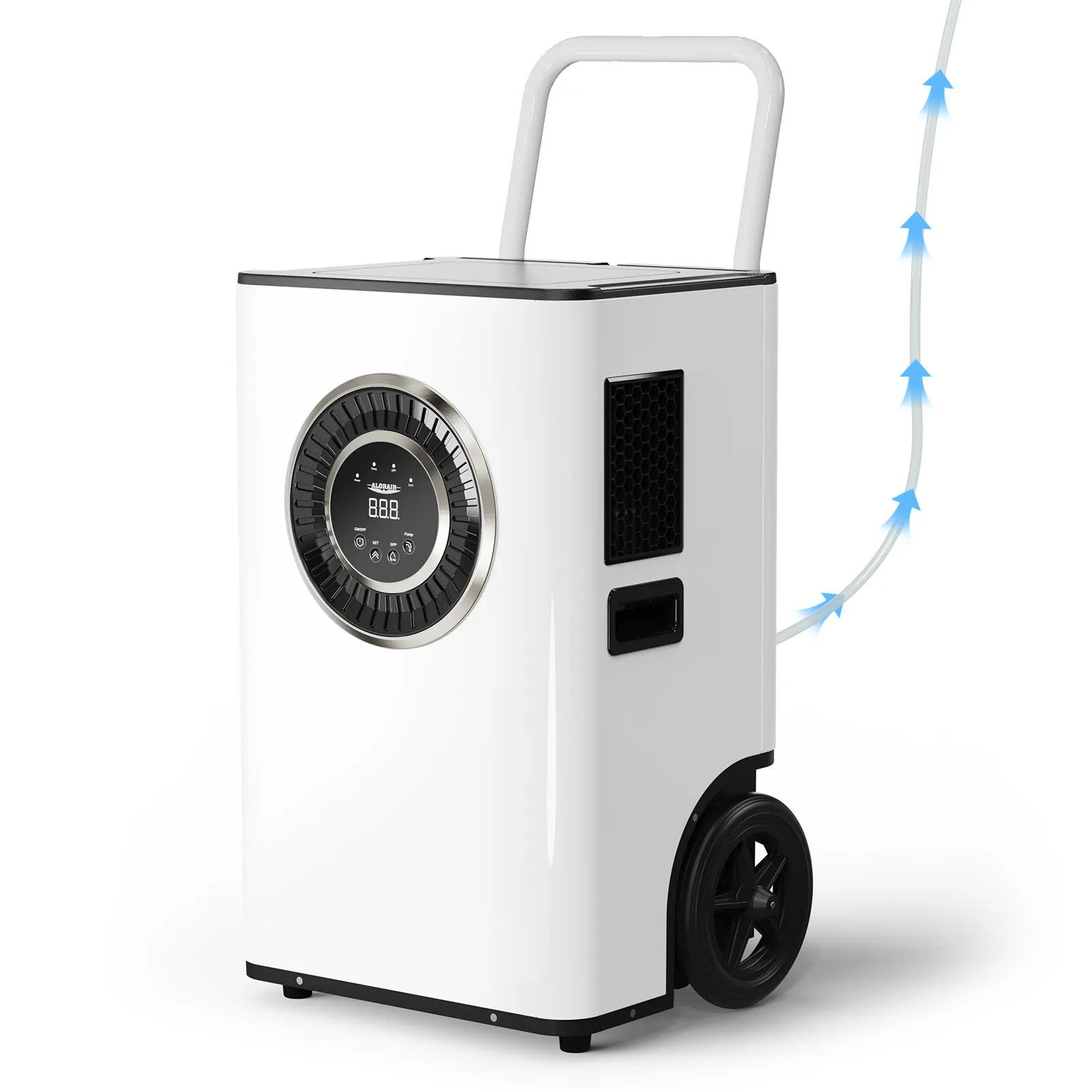
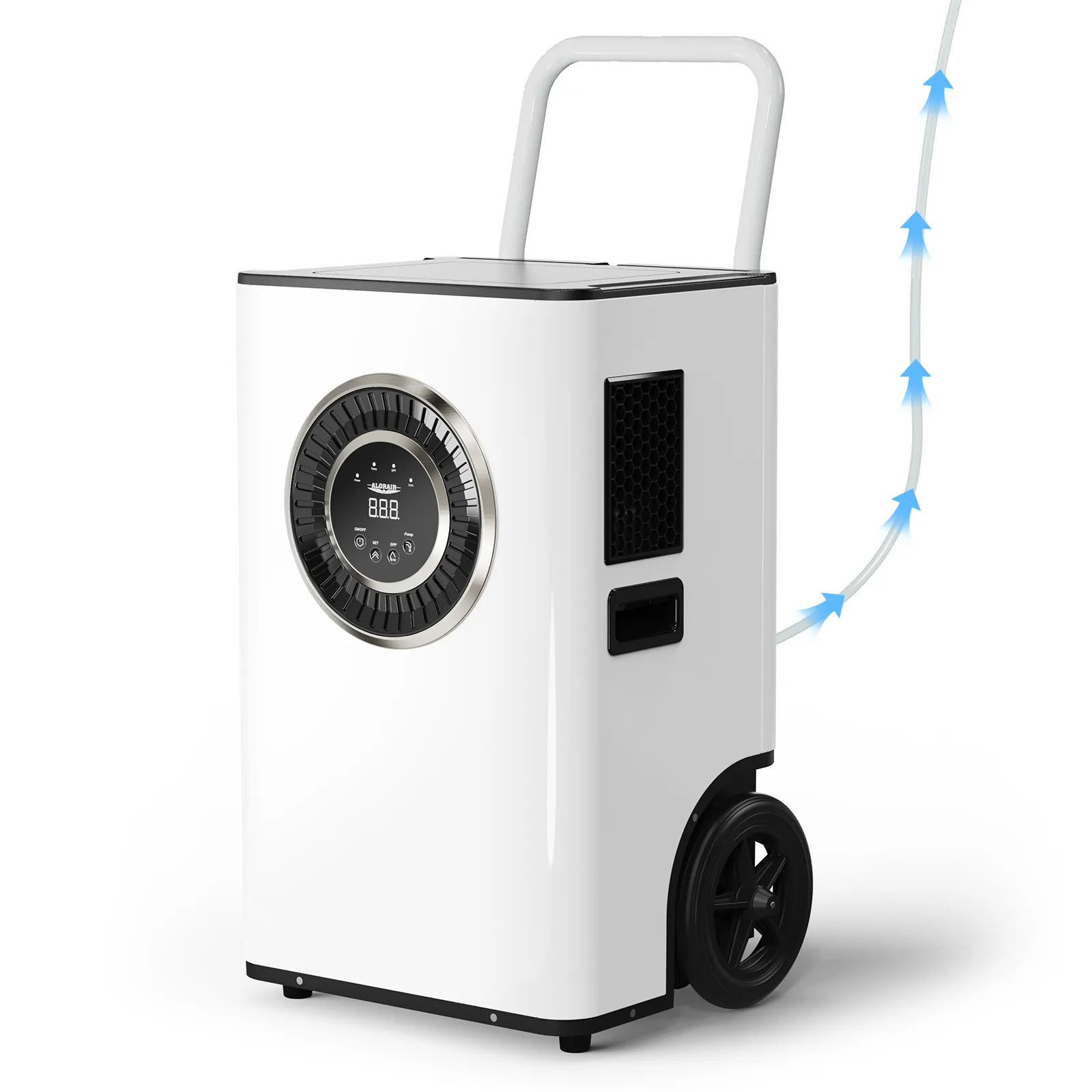
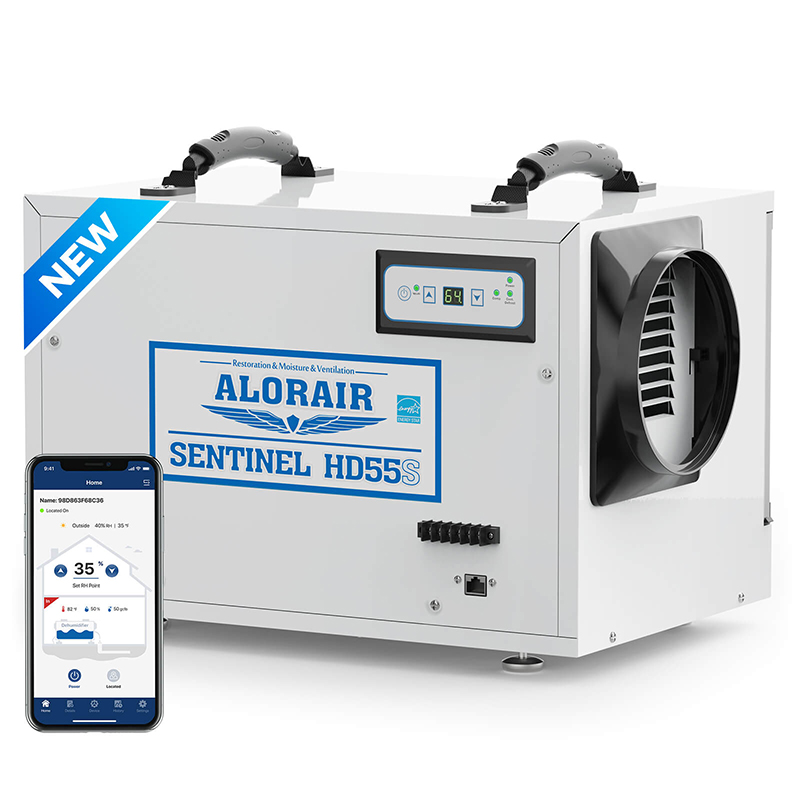
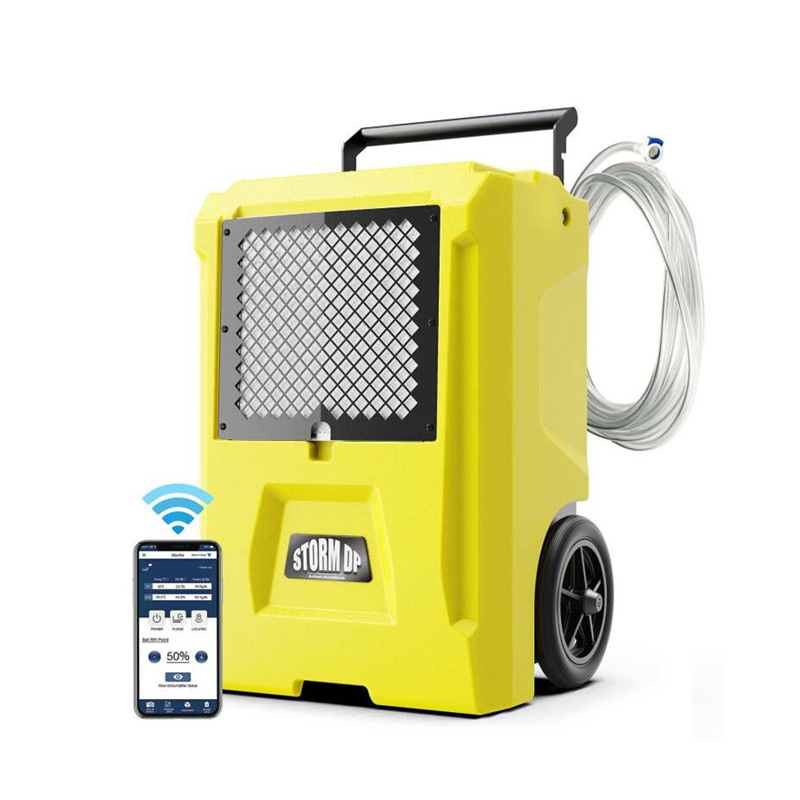
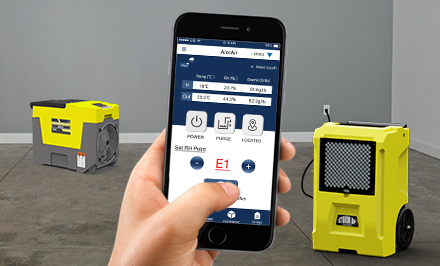
- Control Humidity with a Dehumidifier: Humidity exceeding 60% activates mold activity. Running a dehumidifier in the garage keeps steady moisture levels, particularly after storms or in summer. Modern units like Sentinel HDi65S and Sentinel HD55S with WiFi feature automatic sensors and an app-controlled system that help track real-time humidity levels.
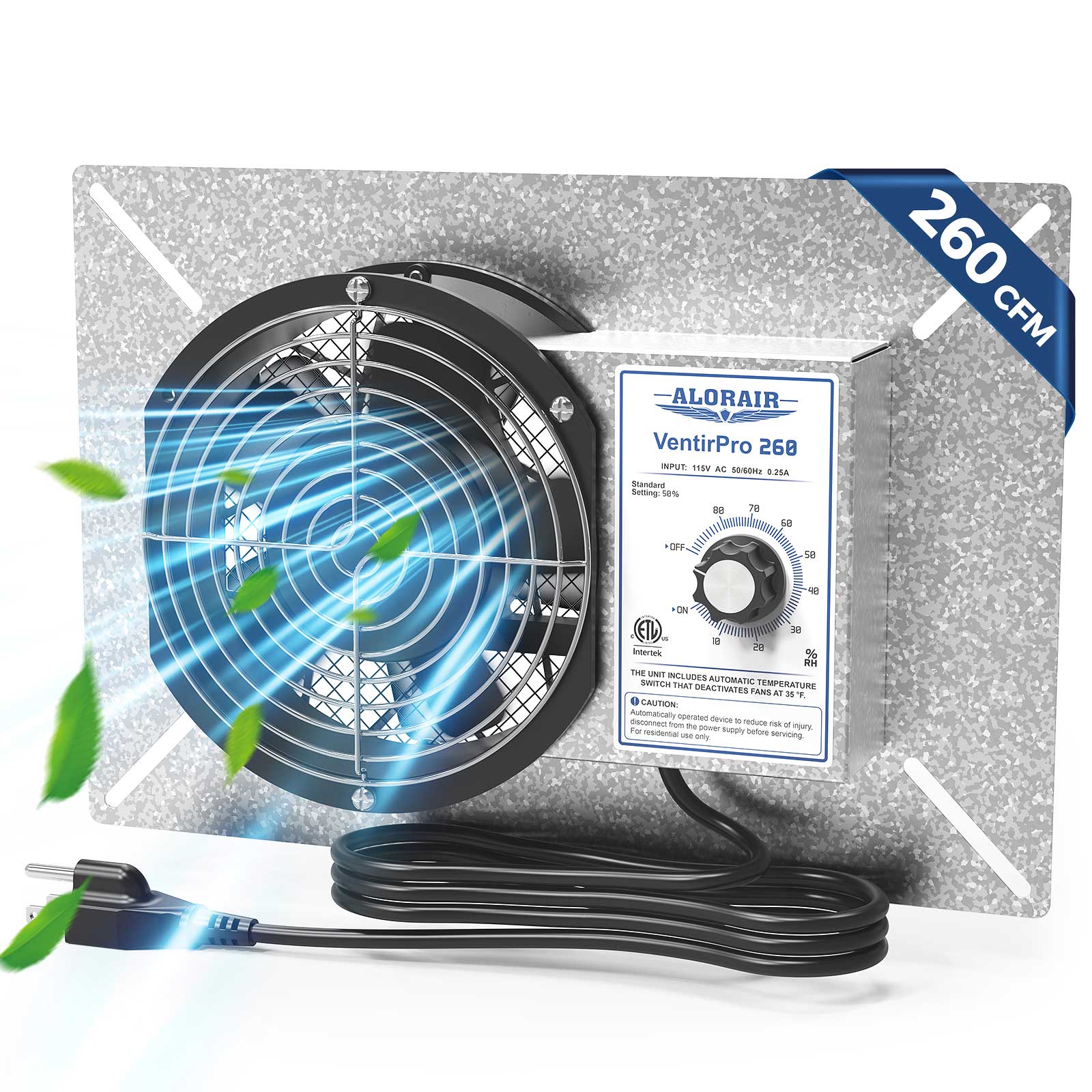
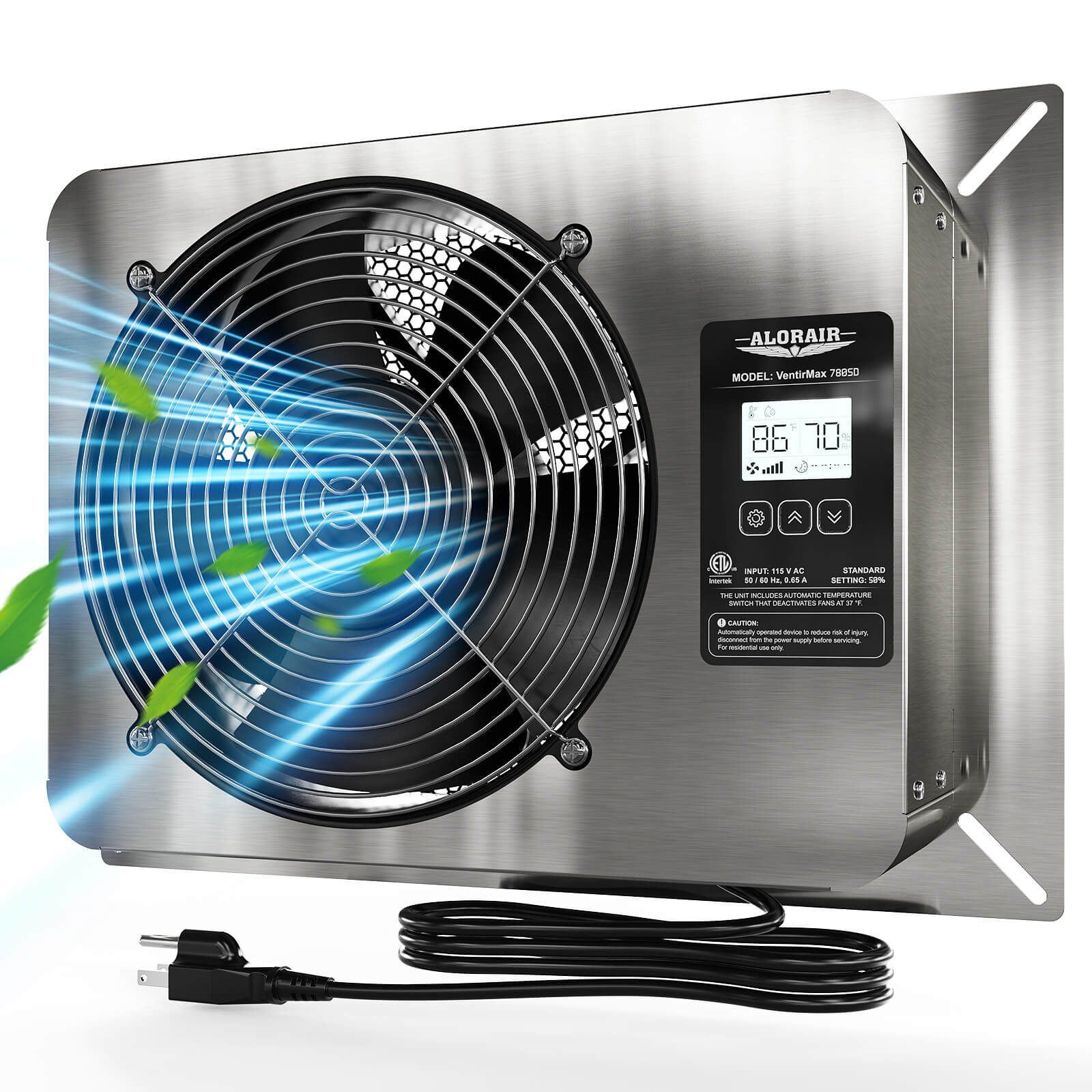
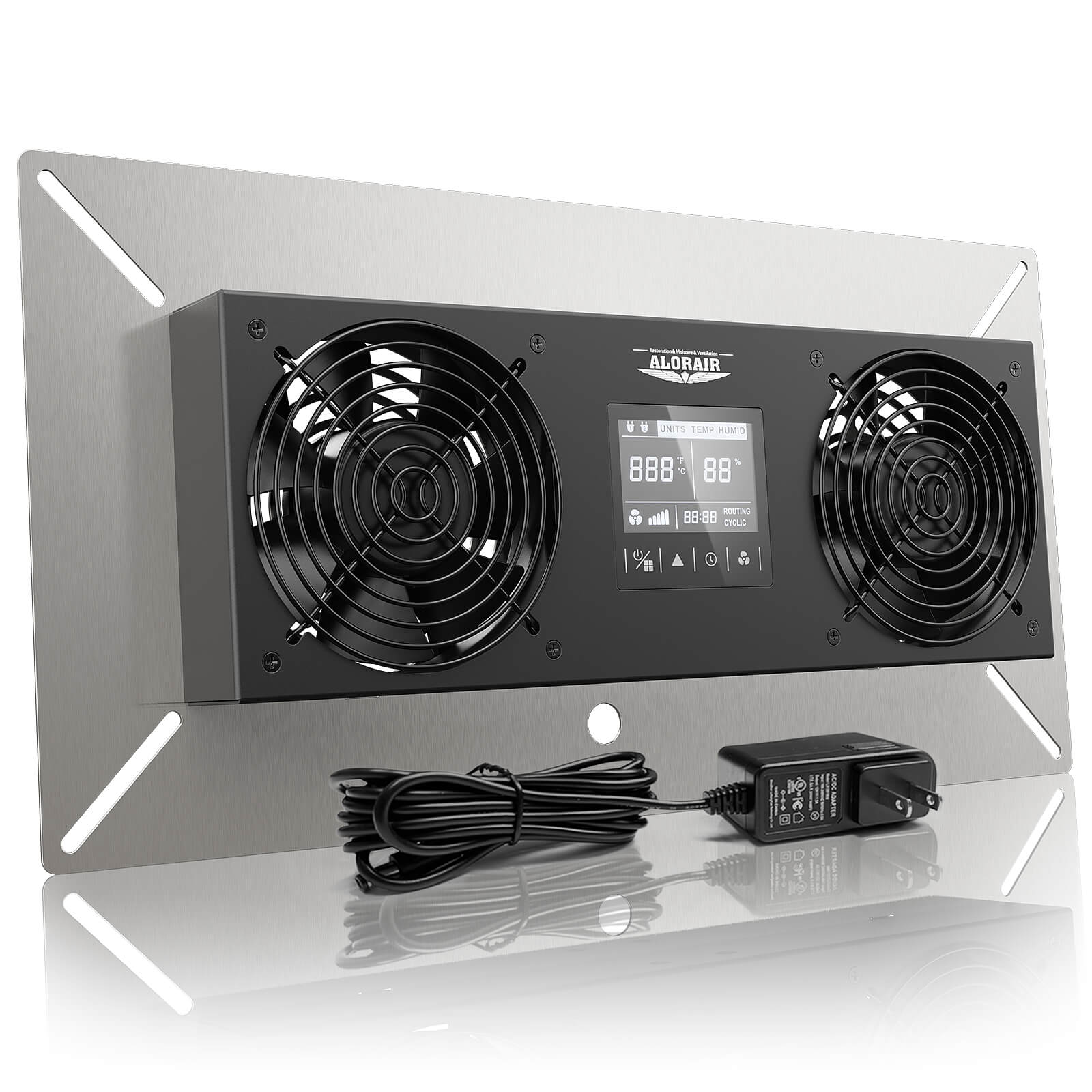
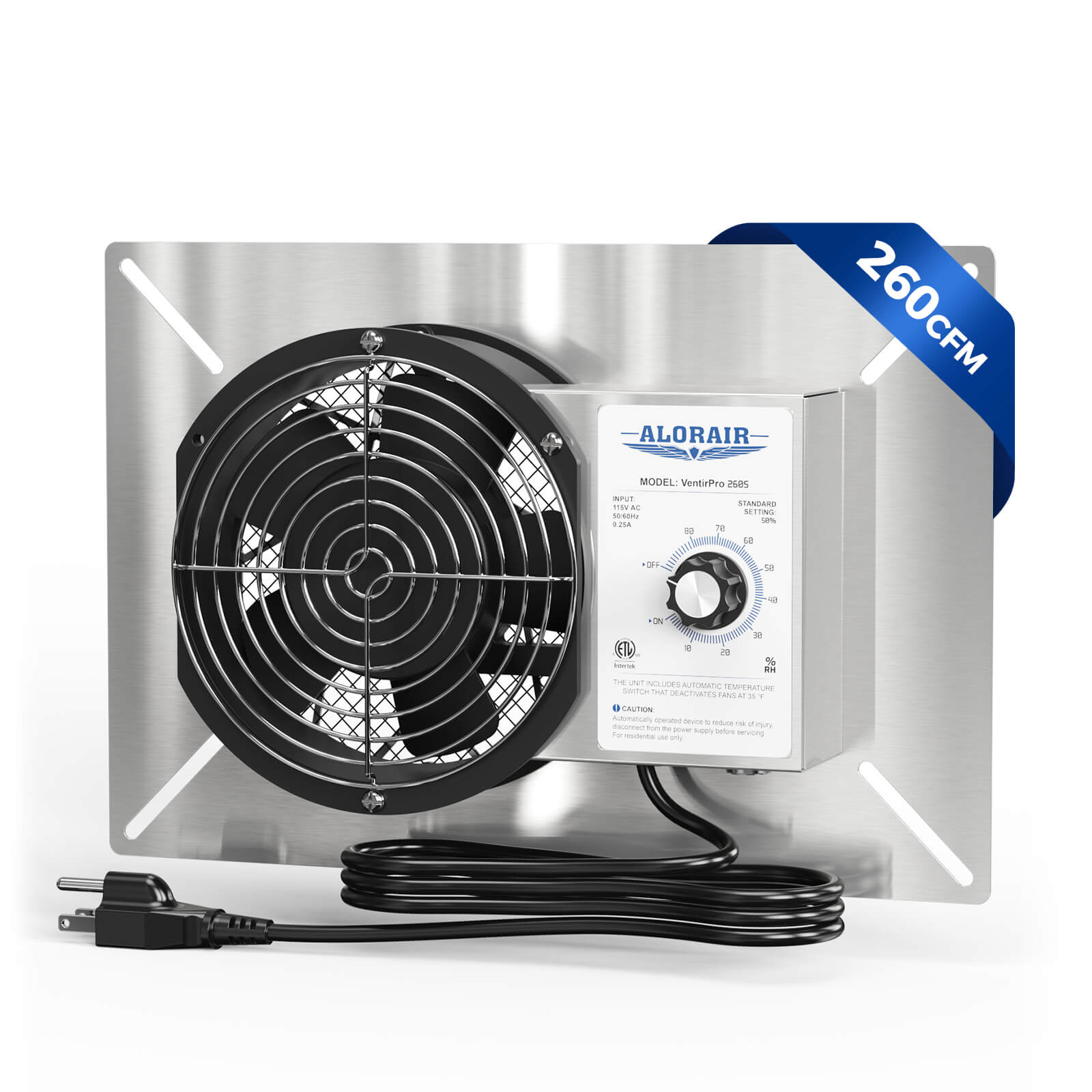
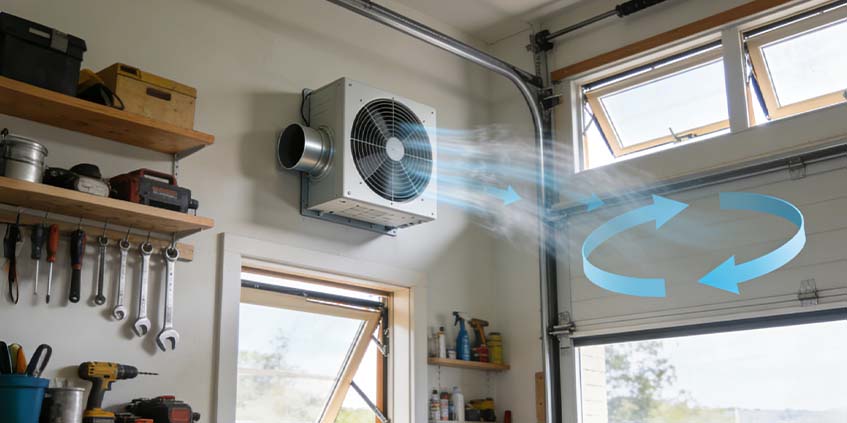
- Improve Ventilation: Install exhaust fans, vents, or leave the garage door a bit open for a brief period to refresh air. Constant air circulation prevents condensation on walls and concrete.
- Fix Structural Issues: Examine ceilings, walls, and door seals for splits and leaks. Repair cracks with waterproof materials to hinder seepage. Additionally, select mold-resistant sealants, drywall, and epoxy-coated floors while remodeling.
- Seasonal Maintenance: Analyze moisture readings through a hygrometer before every season. Clean drains, service the dehumidifier, and change filters when required.
When to Call in a Professional?
Certain garage mold issues exceed conventional cleaning and drying techniques. When the influenced zone surpasses 10 square feet, expert remediation becomes mandatory.
Widespread or Hidden Mold
Mold that pervades several surfaces or inside drywall and insulation requires professional removal.
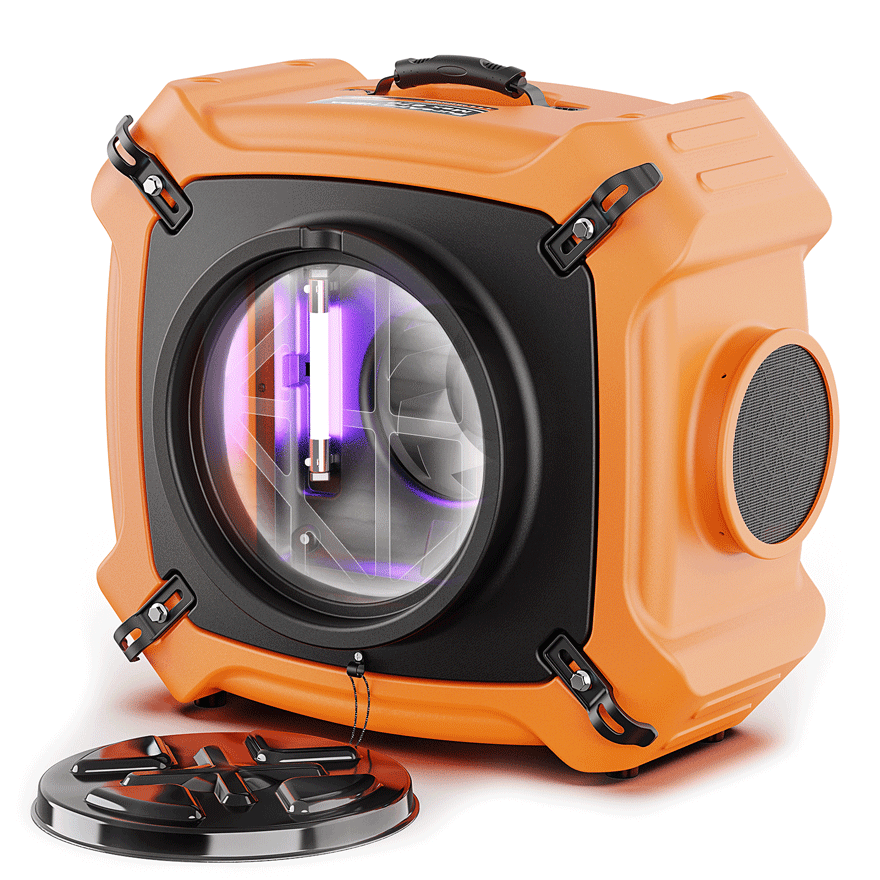
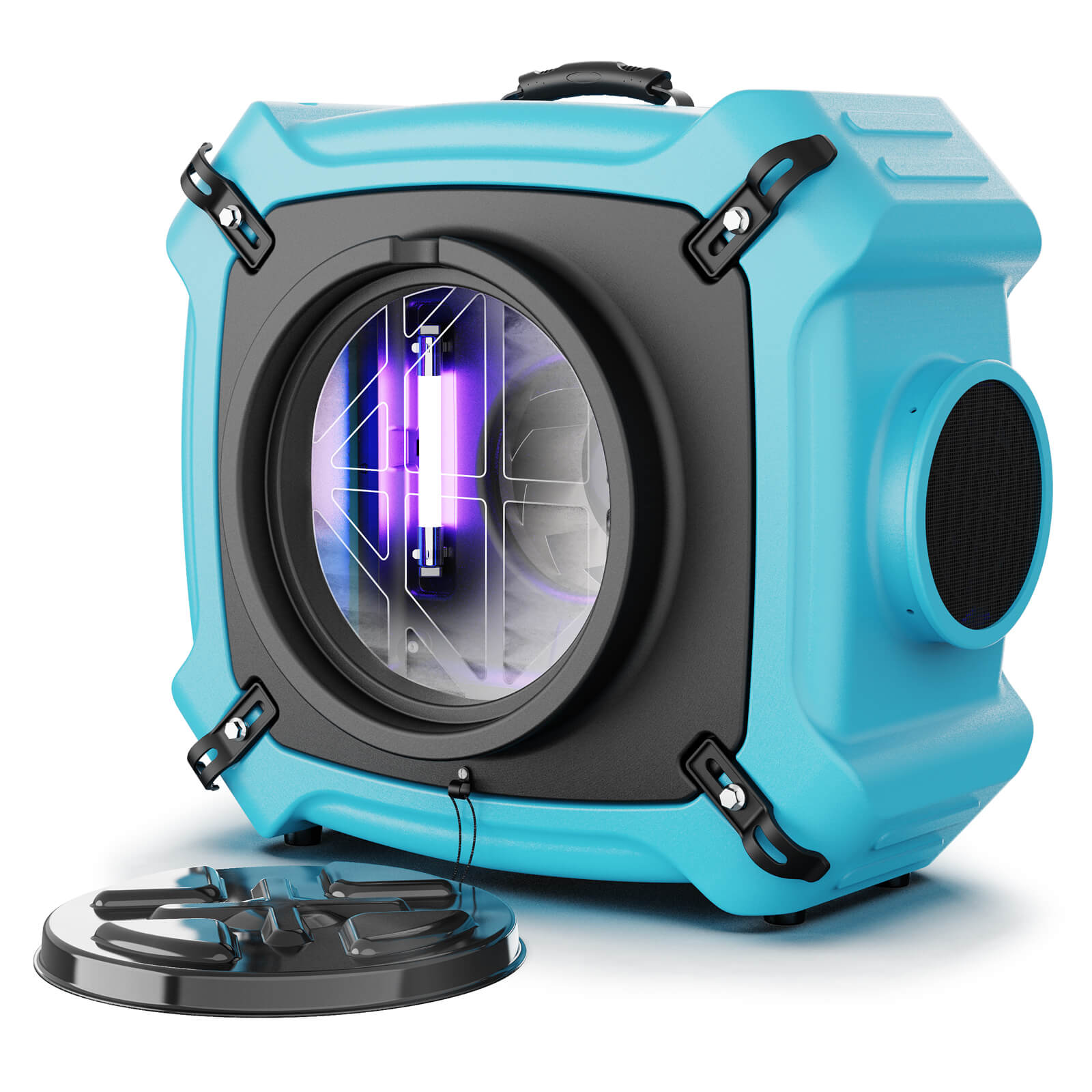
Professionals utilize HEPA filtration and pollution practices to block spores from circulating and recognize invisible humidity sources using modern equipment.
Repetitive or Structural Issues
Moreover, when mold returns after cleansing, ventilation issues or unseen leaks are expected. Experts can pinpoint and repair these problems and recommend investing in a dehumidifier for durable protection.
Health Concerns
Besides, when mold leads to allergy outbreaks, respiratory or asthma irritation, quick inspection is required. Germs from a humid garage can spread into living areas and impact indoor air quality.
Safeguard Your Garage with AlorAir!
It will be challenging for mold to grow when there is reduced humidity in the garage. For this, trust AlorAir that delivers top-tier dehumidifiers engineered for basements, garages, whole-house, and workshops. Every model brings robust construction, energy-efficient activity, and smart humidity controls for yearlong performance. Visit AlorAir today and explore its wide range of dehumidifiers for a dry, clean, mold-free garage.
