





-(1).png)
.jpg)
.jpg)
.jpg)
.HDi90.png)
.HD90.png)
.jpg)
.jpg)
.jpg)
.jpg)
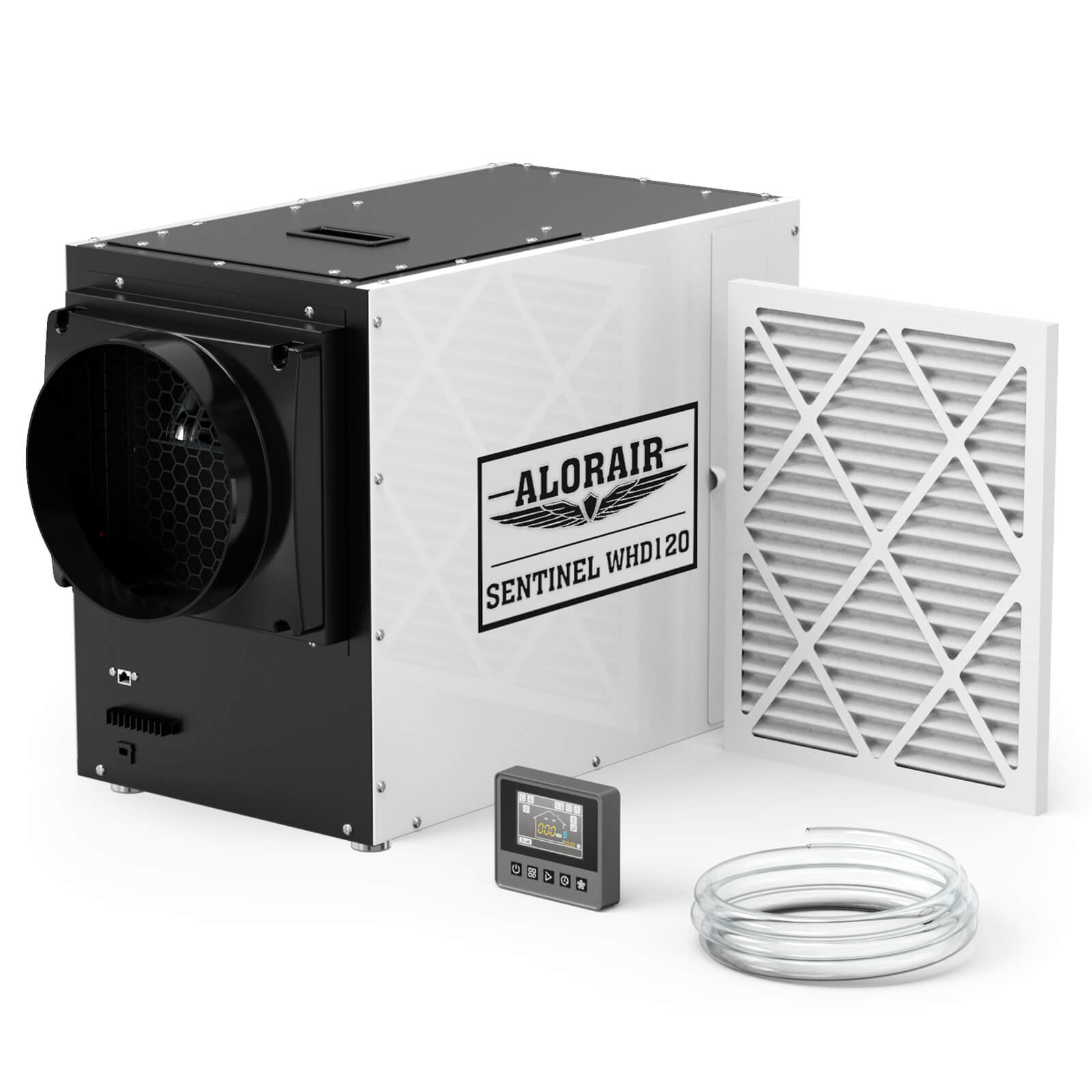
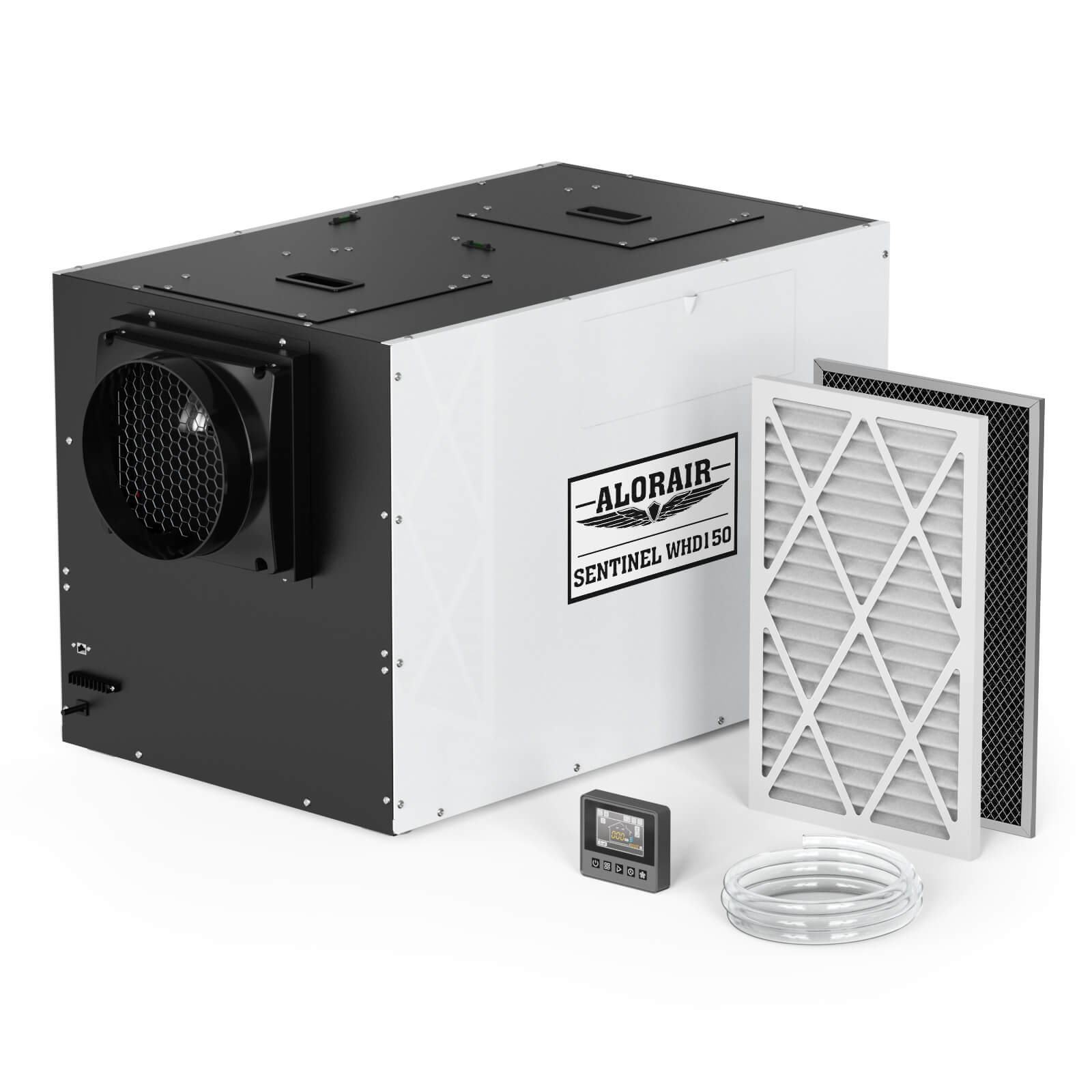
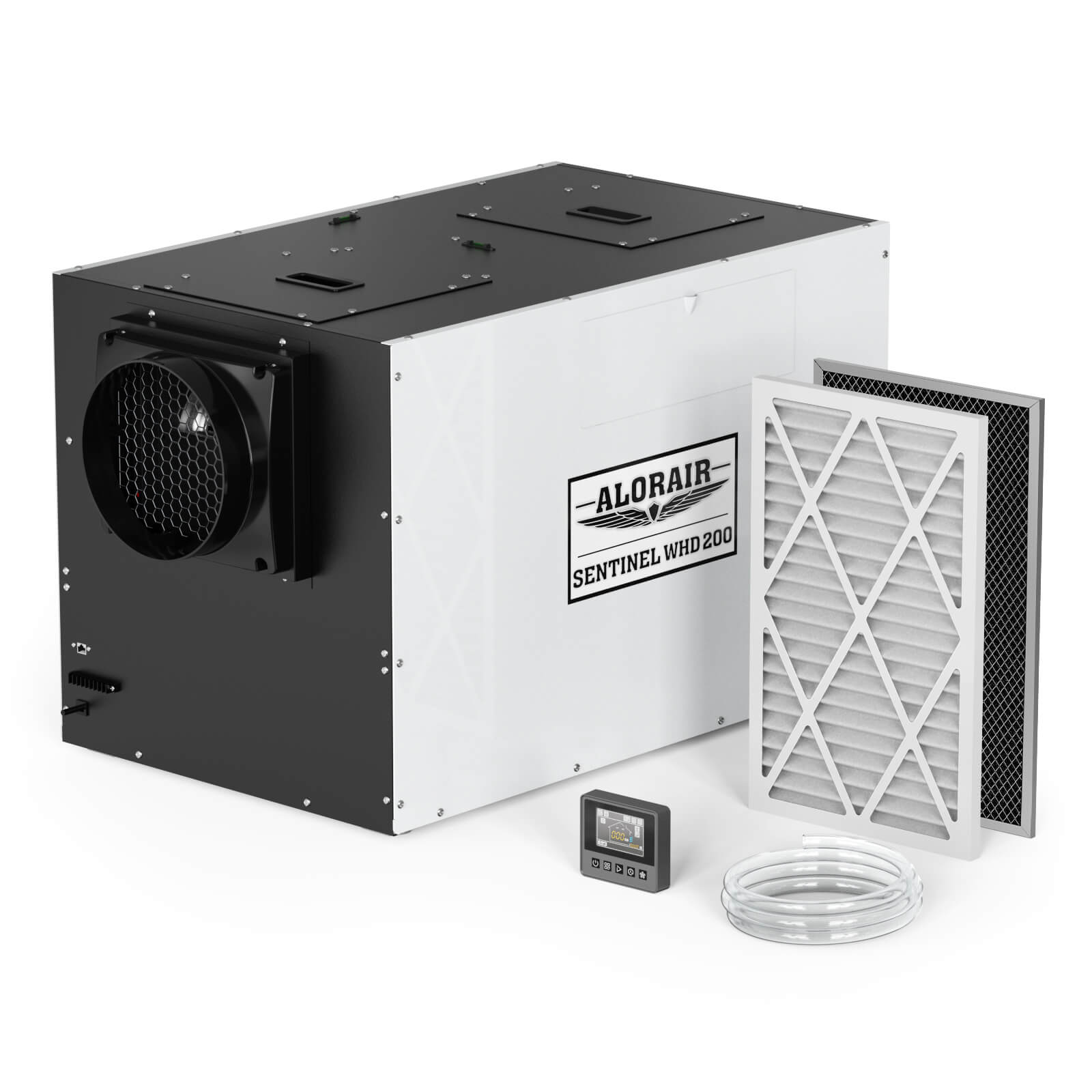
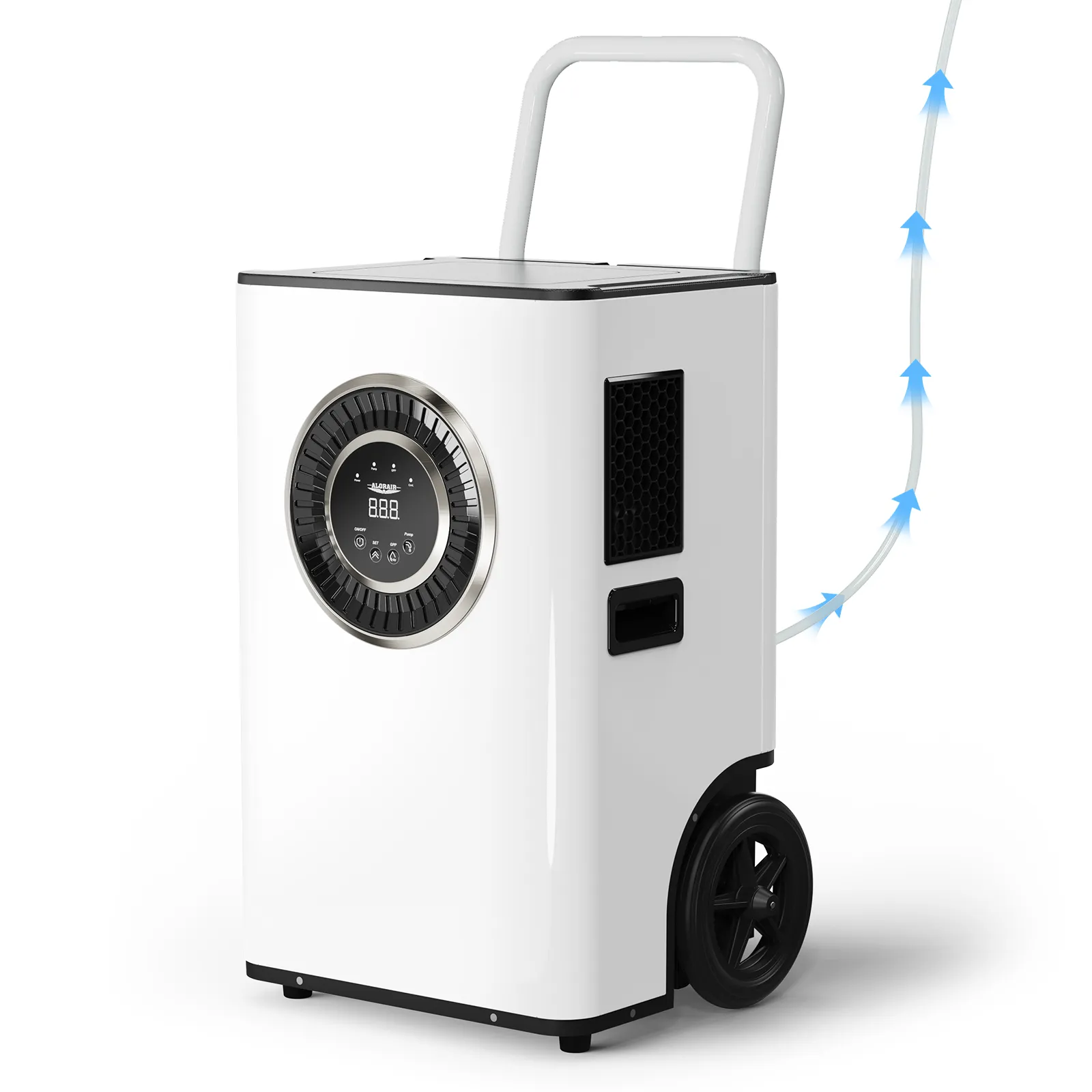
.jpg)
.jpg)
.jpg)
.jpg)
.jpg)

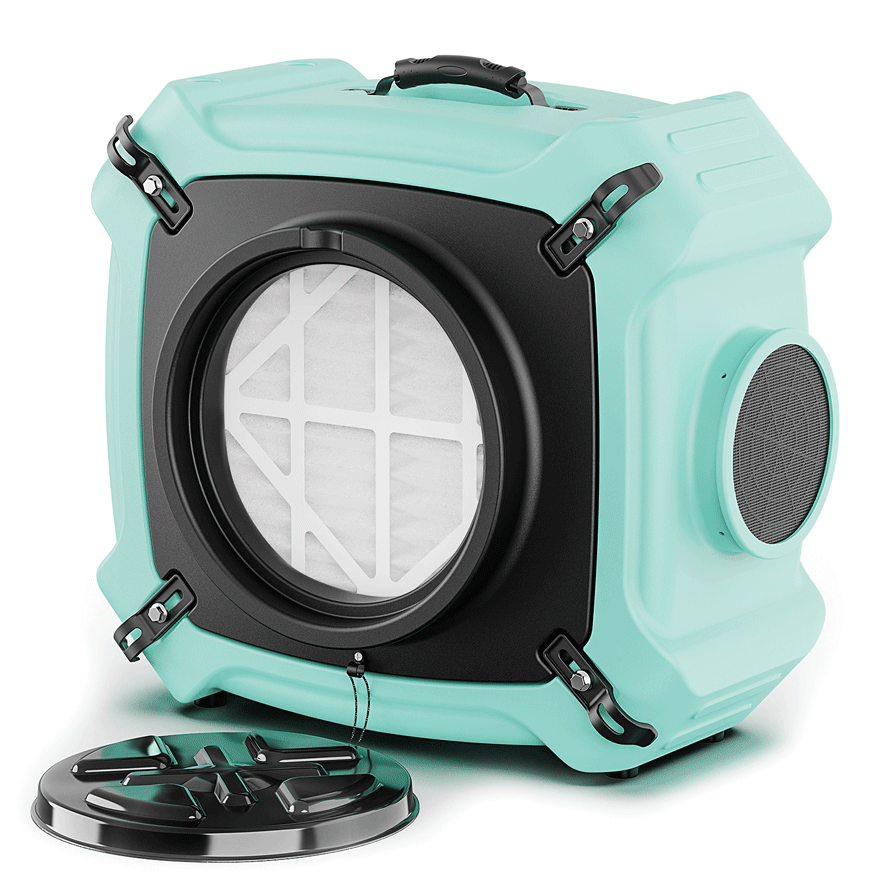
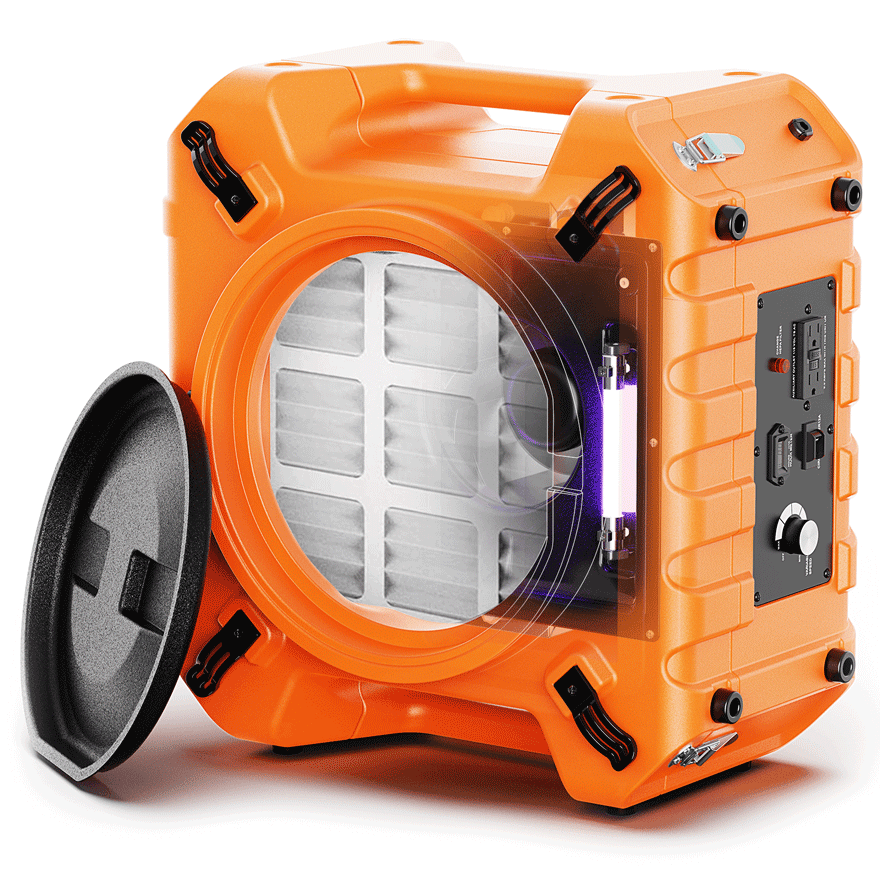
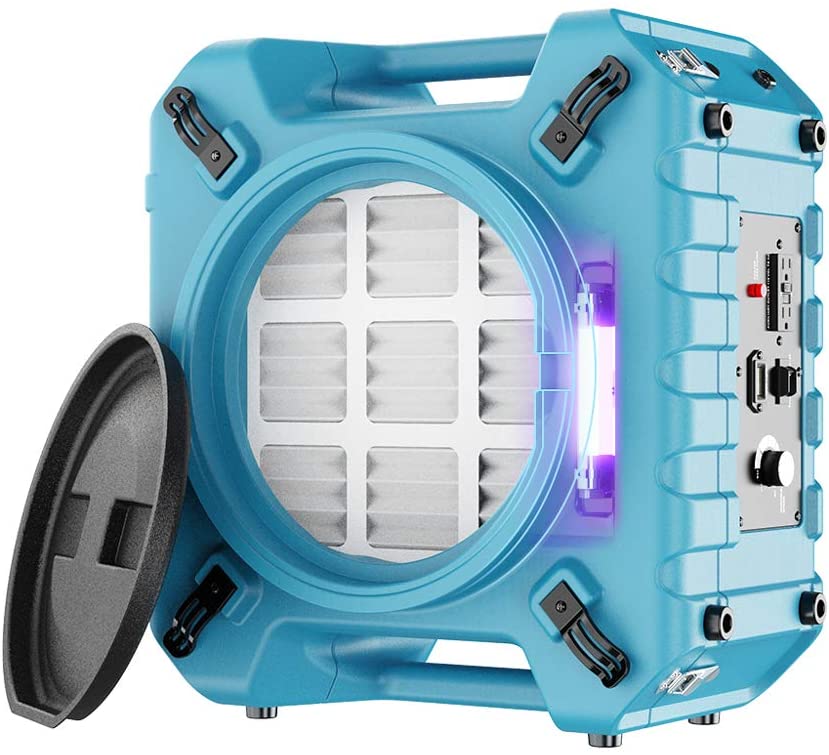
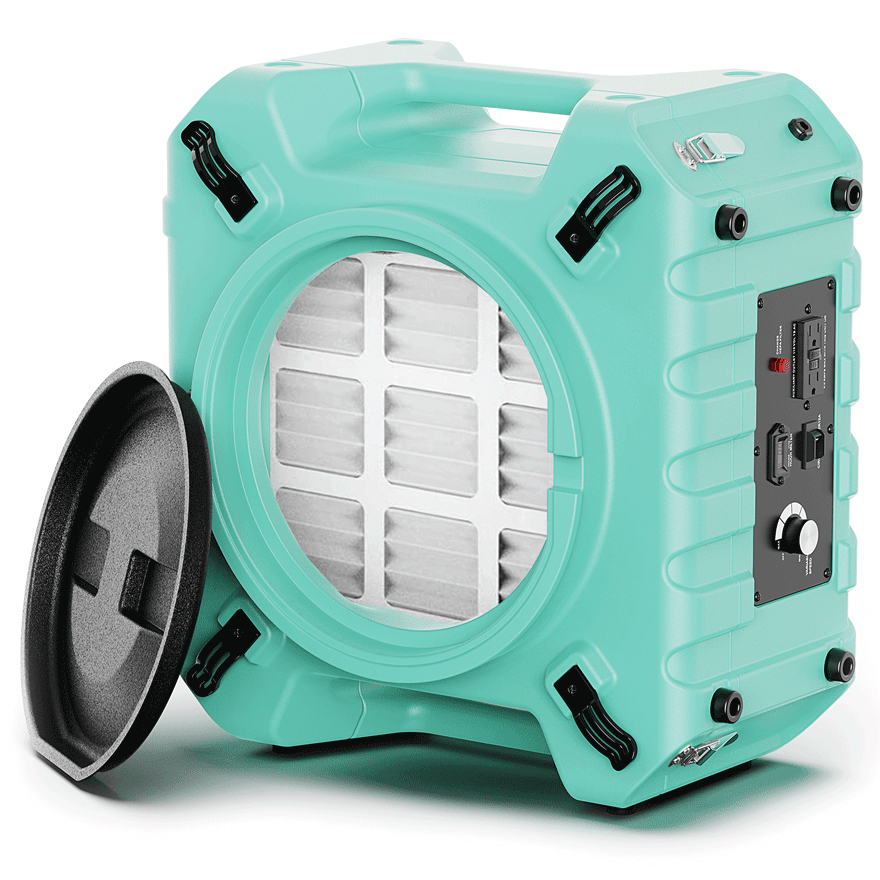
.jpg)
.jpg)
.jpg)
.jpg)
.webp)
.webp)
.webp)
.webp)
.jpg)
.jpg)
.jpg)
.jpg)
.jpg)
.jpg)
.jpg)
.jpg)
.jpg)
.jpg)
.jpg)
.jpg)
.jpg)
.jpg)
.jpg)
.jpg)
.jpg)
.jpg)
.jpg)
.jpg)
.jpg)
.jpg)
.jpg)
.jpg)
.jpg)




-.jpg)
.jpg)
.jpg)
.jpg)























 Exclusive offers
promotions
Exclusive offers
promotions

Did you know that the dampness and steam from your long, extravagant showers can ruin your air quality? Indeed, apart from when you have a bathroom exhaust fan. Modern houses have an airtight structure for energy efficiency, which comes with less natural air circulation. So, without efficient exhaust, smells, steam, and excessive humidity stay longer. However, a high-quality, quiet bathroom exhaust fan extracts damp air and protects surfaces. Today’s guide discusses 5 essential buying tips for 2025 that assist you in selecting the correct sizing, features, and installation for a bathroom fan that survives.
Below are five factors to consider while buying a bathroom fan:
- Bathroom fan size
- Noise level
- Energy efficiency and smart features
- Installation
- Maintenance
- Airflow design and Aesthetic integration
Tip 1: Match the Fan Size to Your Bathroom Space
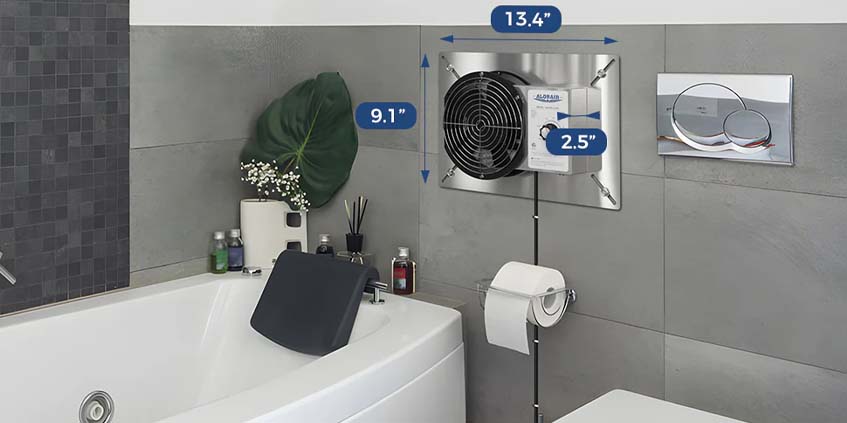
Choosing the correct bathroom exhaust fan sizes guarantees that you obtain sufficient ventilation in the area. Bathroom fan sizing and rating are done according to their capacity to move air in CFM (cubic feet per minute).
CFM calculates the amount of air a bathroom fan carries. A fan with very low CFM leaves smells and humidity behind, and a big fan can generate needless noise and greater energy usage.
How to calculate the correct size?
An easy rule: multiply the square footage of the bathroom by 1.1 to get the needed CFM. For instance, a 100 sq ft bathroom requires about 110 CFM.
When a fan operates low, humidity sticks to mirrors, walls, and ceilings. According to a Science Direct study on bathroom ventilation, proper air circulation notably lowers moisture peaks and evident condensation.
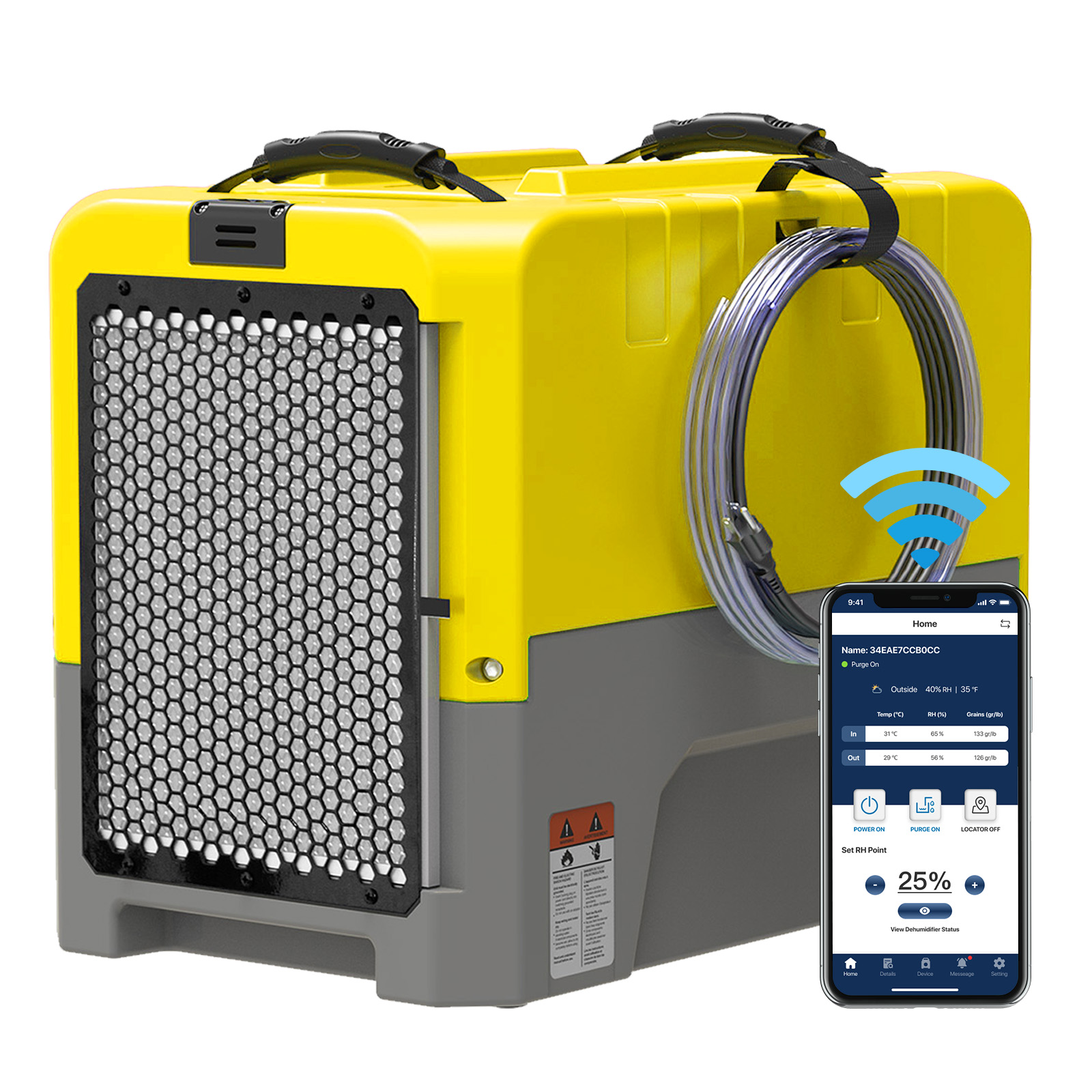
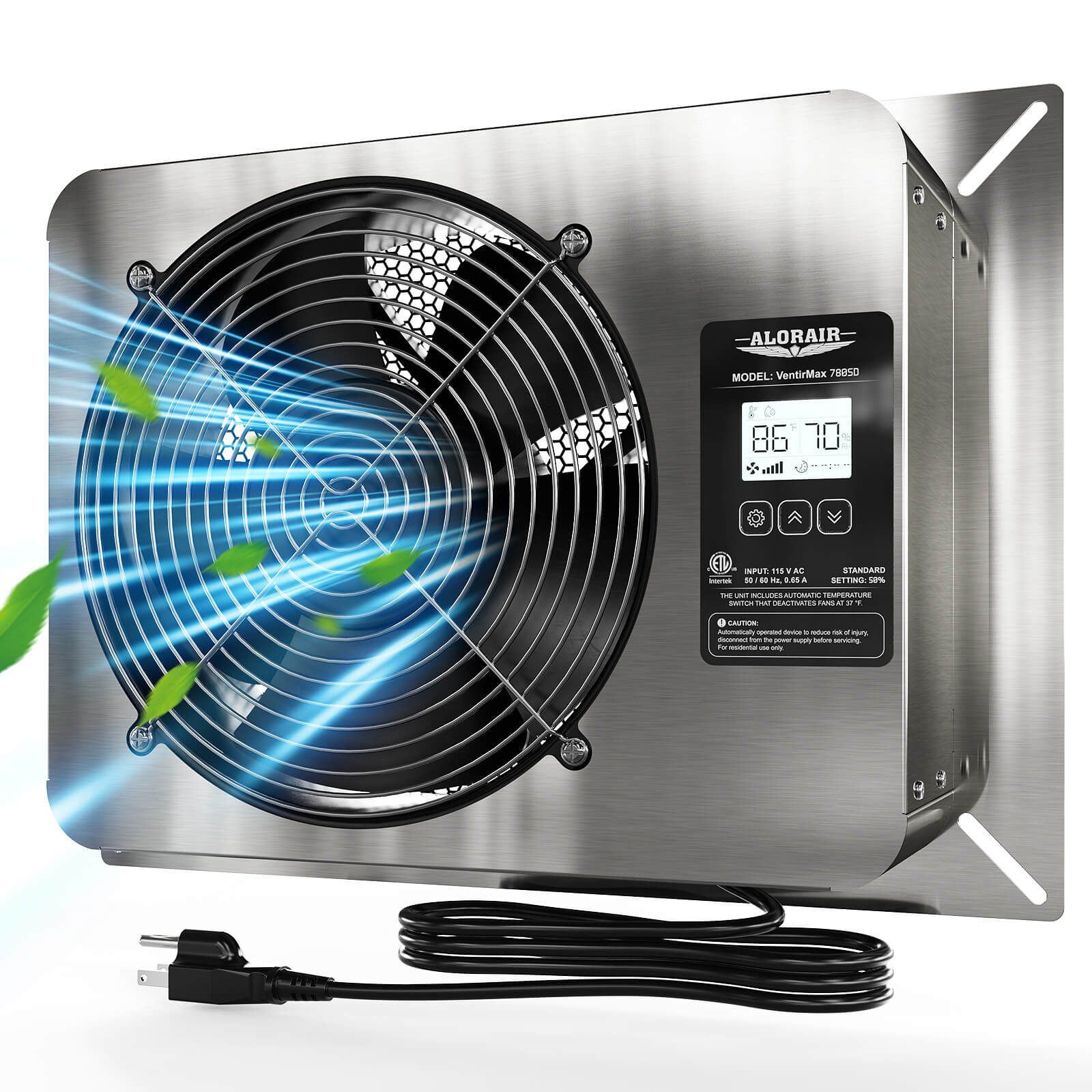
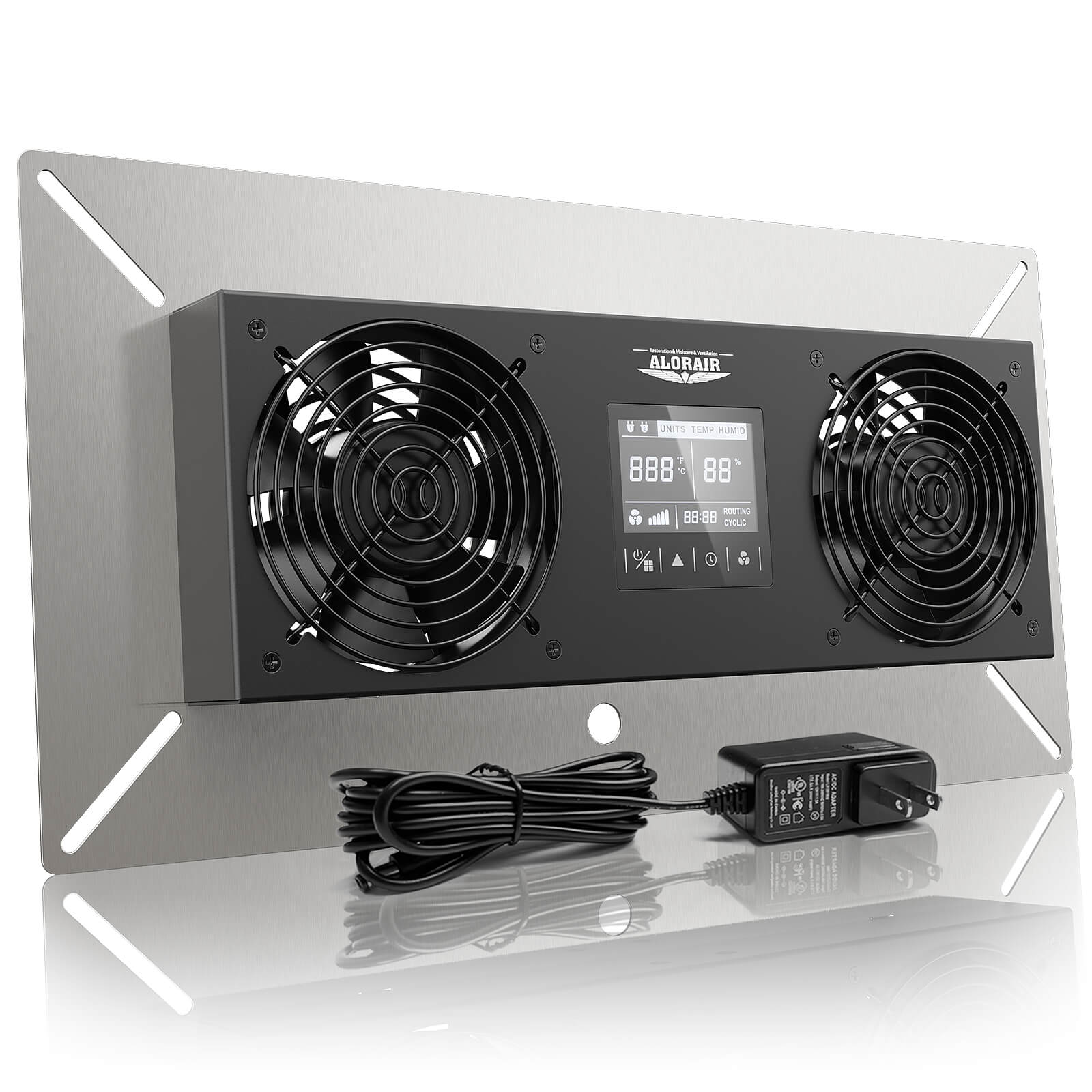
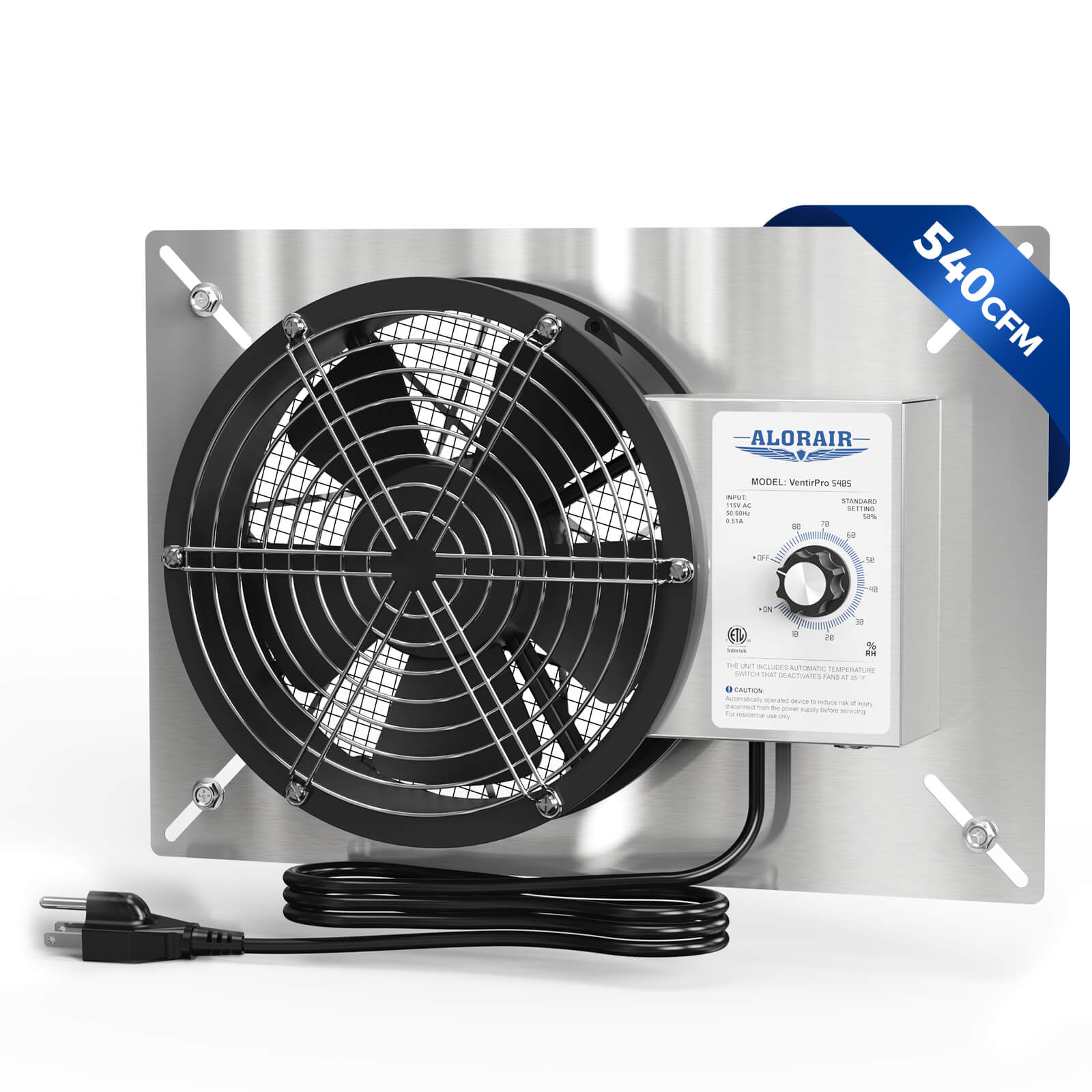
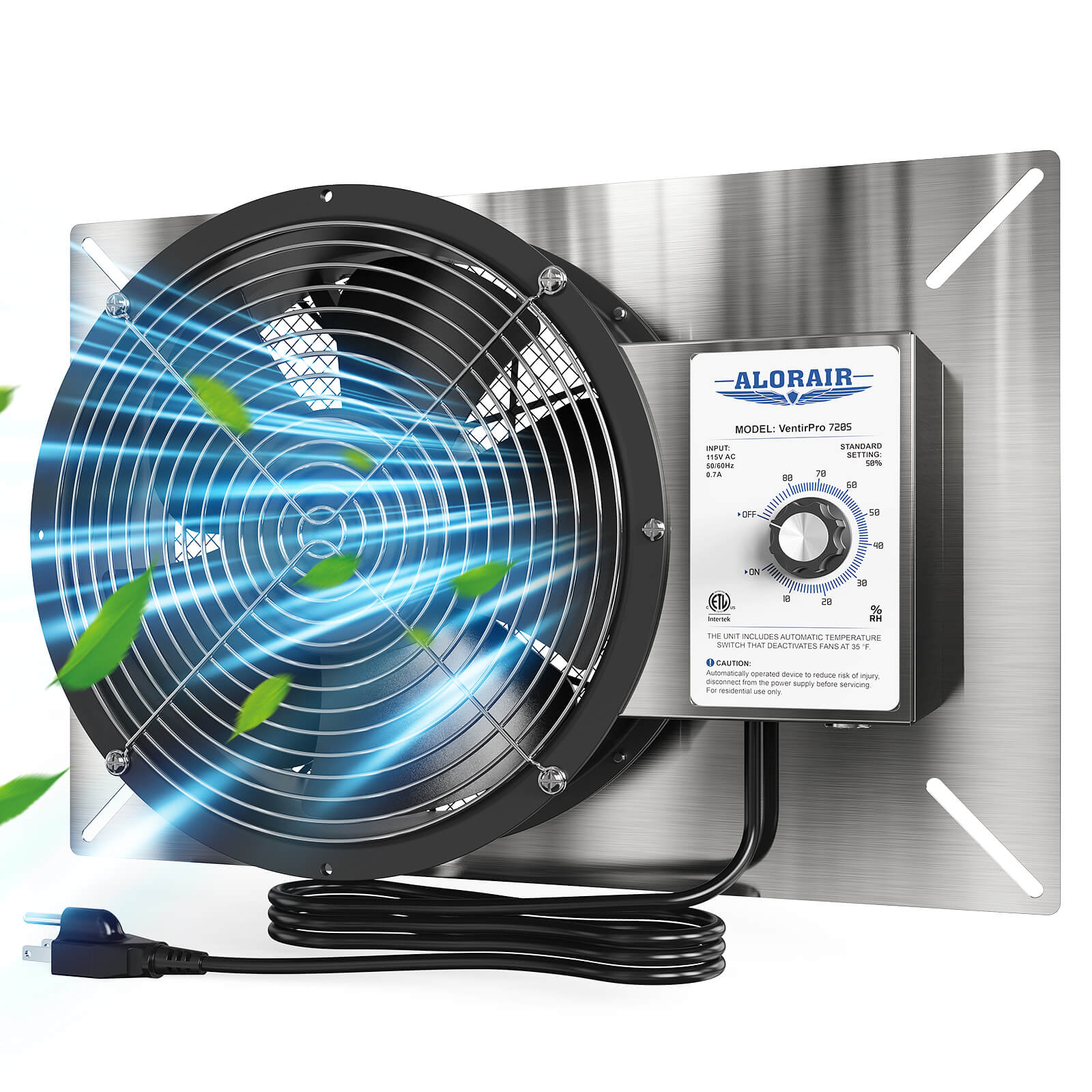
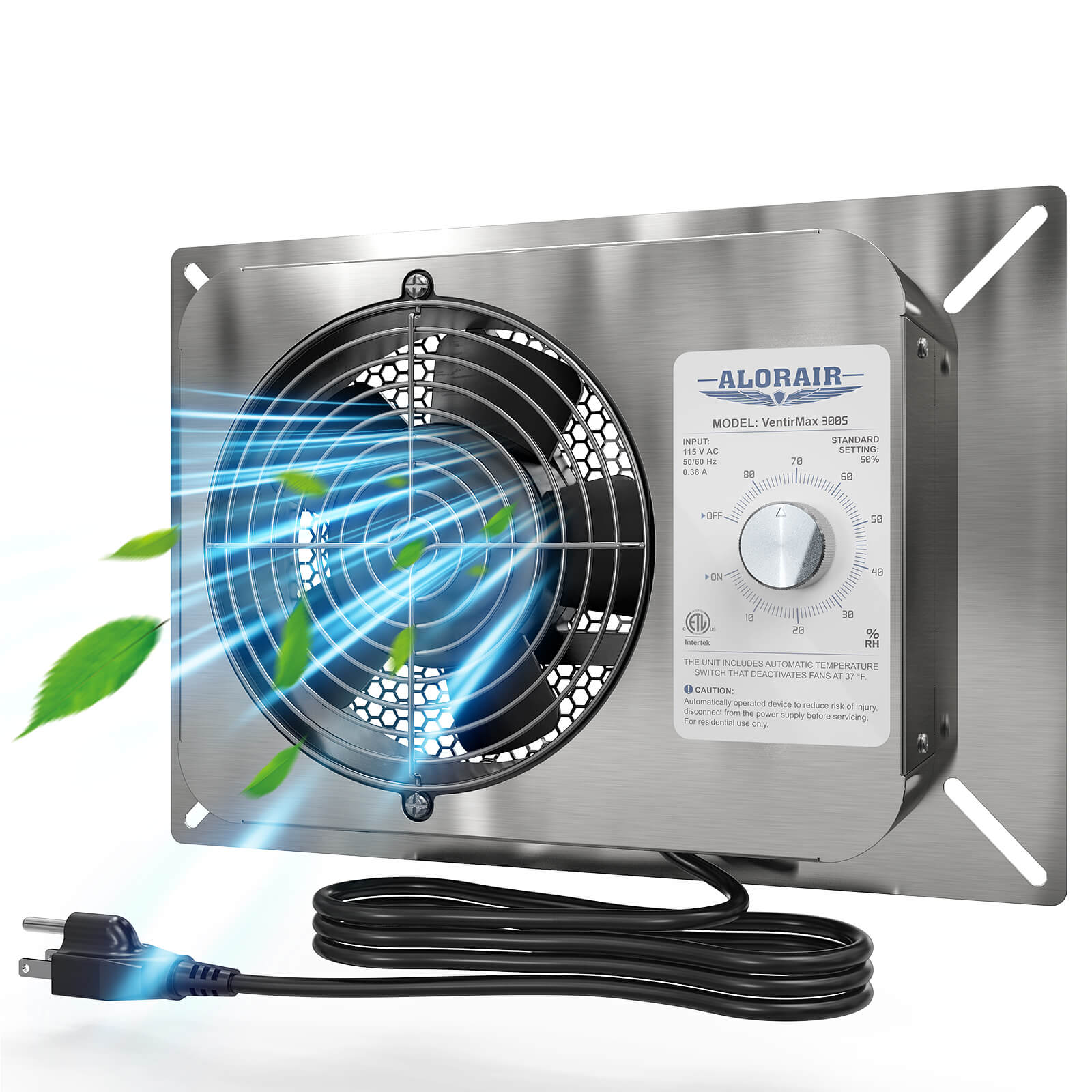
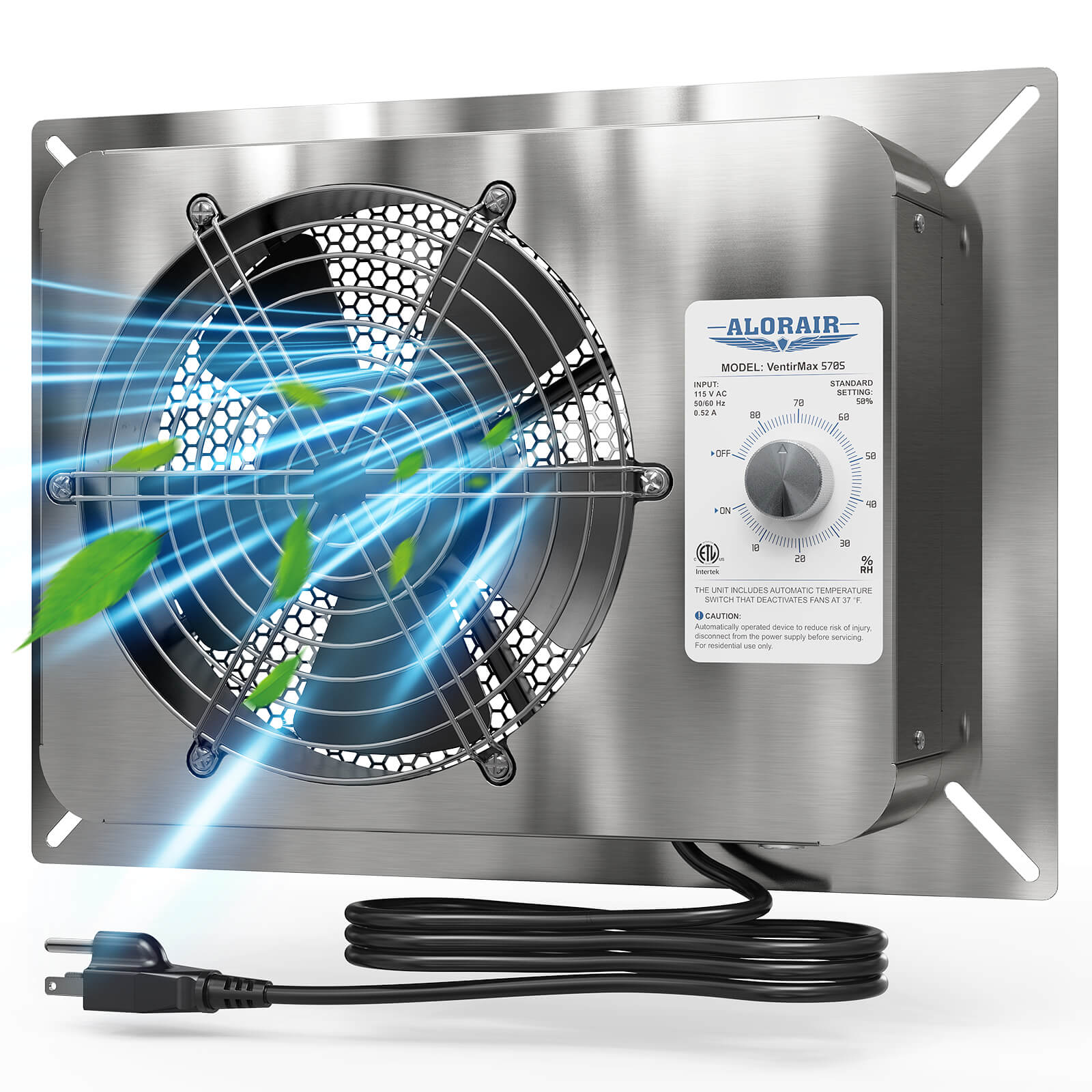
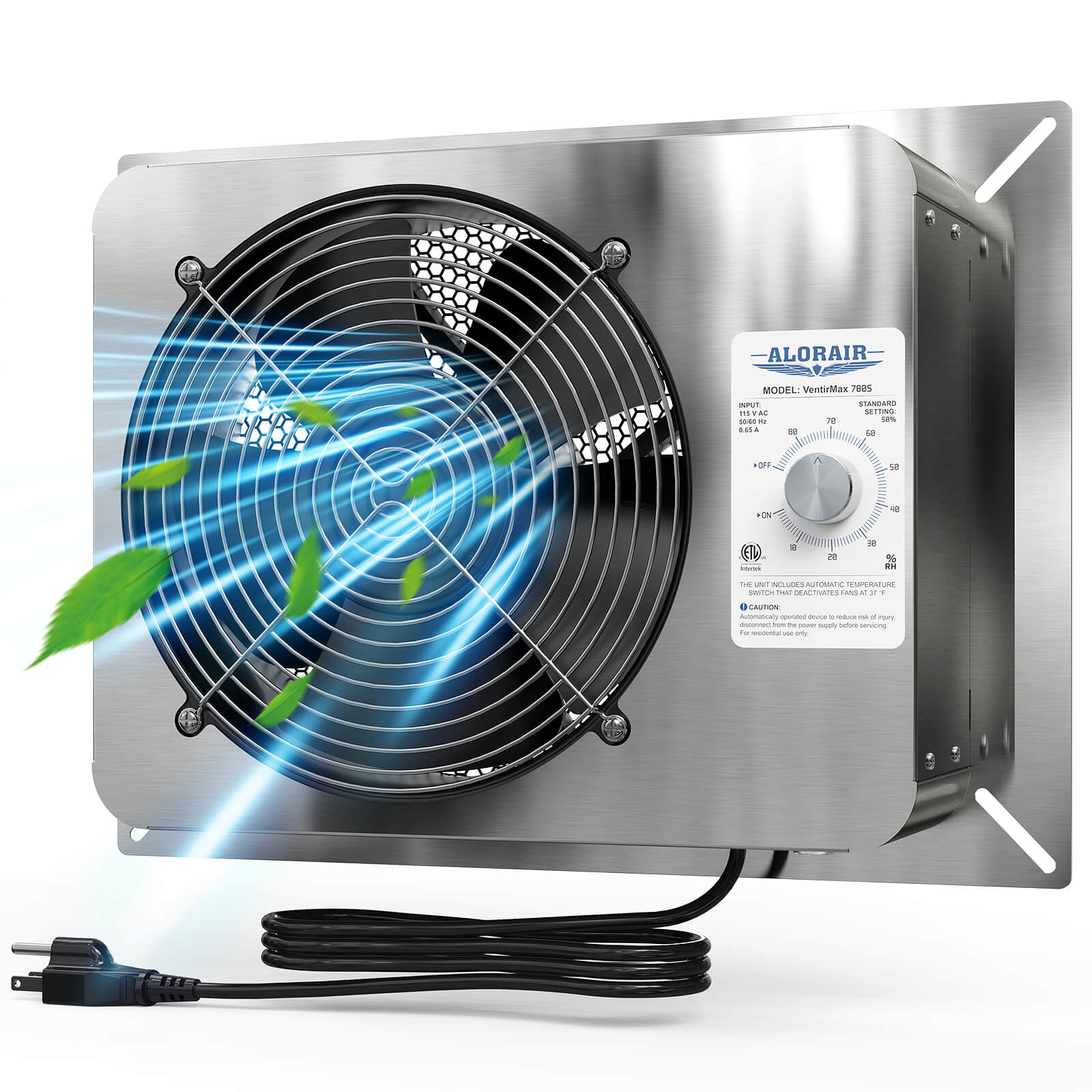
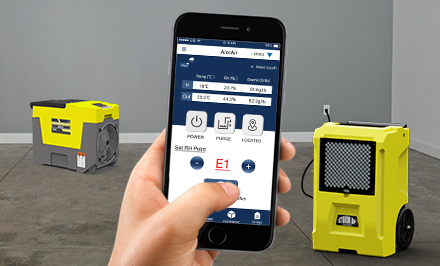
Moreover, the latest models, like those from AlorAir, include knob control panels, built-in dehumidifiers, and sensors that increase airflow as humidity spikes, then scale down during idle times. Such features help achieve steady ventilation without overspending.
Tip 2: Prioritize Noise Levels and Comfort
You might ignore a loud fan briefly, but fans that resonate like jet engines can impact your usage and comfort. Several homeowners quit running their ventilation tool as it is very loud, allowing humidity to increase again.
The Home Ventilating Institute (HVI) reveals that fans rated at 4.0 sones or further generate noise similar to a conversation or television. “Sones” is an estimation of how loud a fan sounds to the human ear. A level of 1.0 sone makes the hum of a refrigerator; 2.0 sones makes the sound of a quiet office.
Target for a quiet bathroom exhaust fan below 2 sones for a peaceful bathroom. A fan you leave on minimizes moisture, mildew, and humidity damage. A quiet bathroom fan facilitates this effect by encouraging constant usage.
Tip 3: Look for Energy Efficiency and Smart Features
Bathroom fans that operate regularly must not increase your electricity bill. According to the United States Department of Energy, former fans can waste considerable energy if they are without modern controls.
Therefore, search for the Energy Star label; these units fulfill clear efficiency targets for both motor and control systems. Energy Star bathroom fans specifically consume 70% less energy compared to standard non-Energy Star units.
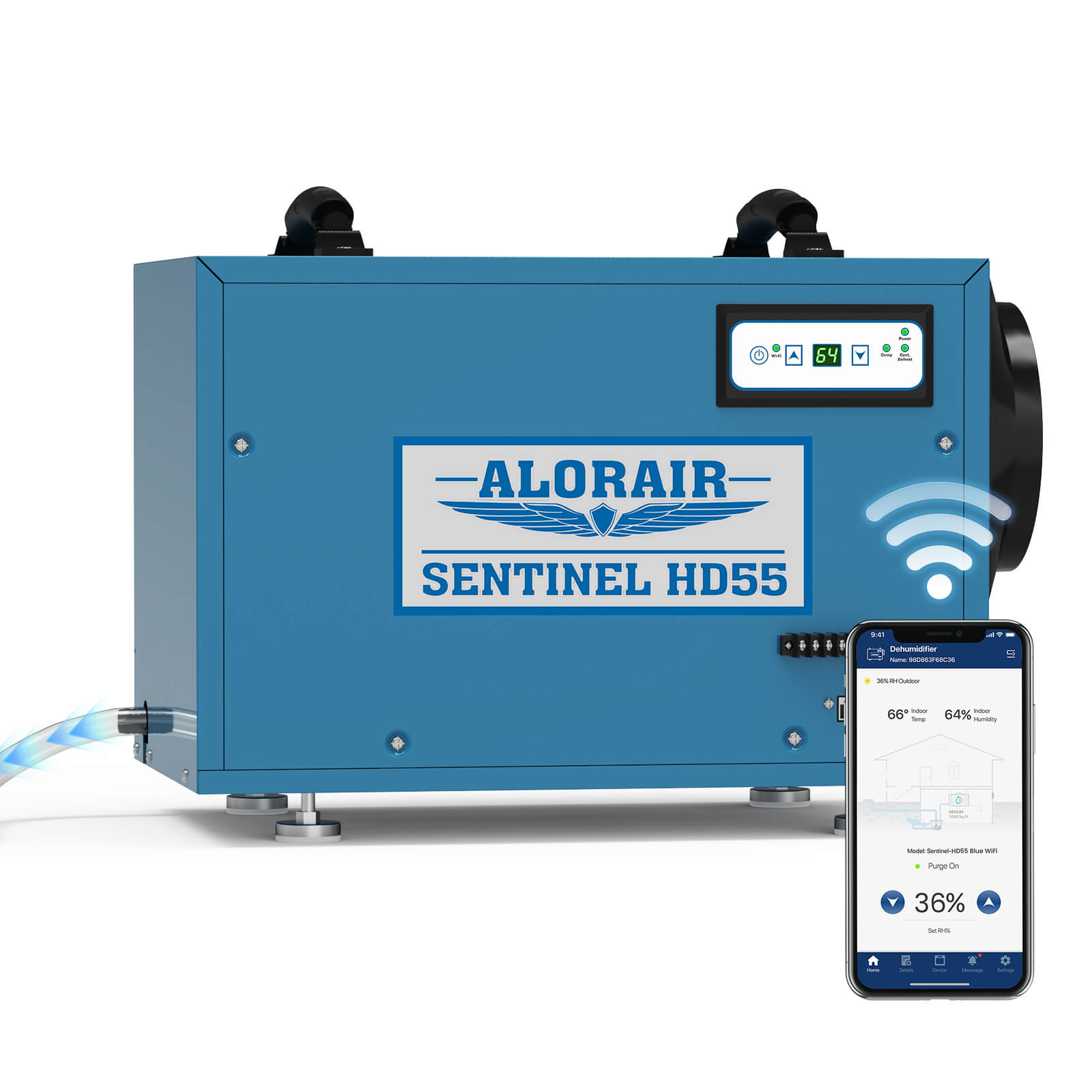
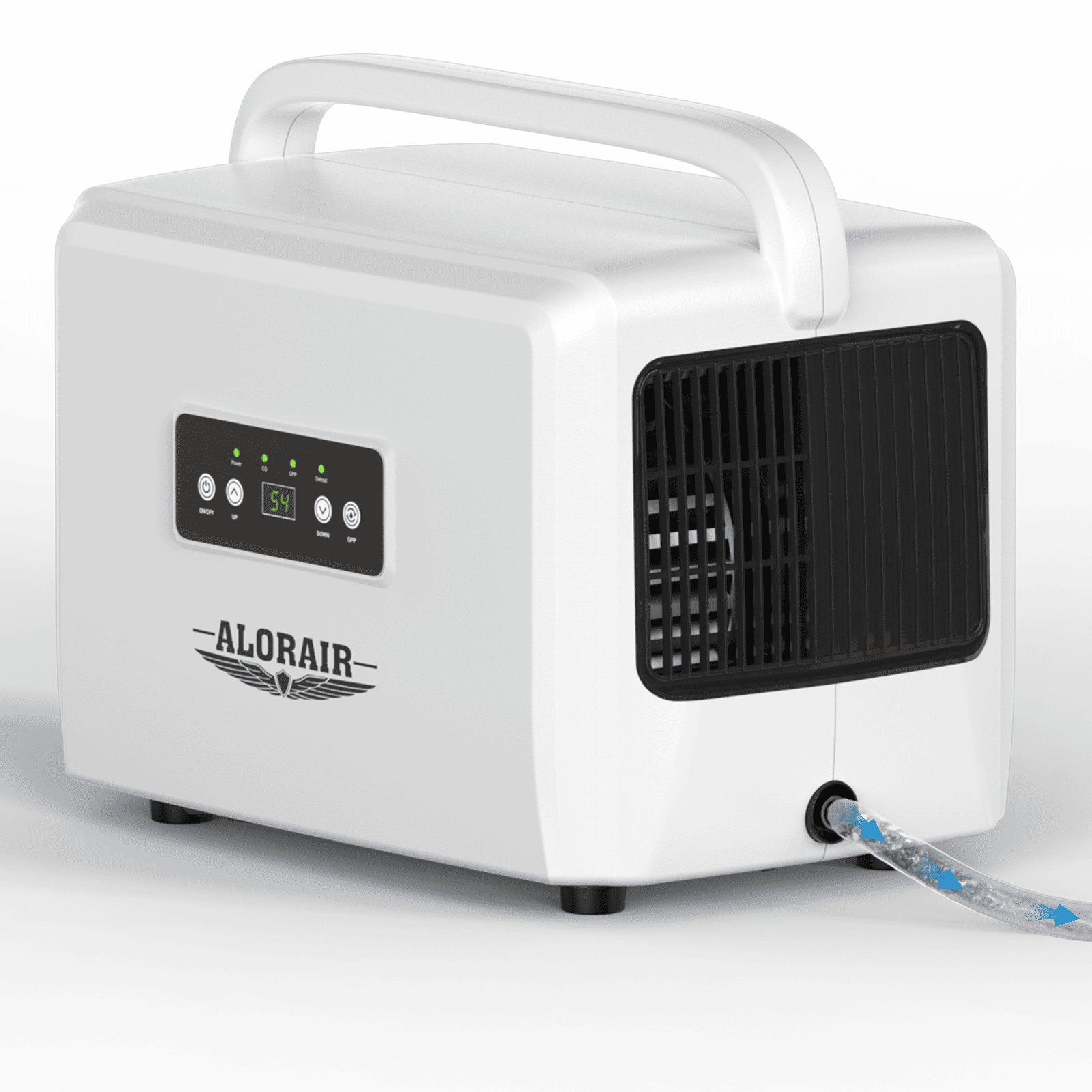
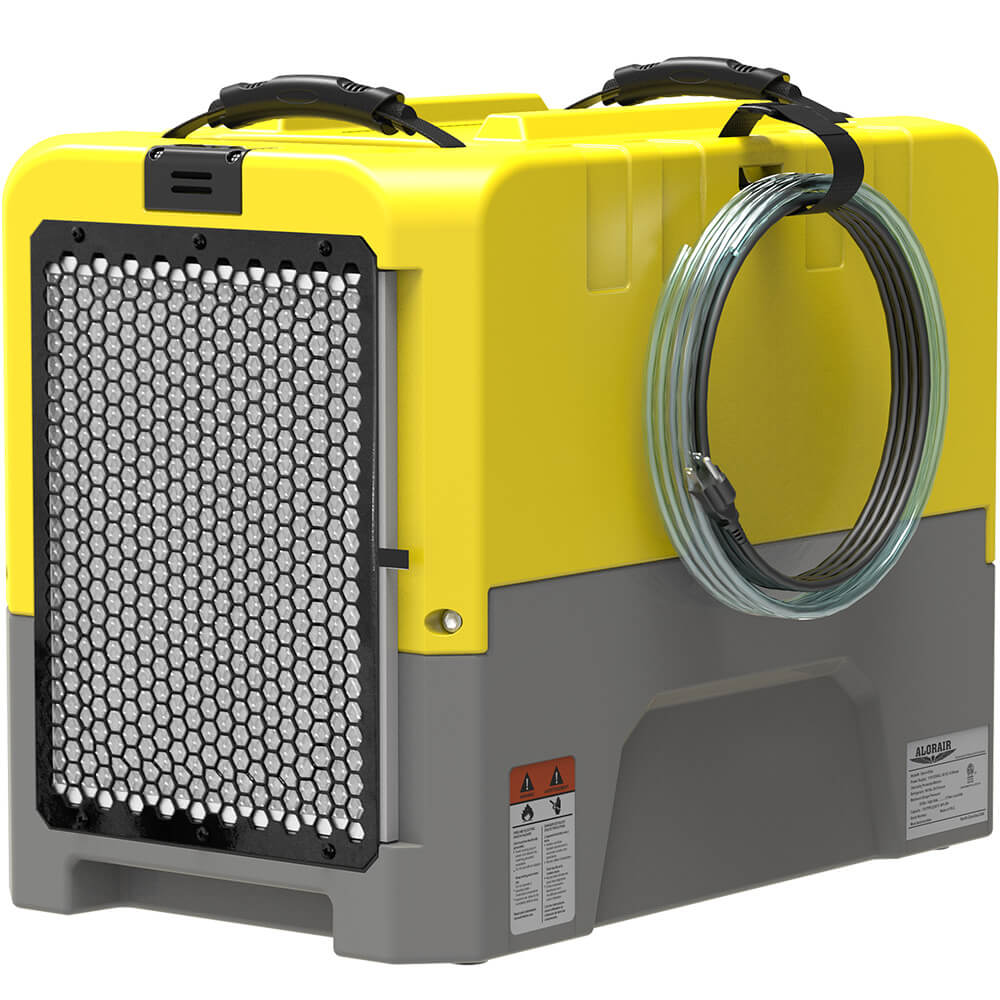
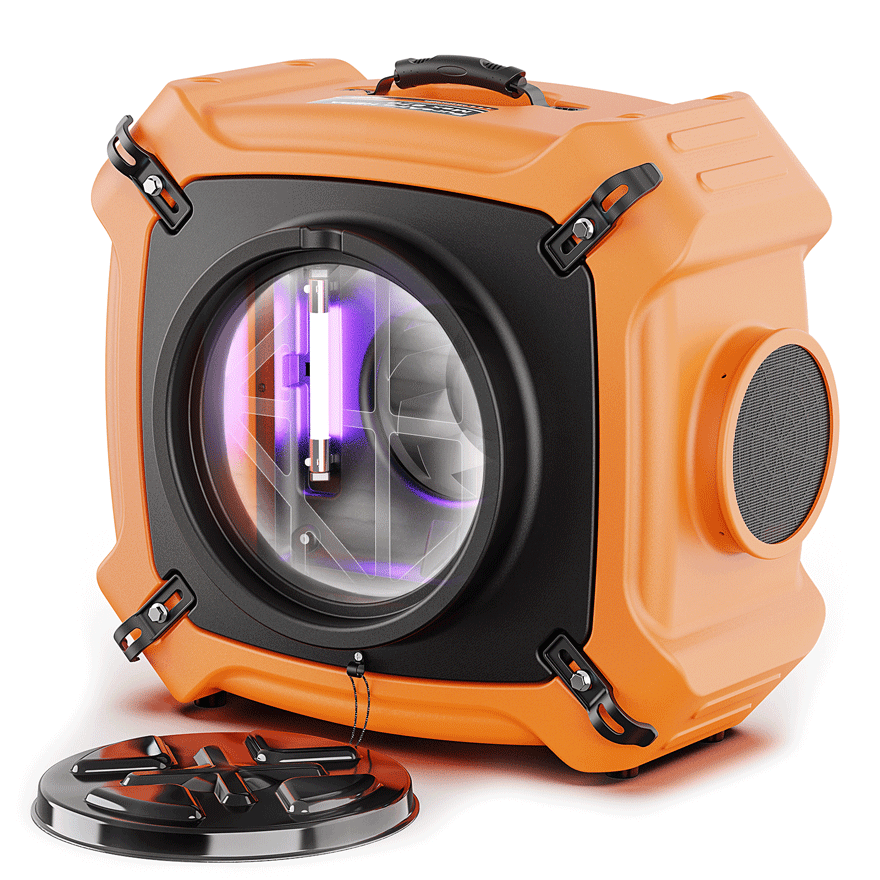
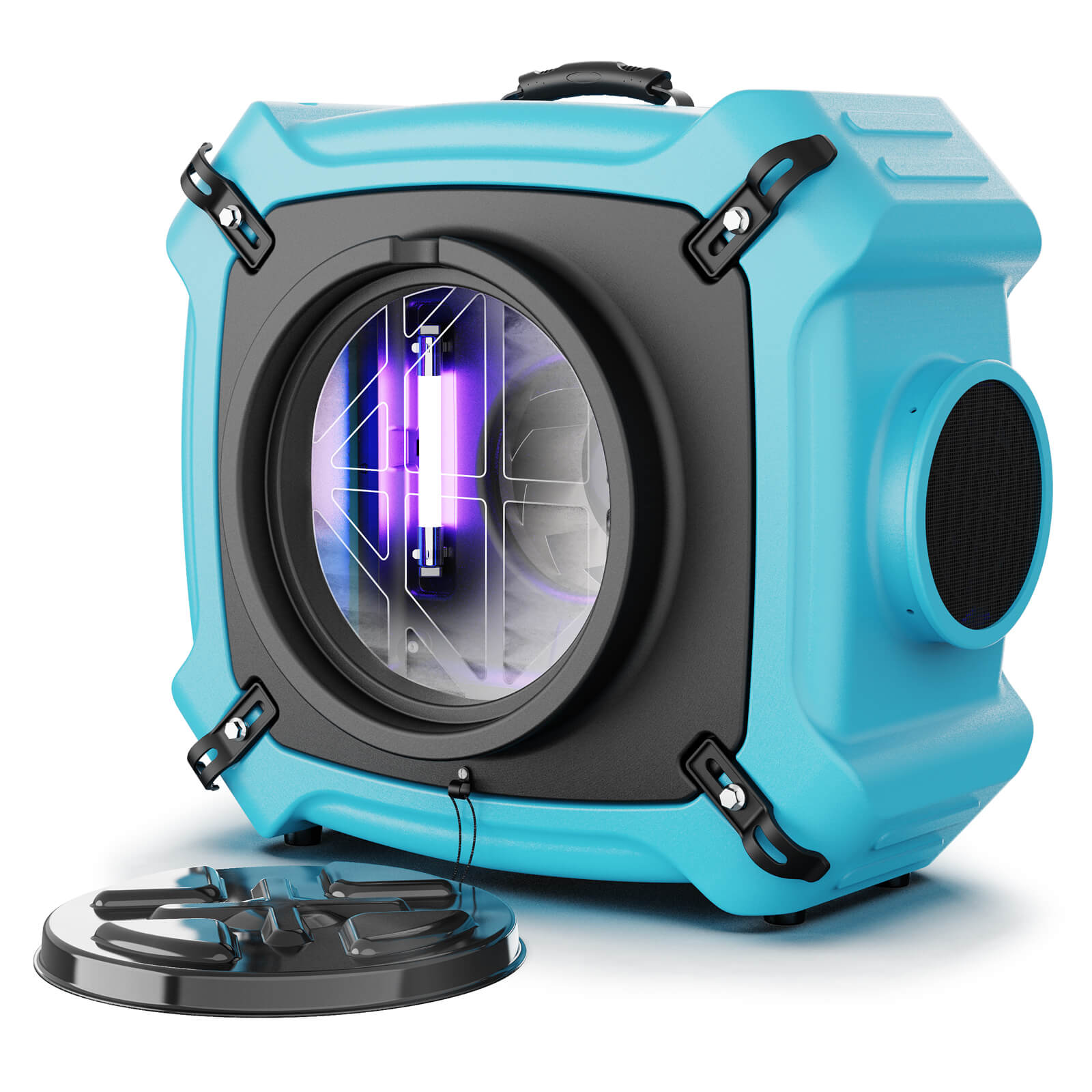
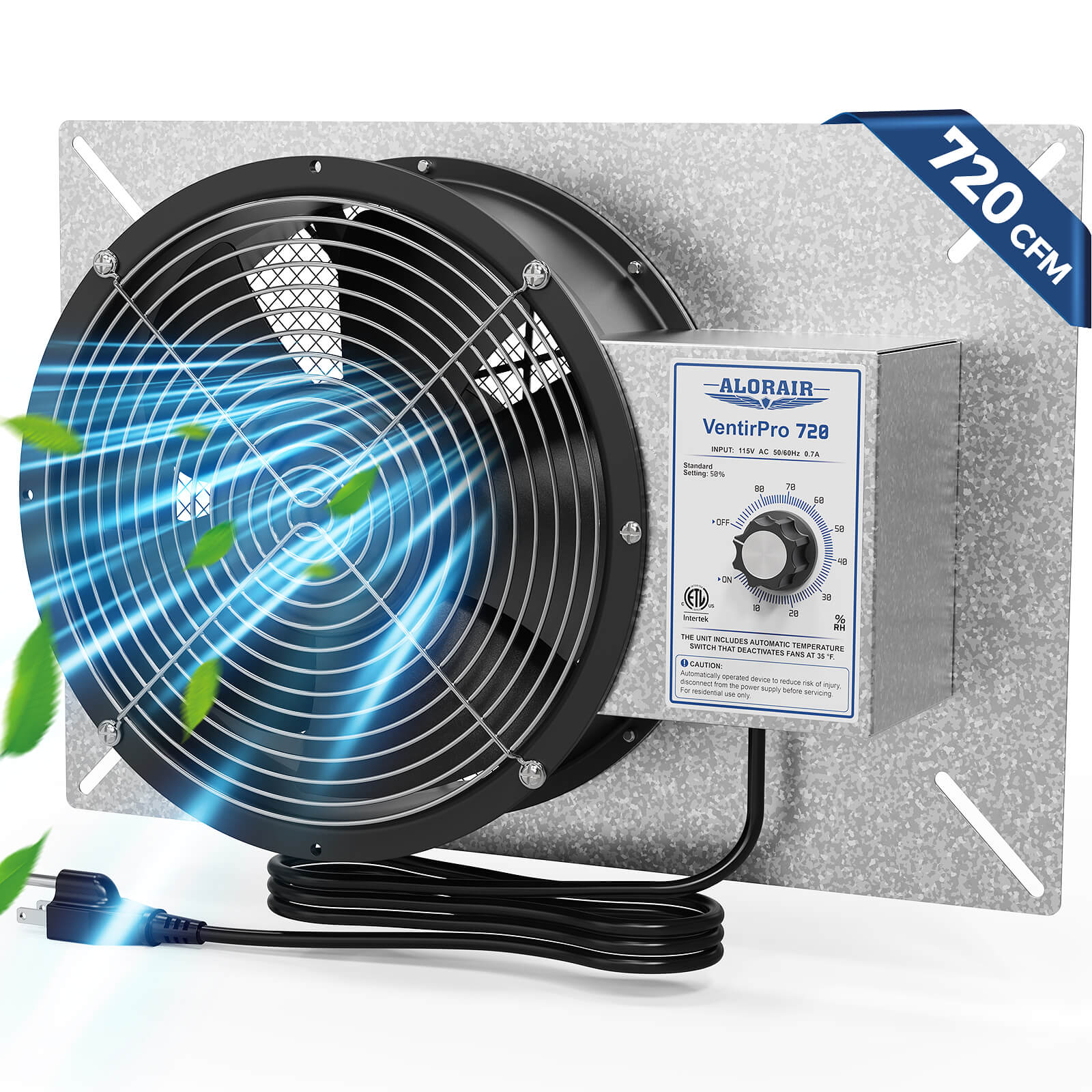
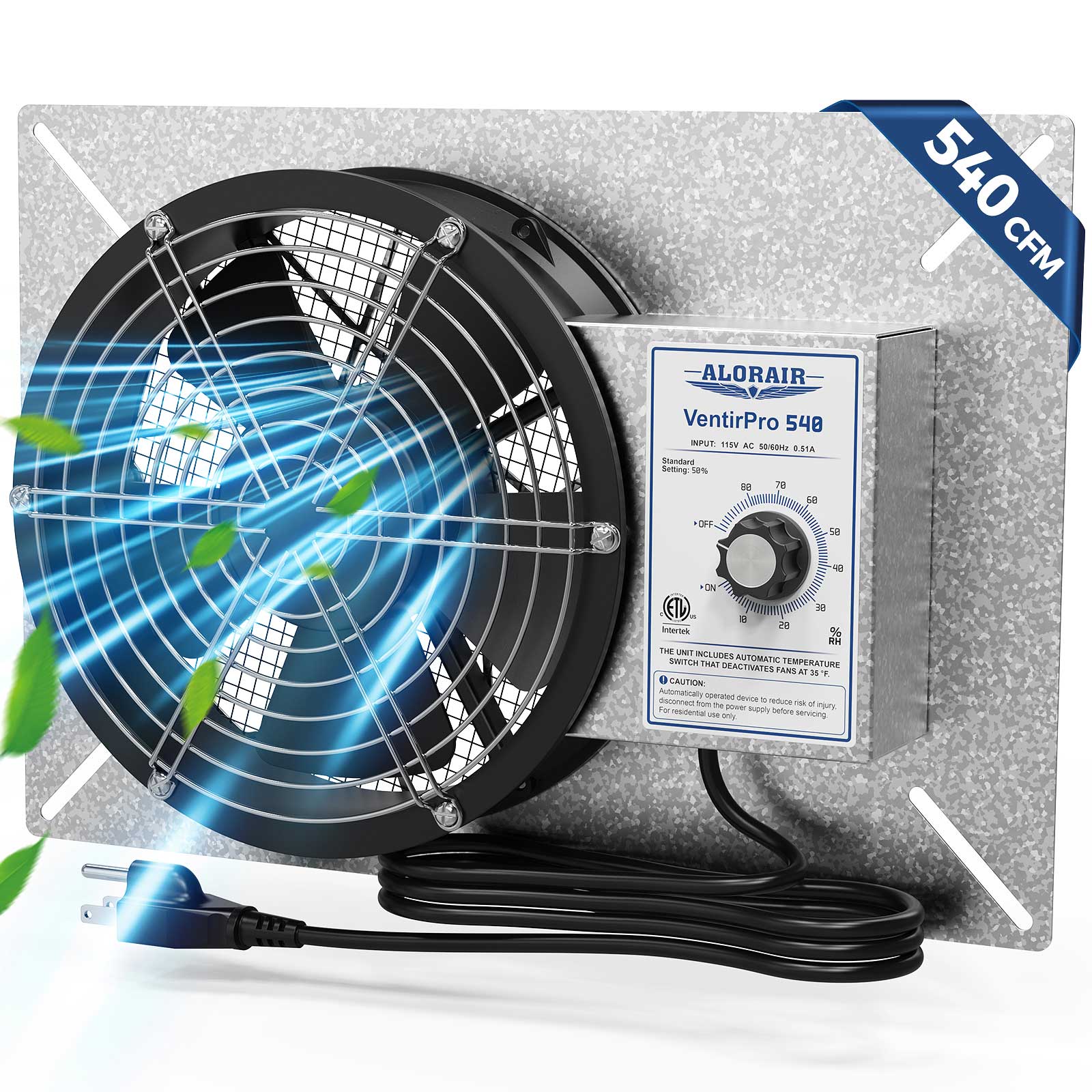
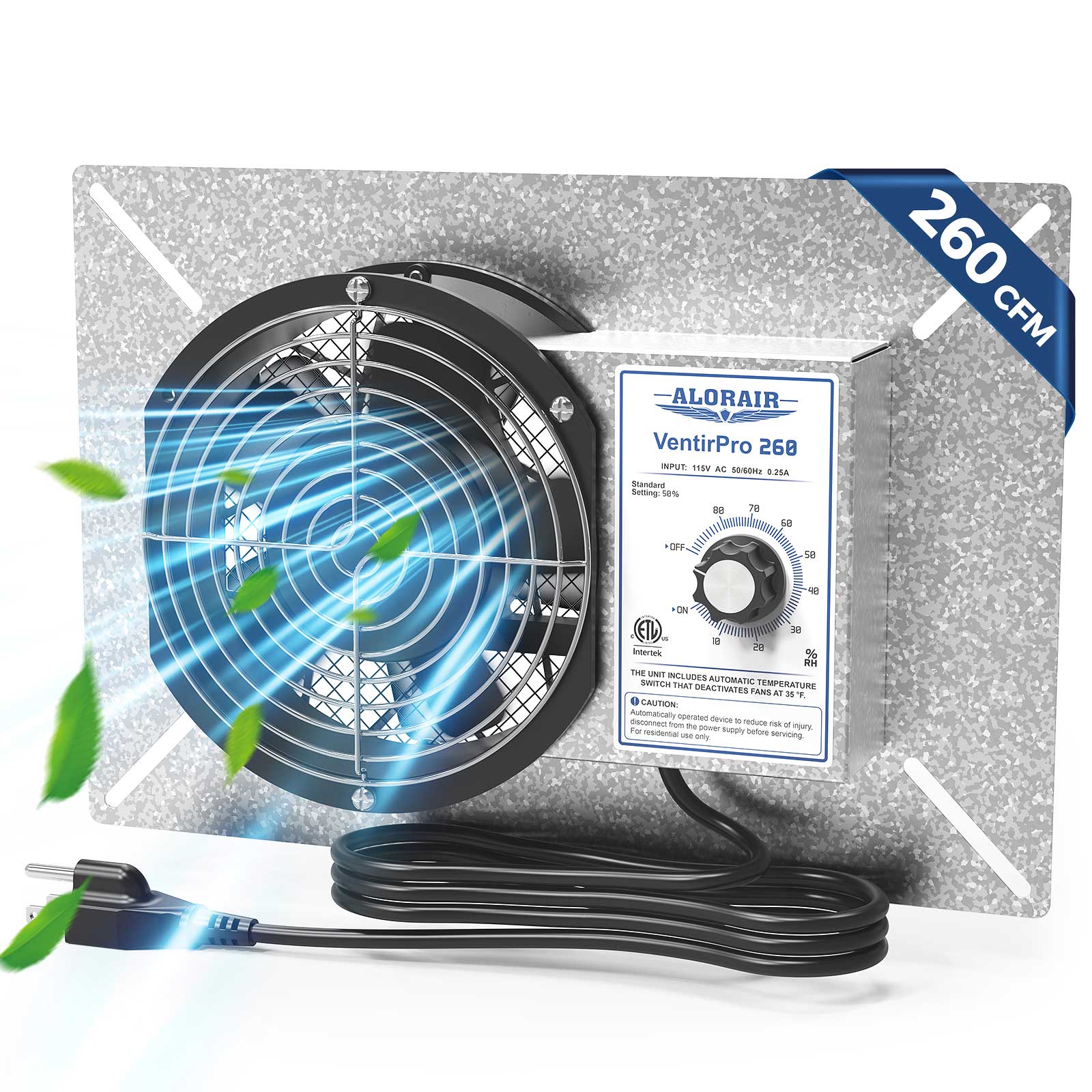
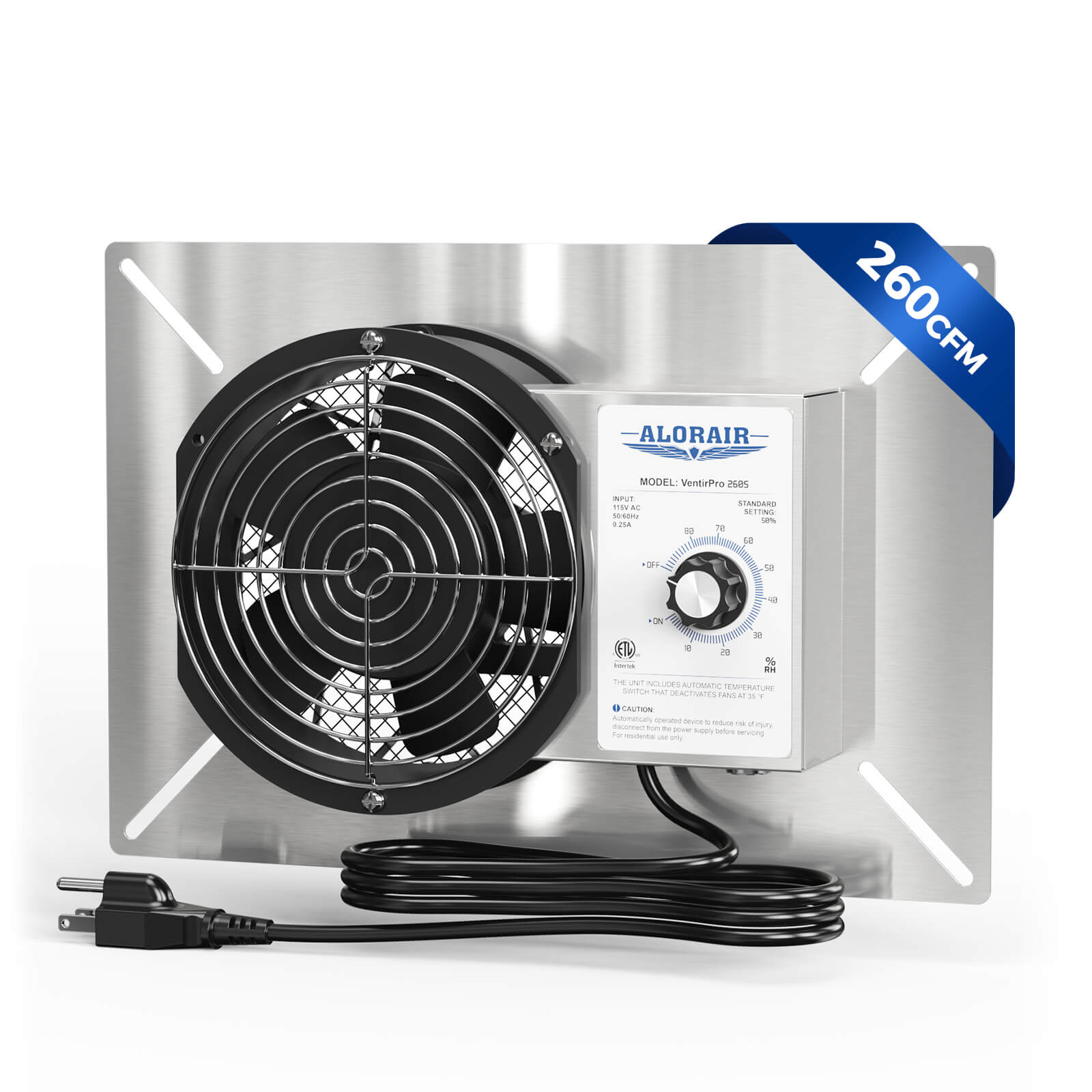
Models like AlorAir VentirPro 260 are not just energy efficient, cover up to 500 sq. ft, include a built-in dehumidifier, work automatically, and careful addition of barrier mesh to prevent clogging.
Tip 4: Consider Installation Style and Venting
Bathroom fans must release moist air directly outdoors, not into a crawl space or an attic. The EPA alerts that draining into confined spaces can cause mold, insulation damage, and structural deterioration. Proper venting maintains dampness under 60% and protects indoor air quality.
Common Installation Types
- Ceiling-Mounted Fans: The most typical layout links to ductwork that leads outside. Perfect for smaller or conventional bathrooms.
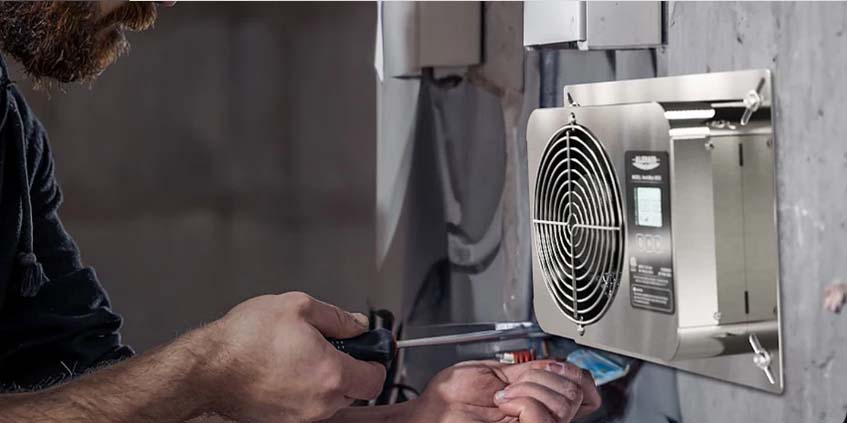
- Wall-Mounted Fans: These fans are set up directly via an exterior wall, useful when attic access is little.
- Inline or Remote Fans: Installed between ducting, the motor stays out of the bathroom for super-silent operation. Such setups function better when one fan handles multiple bathrooms.
Installation and Safety Tips
- Use smooth metal ducts having minimum curves to enhance ventilation efficiency.
- Secure all joints with foil tape, not typical duct tape.
- Verify the vent hood outdoors opens easily and without any restrictions.
- When not confident about the duct or wiring layout, contact a certified electrician or HVAC technician.
While picking a bathroom fan, firstly, think about where you want to install the unit: wall or ceiling. Next, select a model with the proper size duct adapter (calculated in inches) for your house.
Tip 5: Don’t Forget Maintenance and Longevity
In fact, the most modern fan drops effectiveness without routine cleaning. Lint and dirt limit air circulation, increase noise levels, and reduce motor life.
Simple Maintenance Routine
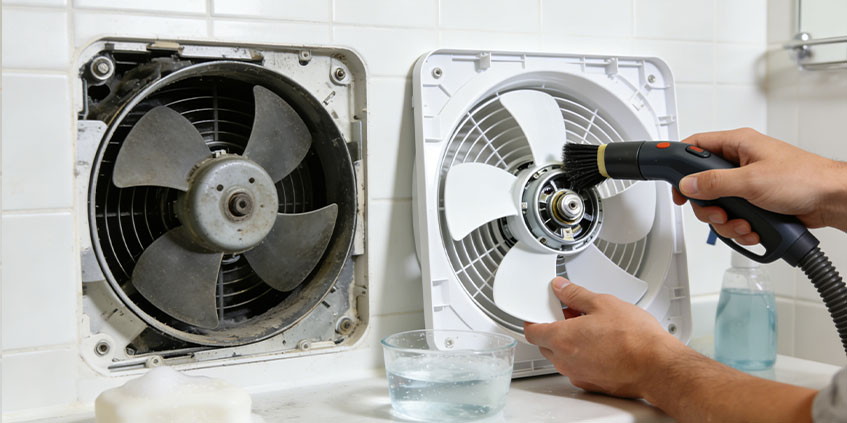
- Turn off or unplug the power before cleansing.
- Detach and clean the cover: Wash the grille every third month with mild soap and water.
- Vacuum the Fan Casing: Get a soft brush attachment to remove dust from motor vents and blades.
- Check the Duct: Confirm the exhaust flap outside unlocks effortlessly.
- Observe Strange Noise or Vibration: Timely detection helps avoid expensive repairs.
Components That Extend Durability
Fans, including rot-resistant housings, airtight ball-bearing motors, and energy-saving LED lighting, tackle damp environments better.
According to the Department of Energy, modernized ventilation devices with innovative motors can survive up to 10 years with proper maintenance.
Bonus Tip: Consider Airflow Design and Aesthetic Integration
Performance is very crucial; however, appearance also contributes to modern bathroom design. Nowadays, homeowners like ventilation that merges with decor and lighting. A stylish fan provides both efficient air circulation and aesthetic appeal.
Recessed fans and slim-profile models replace bulky vents. These ceiling-mounted fans become hardly noticeable and maintain strong ventilation. Additionally, strategic vent positioning enhances the way air flows.
Fans planted near tubs or showers remove humidity quickly, whereas inline fans installed farthetst lower noise. Complementing the fan design to your ceiling height and bathroom layout helps keep balanced ventilation.
Conclusion
Purchasing the right bathroom fan in 2025 includes more than just grabbing a model off the shelf. It is about getting the perfect harmony between air circulation, efficiency, noise, and style.
Upgrade to a Healthier Bathroom with AlorAir!
We know picking a bathroom fan is not an easy task. That’s why AlorAir brings a complete range of advanced bathroom exhaust fans intended for performance, longevity, and noiseless operation. Visit AlorAir today to discover the best ventilation setup for your home.
