





-(1).png)
.jpg)
.jpg)
.jpg)
.HDi90.png)
.HD90.png)
.jpg)
.jpg)
.jpg)
.jpg)
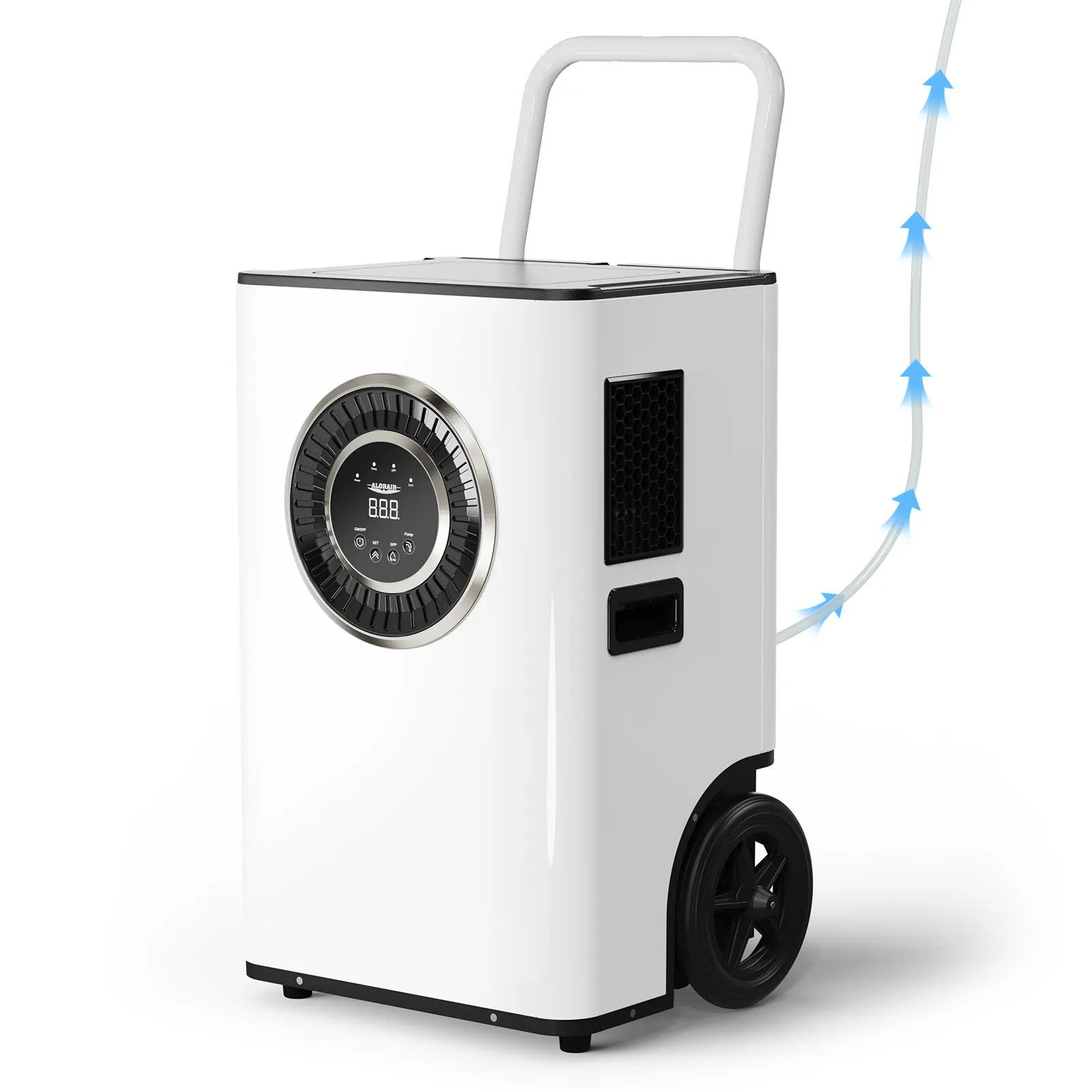
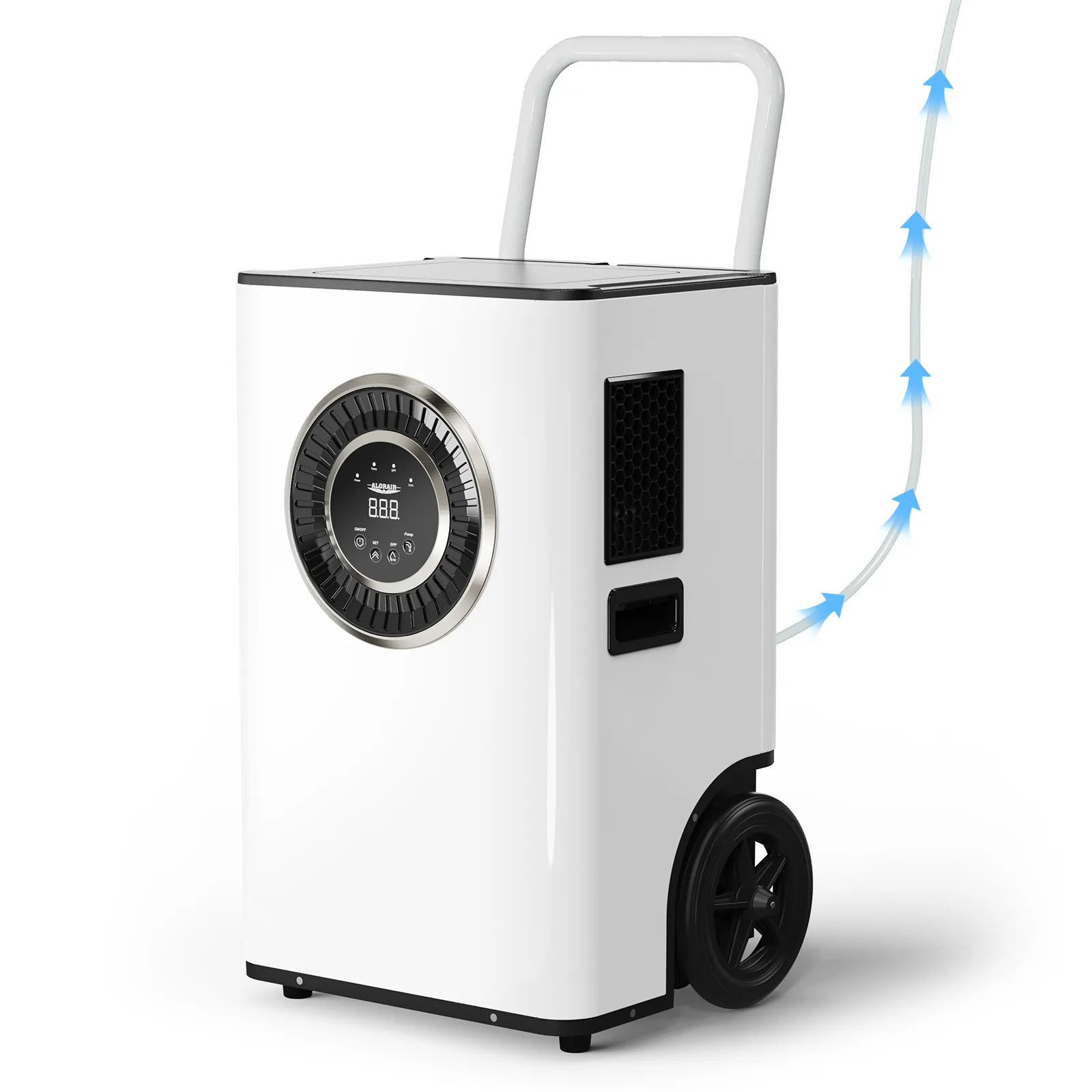
.jpg)
.jpg)
.jpg)
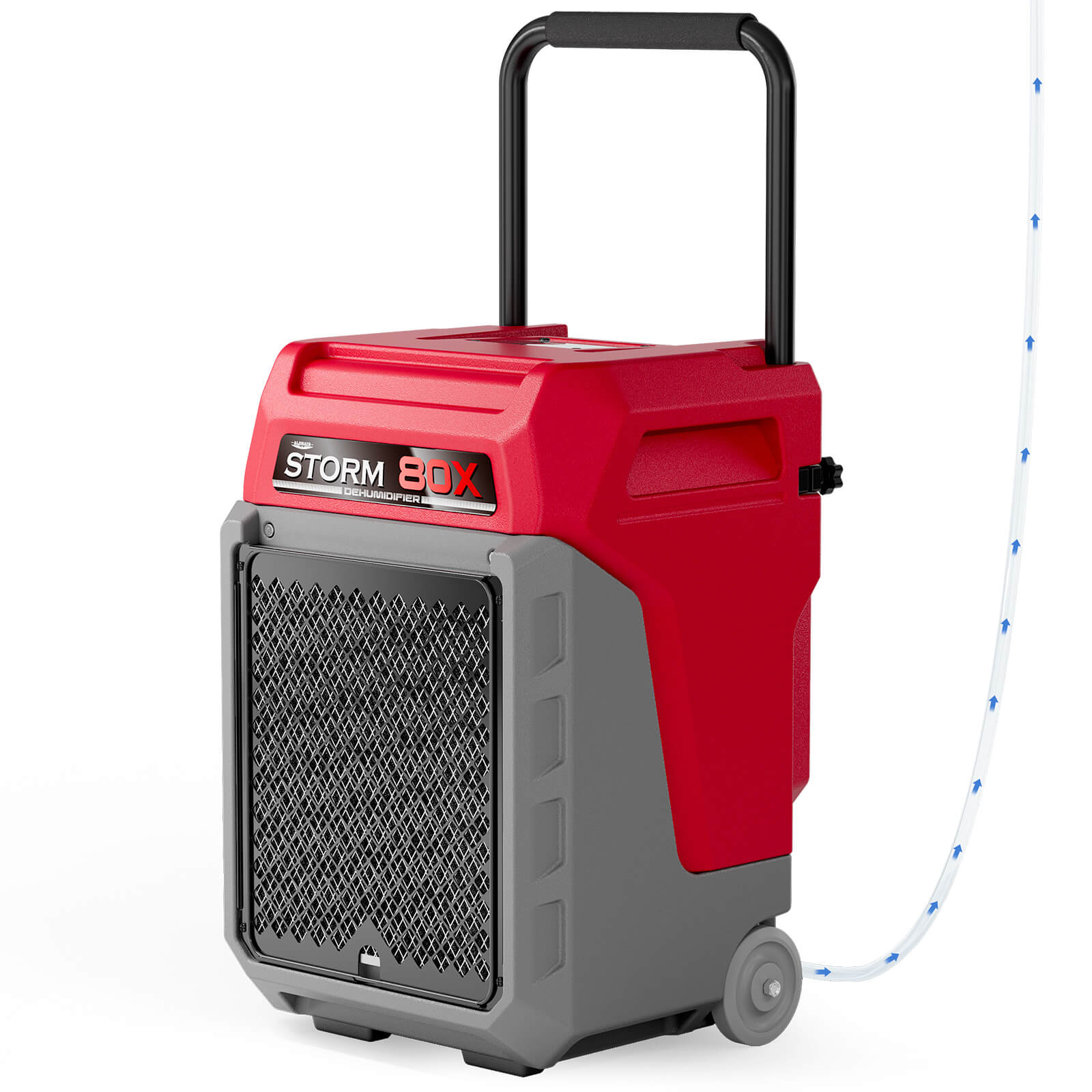
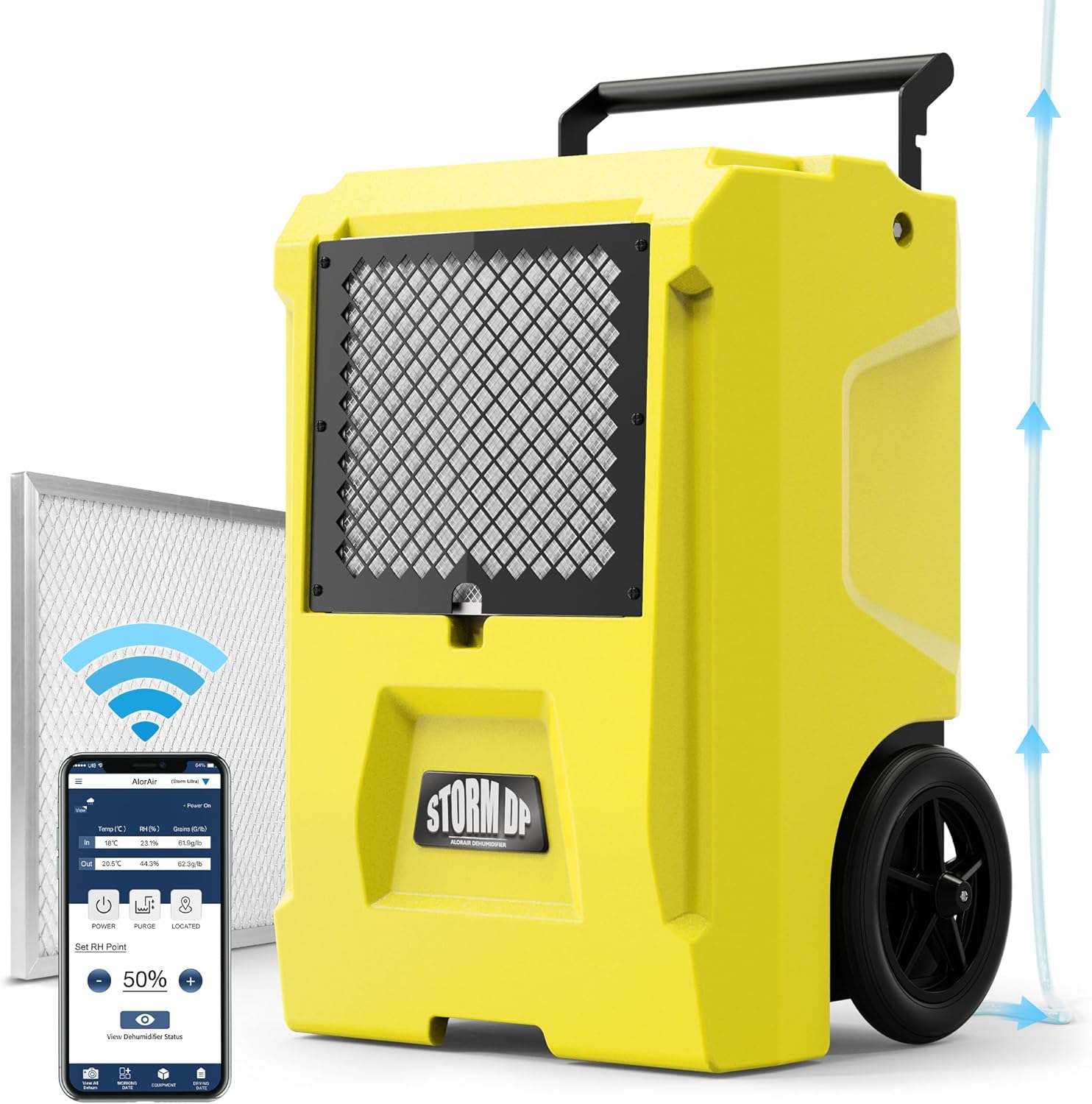
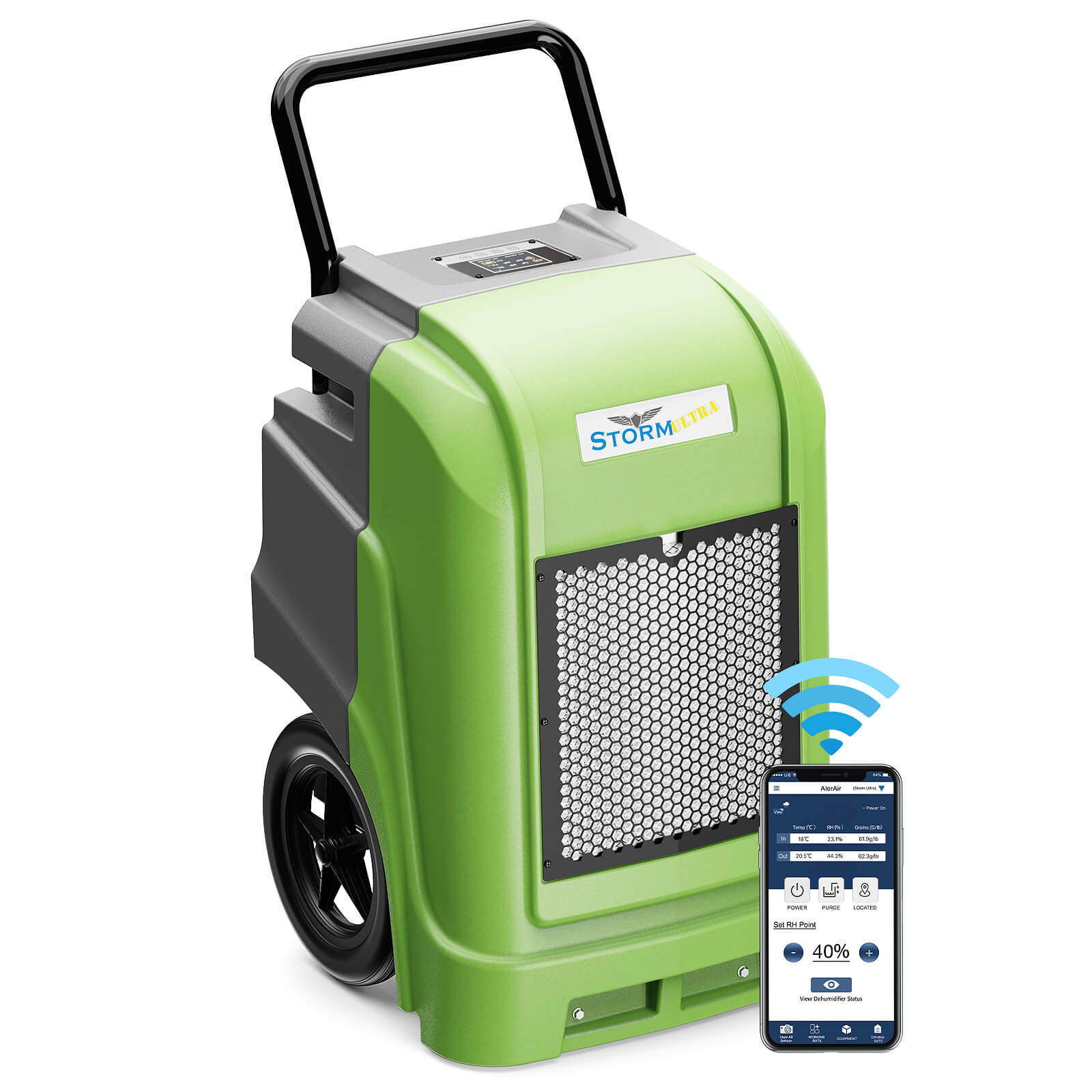
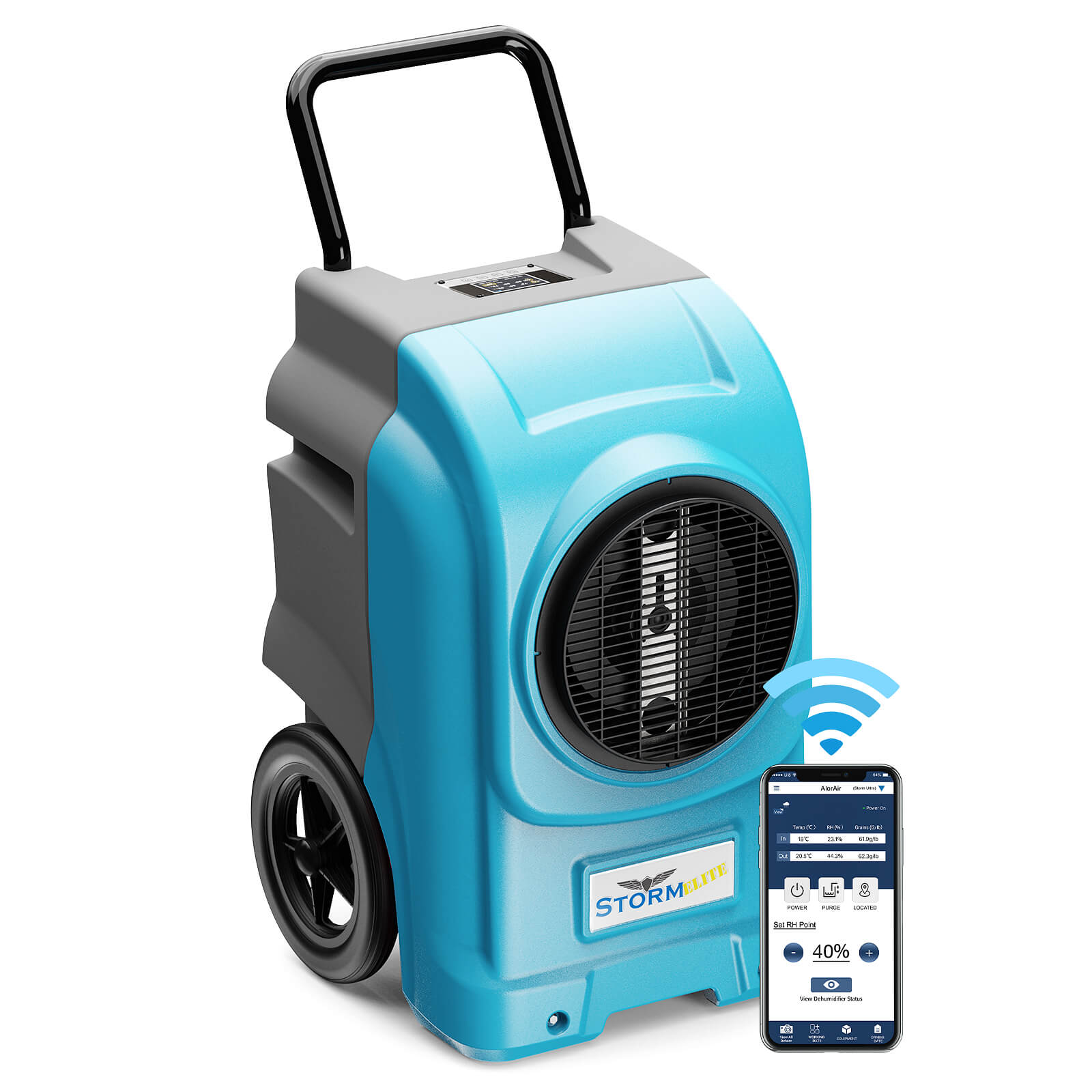
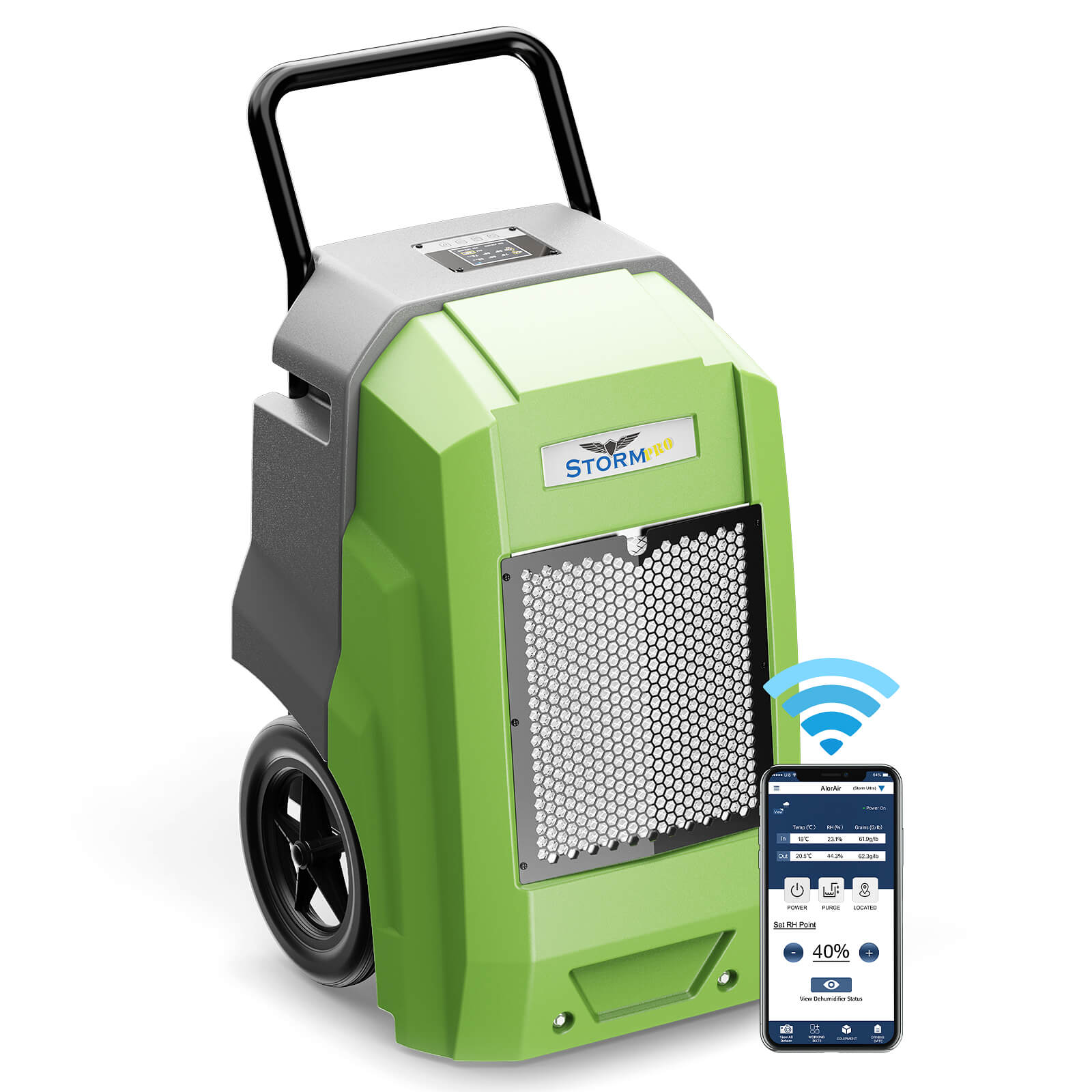
.jpg)
.jpg)
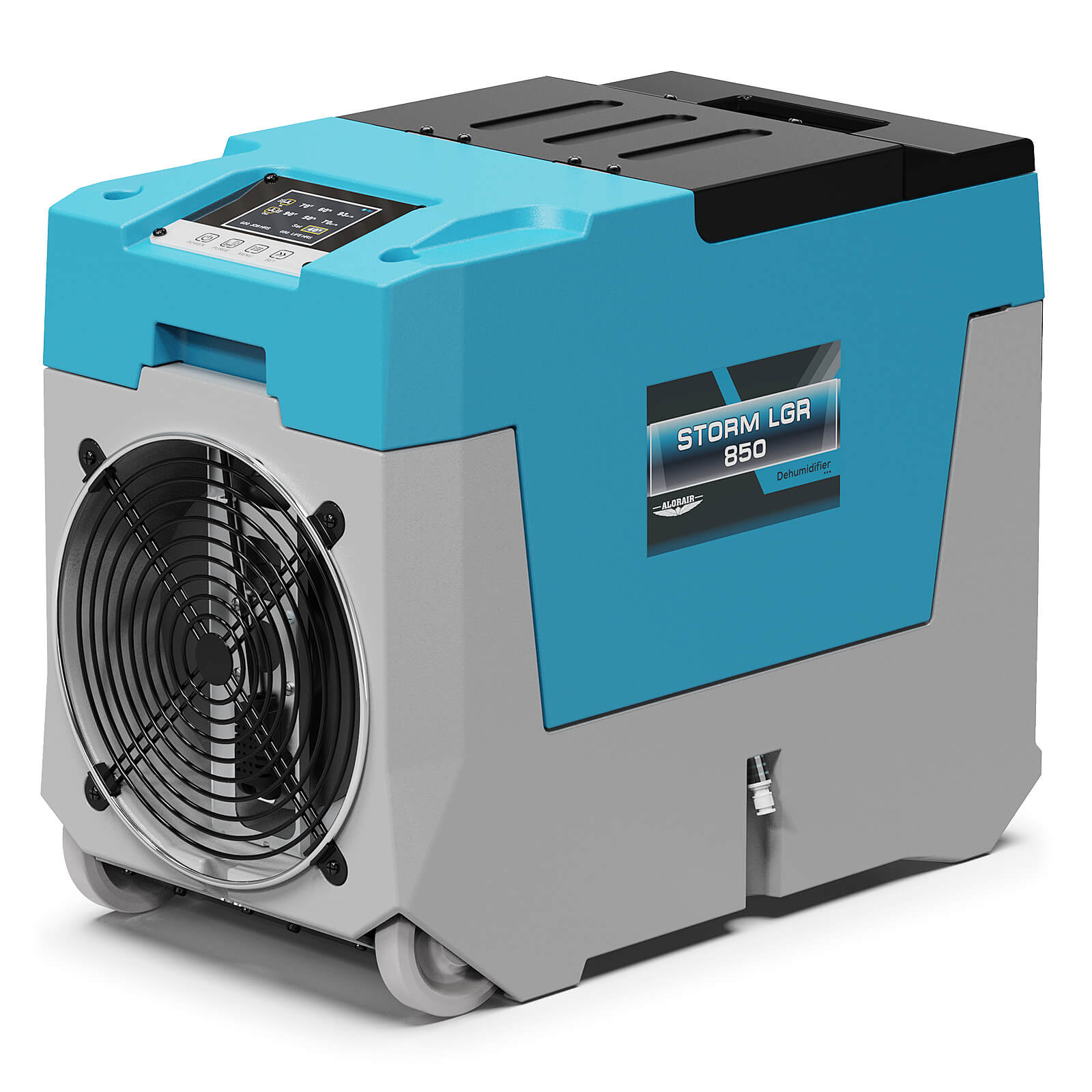
.jpg)
.jpg)
.jpg)
.jpg)
.webp)
.webp)
.webp)
.webp)
.jpg)
.jpg)
.jpg)
.jpg)
.jpg)
.jpg)
.jpg)
.jpg)
.jpg)
.jpg)
.jpg)
.jpg)
.jpg)
.jpg)
.jpg)
.jpg)
.jpg)
.jpg)
.jpg)
.jpg)
.jpg)
.jpg)
.jpg)
.jpg)
.jpg)




-.jpg)
.jpg)
.jpg)
.jpg)






















 Exclusive offers
promotions
Exclusive offers
promotions

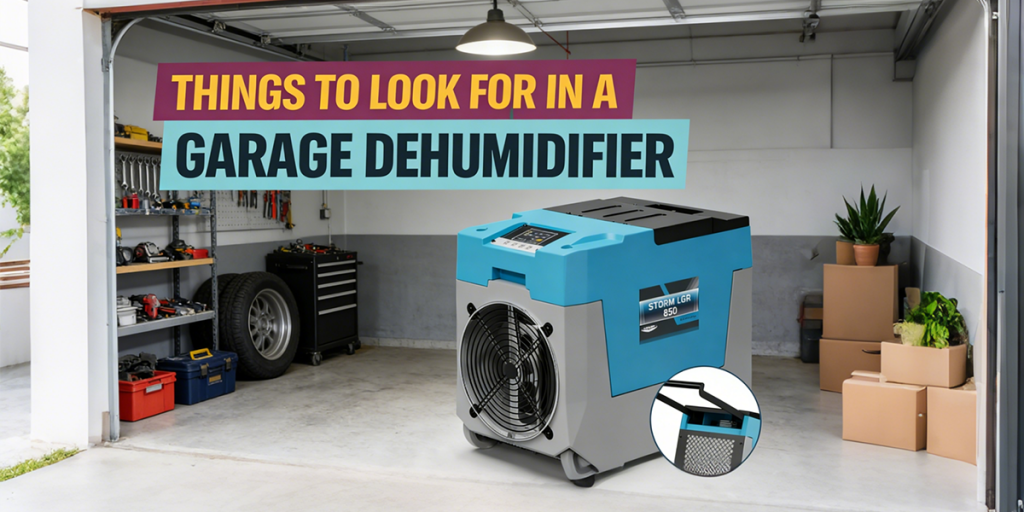
Garages are prone to moisture issues because they are not heated and sealed as the rest of the home would be. Rain, moisture in the ground, temperature changes, and poor air circulation allow damp air to accumulate. Over time, this excess humidity can cause rust to form on tools, mold and mildew growth, and strong musty smells that will permeate into nearby rooms. The U.S. Environmental Protection Agency recommends keeping the indoor air’s humidity between 30% and 50% to help prevent mold and moisture damage, but garages tend to run significantly higher without proper control. Dehumidification of a garage helps take additional moisture out of the air and protects tools, vehicles, and stored materials. This is important for attached garages, detached garages, storage spaces, and workshop spaces. In this article, you’ll discover 7 things to look for clearly before deciding on a garage dehumidifier, so you can control moisture the right way to start.
Things to Look for in a Garage Dehumidifier
Proper Moisture Removal Capacity
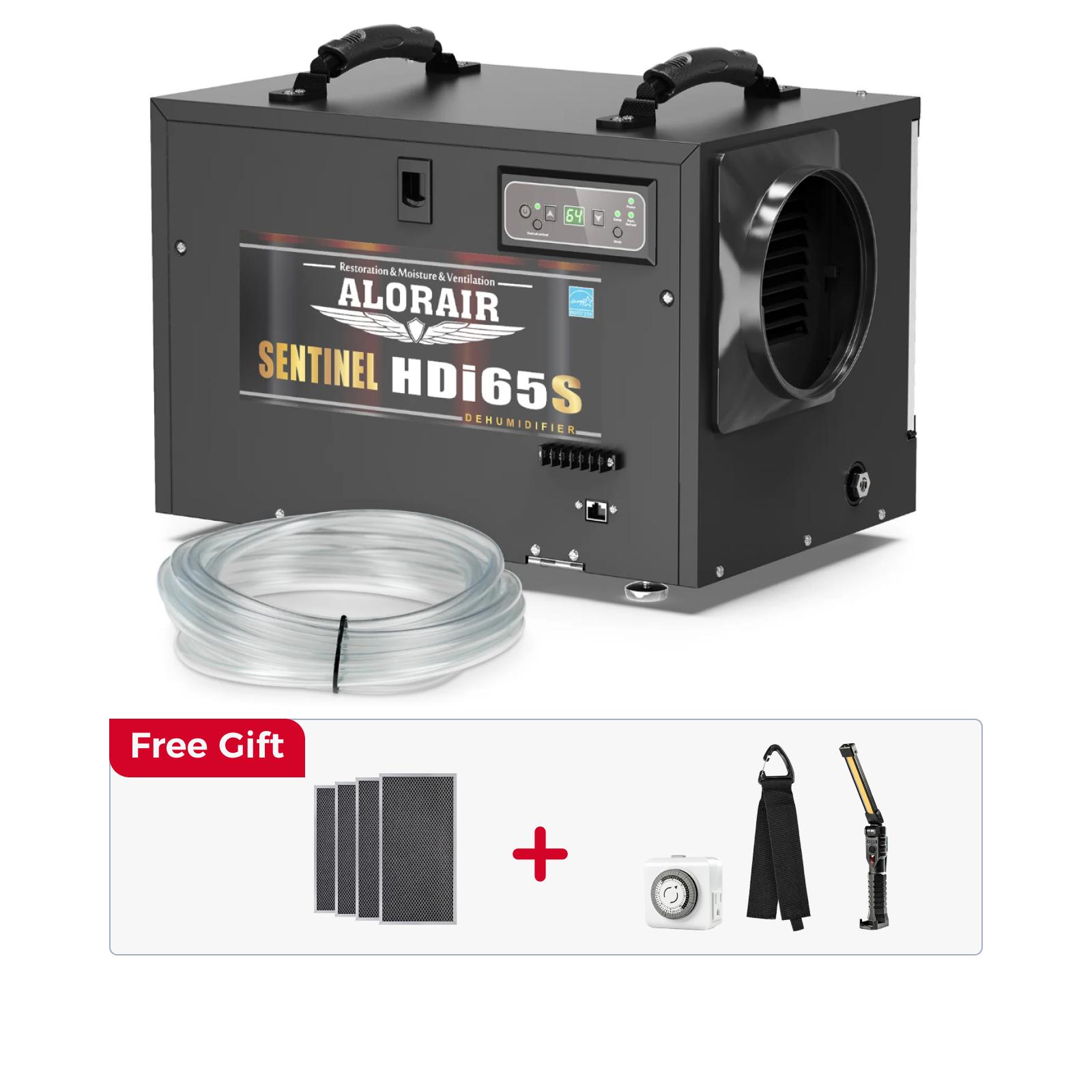
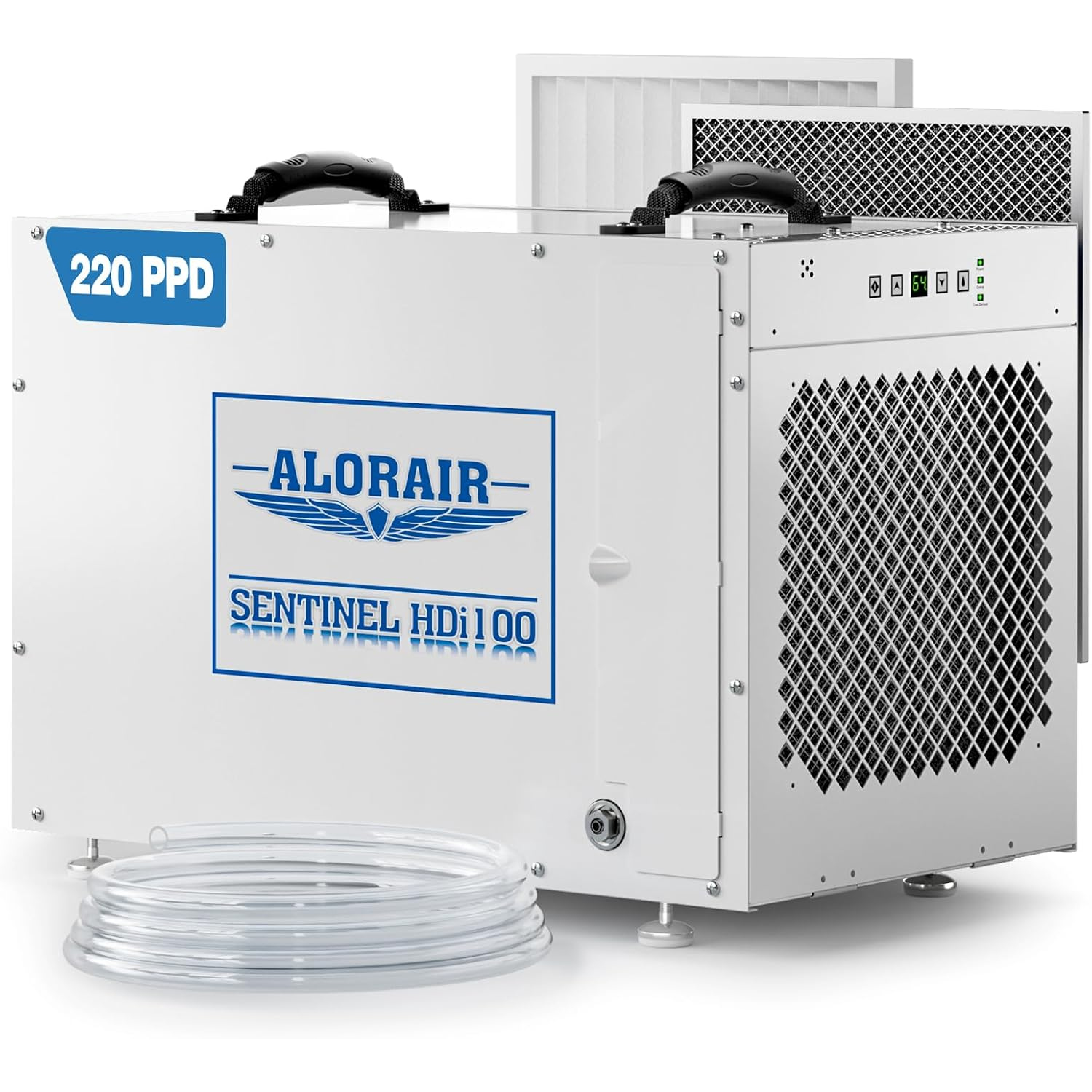
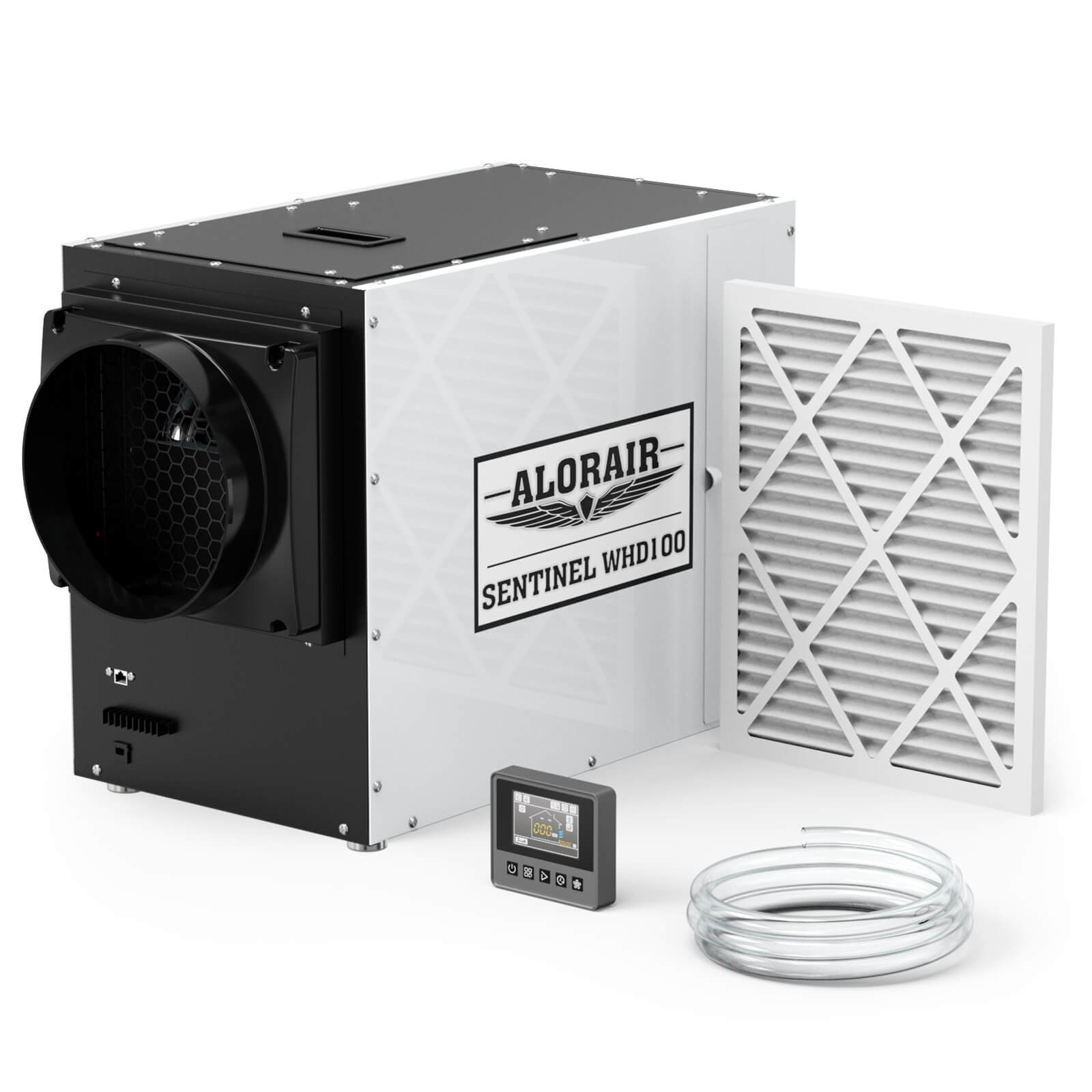
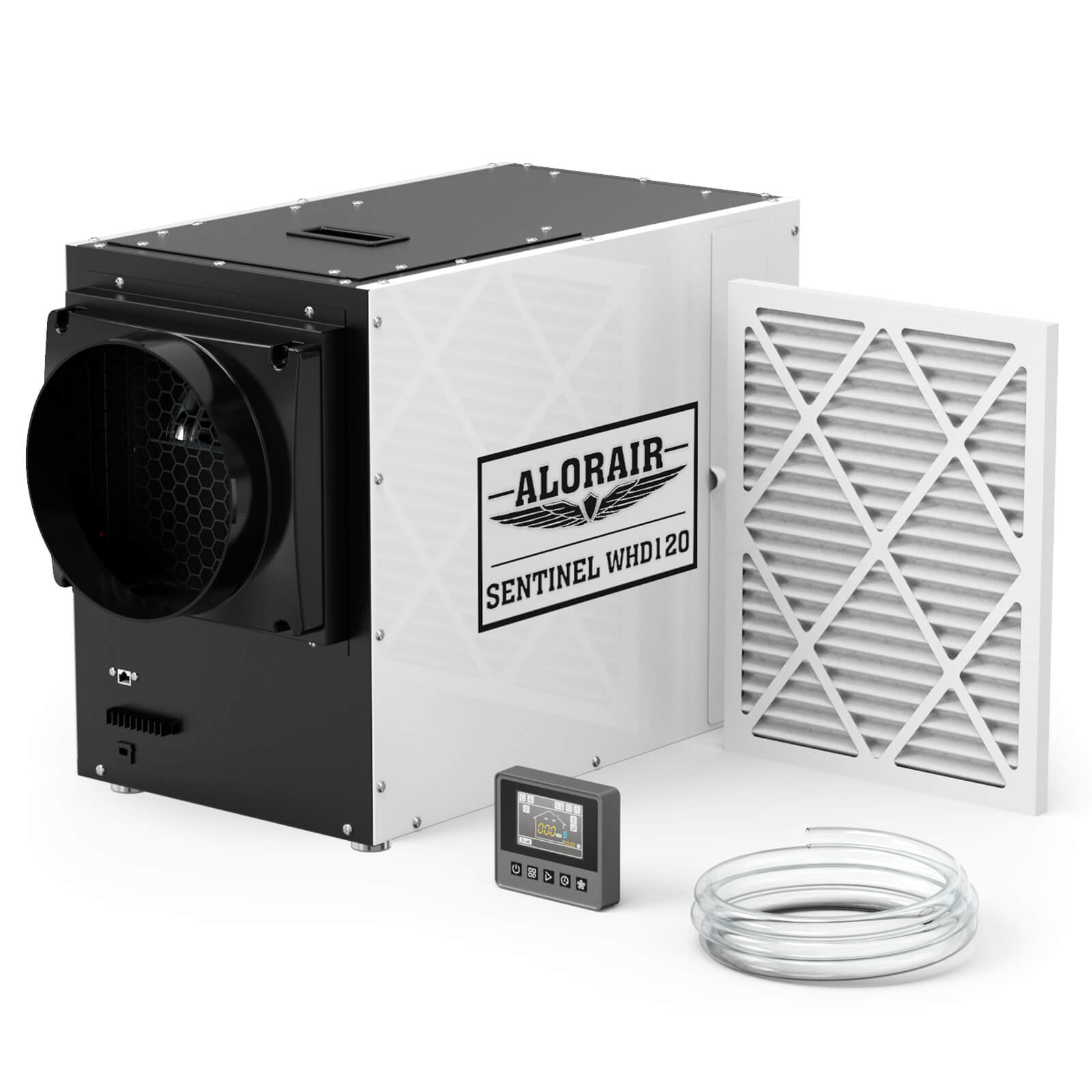
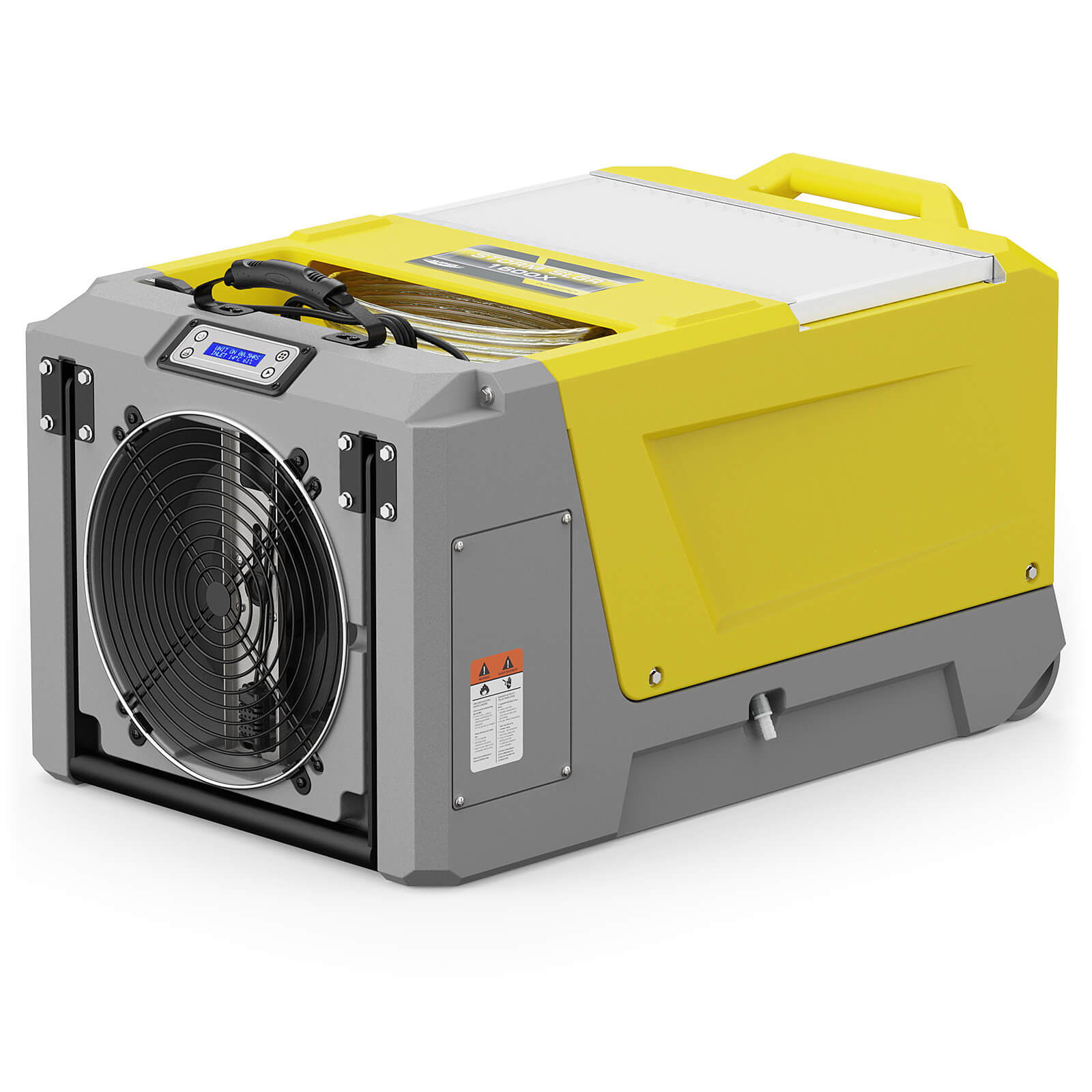
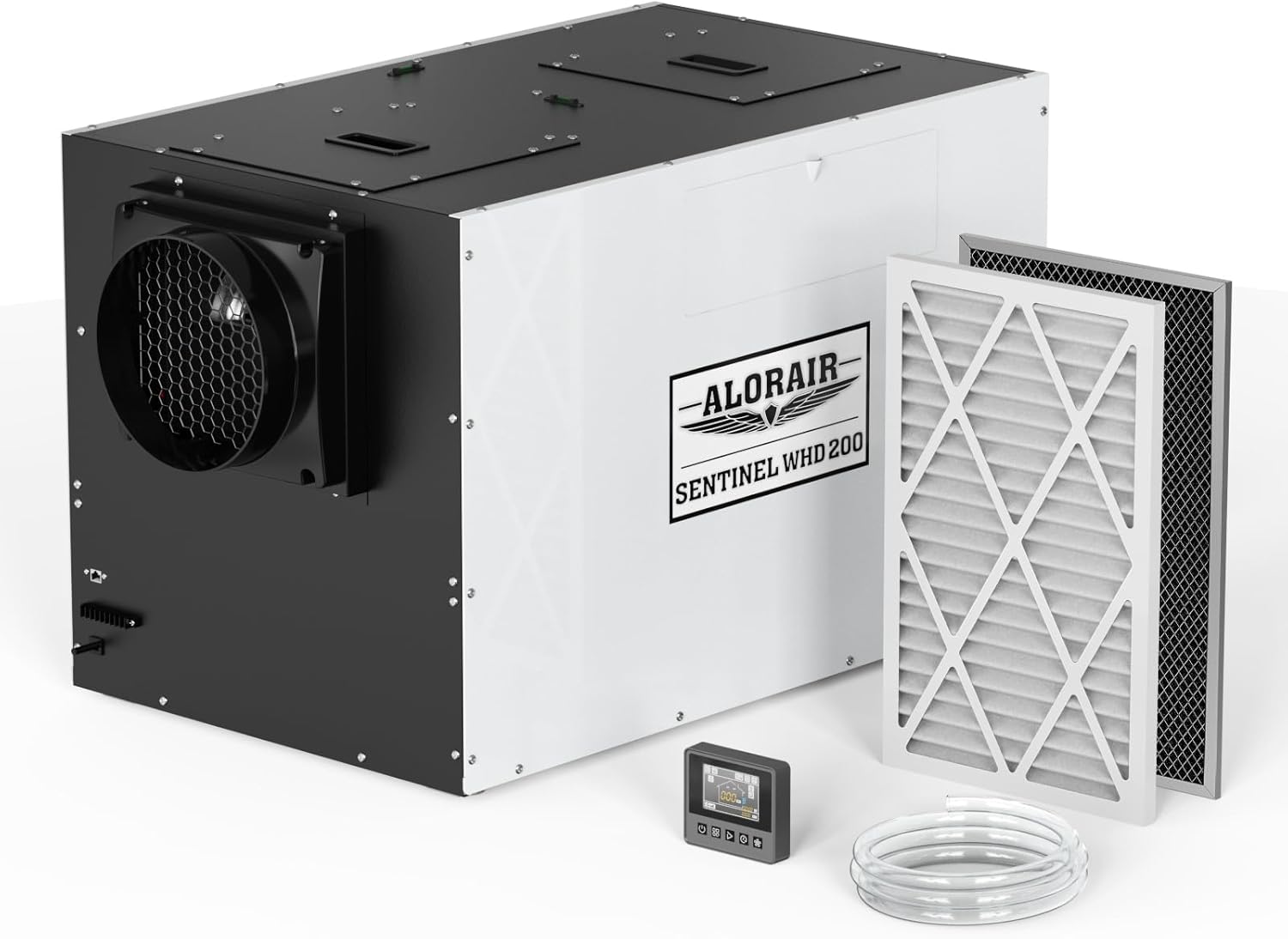
Garages require better control of moisture levels than a living room because they are less protected from the outside and the air. Rain, moisture on the ground, and temperature fluctuations all increase humidity. It is important to choose the appropriate pint capacity, as having a unit which is too small will keep running non-stop and still leave the air damp. This results in rust, mold, and poor performance. A well-sized dehumidifier for garage spaces can take out the moisture at a faster rate and keep a steady level of humidity. When comparing dehumidifiers for use in the garage, it is always best to match capacity to the size of the garage and frequency of door opening. For example, a two-car attached garage may require a unit that removes around 90 pints per day. Models, such as the Sentinel WHD 100, are intended for this kind of space, where you can have good moisture control without overworking the system.
Capacity to handle low Temperatures
Garages are generally colder than the indoor areas, especially during wintertime or at night. Standard dehumidifiers can stop functioning or freeze at low temperatures. This slows down the removal of moisture and can also damage the unit. A garage-ready model with auto-defrost or low temperature operation is important if you want reliable operation. This feature enables the unit to continue to operate even as the air is cool. If you want to dehumidify your garage all year round, then selecting a unit designed for use at low temperatures will help avoid breakdowns and keep the moisture in check during every season.
Continuous Drainage Possibilities
Dehumidifier with Drain Hose
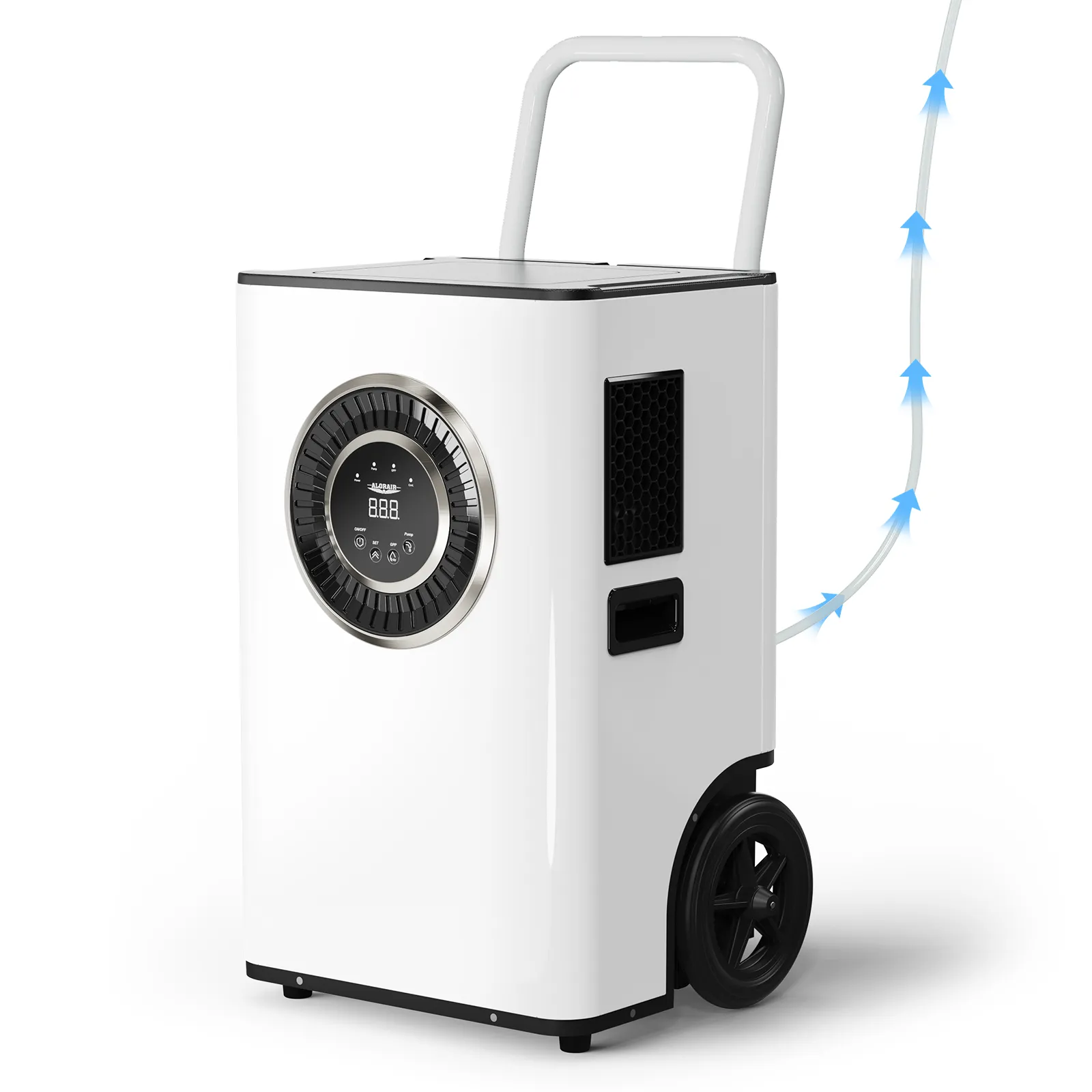
Drain hose – A dehumidifier with a drain hose has the water flow by gravity into a floor drain or sump. This makes it so you don’t have to empty the water tank out as often, and makes it easier to use on a daily basis.
Dehumidifier with Pump
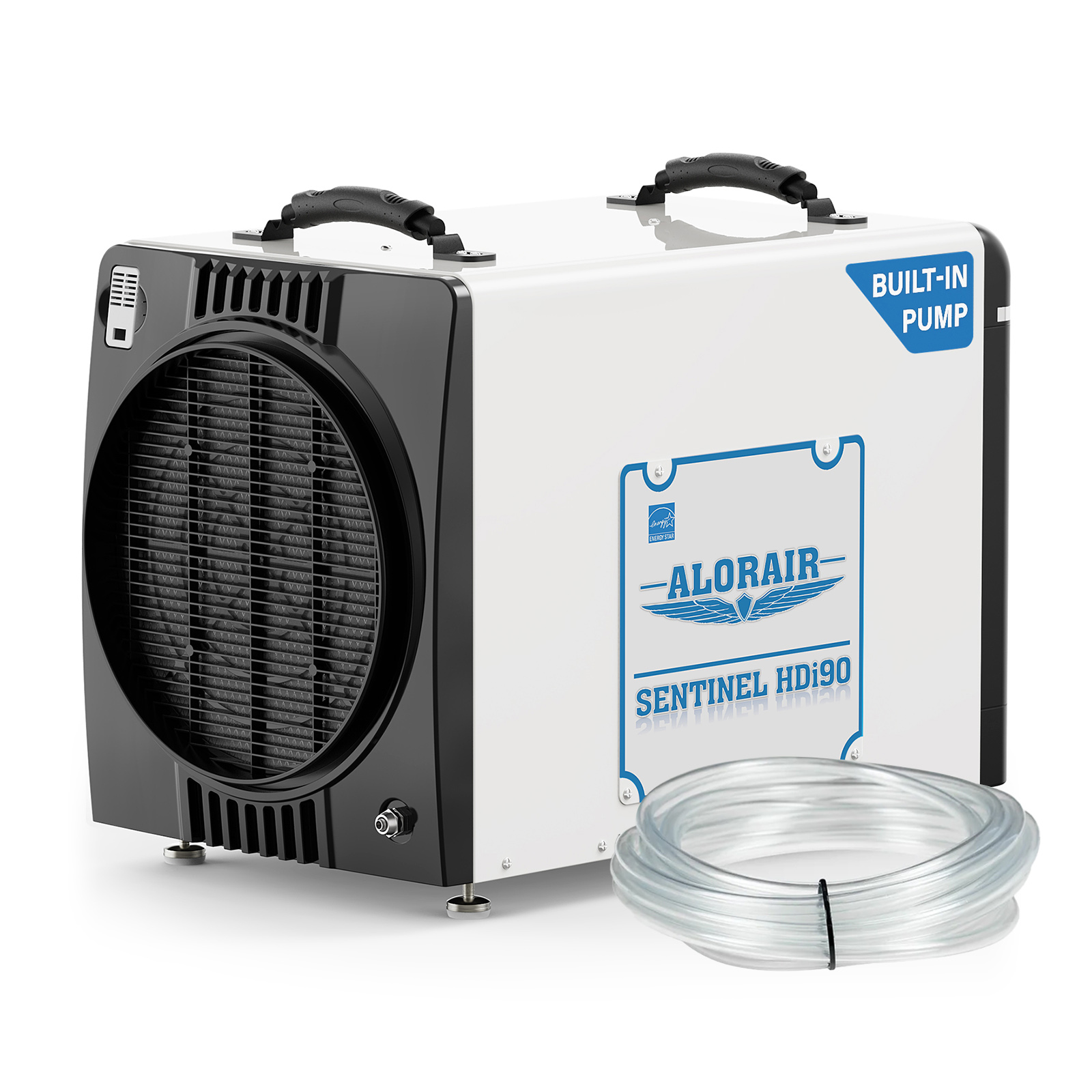
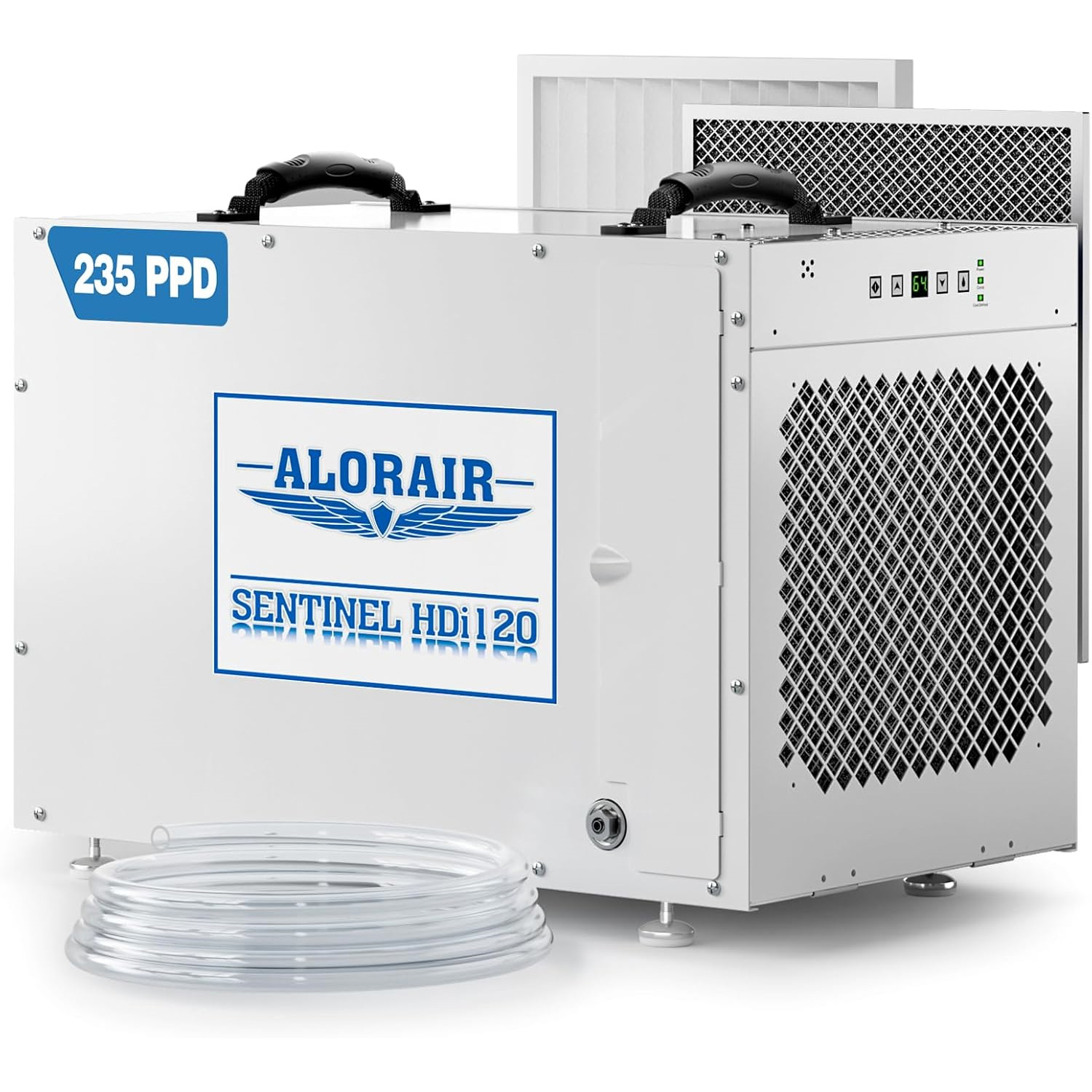
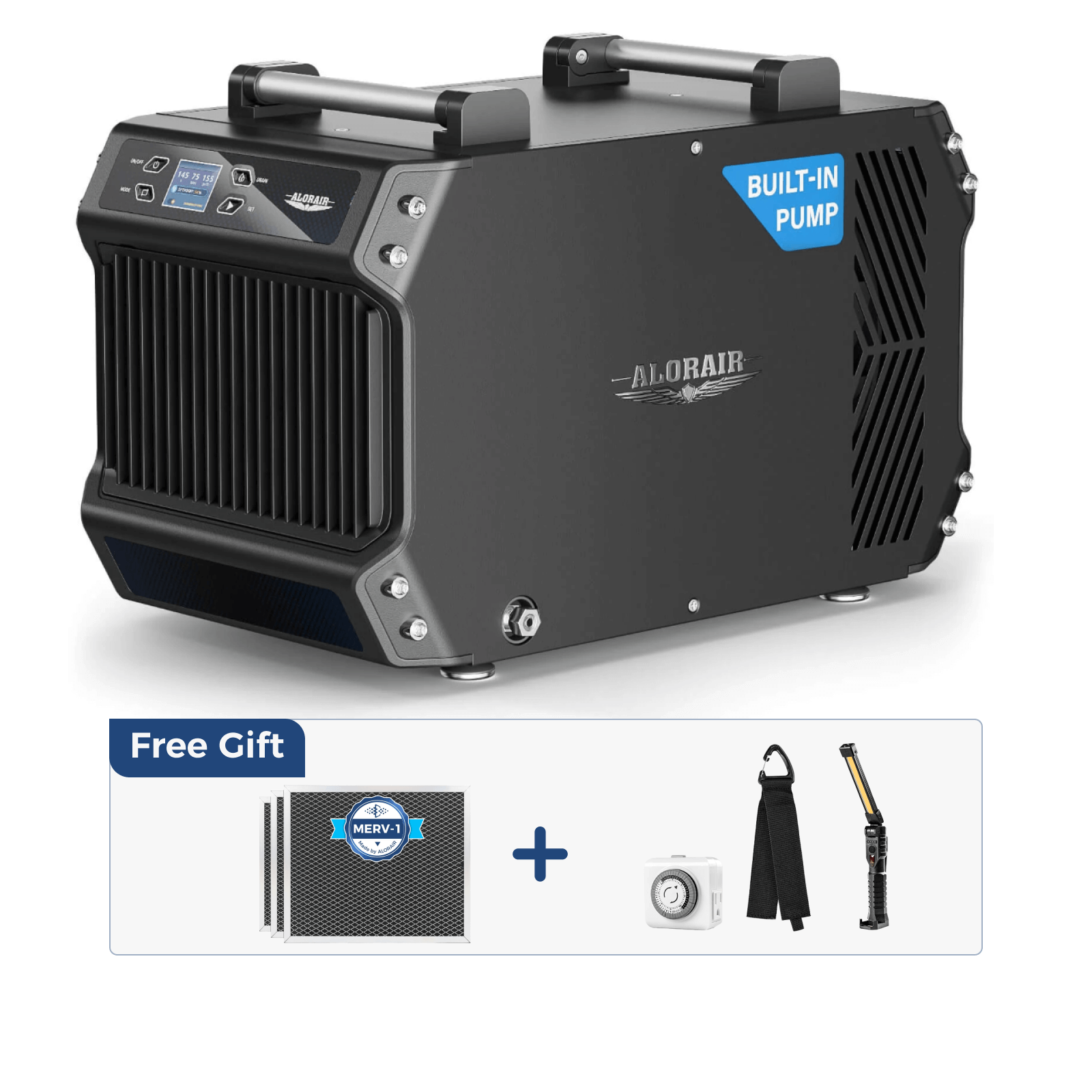
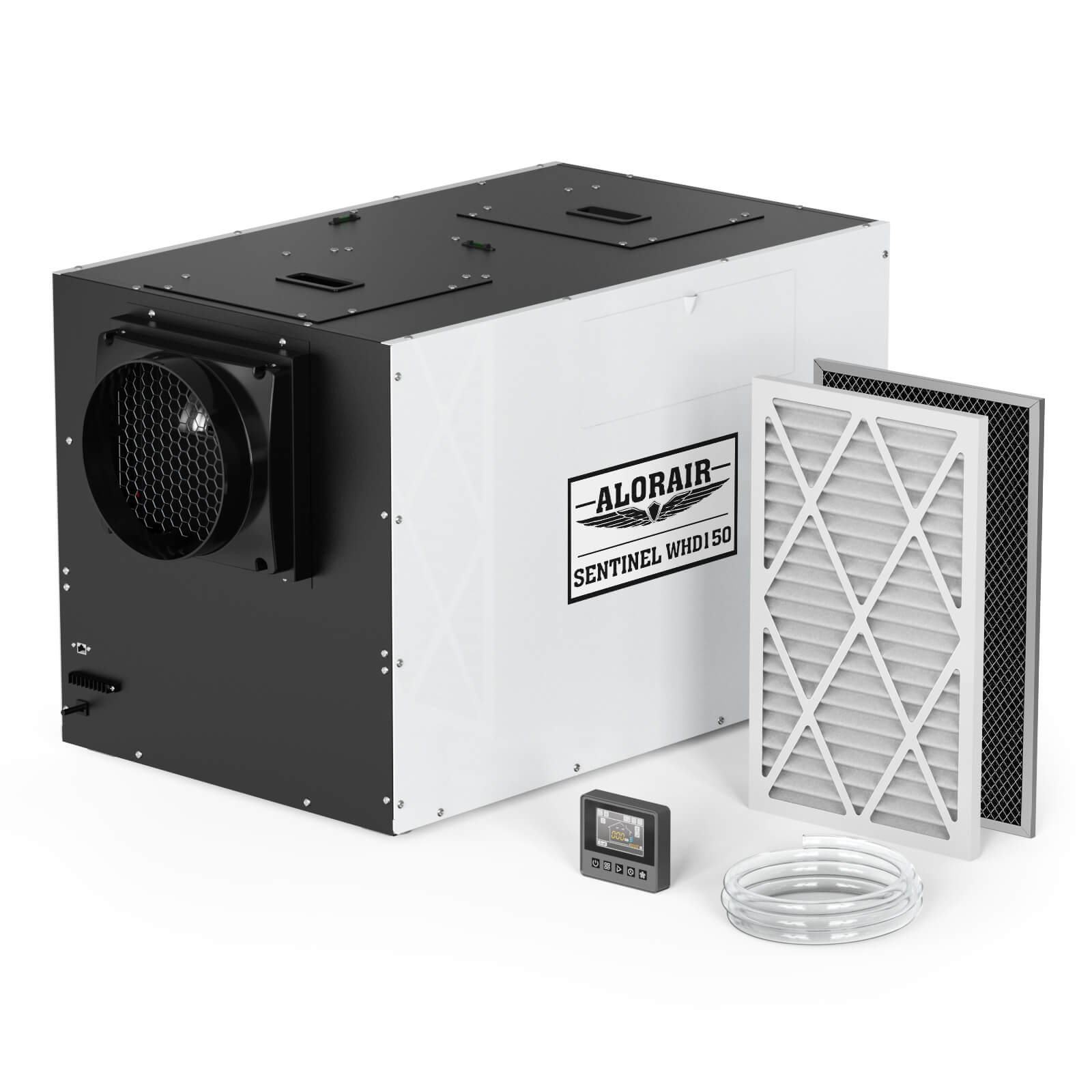
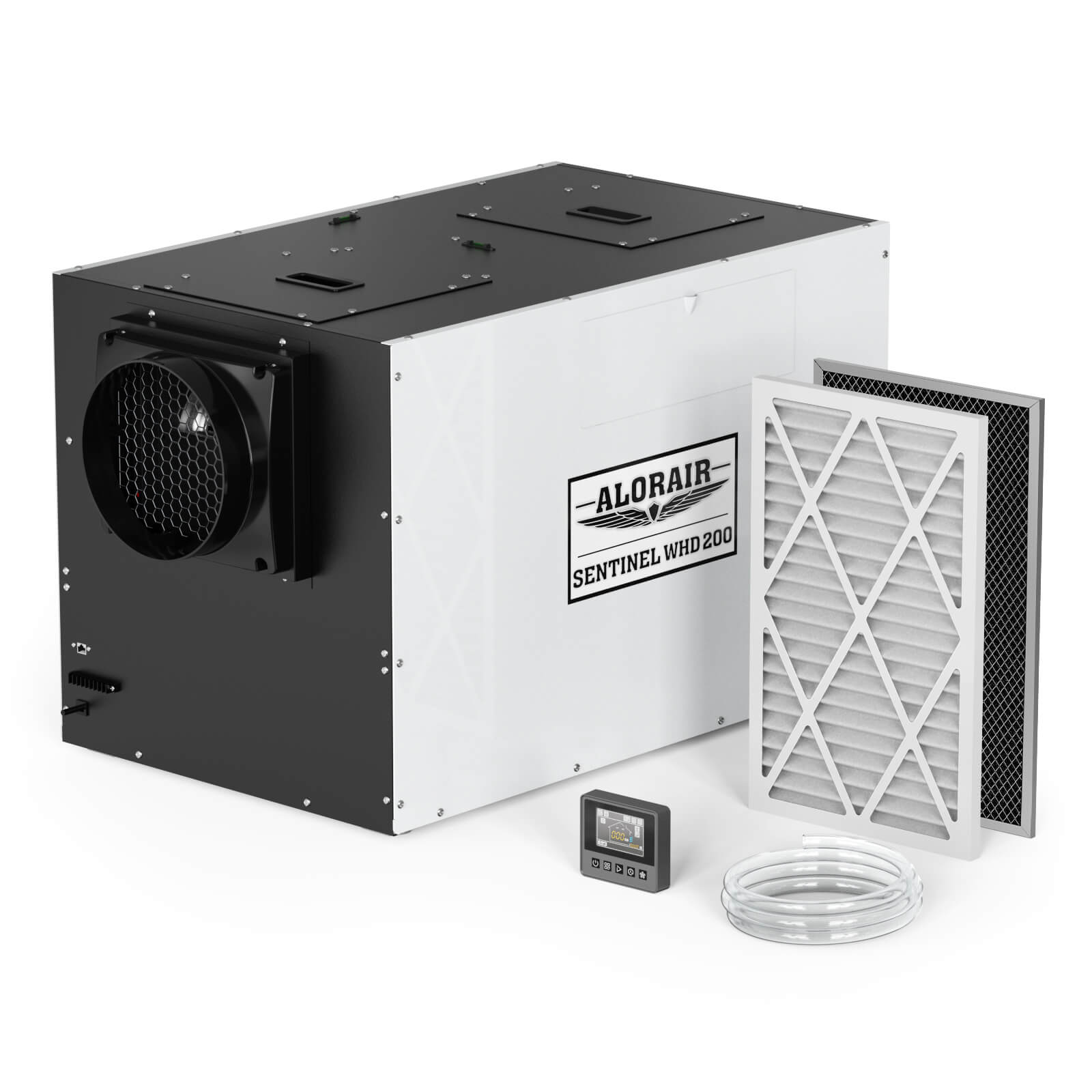
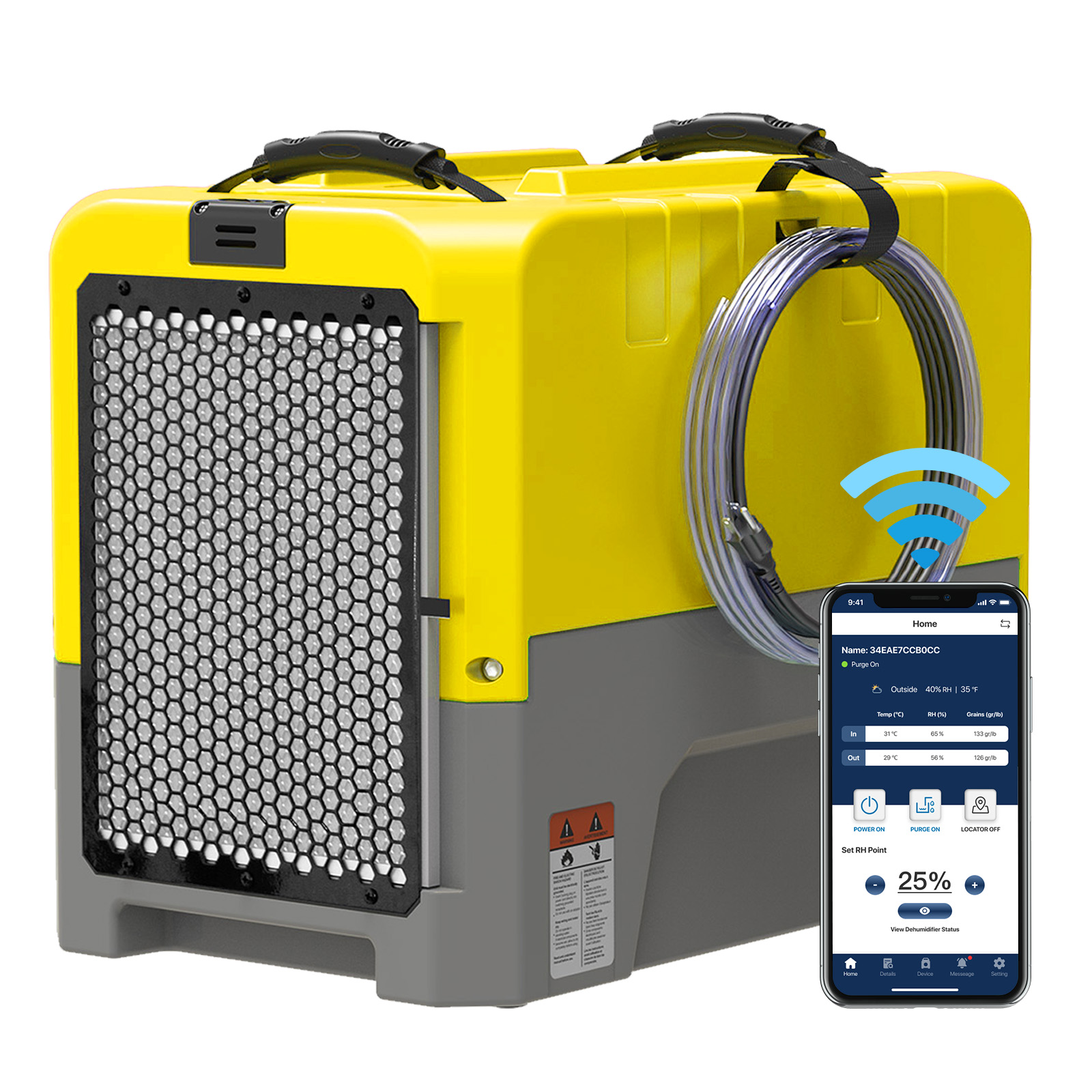
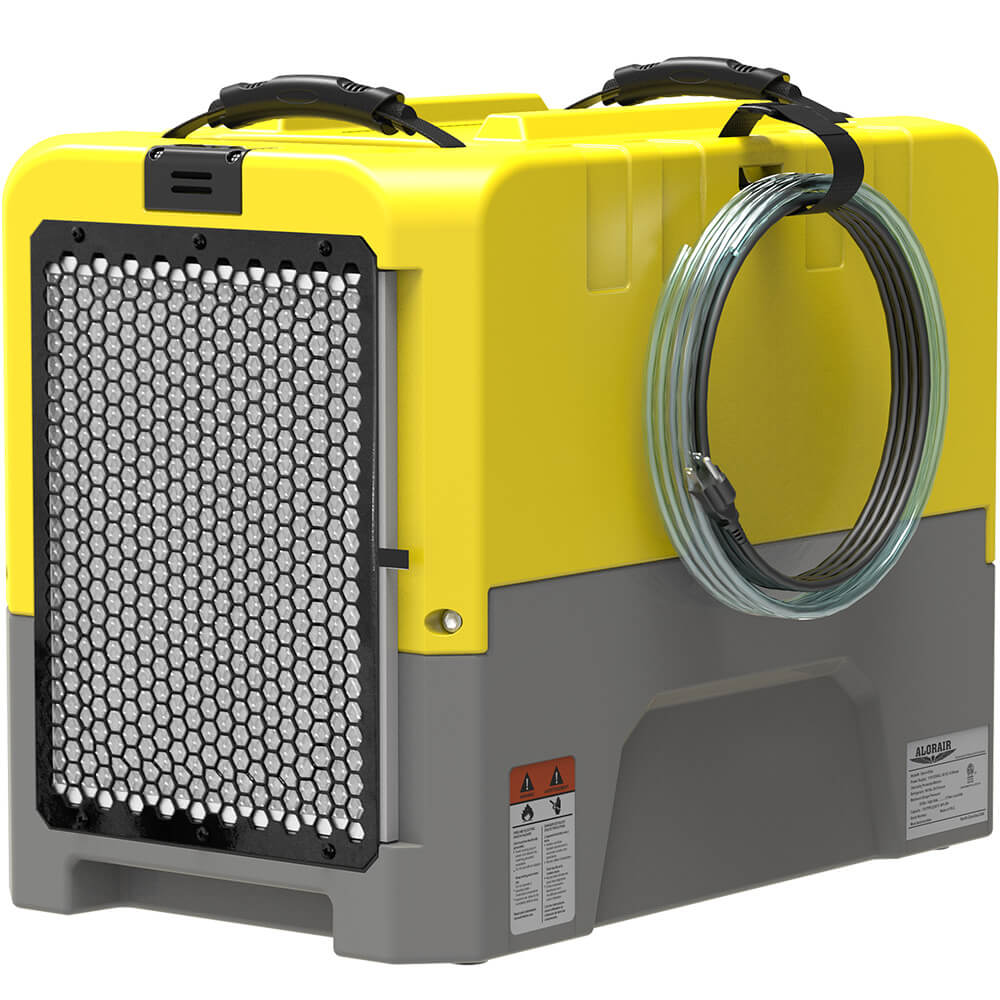
A dehumidifier with a pump is useful in situations where the water would need to drain upwards or across a longer distance. Pumps allow more flexibility of placement and are best suited to situations where there is no floor drain nearby. Both options can be operated continuously. Built-in pumps are especially useful in garages that have no floor drains. The Sentinel WHD 100 has an inbuilt pump to provide continuous drainage, and in higher capacity models, such as the Sentinel WHD 150, the same ease of use is available for larger garages and environments where moisture loads are higher.
Durability For Tough Garage Conditions
Garages are subject to dust and dirt, as well as huge temperature variations. Lightweight plastic units may potentially crack or wear out faster in these conditions. A well-built garage dehumidifier should feature good housing and be designed for long-duty cycles. Durable construction allows the unit to withstand one day after another without the need to repair it often. This is especially important in workshops or storage garages where the need for moisture control is for a longer time. Using a rugged design makes for greater reliability and longer life for the equipment.
Energy Efficiency and Long-Term Costs
Garage dehumidifiers tend to be used for longer than indoor units due to consistently high humidity levels. Energy-efficient models help to reduce electricity costs in the future. Look for units that have automatic humidity controls that turn the system on and off as appropriate. This avoids the problem of over-drying and wasted energy. Efficient operation not only saves money in the form of monthly bills but also helps the machine last longer because of the reduced wear. Over a period of time, an energy-efficient unit can save money without reducing moisture to unsafe levels.
Level of Noise and Flexibility of Placement
Even in garages, noise can be a concern, especially if it is used as a workshop or is close to living areas. Quieter units are more comfortable when run for long periods of time. Flexibility of placement is important, too. A dehumidifier used in the garage conditions should be able to fit on the floor, on a shelf, or in a corner without blocking airflow. Good placement helps in improving efficiency and reducing noise buildup.
Simplicity of Maintenance and Controls
Simple controls make a garage dehumidifier that is easier to use and adjust. Clear display that will help users to set and monitor humidity values without confusion. Easy availability of filters is synonymous with quick cleaning, good air flow, and constant performance. Units that are difficult to maintain would be more likely to be ignored and will fail sooner. Easy maintenance for the system to last and work better. Choosing a model with simple and easy controls and maintenance saves time and keeps the moisture control consistent.
How to Choose the Best Dehumidifier for Your Garage
Match the Unit to Garage Use
Garages used for storage require constant moisture protection to prevent damage to boxes and supplies. Workshop garages always need better airflow to deal with the humidity from tools and daily activities. Vehicle parking areas require moisture control for the prevention of rust and corrosion.
When a Larger Unit Makes Sense
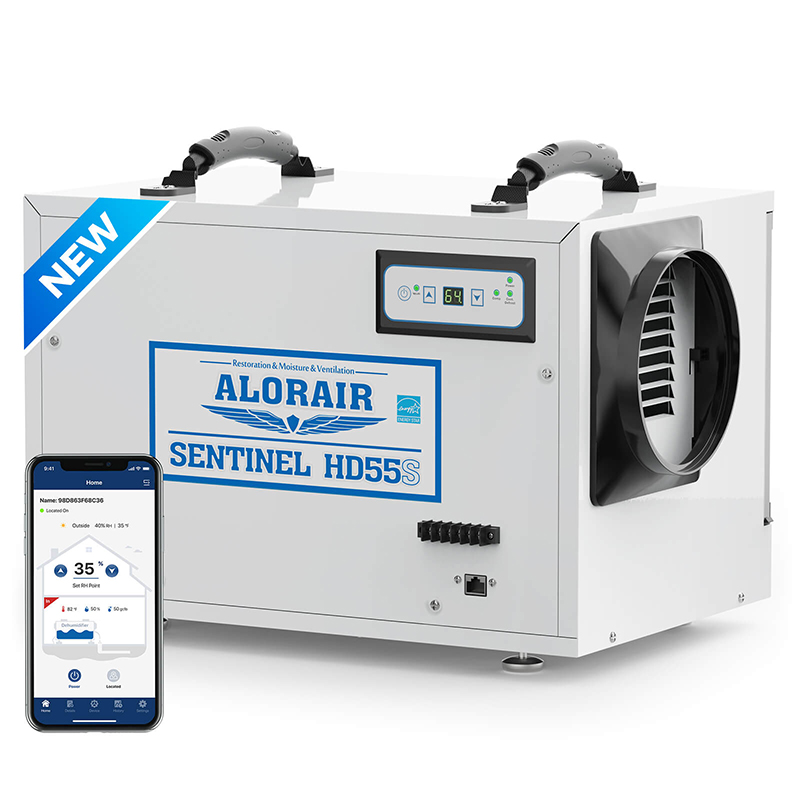
In larger garages, workshops, or locations with frequent door openings, larger-capacity units are more efficient and avoid constant runtime. For heavy moisture loads or large work areas, industrial-grade solutions offer powerful, long-term moisture control solutions. The best dehumidifier for use in the garage is one sized to the space as well as the way the garage is used, so that the dehumidifier’s performance will be consistent and not taxing on the system.
Common Mistakes to Avoid When Dehumidifying a Garage
Using the Wrong Type of Unit
Indoor-only dehumidifiers are not designed to handle the cold and dusty conditions in a garage, and they can fail soon.
Poor Drainage Planning
Noting the need for drainage means having to empty the tanks frequently, which reduces efficiency.
Incorrect Placement
As for unit placement, they are placed close to doors, vents, or leaks where moisture can quickly return.
Underestimating Humidity
Garages tend to be more humid than one would imagine, at least during rainy seasons.
Take Control of Garage Humidity Today!
Choosing the right type of garage dehumidifier is a big step in preventing moisture problems in your space. Well-designed units prevent tool rusting, and the vehicles protect and maintain the items in storage. By observing the proper capacity, good construction, and good drainage, you can better control the humidity. This not only helps to improve comfort, but it also helps to reduce the risk of mold as well as long-term damage. Taking time to learn how big your garage is, how and when it is used, and the moisture needed in a garage is a significant difference. With the right solution in place, you will be able to maintain your garage dry, organized, and safe all year round.
