




-(1).png)
.jpg)
.jpg)
.jpg)
.HDi90.png)
.HD90.png)
.jpg)
.jpg)
.jpg)
.jpg)
.jpg)
.jpg)
.jpg)
.jpg)
.jpg)
.jpg)
.jpg)
.jpg)
.jpg)
.webp)
.webp)
.webp)
.webp)
.jpg)
.jpg)
.jpg)
.jpg)
.jpg)
.jpg)
.jpg)
.jpg)
.jpg)
.jpg)
.jpg)
.jpg)
.jpg)
.jpg)
.jpg)
.jpg)
.jpg)
.jpg)
.jpg)
.jpg)
.jpg)
.jpg)
.jpg)
.jpg)
.jpg)
-.jpg)
.jpg)
.jpg)
.jpg)

















 Exclusive offers
promotions
Exclusive offers
promotions

What actually protects a building after a storm hits, only drying it out, or cleansing the air also? The answer is both. Restoration efforts succeed just when humidity removal and air cleaning join forces. A dehumidifier works by extracting invisible moisture from floors and walls. Air scrubbers simultaneously remove polluted particles that dehumidification alone cannot address. Used together, HEPA air scrubbers and dehumidifiers prevent mold growth, lower health issues, and cut restoration time. This guide outlines how two systems play distinct yet interconnected roles in efficient storm recovery.
What Storm Damage Really Does to Indoor Environments
Storms push great volumes of water into buildings through flooding, wind-driven rain, and roof leaks. Porous materials like wood framing, drywall, concrete, and insulation absorb this water fast.
According to the Federal Emergency Management Agency, the water can move deep inside structural matter within hours, even while surface water looks limited.
When materials remain wet, indoor conditions alter quickly. According to the U.S. Environmental Protection Agency (EPA) study, mold growth can start within 24-48 hours when humidity stays trapped indoors.
Moreover, storms leave airborne pollution behind. When water retreats, bacteria, mold spores, dust, and debris turn airborne. All these particles pass around the area and fix on clean surfaces.
Why Drying and Air Cleaning Must Happen at the Same Time
Just drying does not bring back a secure indoor environment. Humidity removal lowers dampness; however, it does not stop airborne pollutants discharged during storm damage.
According to the Institute of Inspection, Cleaning, and Restoration Certification (IICRC) studies, the polluted air slows down drying by restoring humidity and smells into cleaned spaces.
Moreover, air quality impacts well-being and comfort during restoration. Fine debris and mold spores stay hanging in the air after surfaces dry. Without filtration, such particles settle back onto materials, boosting the danger of regrowth.
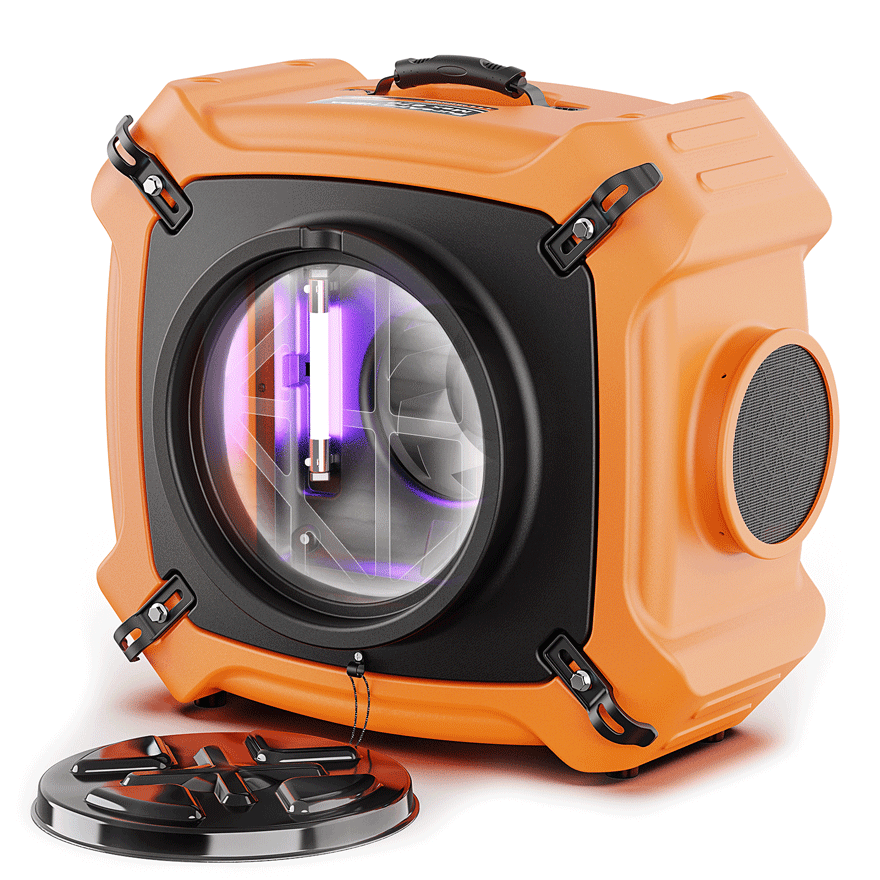
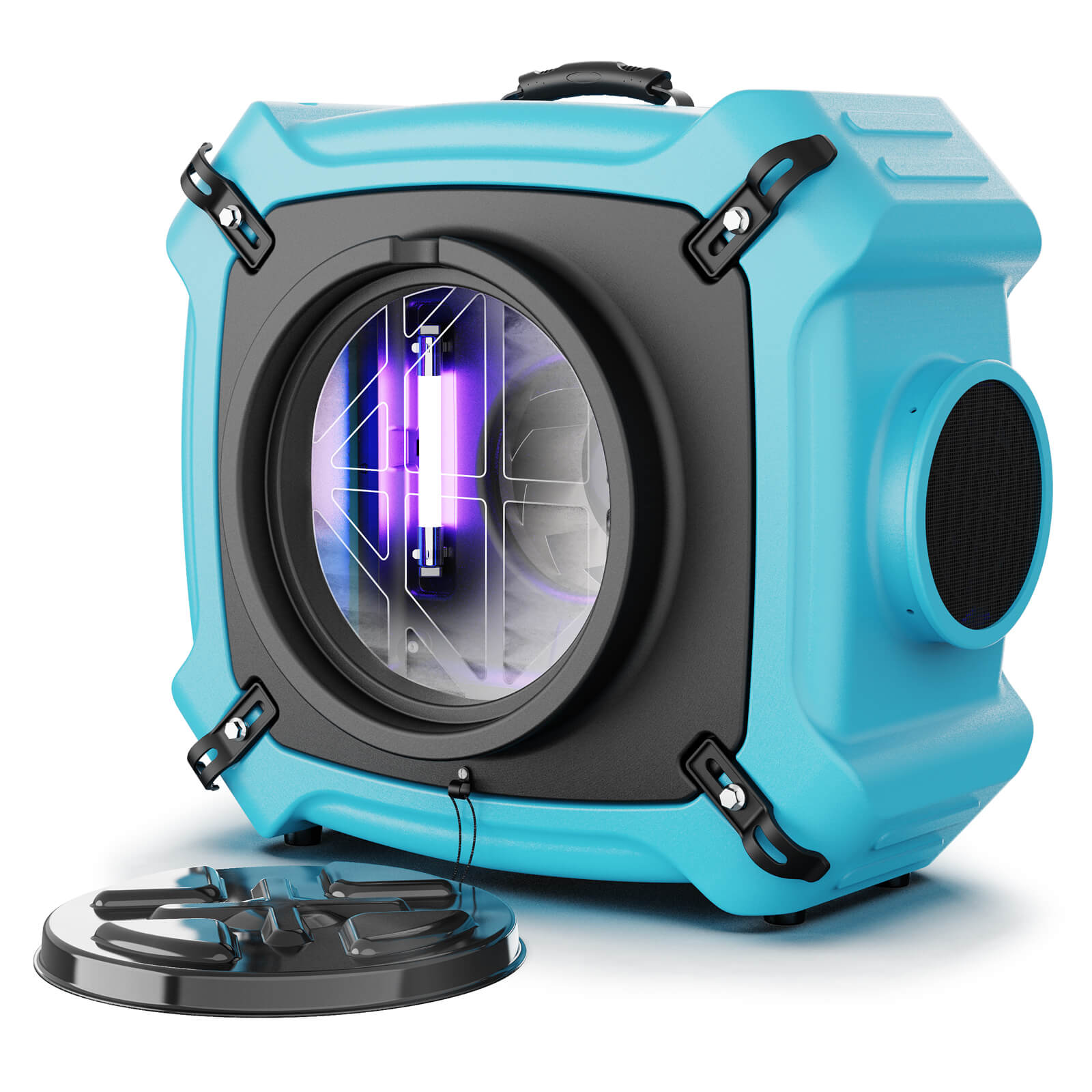
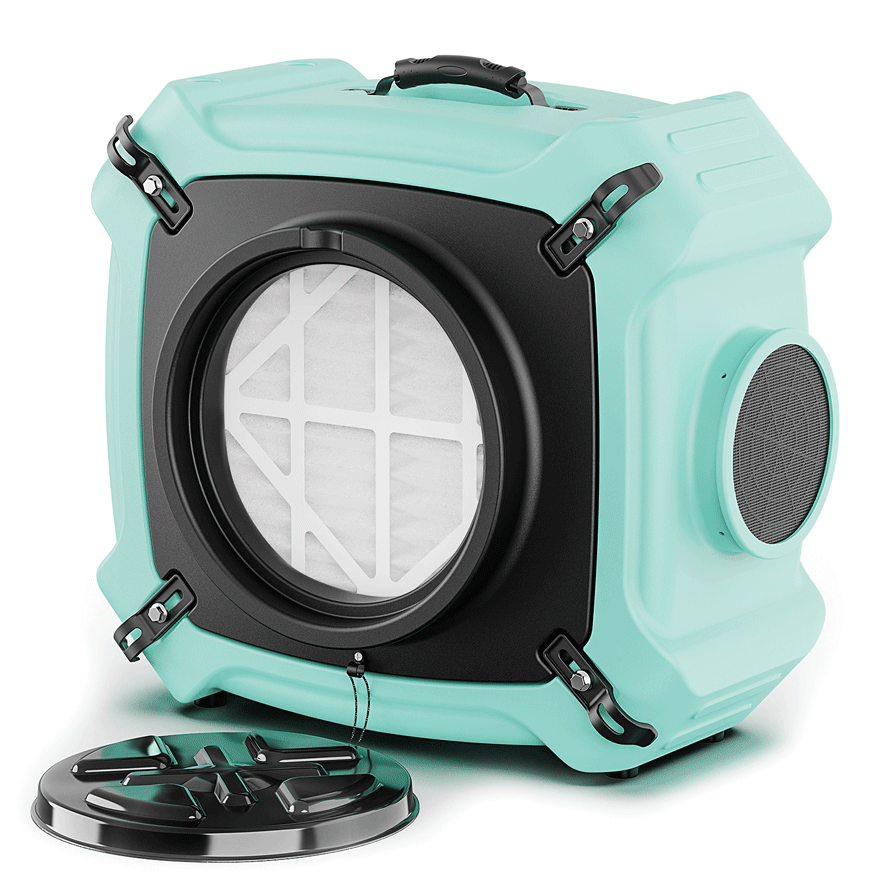
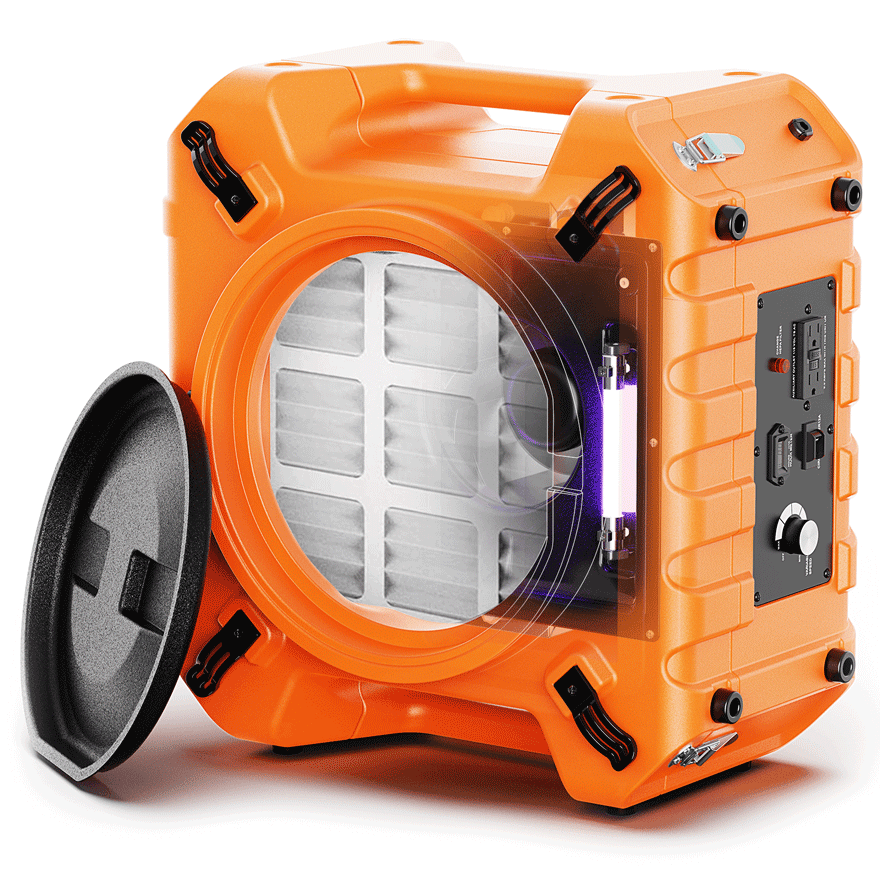
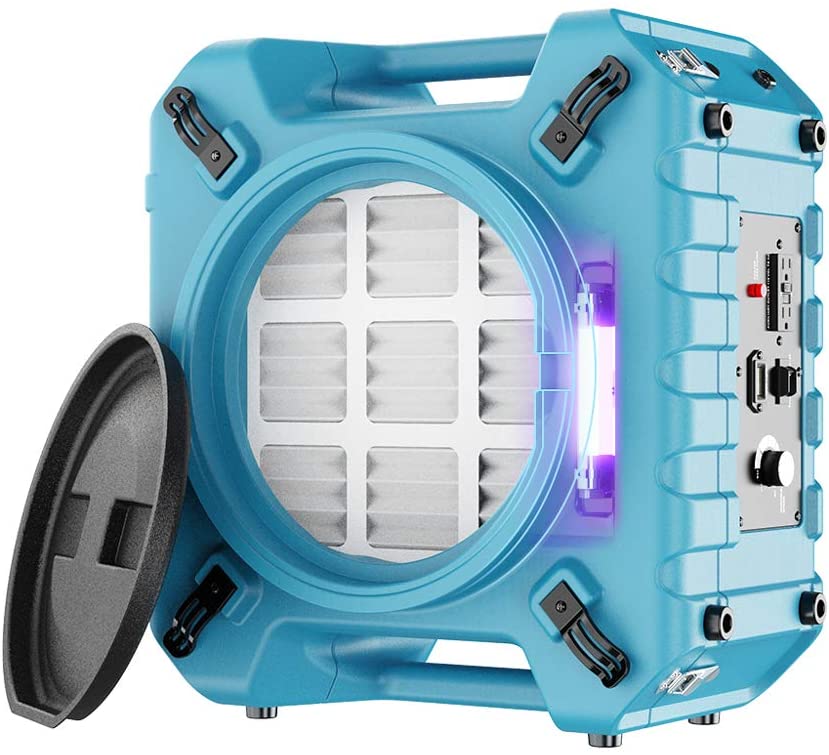
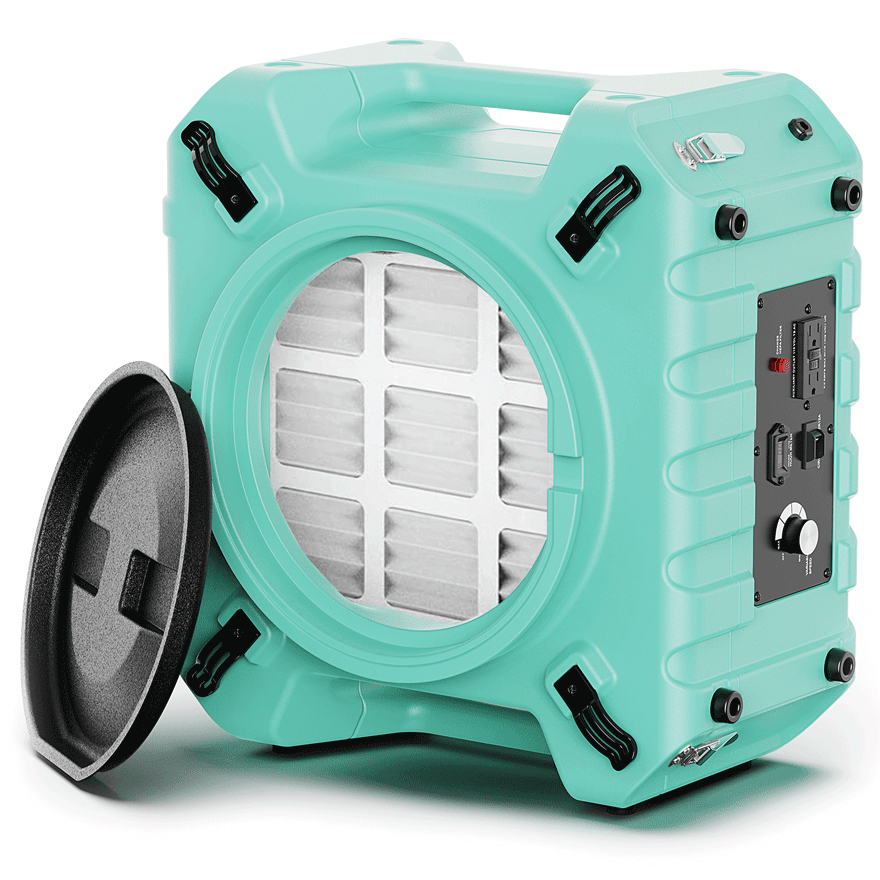
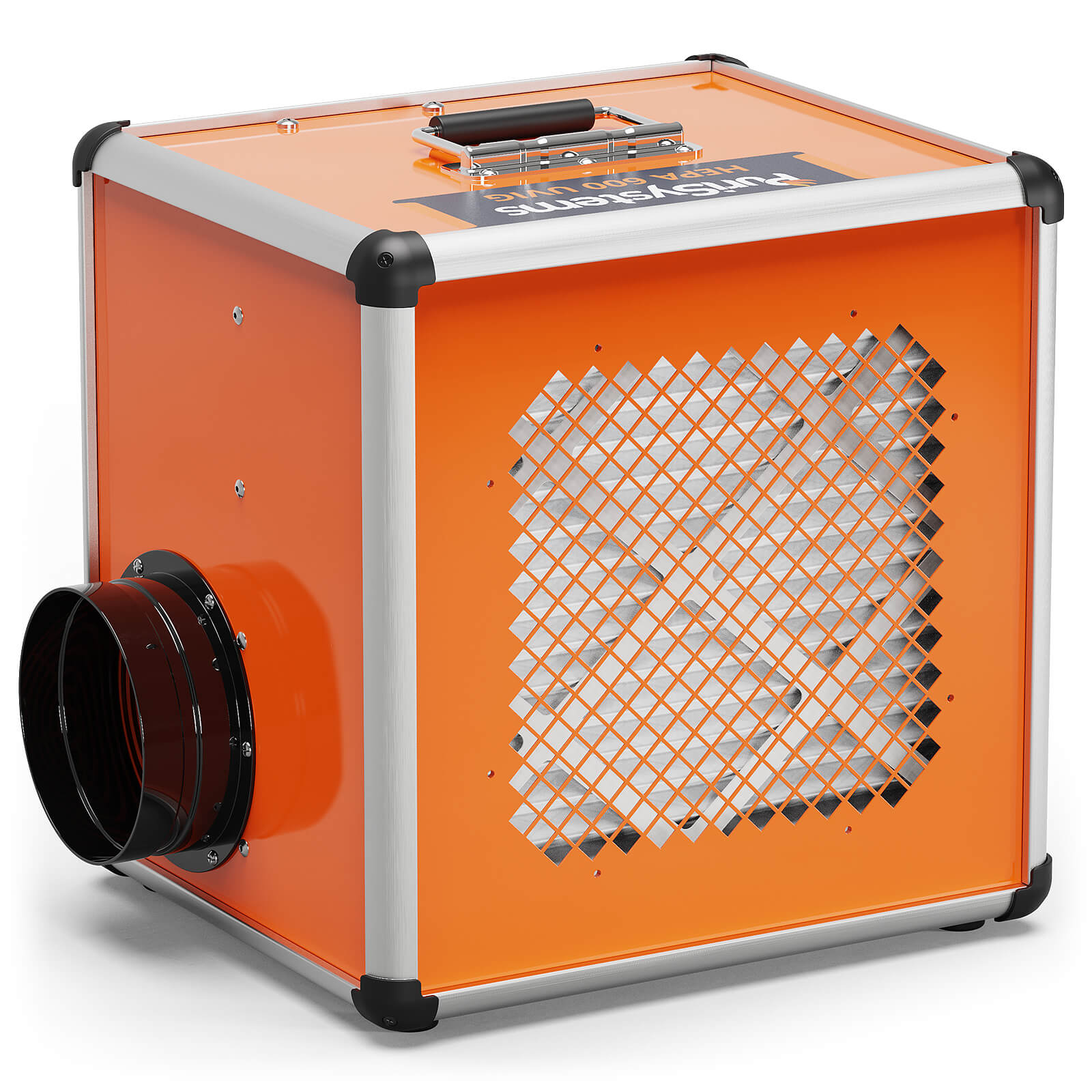
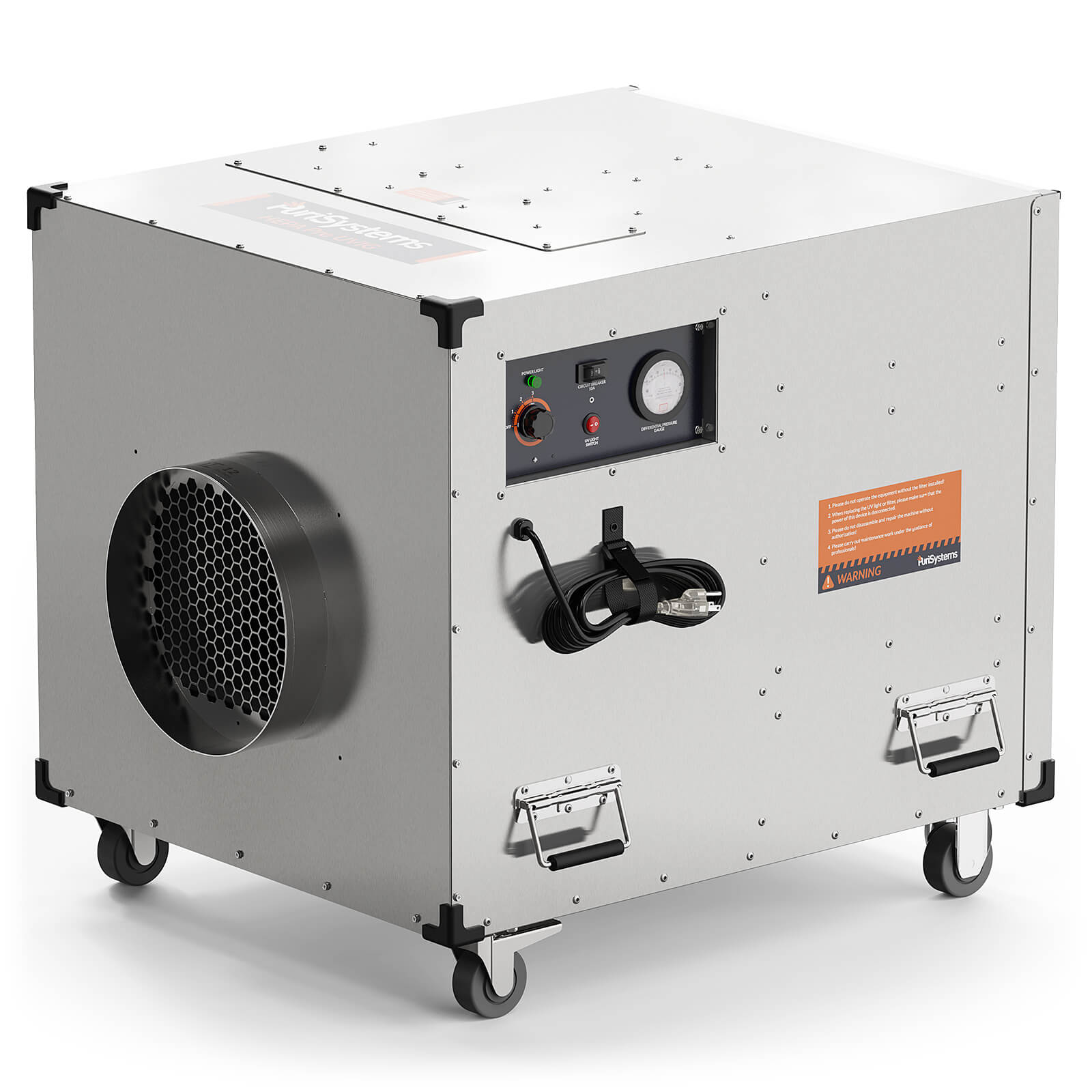
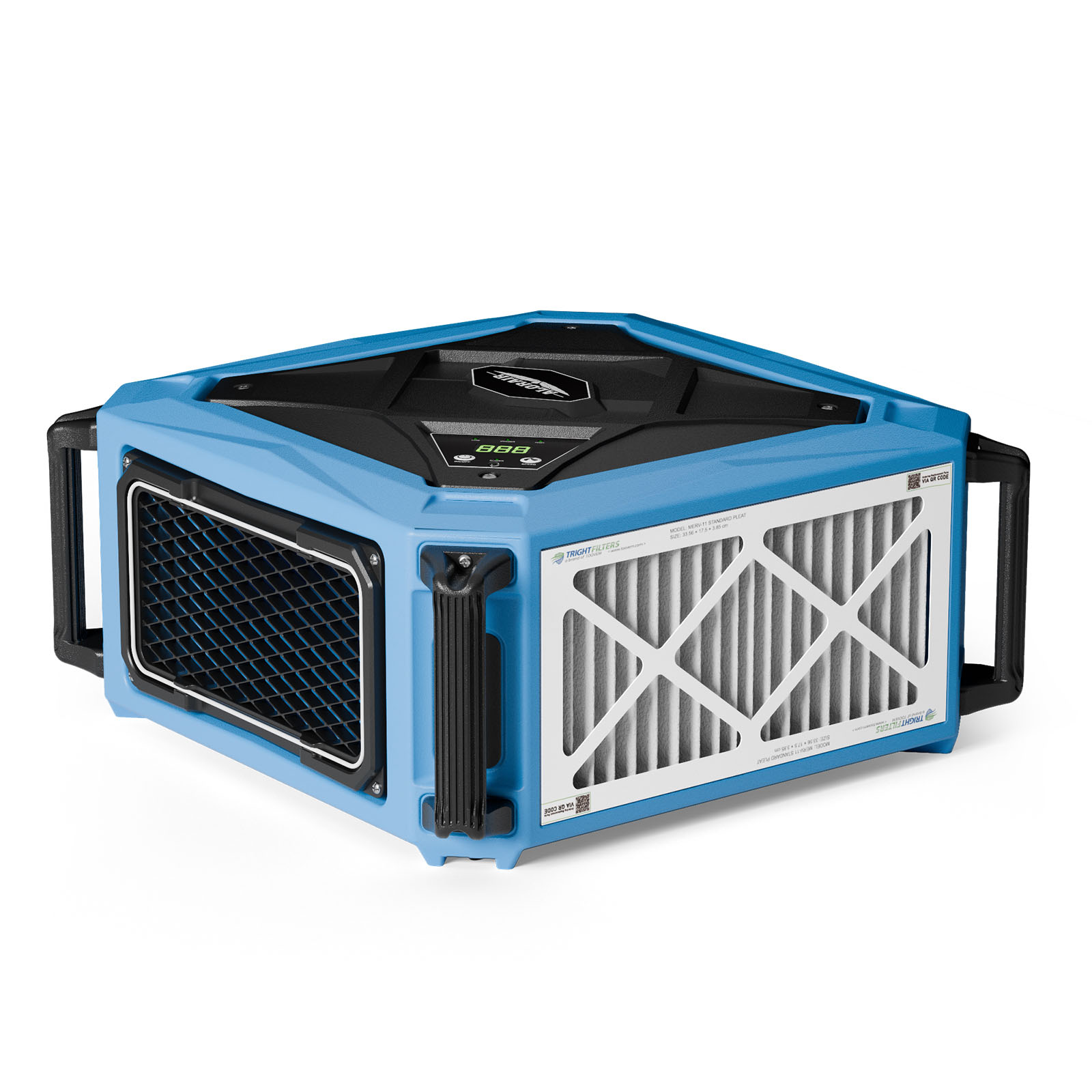
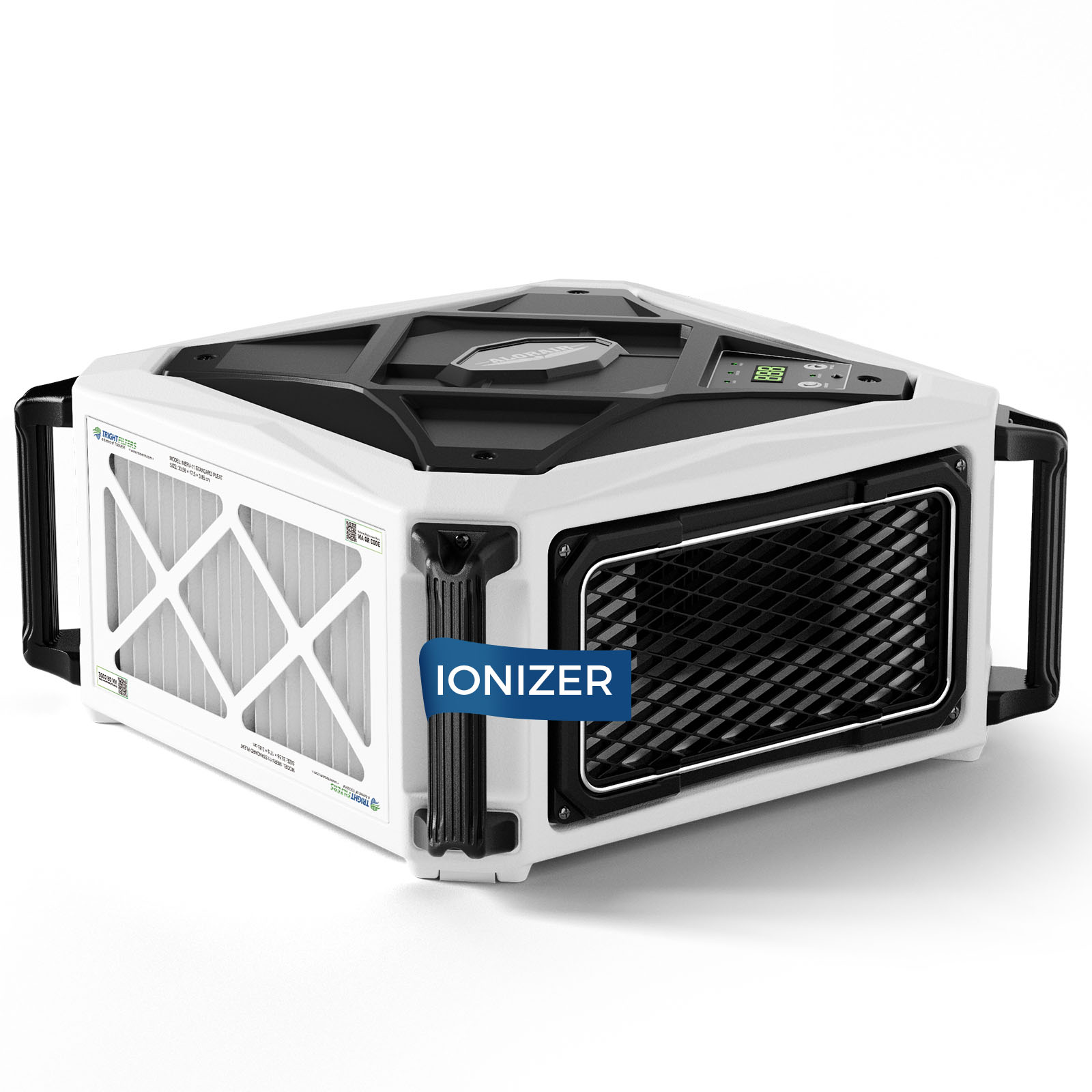
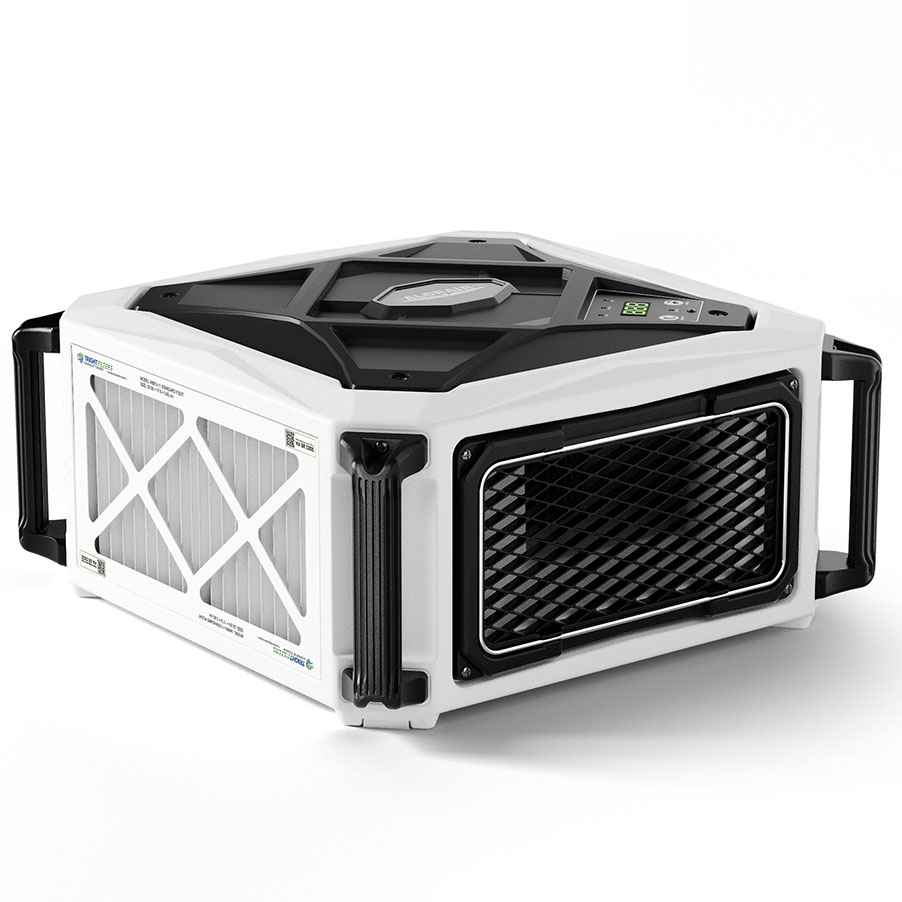
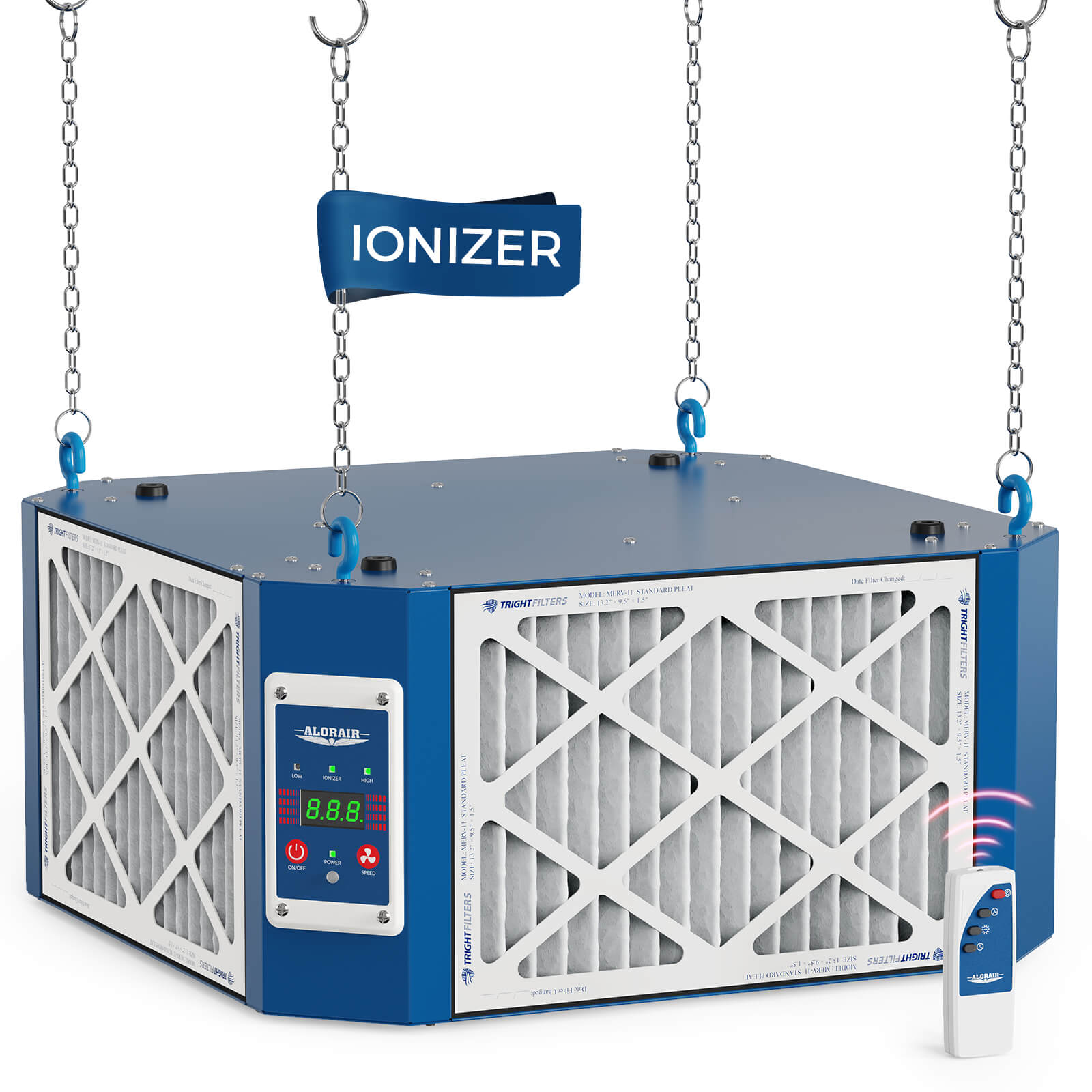
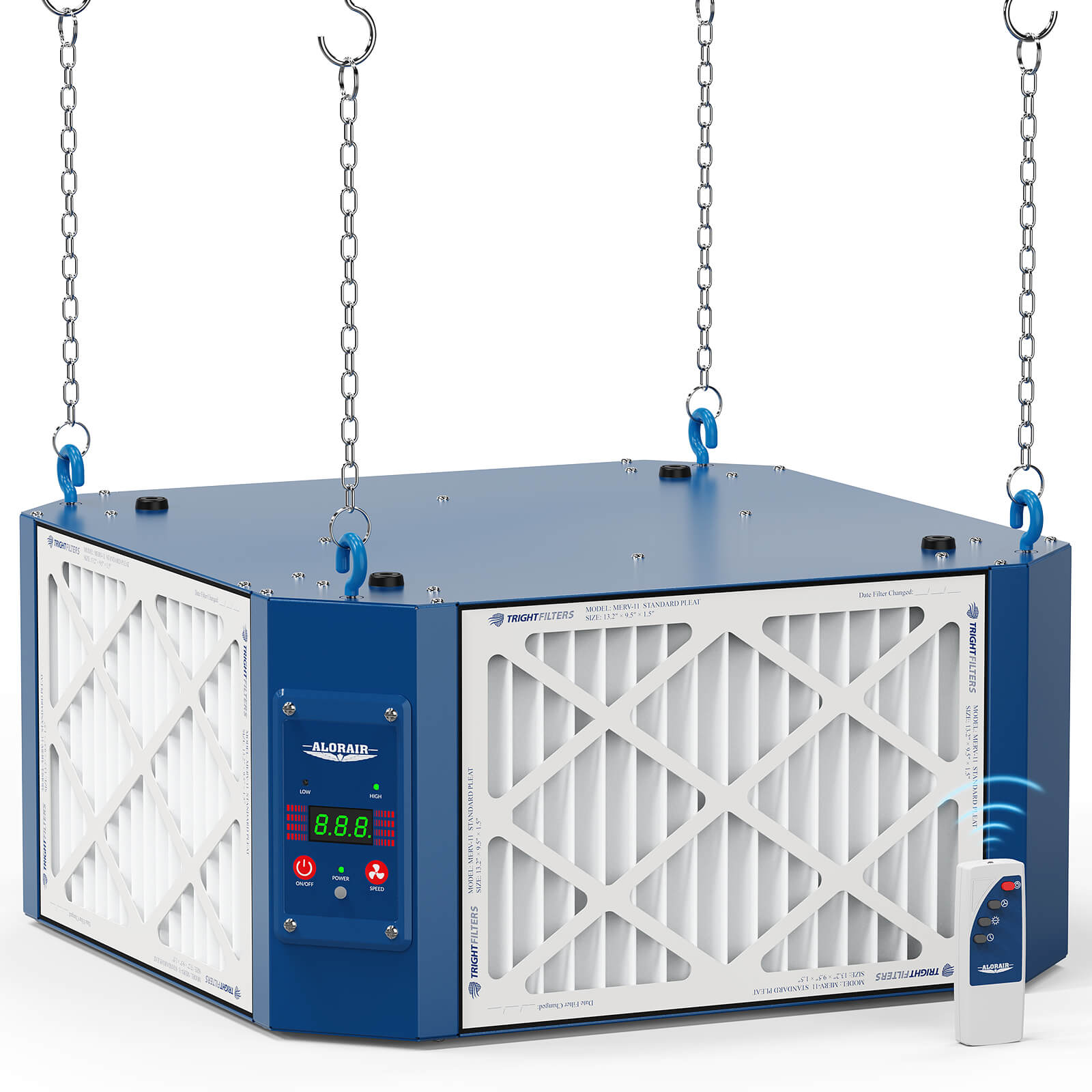
This is the reason experts combine humidity control with HEPA air scrubbers like AlorAir PureAiro Pro 870, which catch particles as tiny as 0.3 microns before they circulate more.
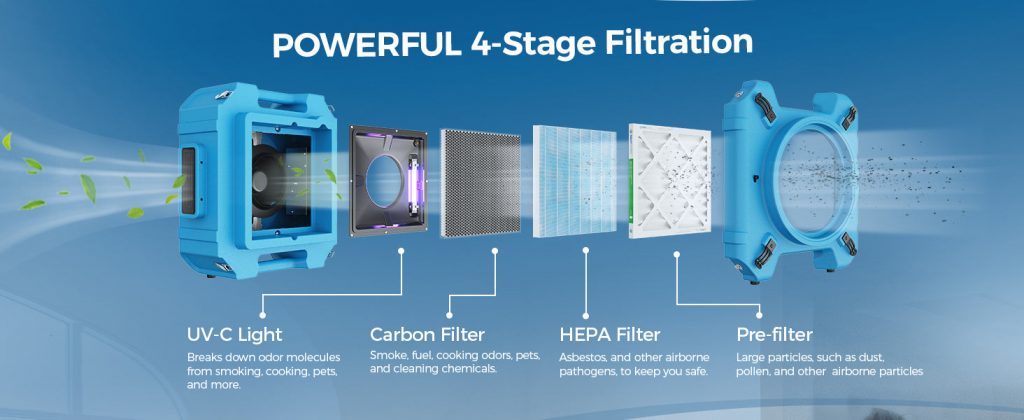
This affordable unit features a 3-stage filtration system, UV-C light technology to disable viral microorganisms. Additionally, it offers airflow up to 550 CFM, durable housing, daisy chain outlets, and quiet operation.
Using both systems at once stops secondary harm. A dehumidifier for mold reduces dampness to levels where mold cannot grow; however, air scrubbers constantly clean the breathing zone.
How Dehumidifiers Support Storm Recovery
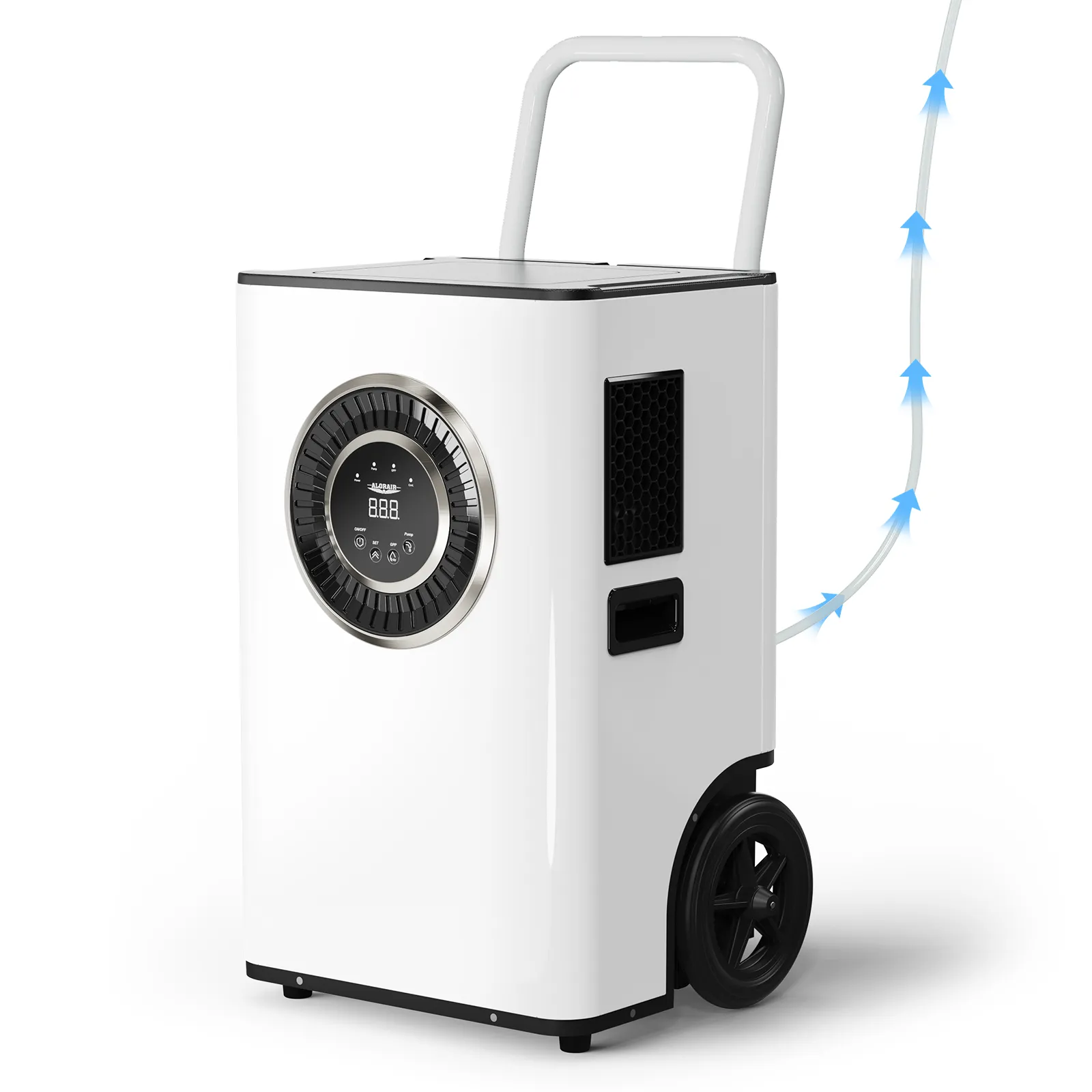
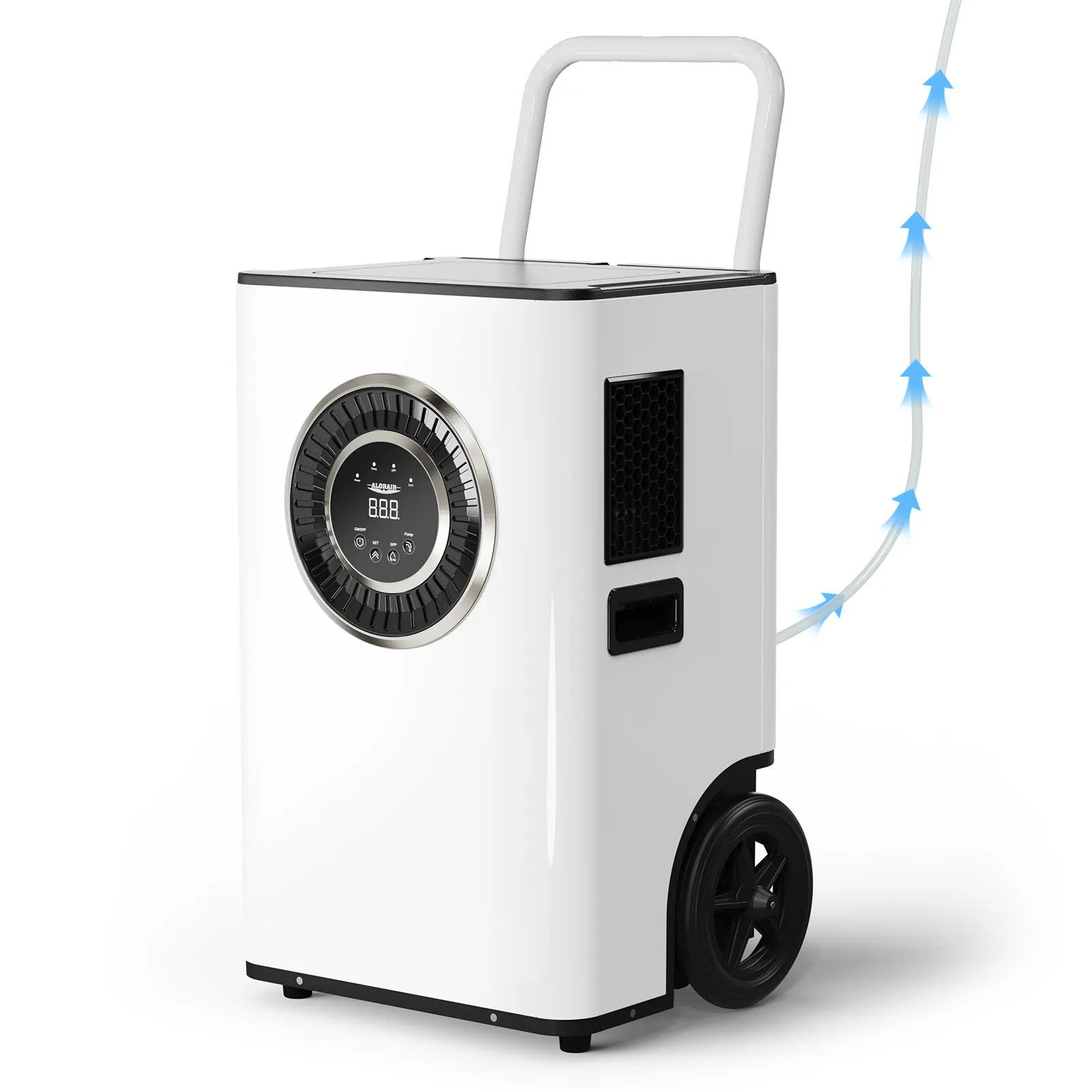
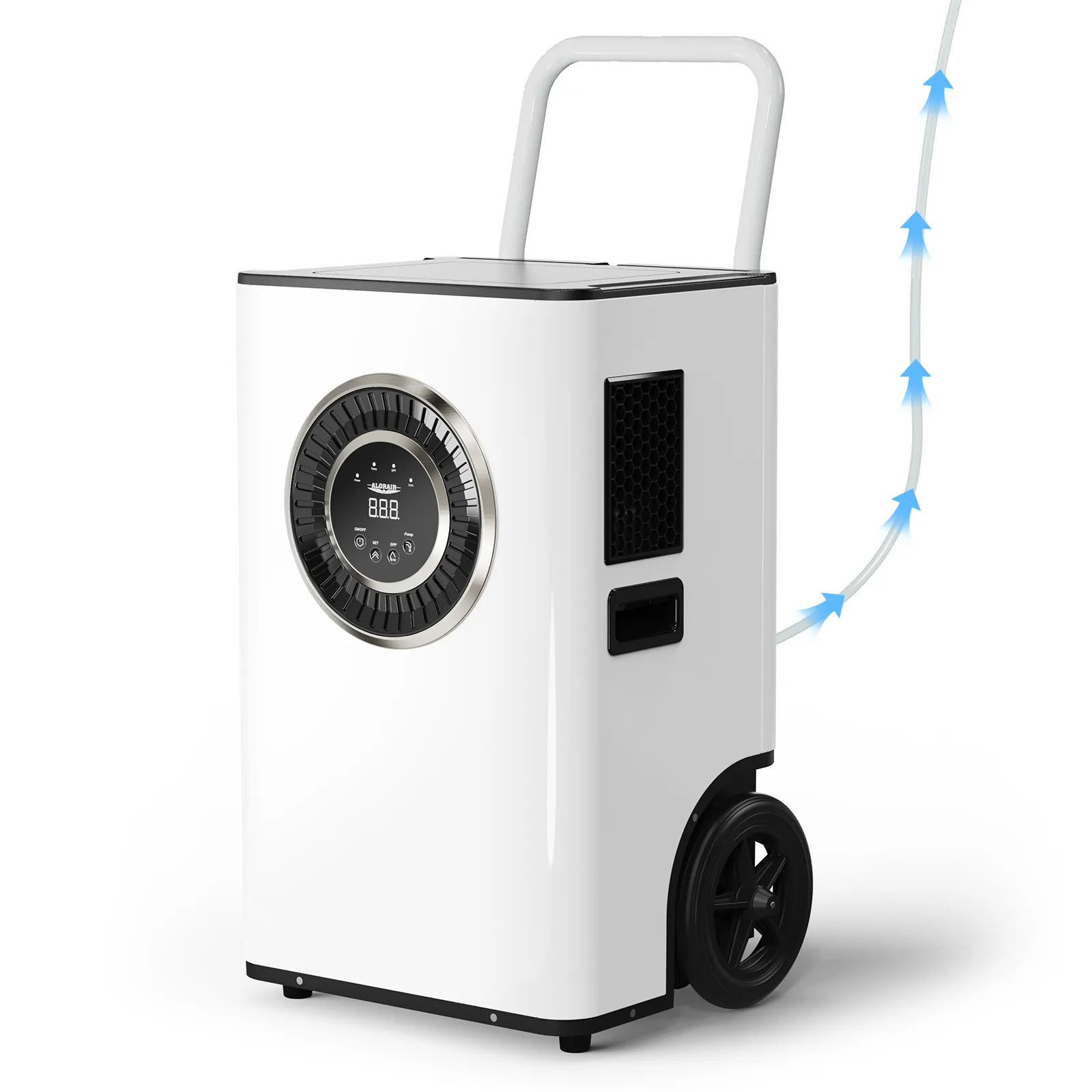
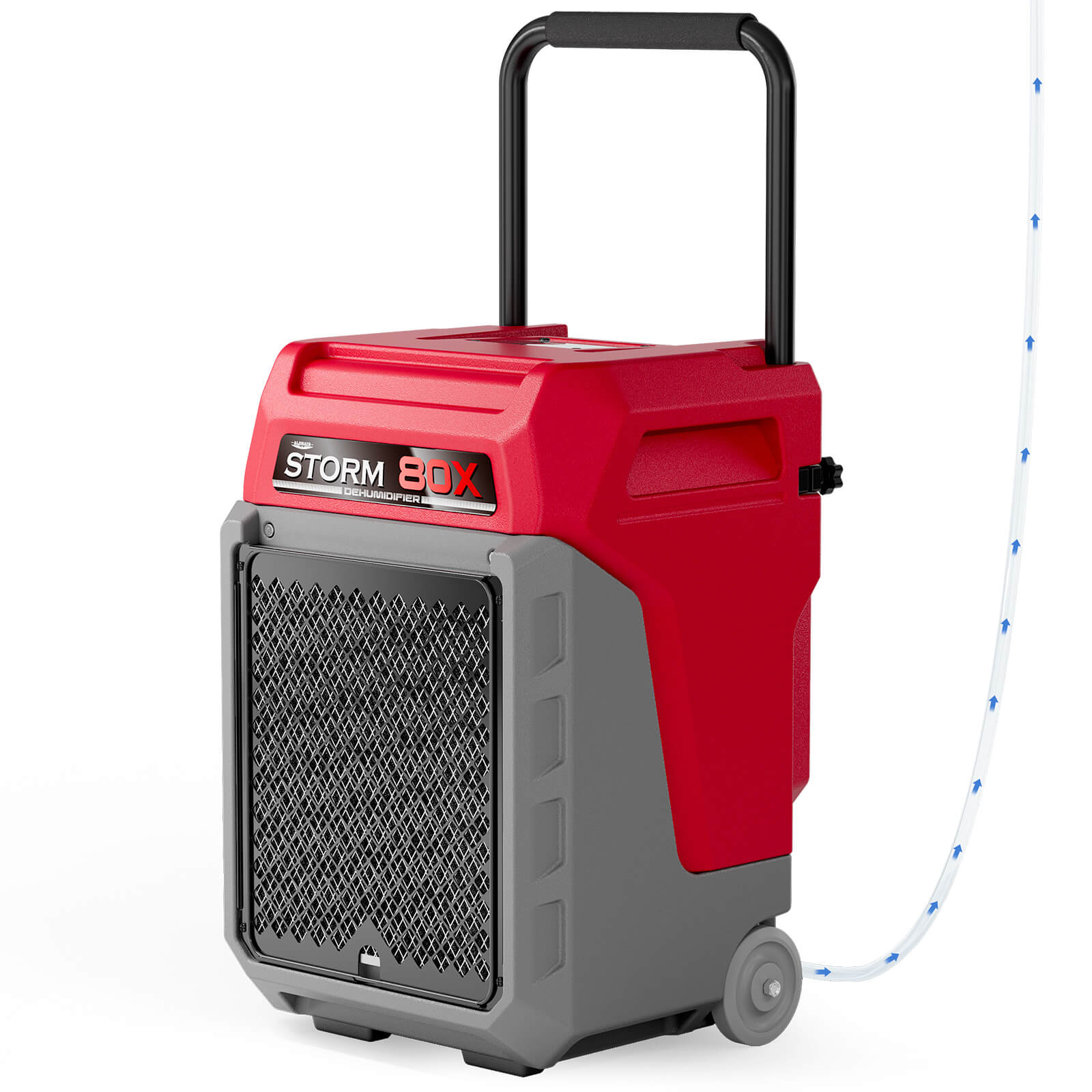
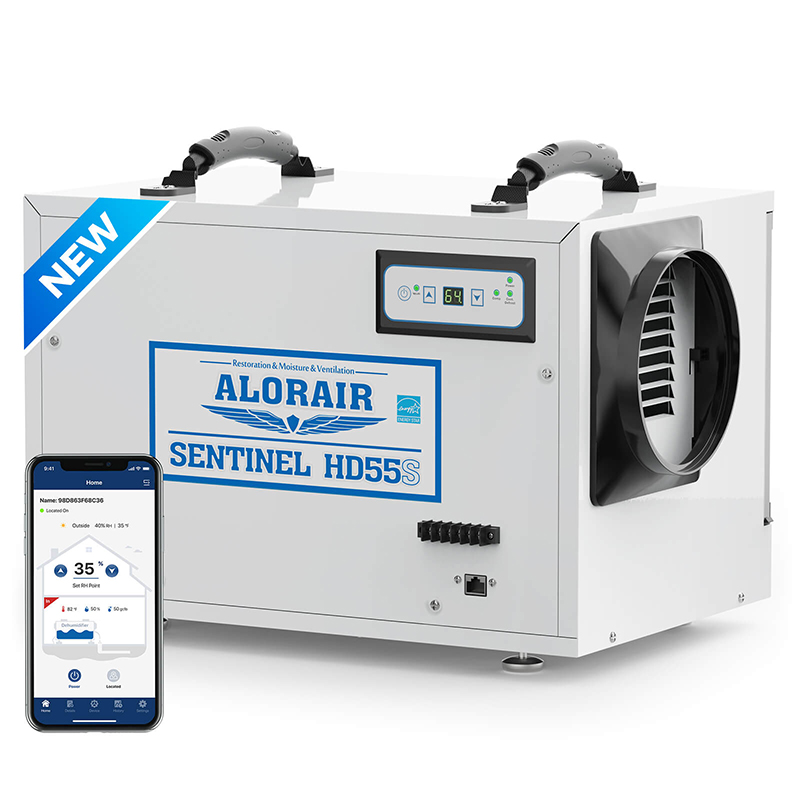
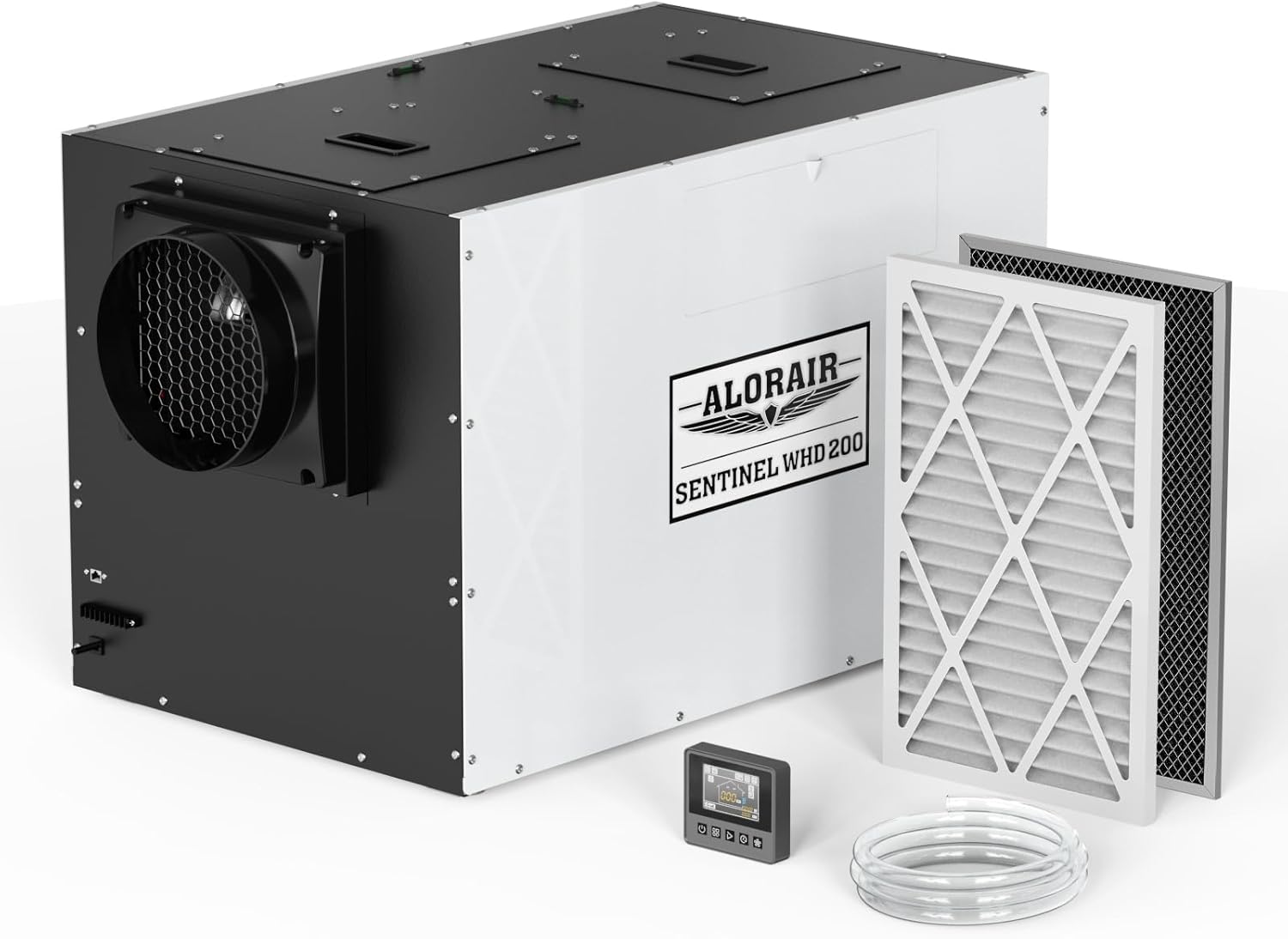
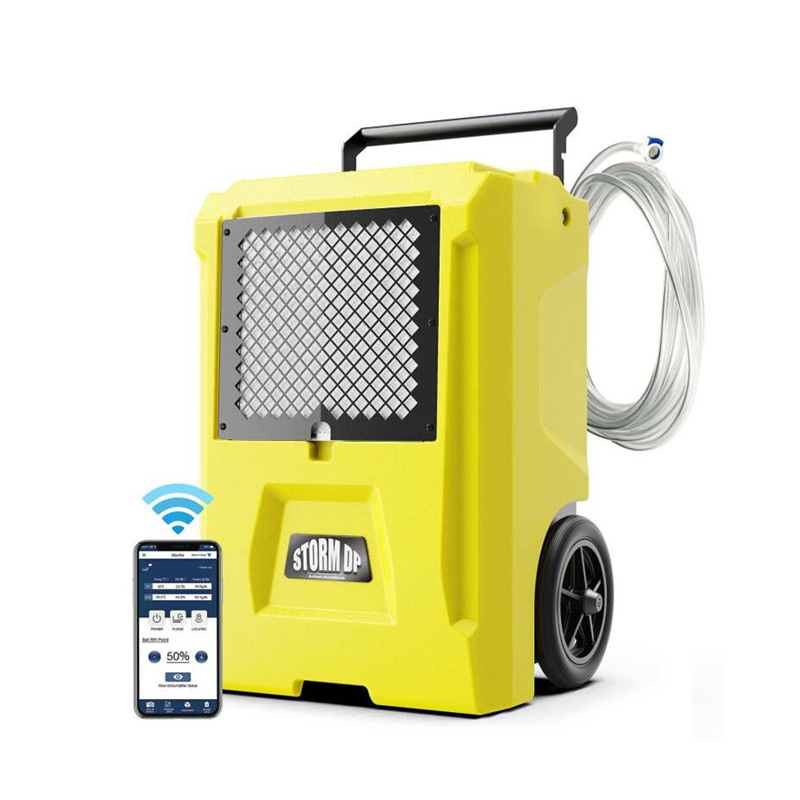
Dehumidifiers set the foundation of storm recovery, as moisture causes nearly all secondary damage. So, what does a dehumidifier do? It extracts water confined inside building materials and balances indoor humidity:
Removing Moisture Where You Can’t See It
After flooding, water hides within drywall, wooden structures, insulation, and concrete. Surface dehumidification leaves this dampness behind. Dehumidifiers decrease air humidity, which generates a pressure difference that draws moisture out of wet materials.
Building Science verifies that controlled drying is key to drying assemblies that cannot be unlocked easily.
Furthermore, crawlspaces and basements need special focus because cold temperatures slow evaporation. A correctly sized dehumidifier for mold control maintains relative humidity under 50% which restricts microbial growth during recovery. 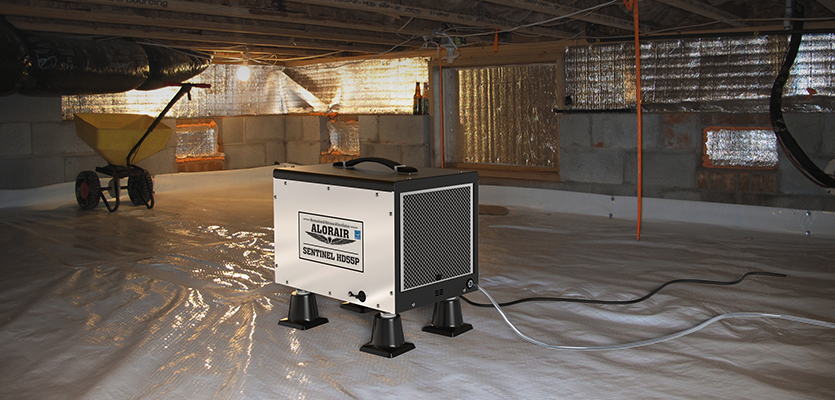
Speeding Up Structural Drying
Reduced humidity multiplies evaporation rates. According to the IICRC Standards, keeping controlled humidity minimizes total drying duration and lowers material replacement charges.
Additionally, dehumidifiers facilitate air movers by trapping moisture once it evaporates. Without moisture extraction, air exchange alone just recirculates humid air. This collaboration prevents corrosion, warping, and material decay after storms.
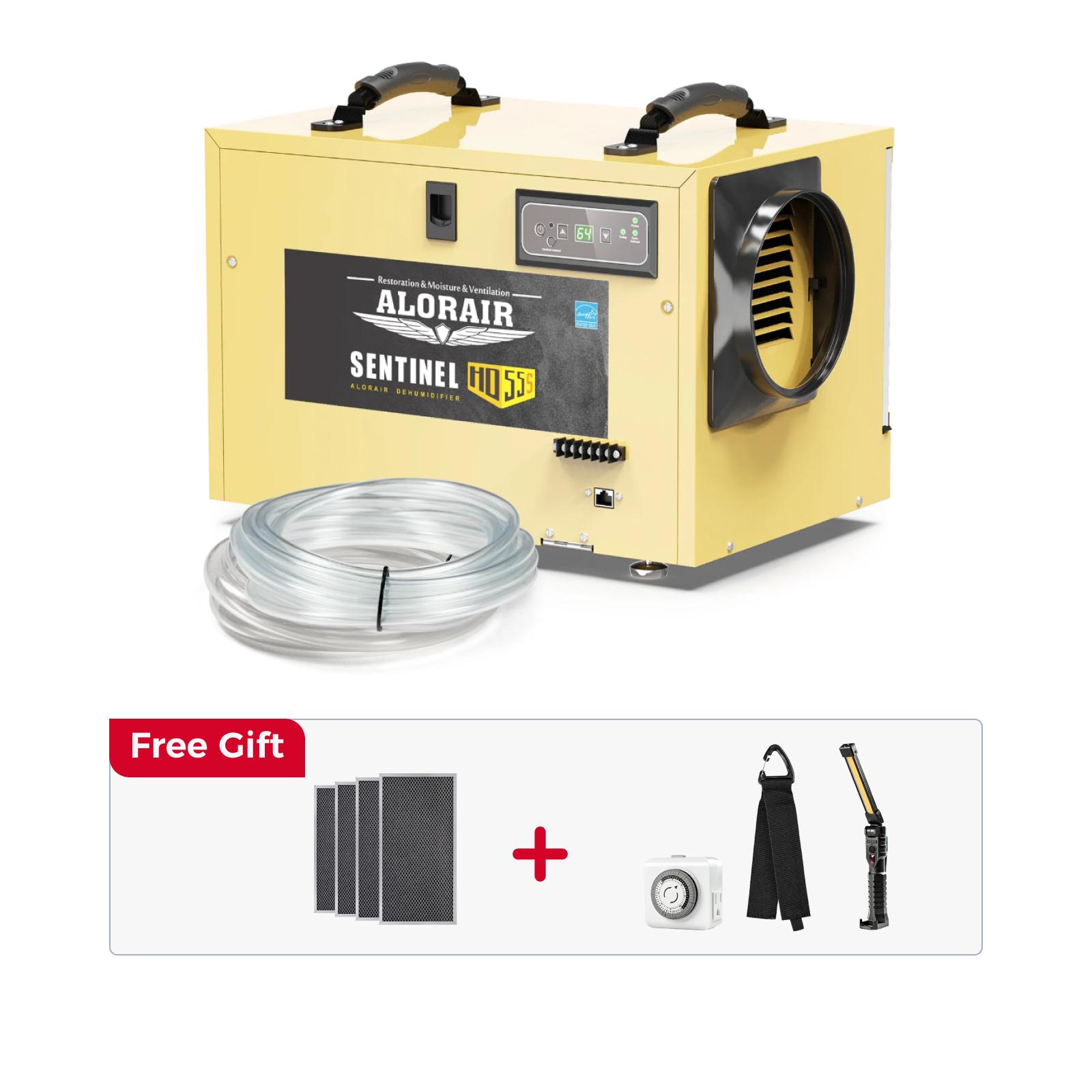
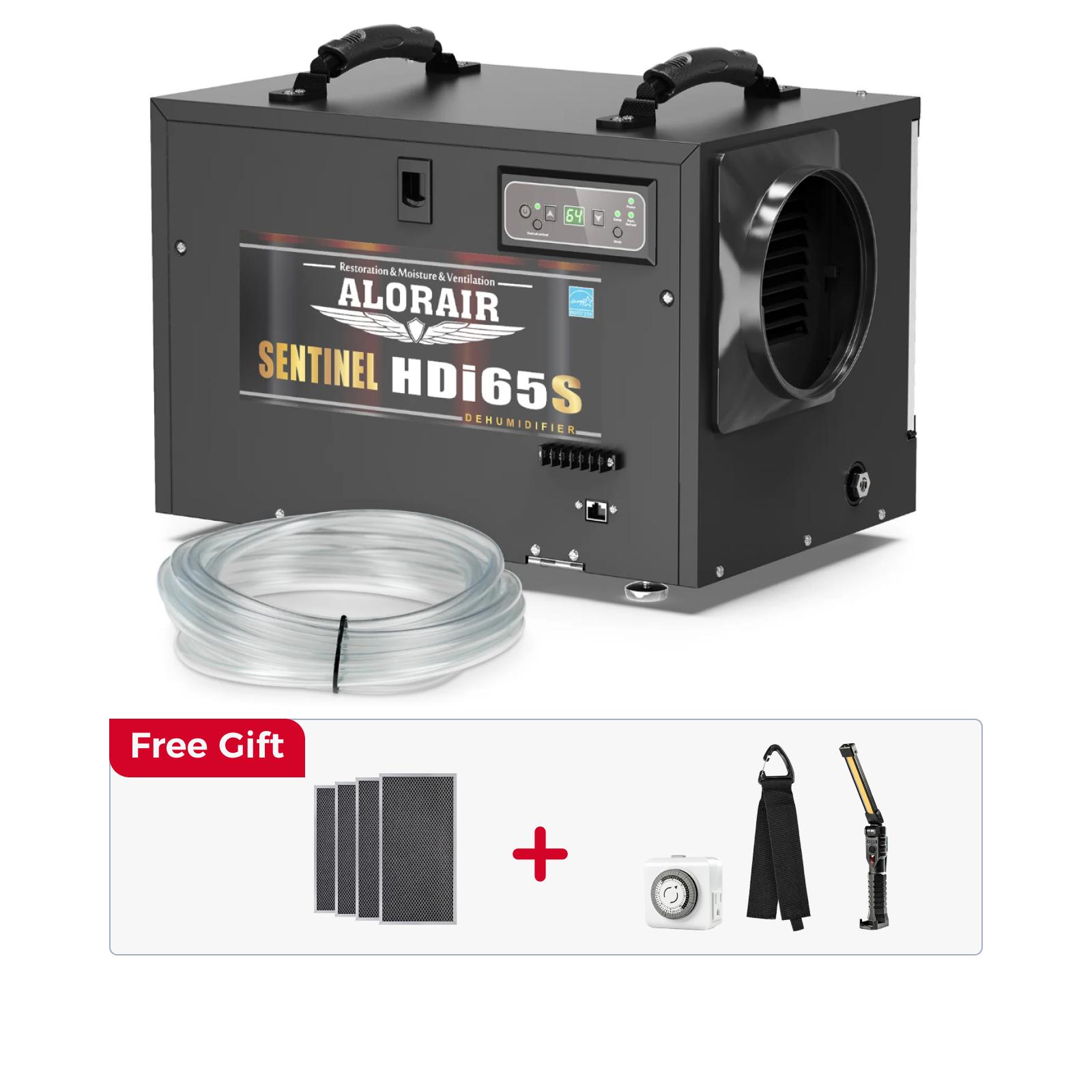
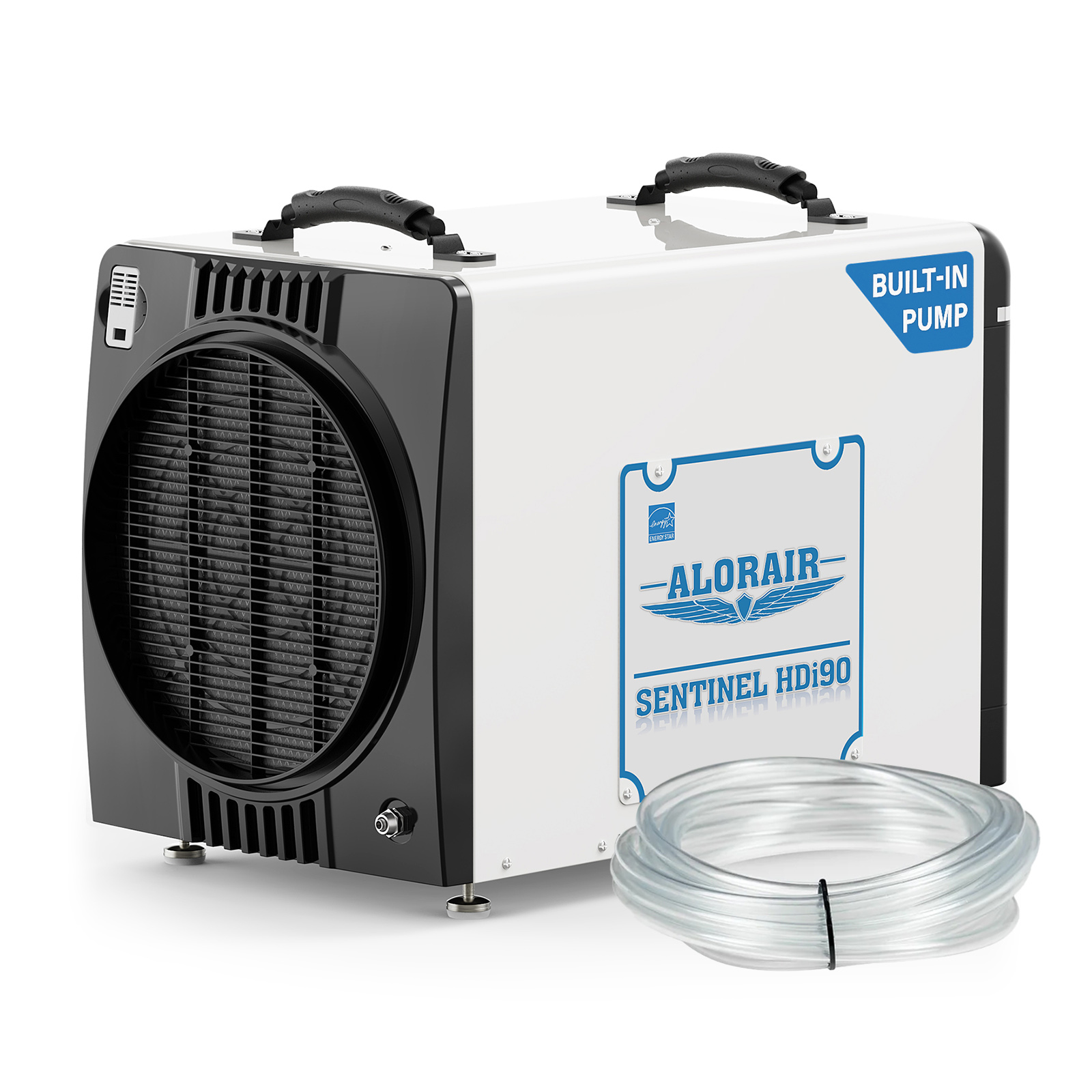
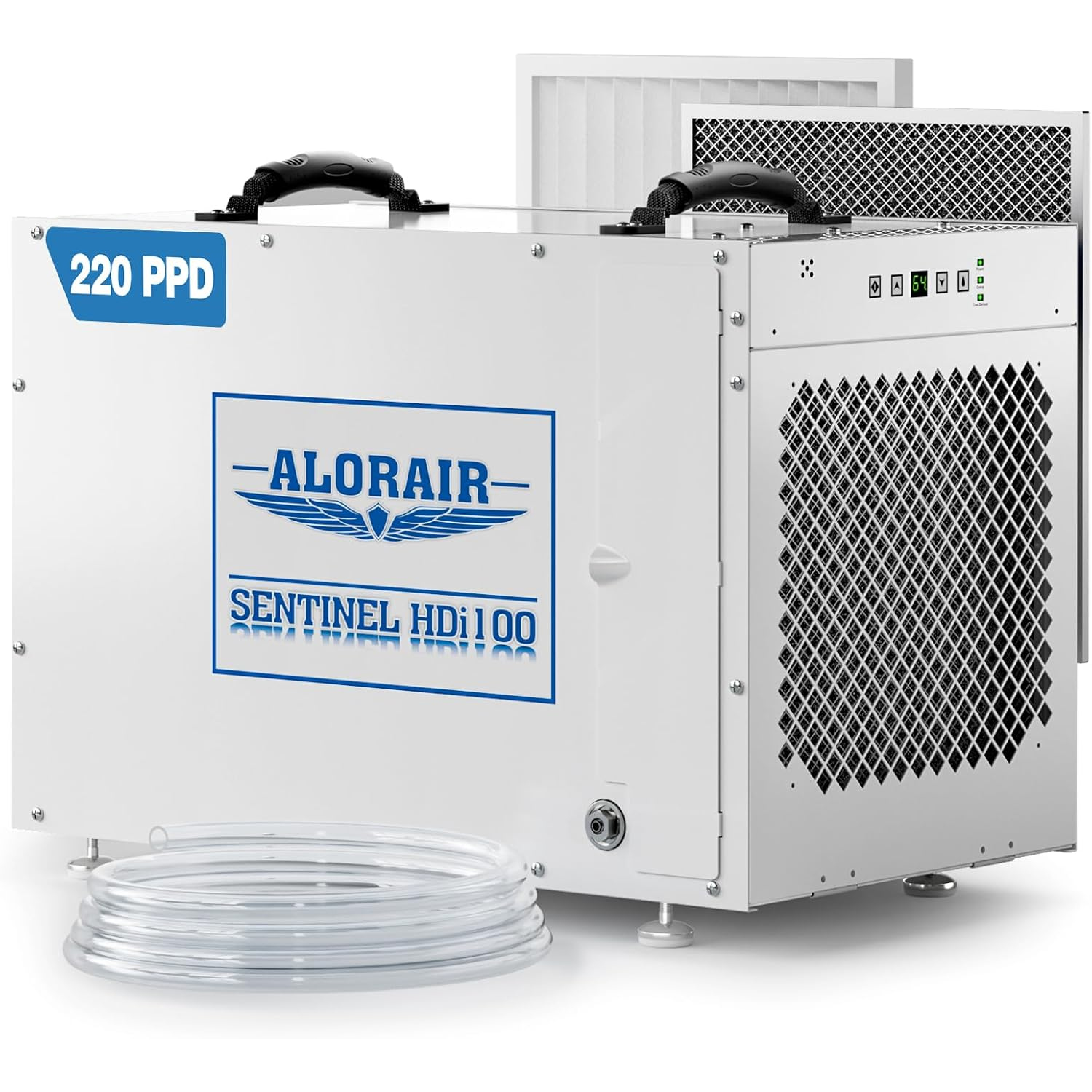
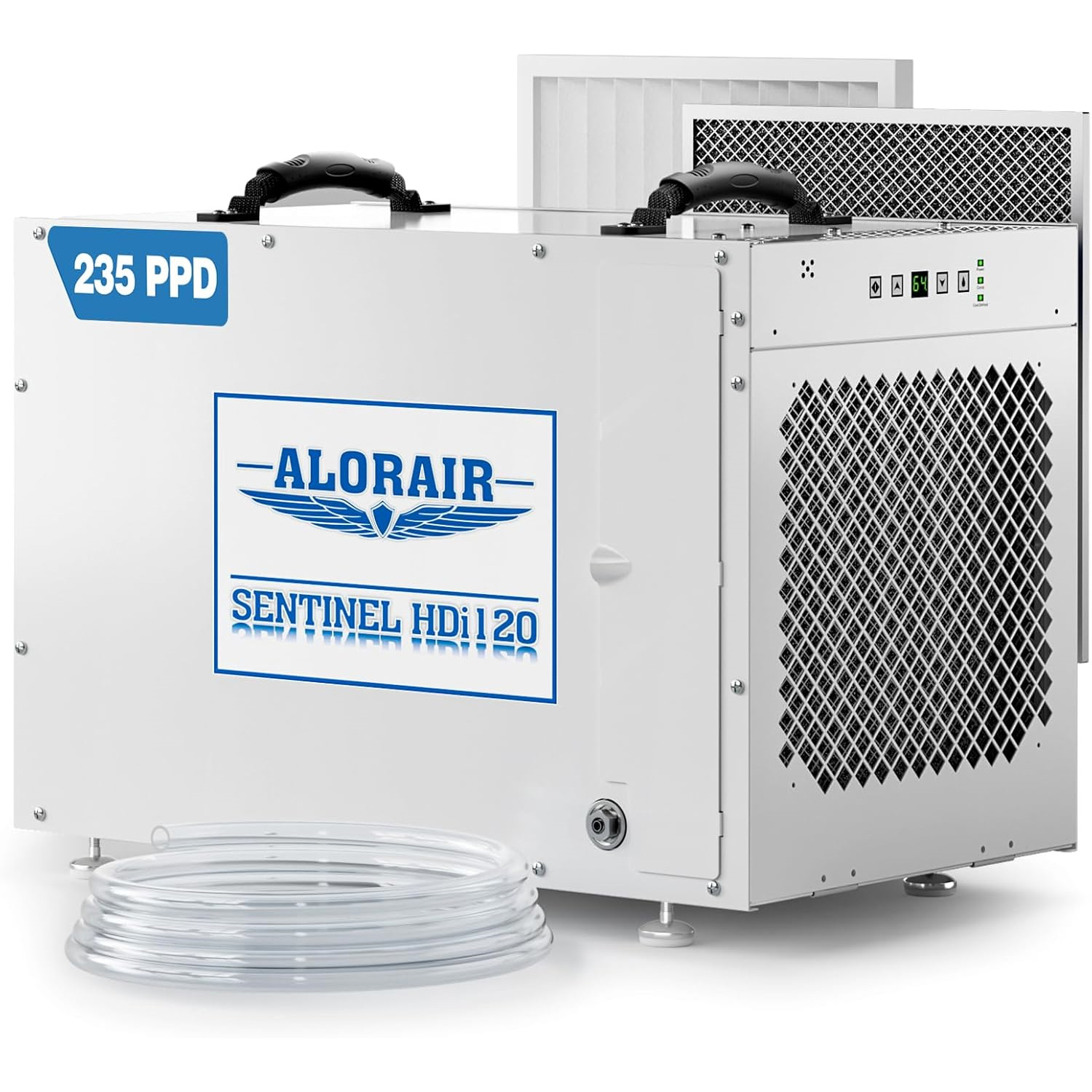
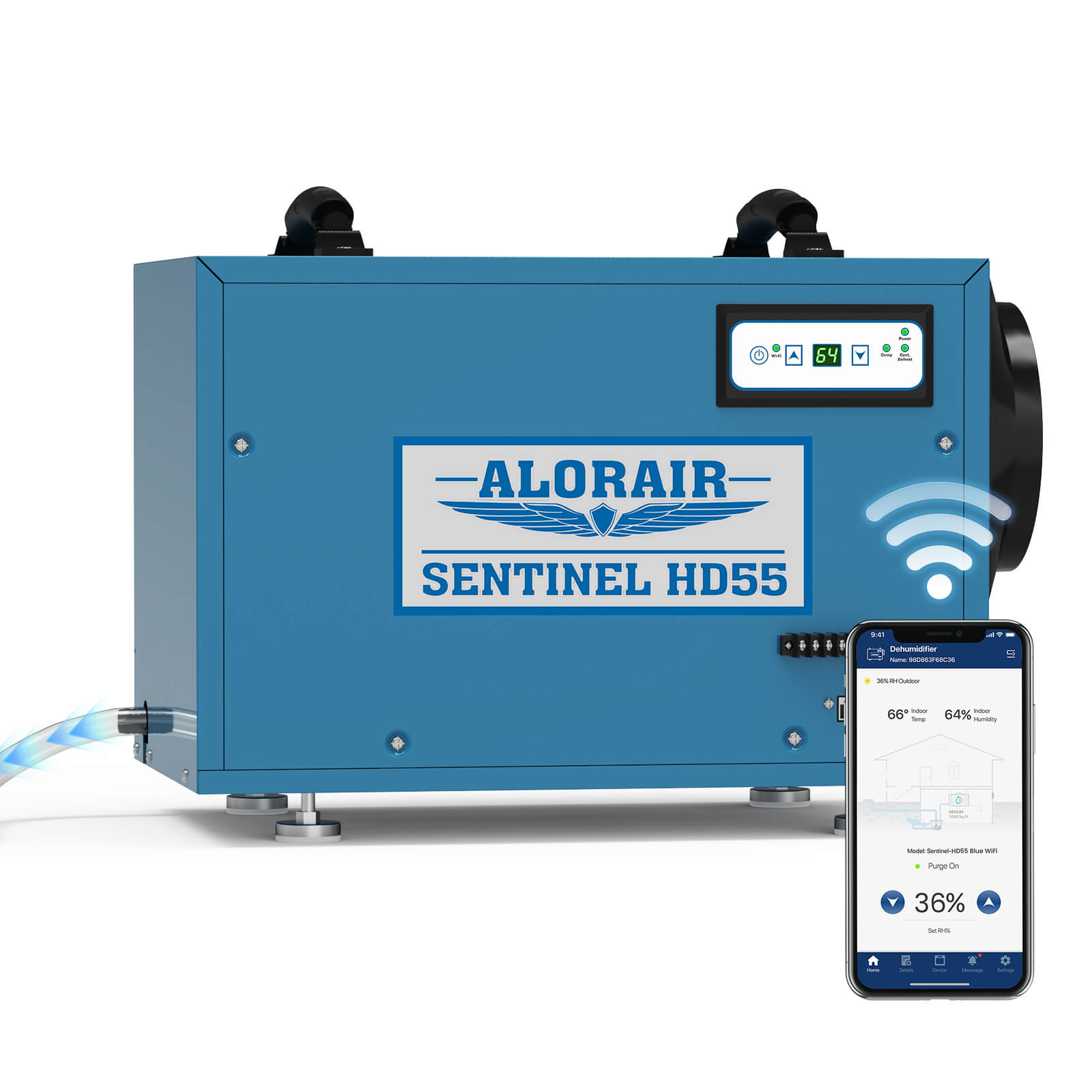
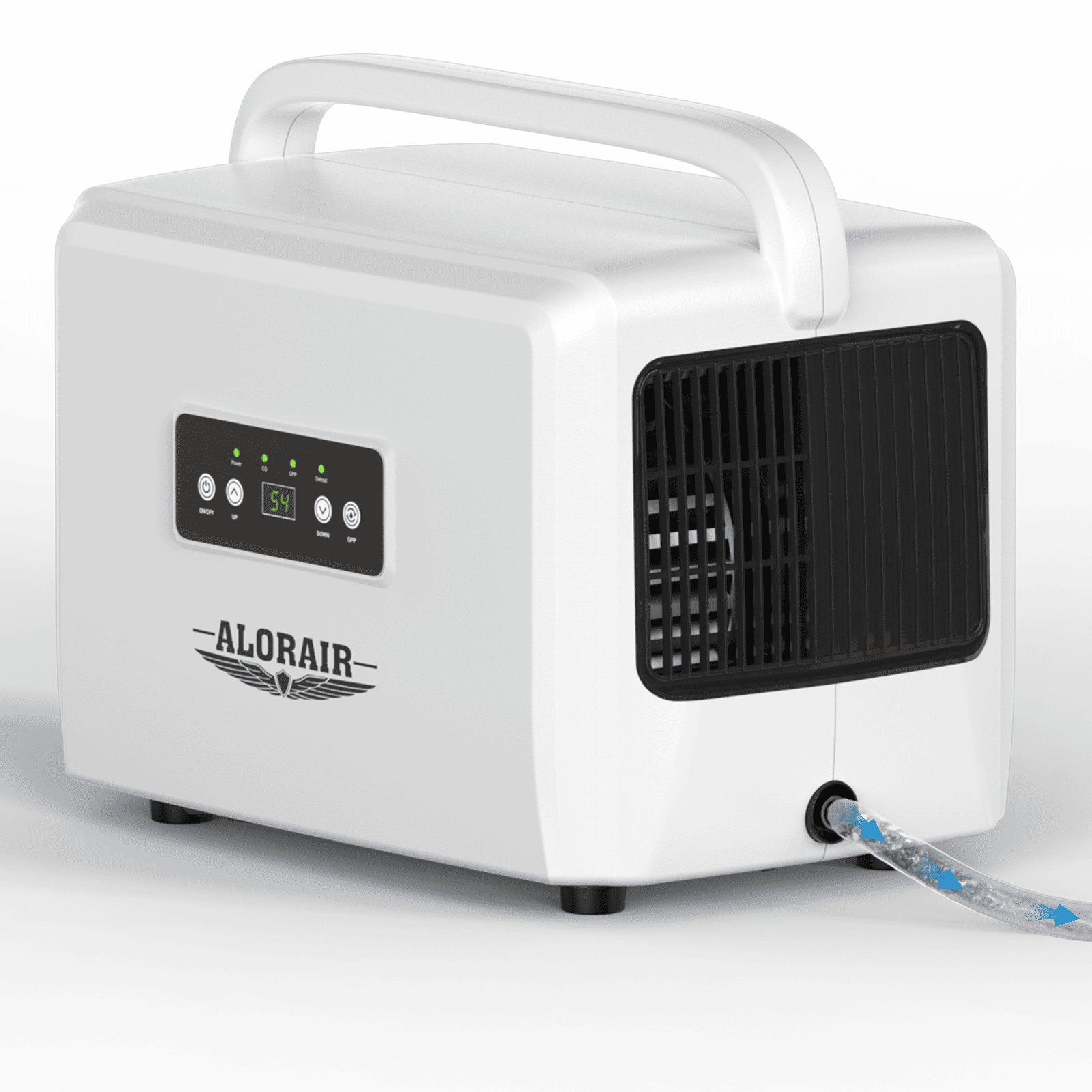
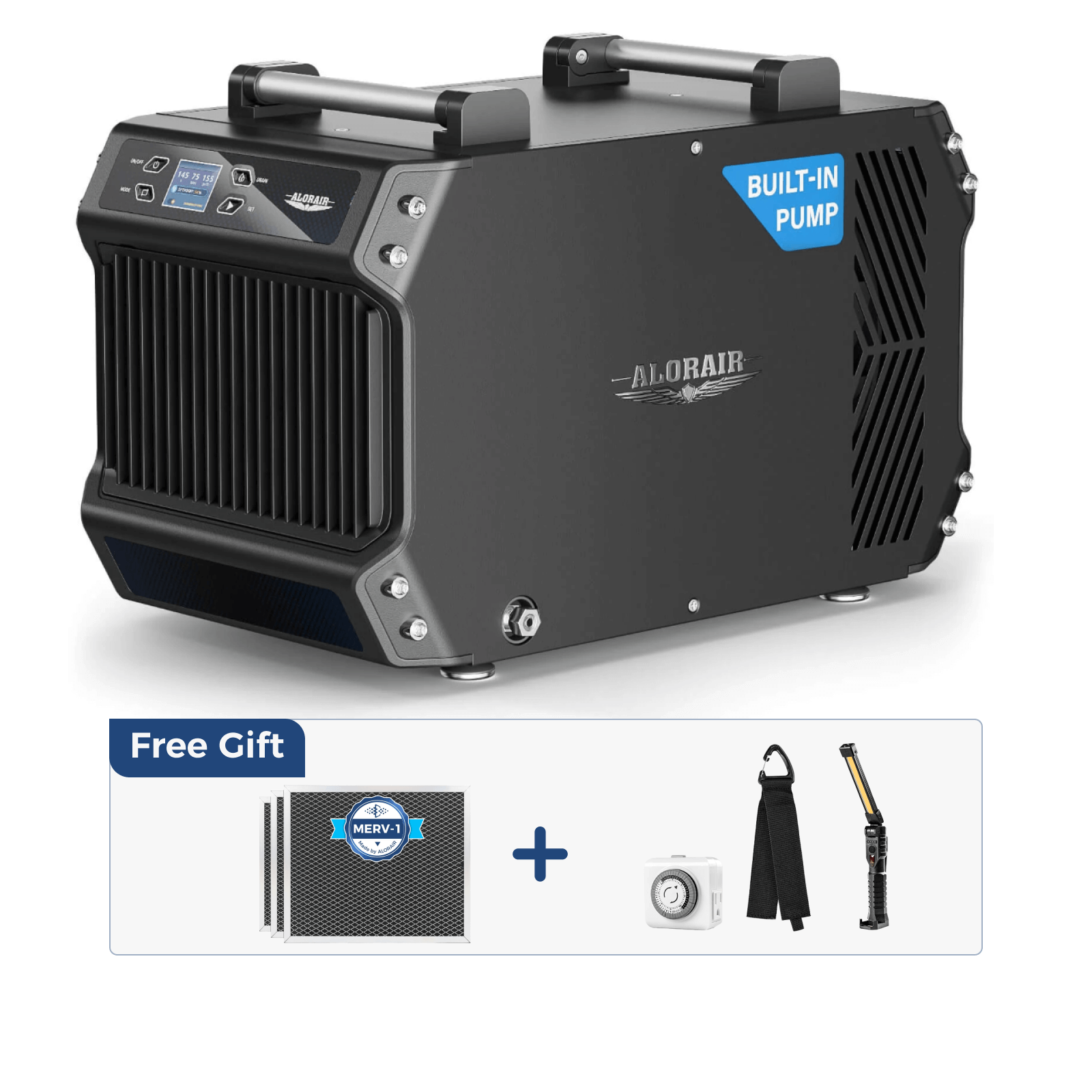
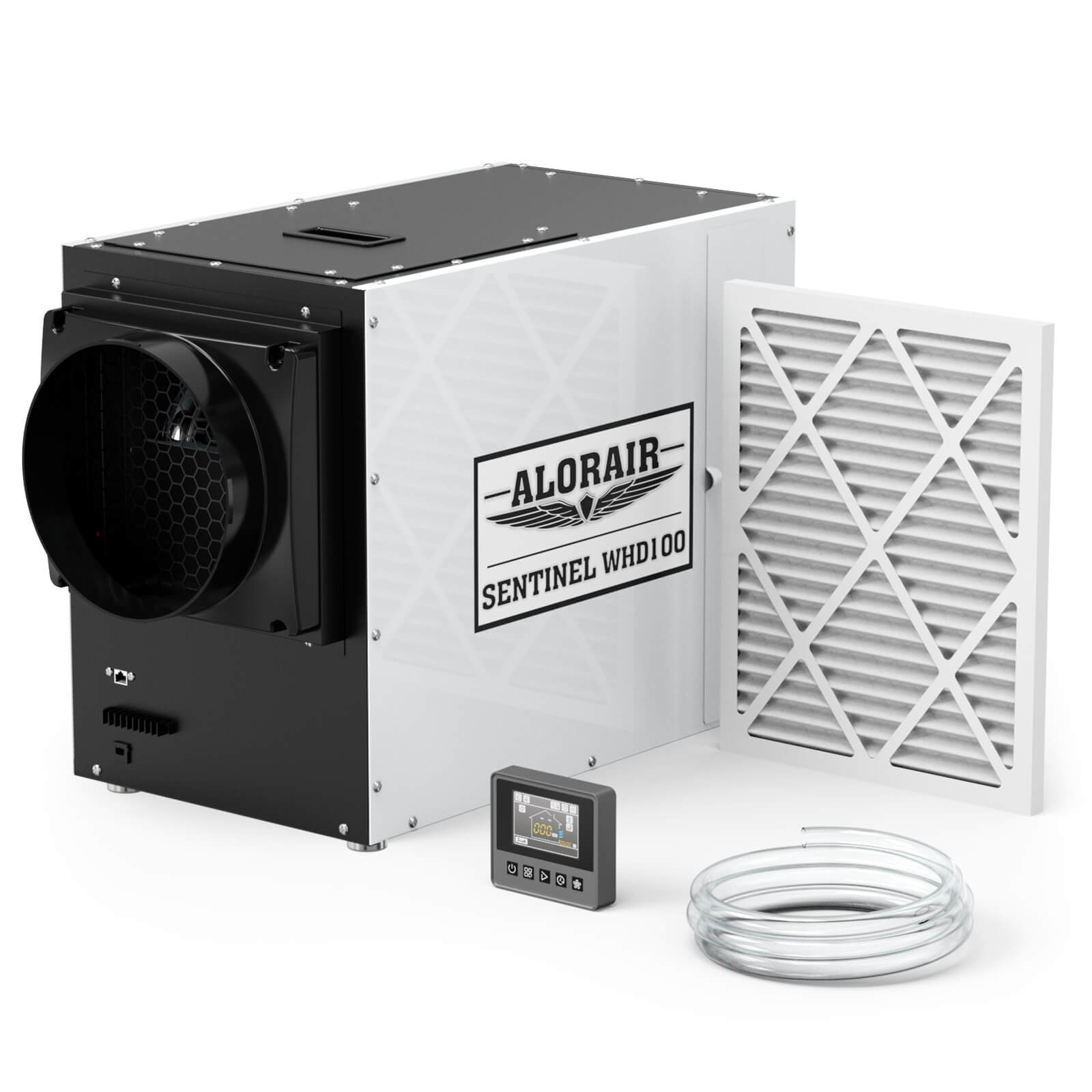
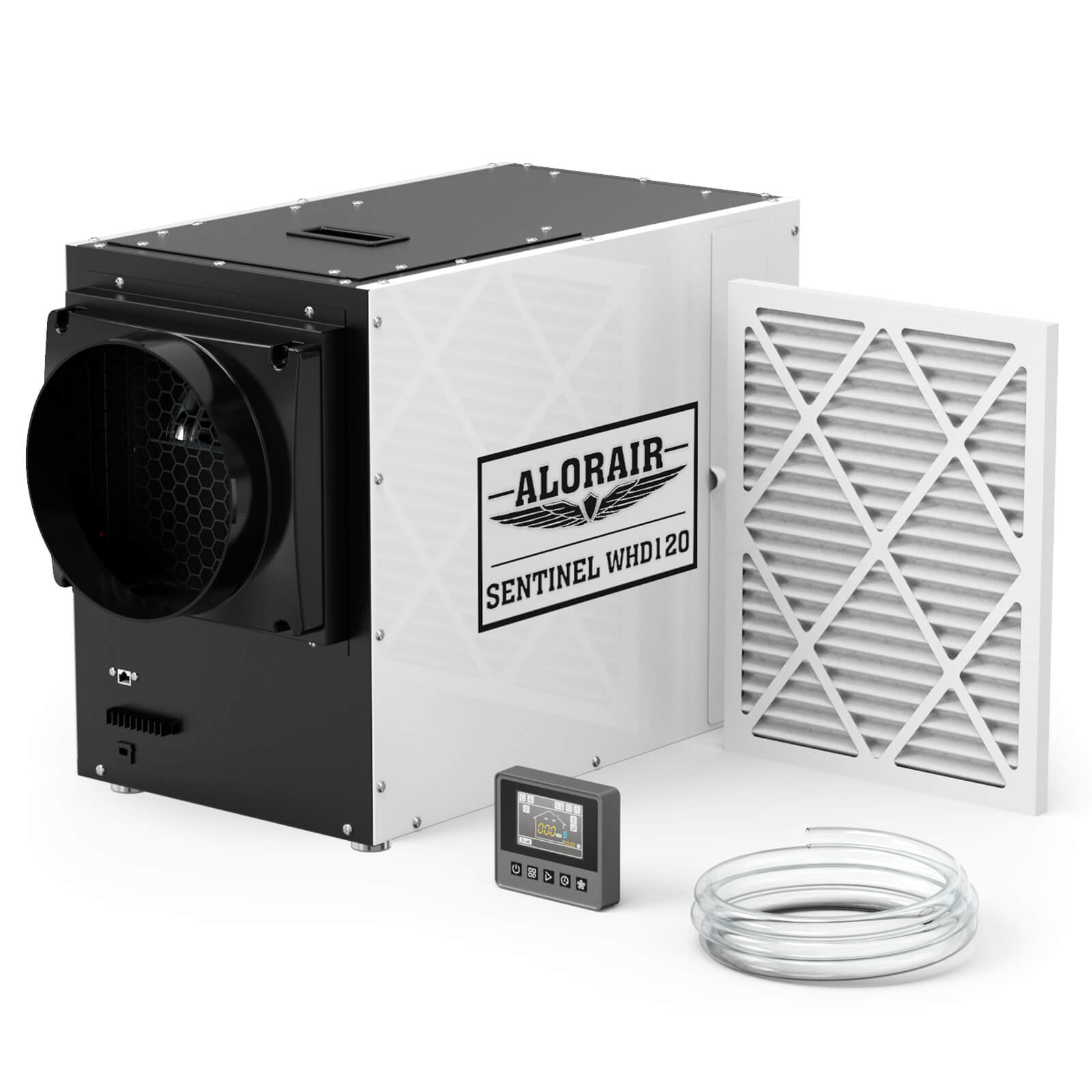
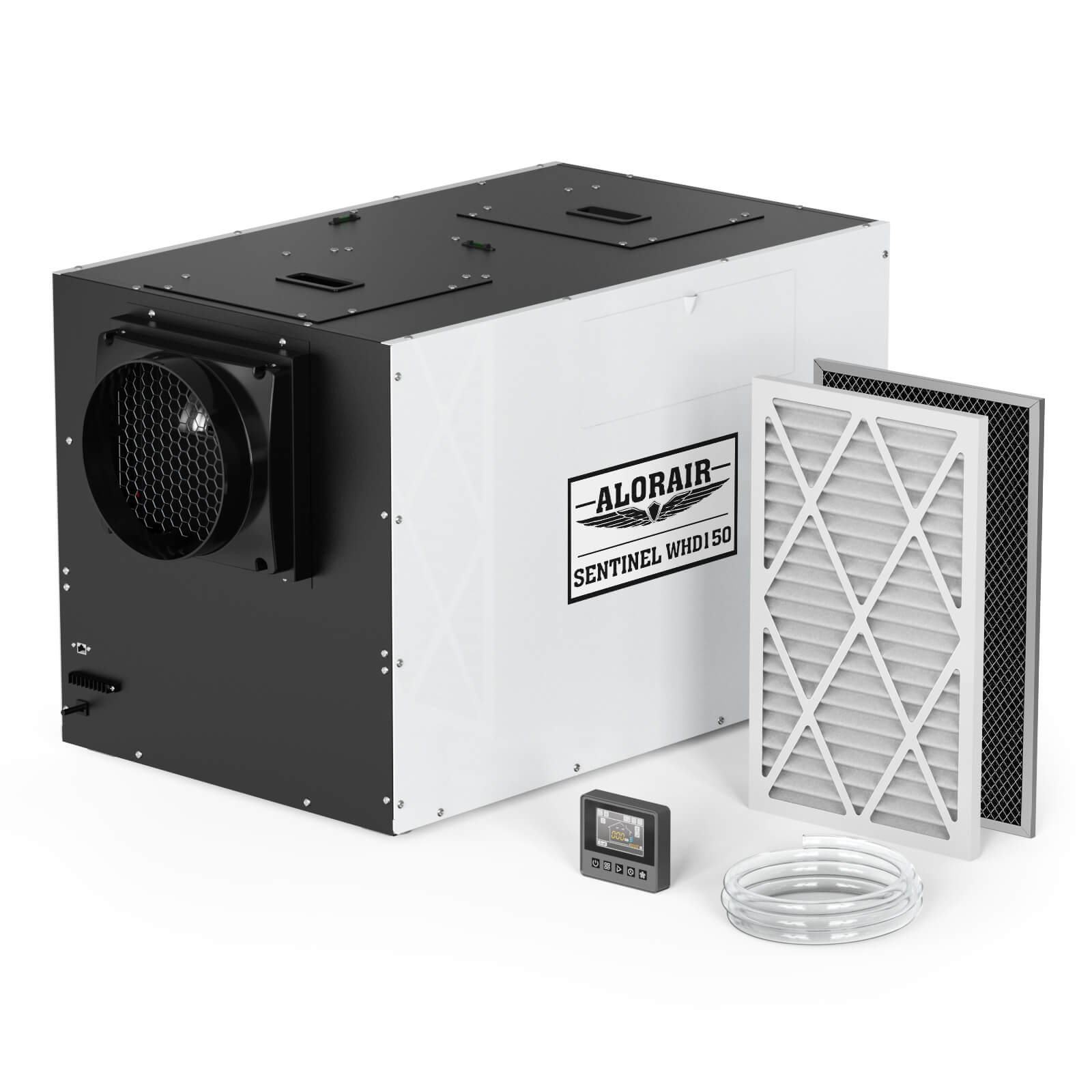
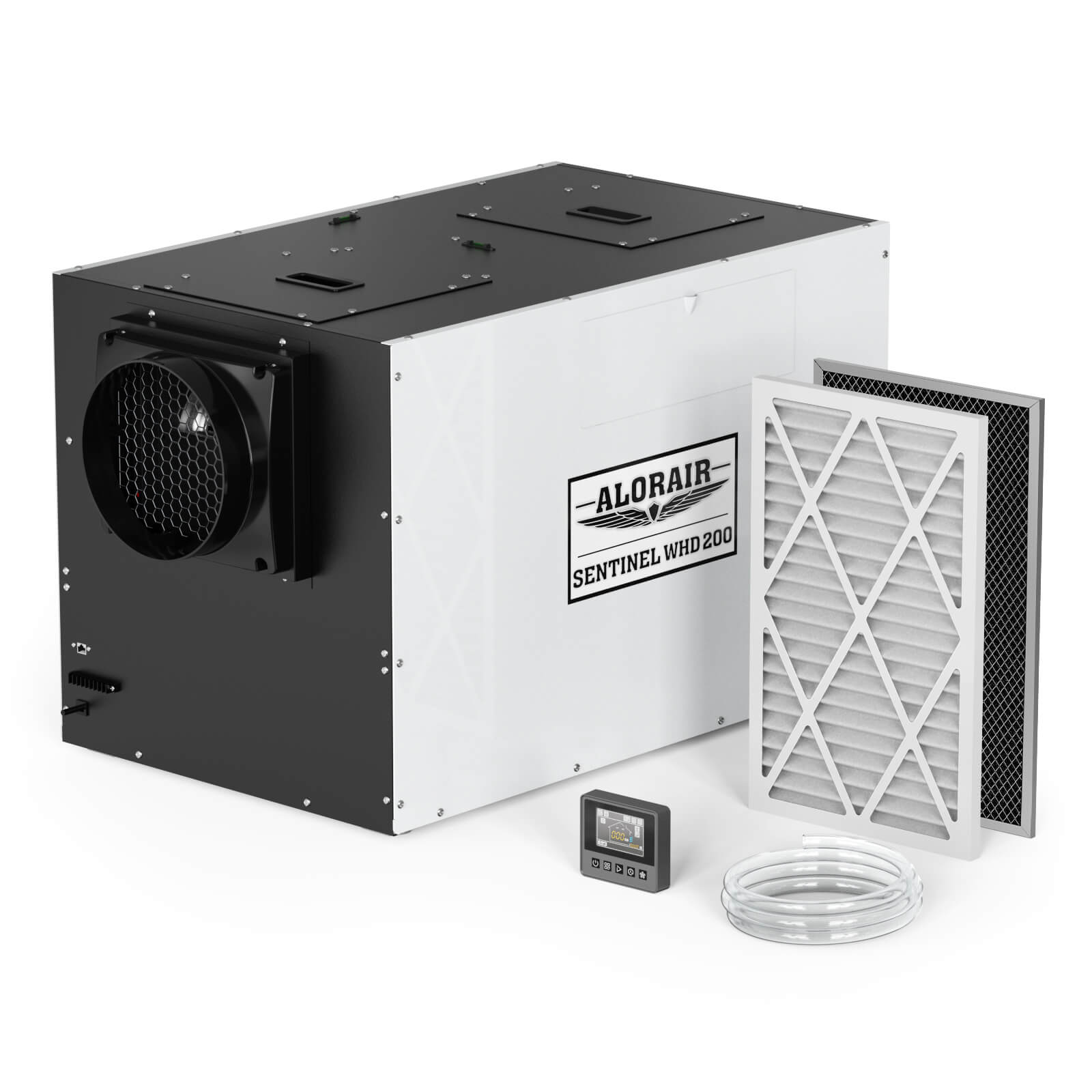
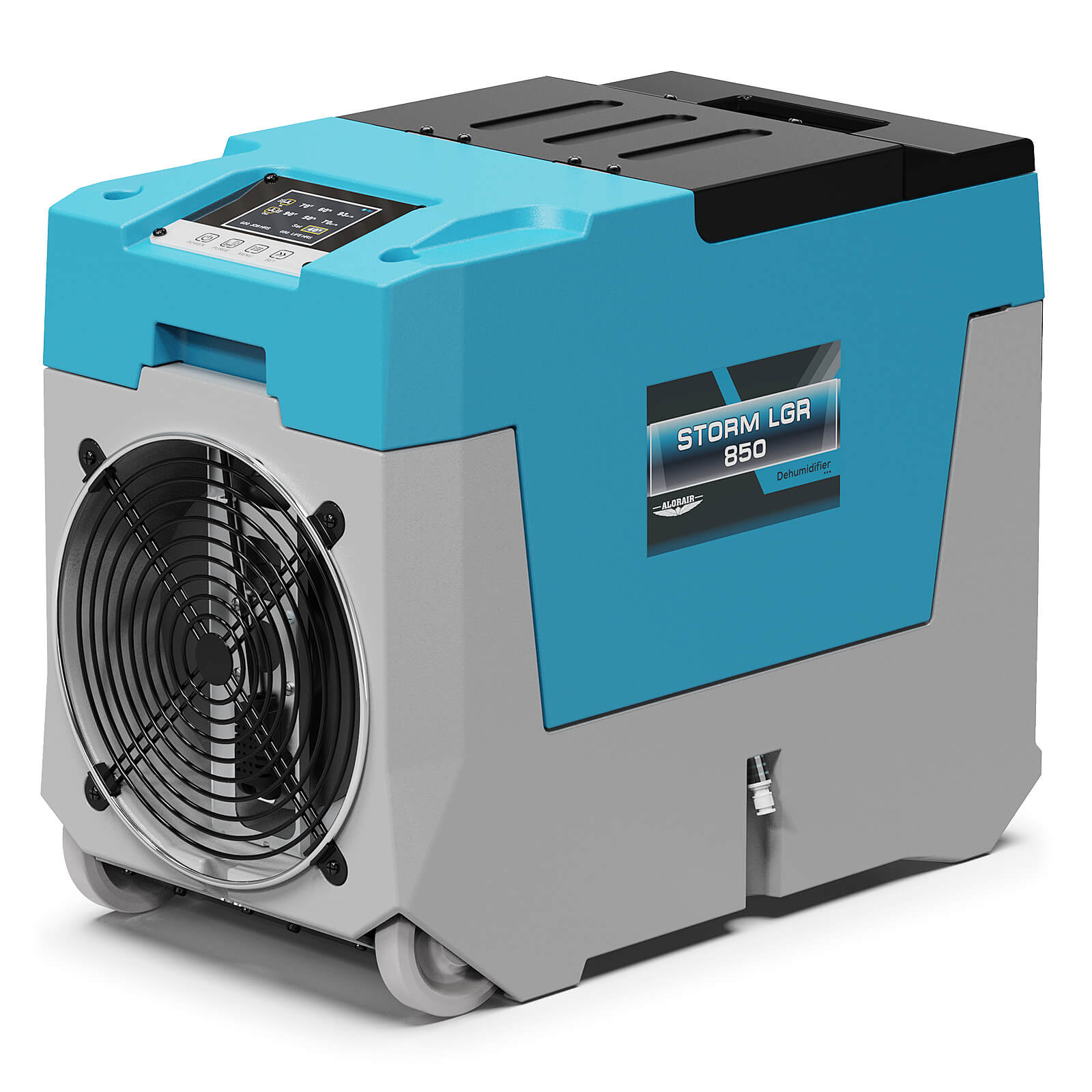
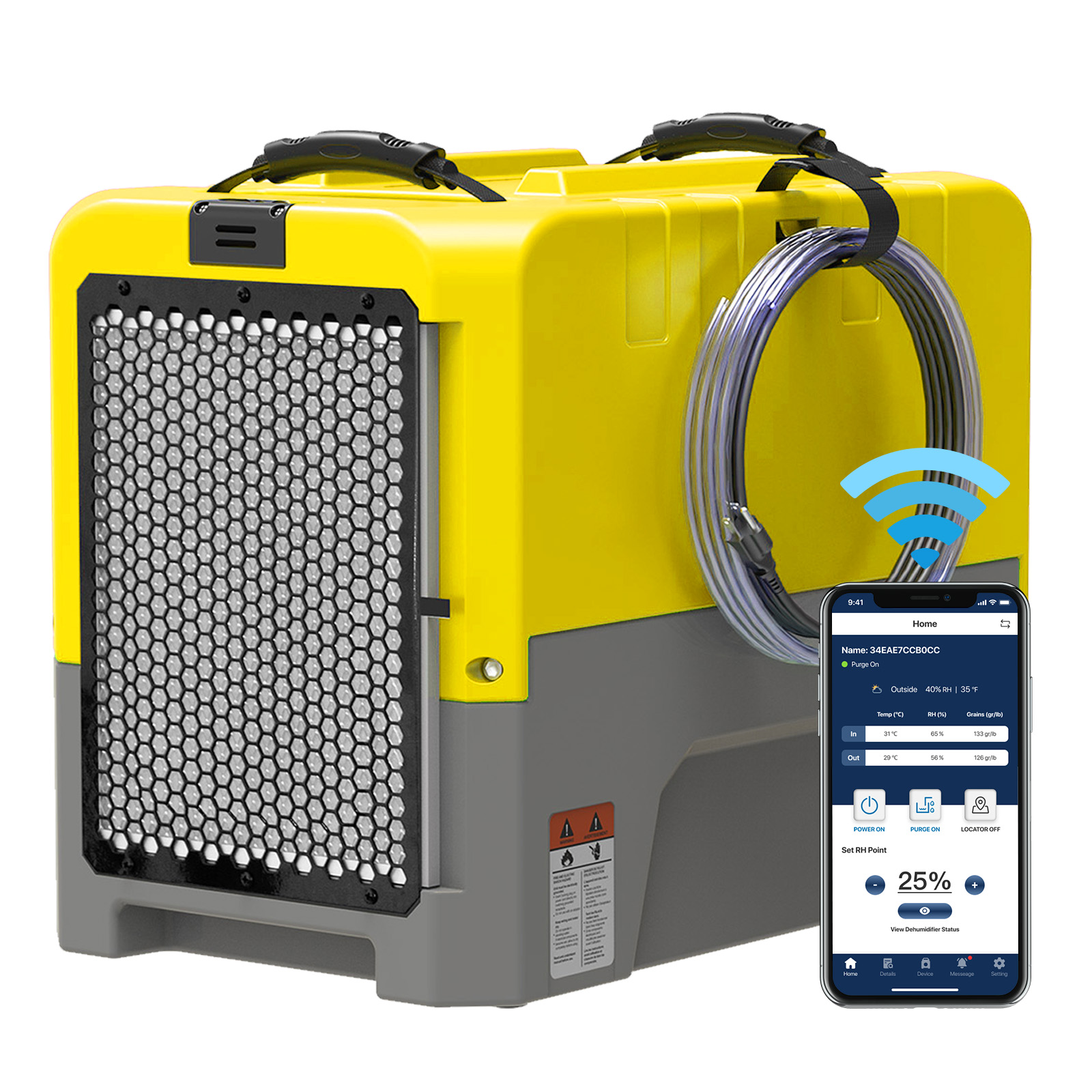
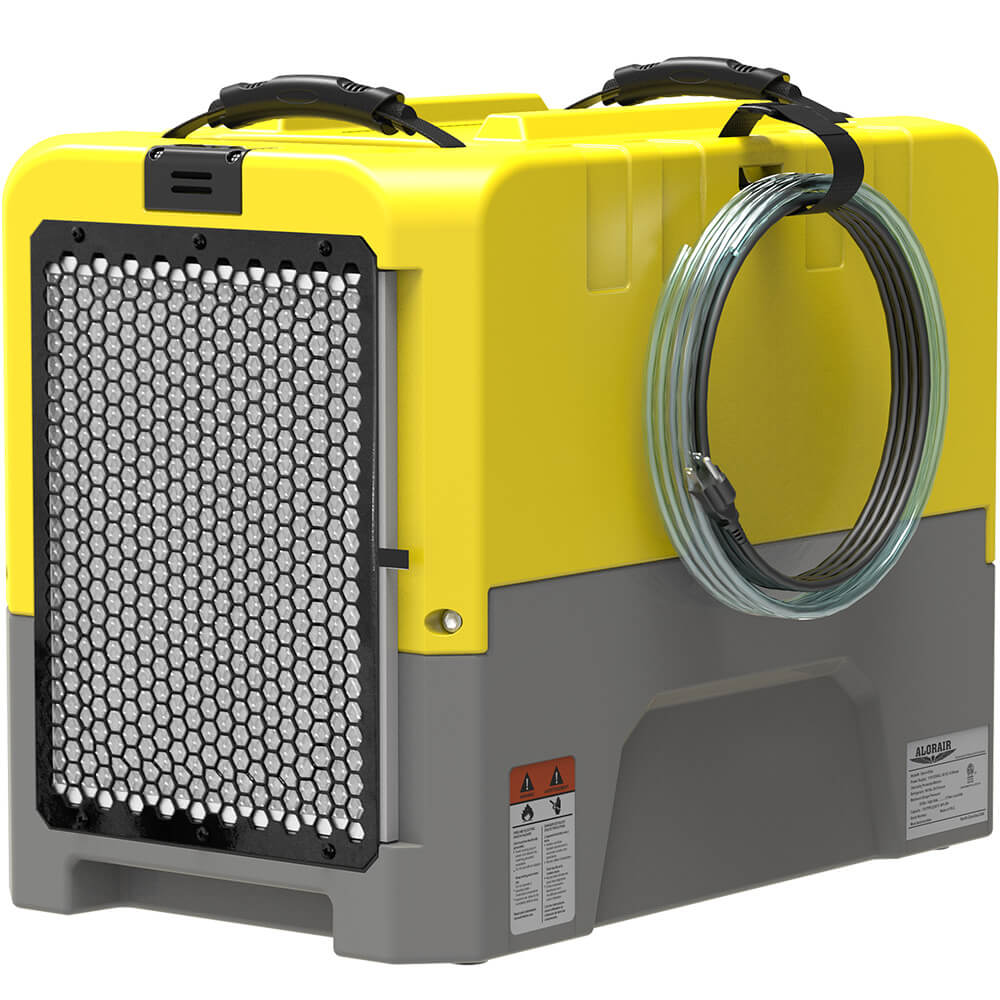
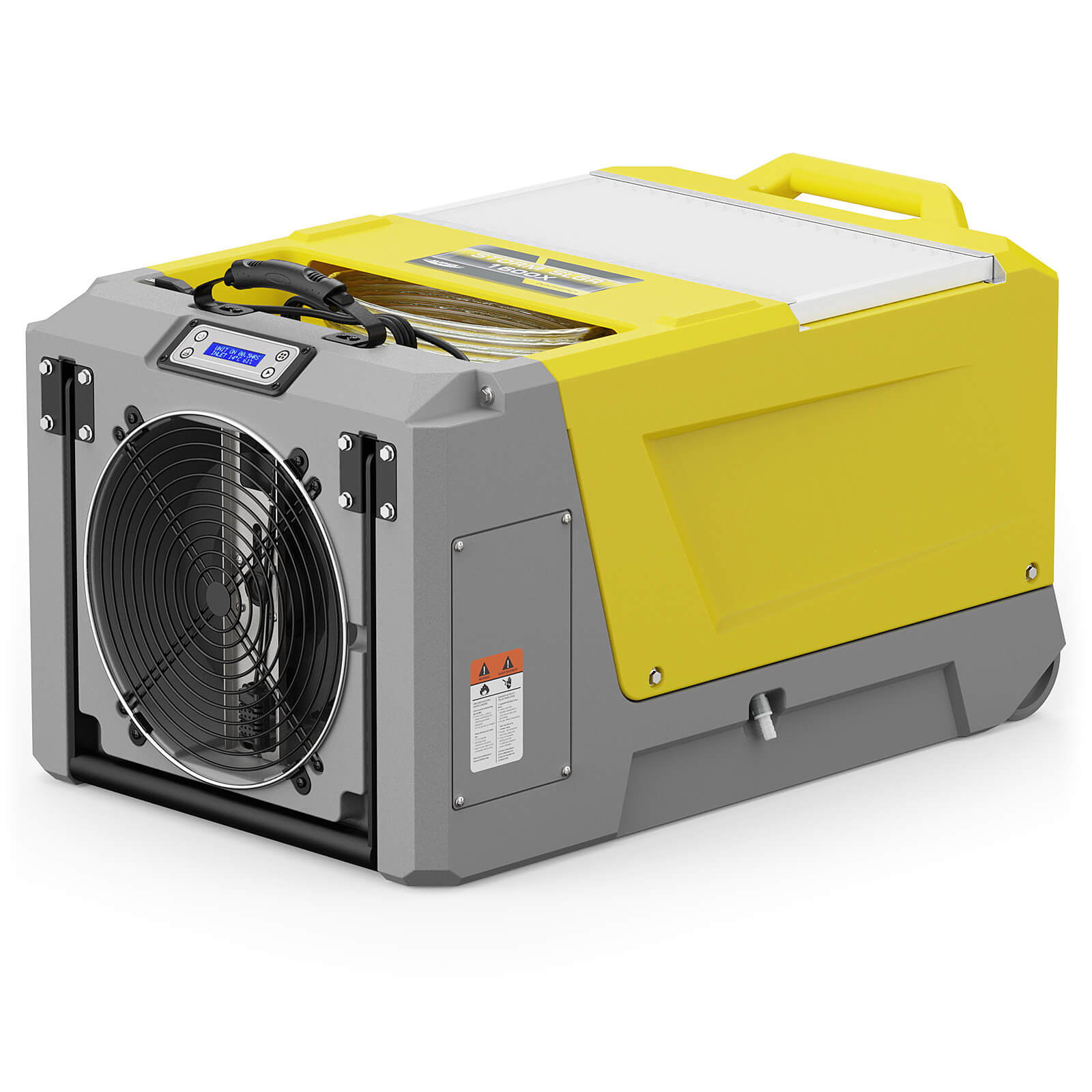
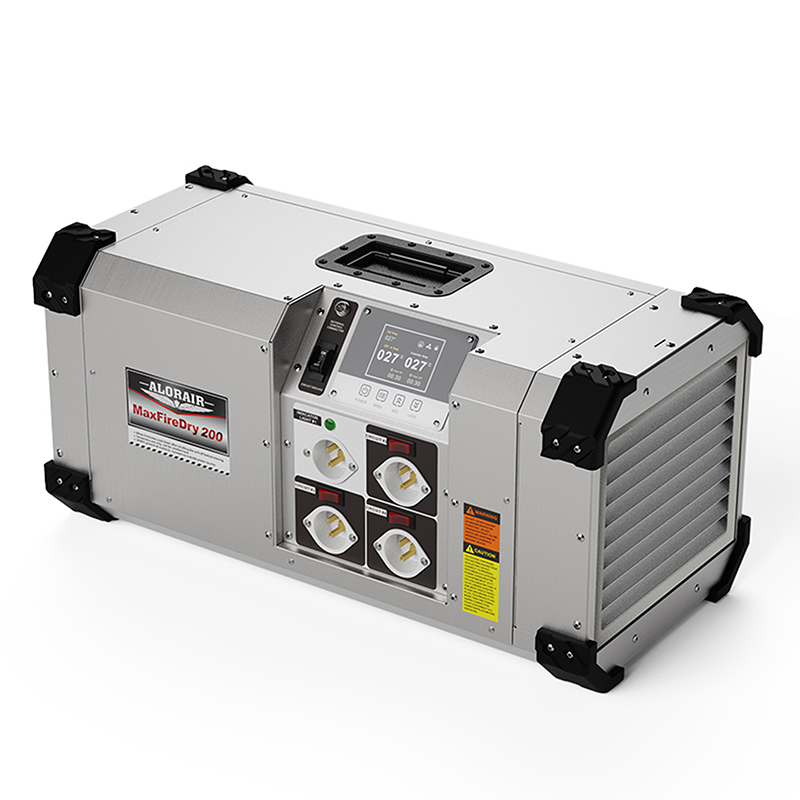
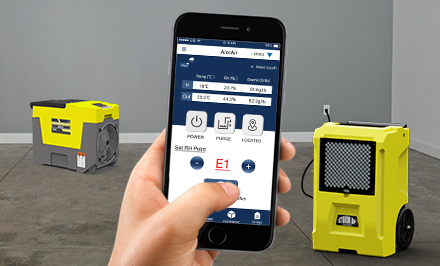
For top-notch quality and innovative technology like remote control, AlorAir dehumidifiers are all you need. We engineer professional-grade tools for real restoration conditions. What you get is industrial power in a lightweight build.
How Air Scrubbers Protect Indoor Air During Restoration
Storm damage impacts beyond just materials. It pollutes indoor air with particles that cause health risks. This describes what do air scrubbers do during restoration: they efficiently eliminate air contaminants while drying happens.
Capturing Harmful Particles After a Storm
Flooding releases bacteria, mold spores, dust, and fine debris into the air. The United States Environmental Protection Agency declares that disturbing moist materials boosts airborne mold concentration during cleanup.
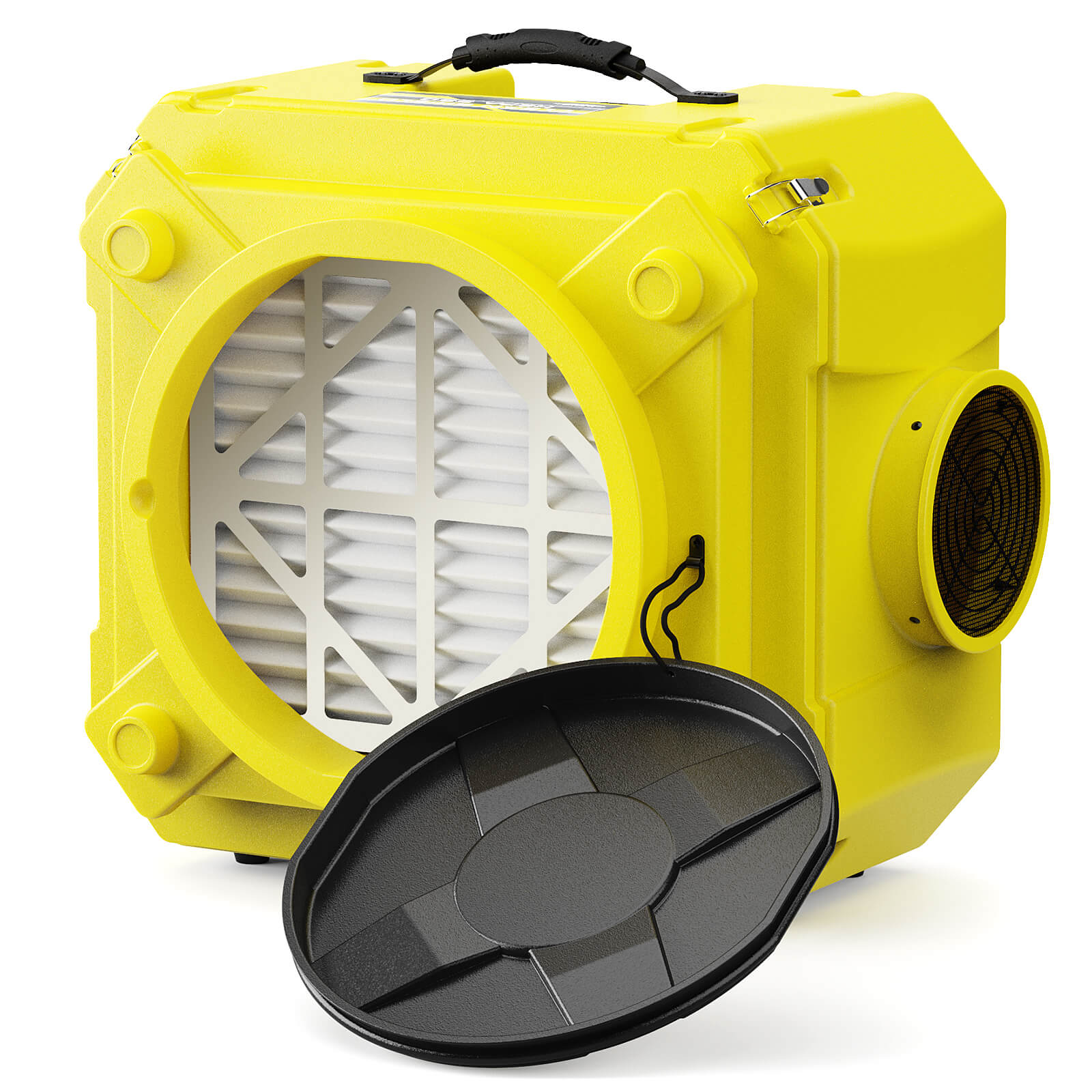
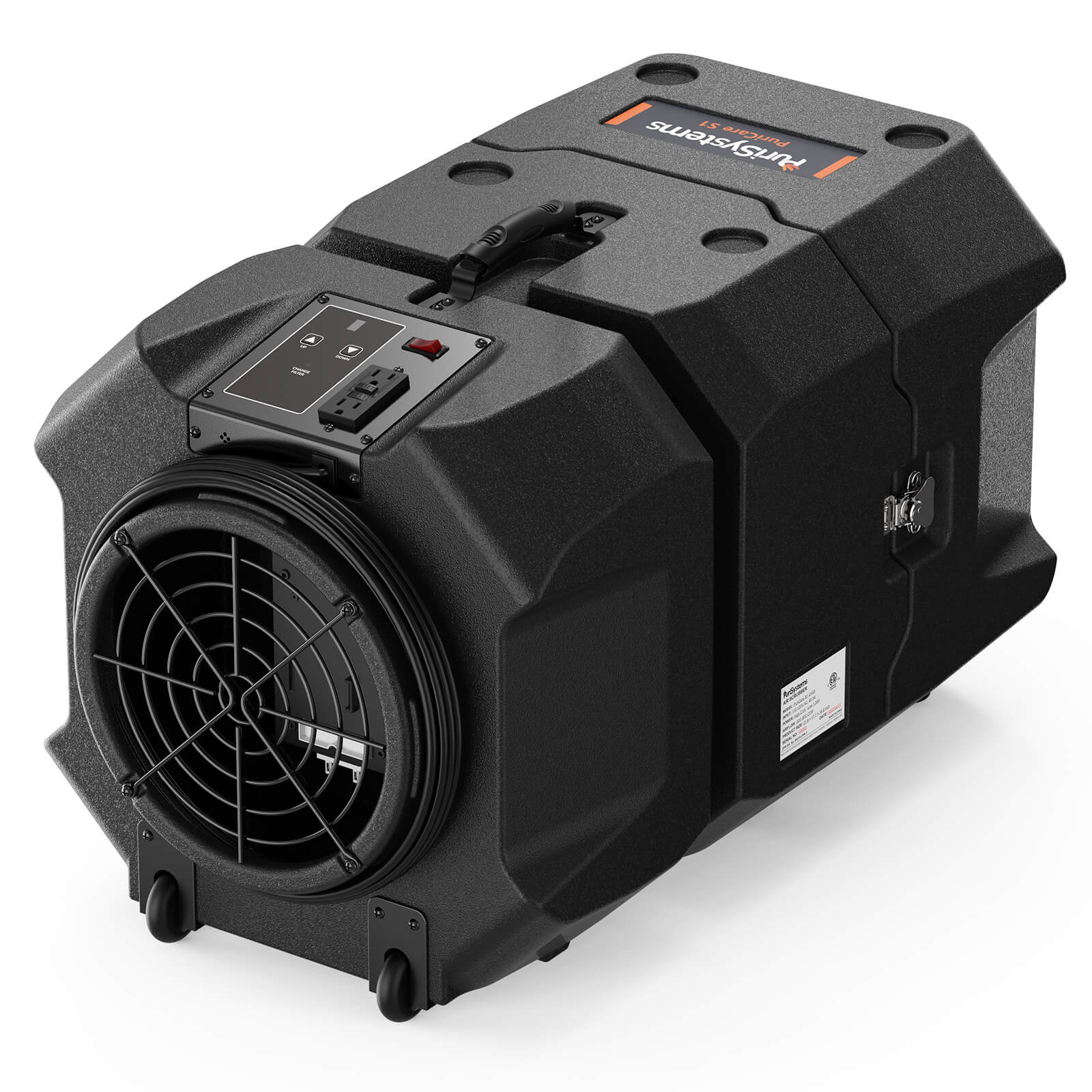
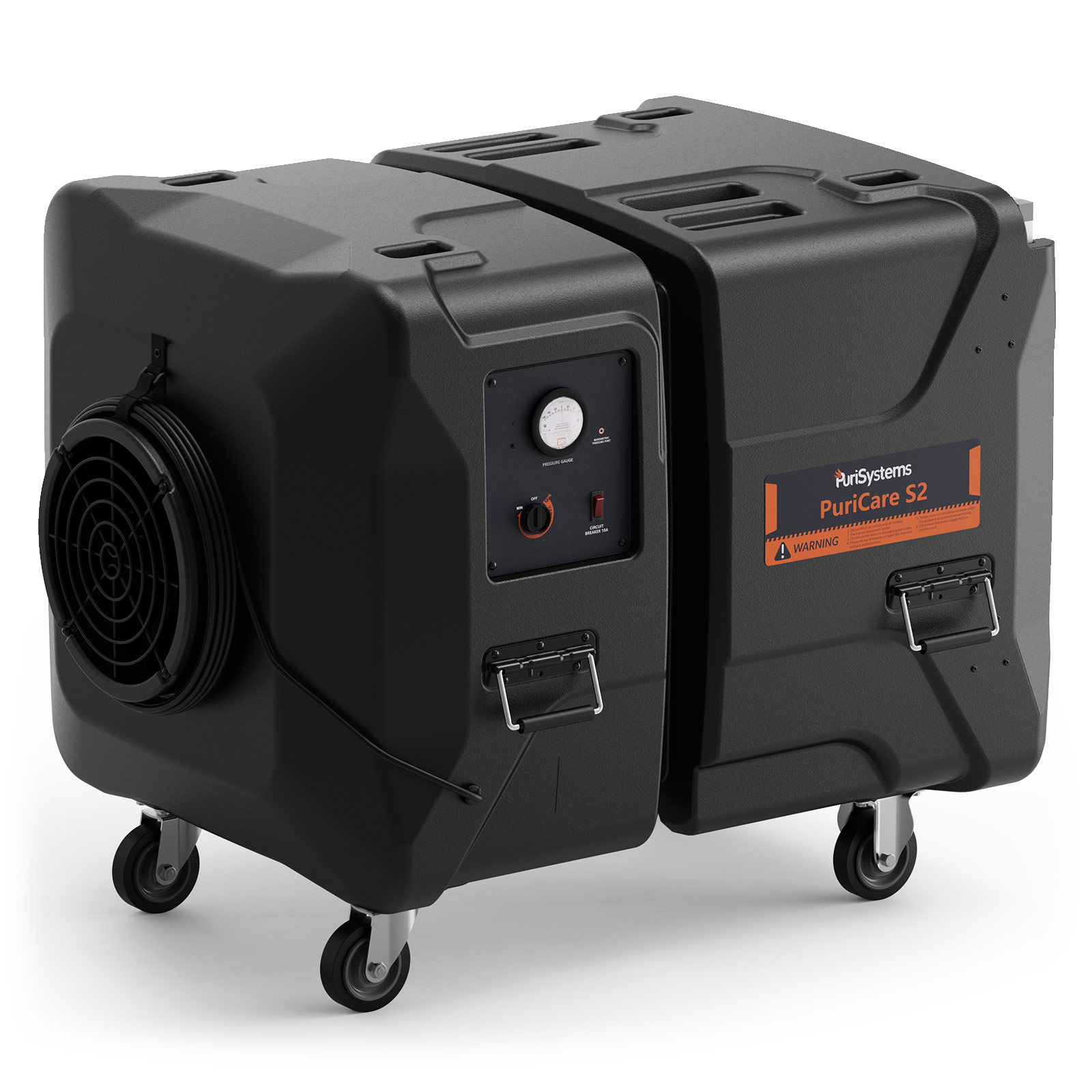
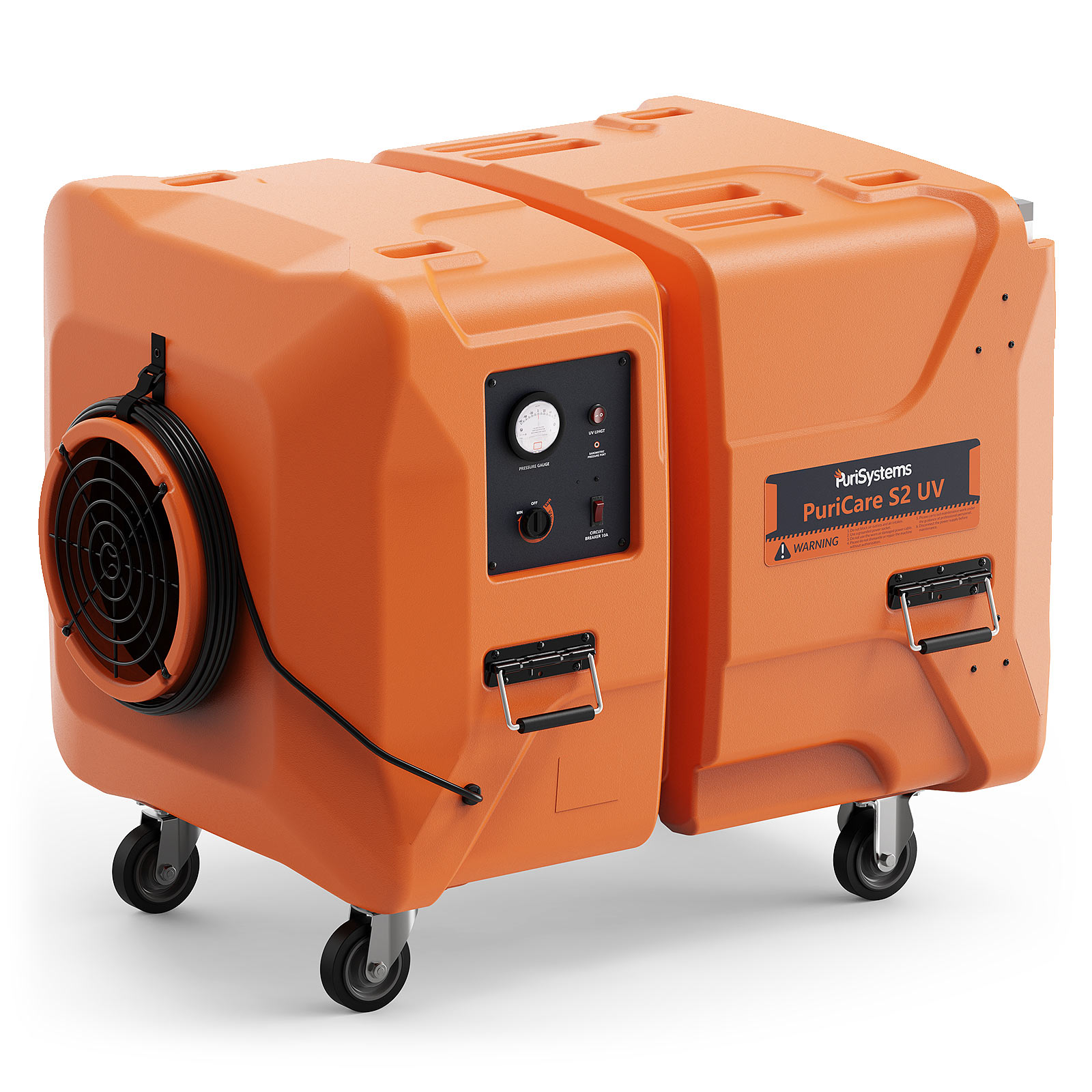
HEPA air scrubbers from the AlorAir family capture more than 99.97% of particles below 0.3 microns. This purification level lowers exposure for workers and residents. Operating an air scrubber for mold control stops mold from spreading to clean spaces during storm recovery.
Controlling Odors and Airborne Irritants
Muggy smells persist as volatile compounds stay airborne after flooding. Air scrubbers constantly cycle air across filters, extracting odor-causing particles rather than covering smells. This procedure enhances breathing conditions and forms safer work areas during repairs.
Dehumidifiers vs. Air Scrubbers: Different Jobs, Same Goal
Air scrubbers and dehumidifiers help with separate but corresponding purposes in restoration:
|
Aspect |
Dehumidifiers |
Air Scrubbers |
|
Primary function |
Remove excess moisture from air and building materials |
Remove airborne contaminants from indoor air |
|
Main problem addressed |
Hidden moisture that fuels mold growth and structural damage |
Remove airborne contaminants from indoor air |
|
Impact on mold control |
Stops mold growth by lowering humidity |
Reduces mold spread by capturing airborne spores |
|
Effect on indoor air quality |
Indirect improvement by reducing damp conditions |
Direct improvement through HEPA filtration |
|
Best use case |
Drying walls, floors, crawlspaces, and structural materials |
Cleaning air during cleanup, repairs, and demolition |
How to Use Dehumidifiers and Air Scrubbers Effectively
Successful storm recovery relies on the right operation, not only tool choice. Systems must operate together, and just enough time to complete the drying cycle.
- Use dehumidifiers constantly till humidity meters verify materials return to normal moisture levels.
- Keep indoor relative humidity under 50% during drying, as endorsed by the IICRC.
- Run air scrubbers simultaneously to trap particles released during cleanup and evaporation.
- Place equipment to facilitate air circulation paths, not block them.
- Observe moisture and air quality daily to confirm progress and prevent untimely shutdown.
Common Storm Recovery Mistakes That Cause Long-Term Damage
Several restoration failures happen because of incorrect or unfinished recovery steps.
- Opening windows or using just fans introduces unchecked air and slows proper drying.
- Switching off air scrubbers or dehumidifiers too soon, leaving invisible moisture in materials.
- Ignoring wall holes, crawlspaces, and confined spaces where humidity builds up.
- Cleansing visible surfaces without controlling airborne pollutants.
Conclusion
Dehumidifiers and air scrubbers are necessary tools in storm recovery. Restoration needs more than surface drying. Humidity and airborne pollutants must be handled together to safeguard structures and occupant health. Operated properly, these systems cut recovery duration and lower lasting damage.
