





-(1).png)
.jpg)
.jpg)
.jpg)
.HDi90.png)
.HD90.png)
.jpg)
.jpg)
.jpg)
.jpg)
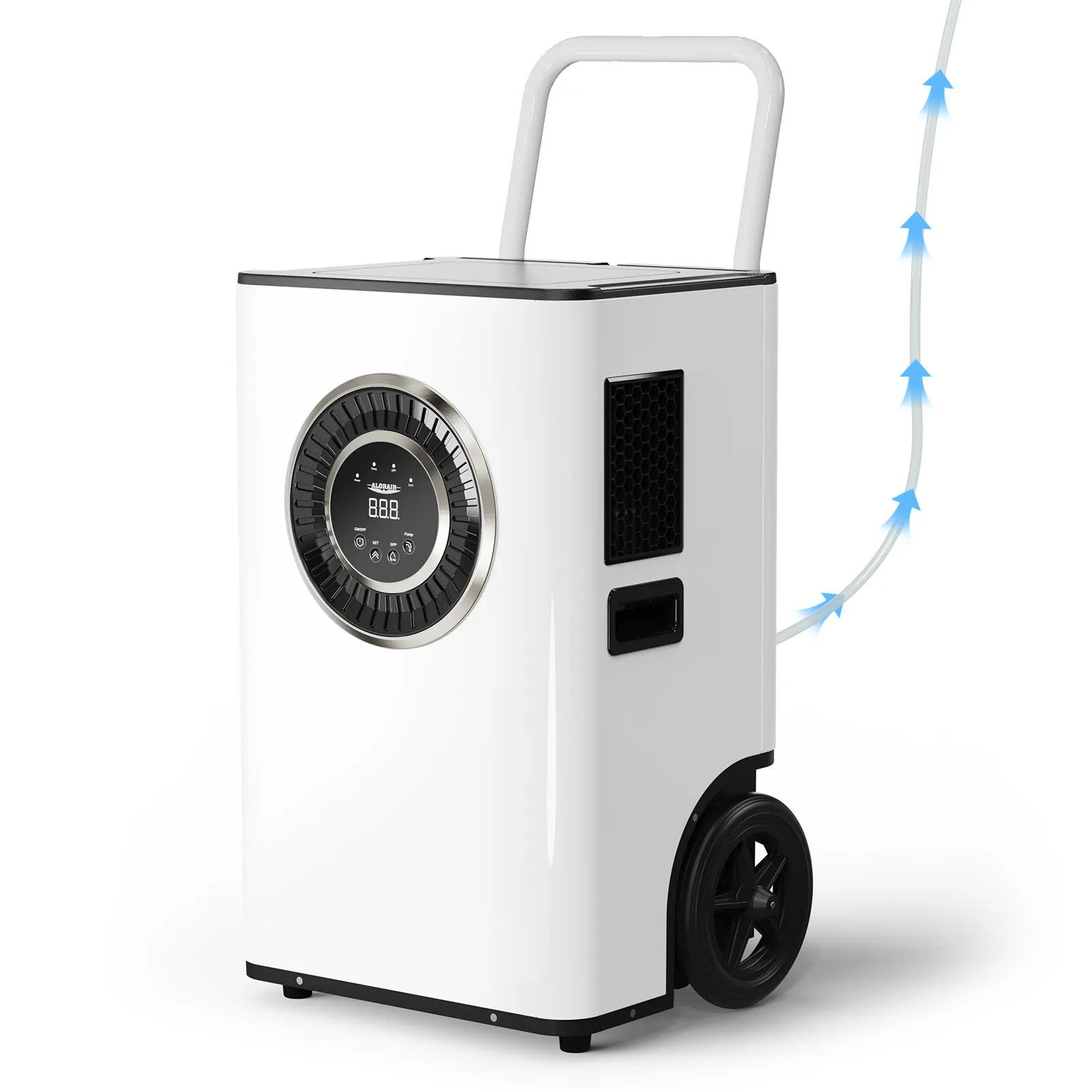
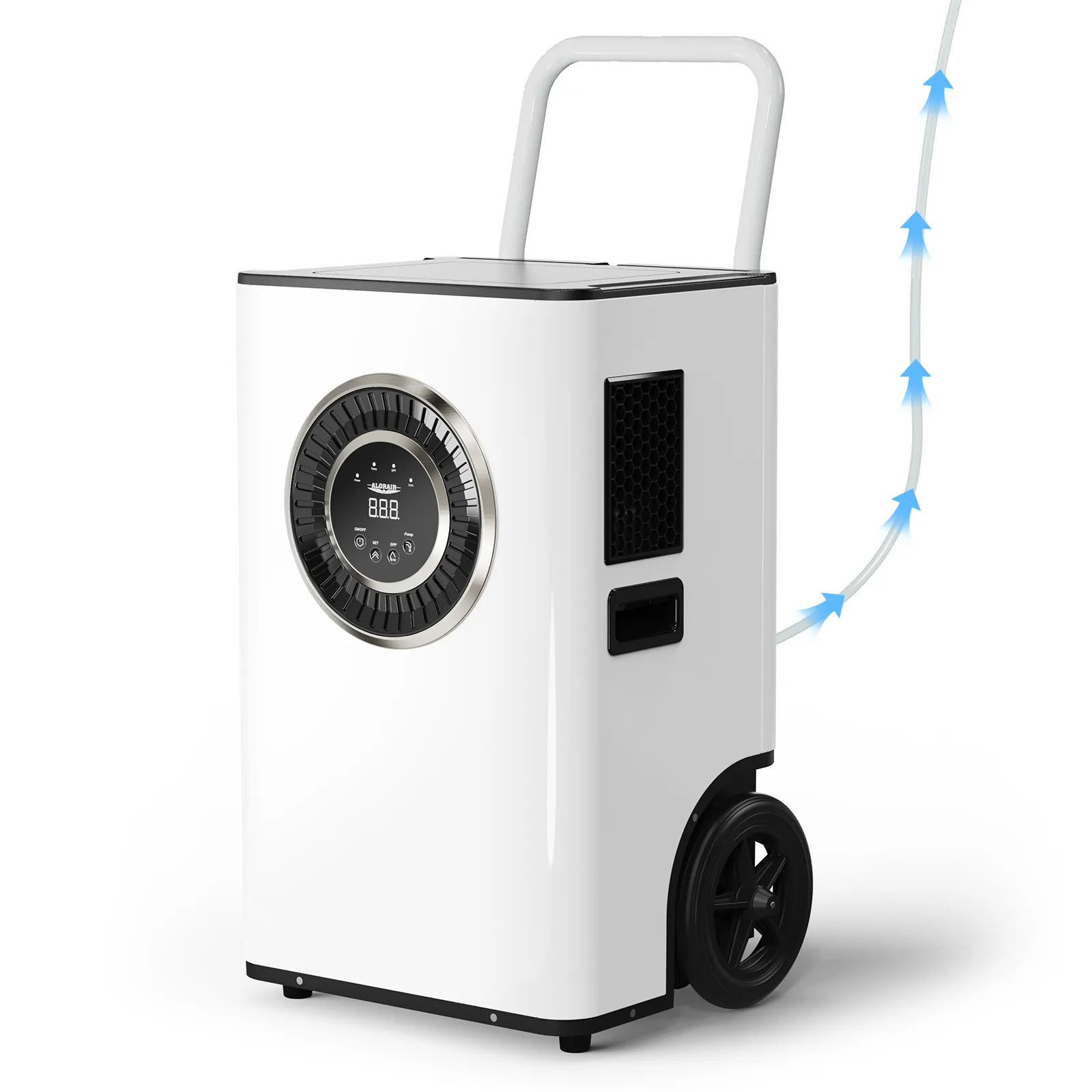
.jpg)
.jpg)
.jpg)
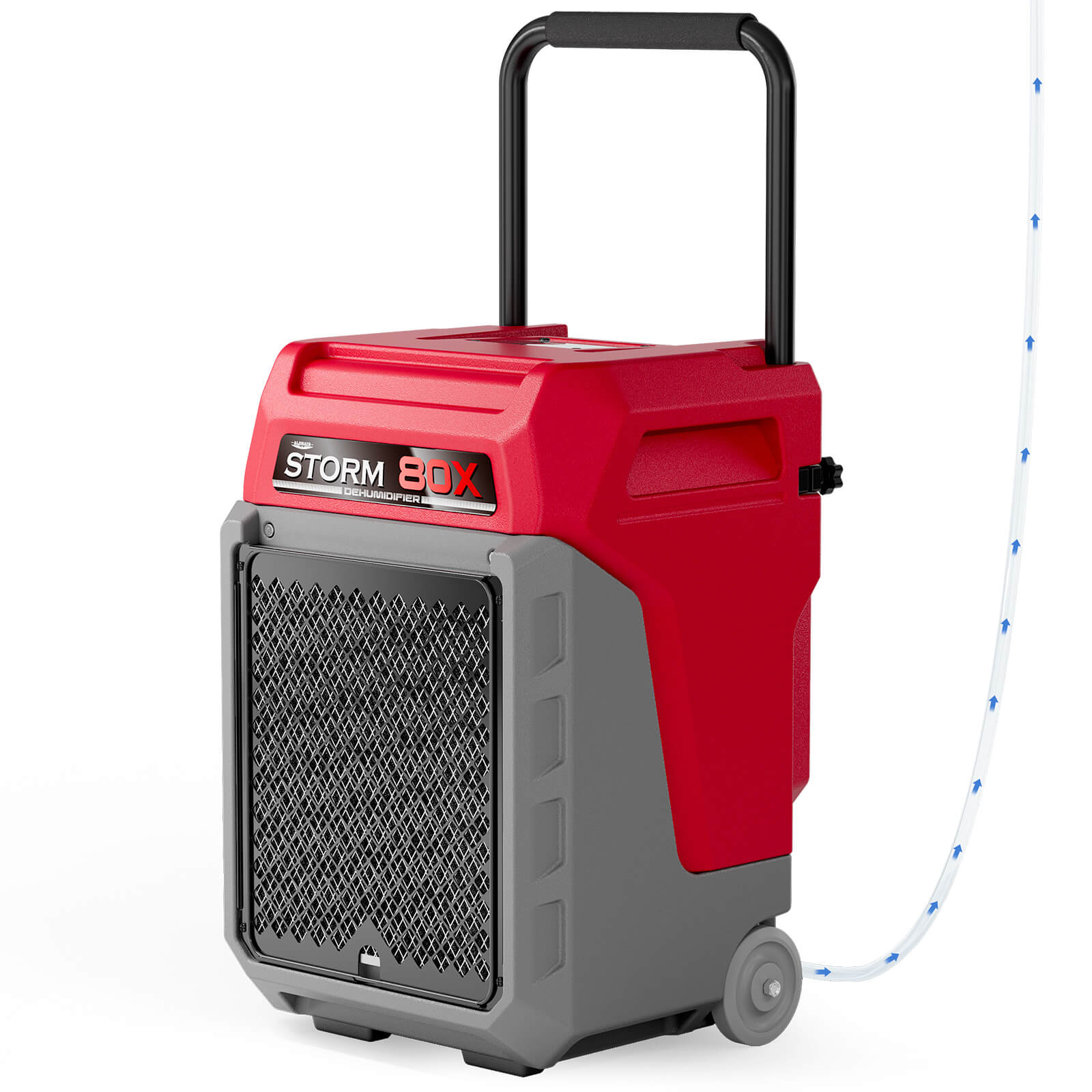
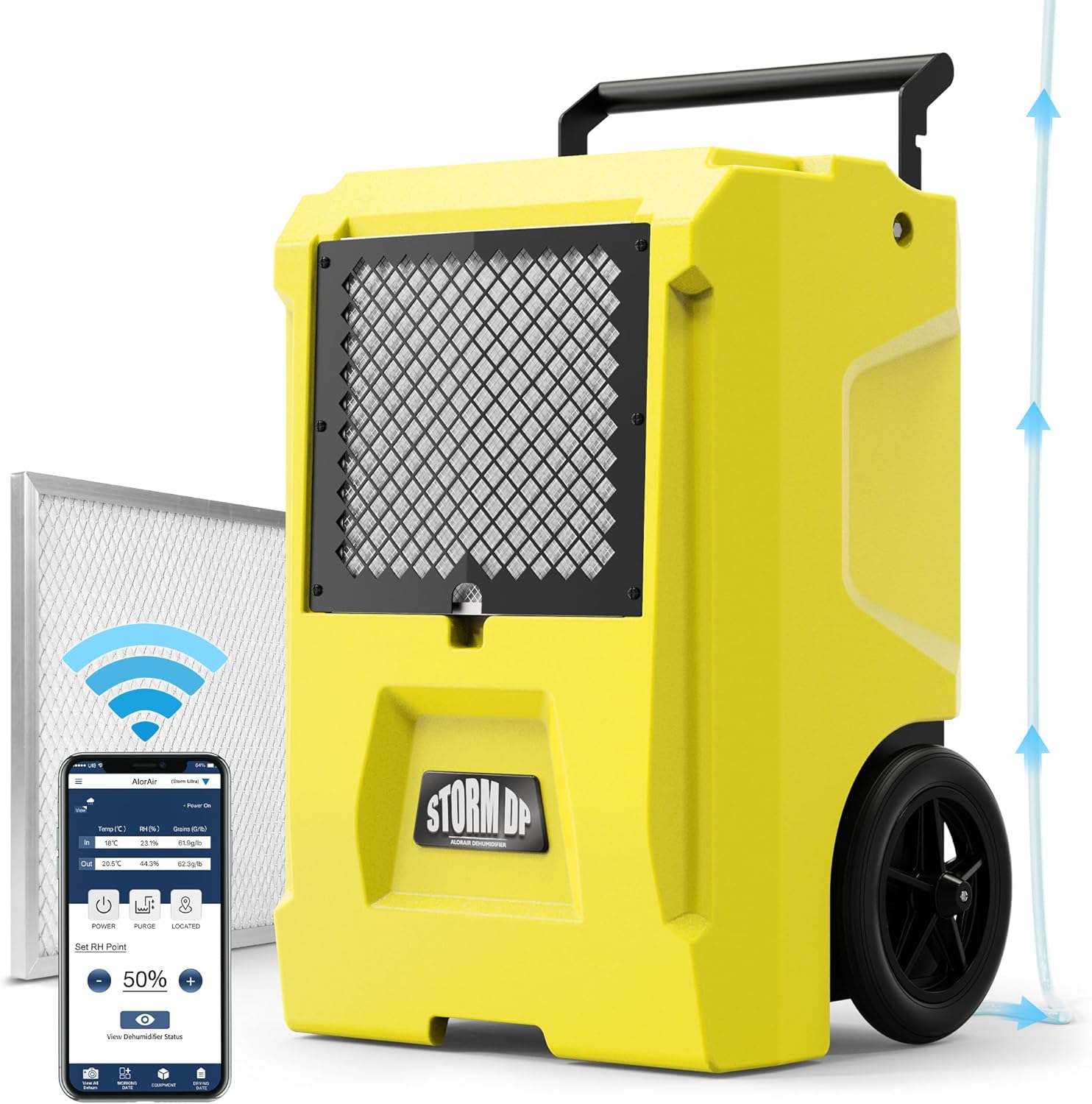
.jpg)
.jpg)
.jpg)
.jpg)
.jpg)
.jpg)
.webp)
.webp)
.webp)
.webp)
.jpg)
.jpg)
.jpg)
.jpg)
.jpg)
.jpg)
.jpg)
.jpg)
.jpg)
.jpg)
.jpg)
.jpg)
.jpg)
.jpg)
.jpg)
.jpg)
.jpg)
.jpg)
.jpg)
.jpg)
.jpg)
.jpg)
.jpg)
.jpg)
.jpg)
-.jpg)
.jpg)
.jpg)
.jpg)




















 Exclusive offers
promotions
Exclusive offers
promotions

When your house feels muggy or damp, a dehumidifier can reduce humidity and improve indoor air quality by removing excess moisture from the air. But here’s the question: what should dehumidifiers be set at for healthy indoor air? The practical answer is straightforward. For most homes, the ideal humidity setting ranges between 45%-55%, based on space conditions, humidity levels, and season. This range safeguards comfort, stops mold, and maintains material stability. Not sure how to set my dehumidifier? We’ve got your back with our comprehensive guide.
Why Humidity Levels Matter More Than Most Homeowners Realize
Humidity levels impact health, building materials, and indoor safety. When dampness exceeds 60%, the possibility of mold, dust mites, and microbial growth rises sharply.
According to the Environmental Protection Agency research, the mold buildup multiplies once relative humidity remains above 60% for long durations. This is why the right settings matter in bathrooms, basements, and storage rooms.
Moreover, elevated humidity influences the structural integrity. Wood absorbs water from the air, causing doors to jam, boards to swell, and furniture to bend. Fabrics absorb moisture and spread stale odors.
Additionally, metal equipment and devices corrode quickly in an unregulated garage. This becomes more obvious in regions where the basement humidity level stays high.
That said, low humidity produces its own variety of issues. Too dry air causes skin irritation, high static electricity, and cracked wood floors.
According to a National Library of Medicine study, dry indoor air is linked to respiratory irritation and dryness, particularly in winter months.
Therefore, precise control is important. It generates balanced humidity that saves material strength and prevents mold. Moreover, it lowers the workload on HVAC setups, which often overheat or overcool to handle humidity indirectly.
The Ideal Humidity Range for Most Homes
The selection of humidity settings depends on the moisture level of your room. Also, the particular setting of your dehumidifier is significant, as if it is set inaccurately, your space might stay humid or turn too dry.
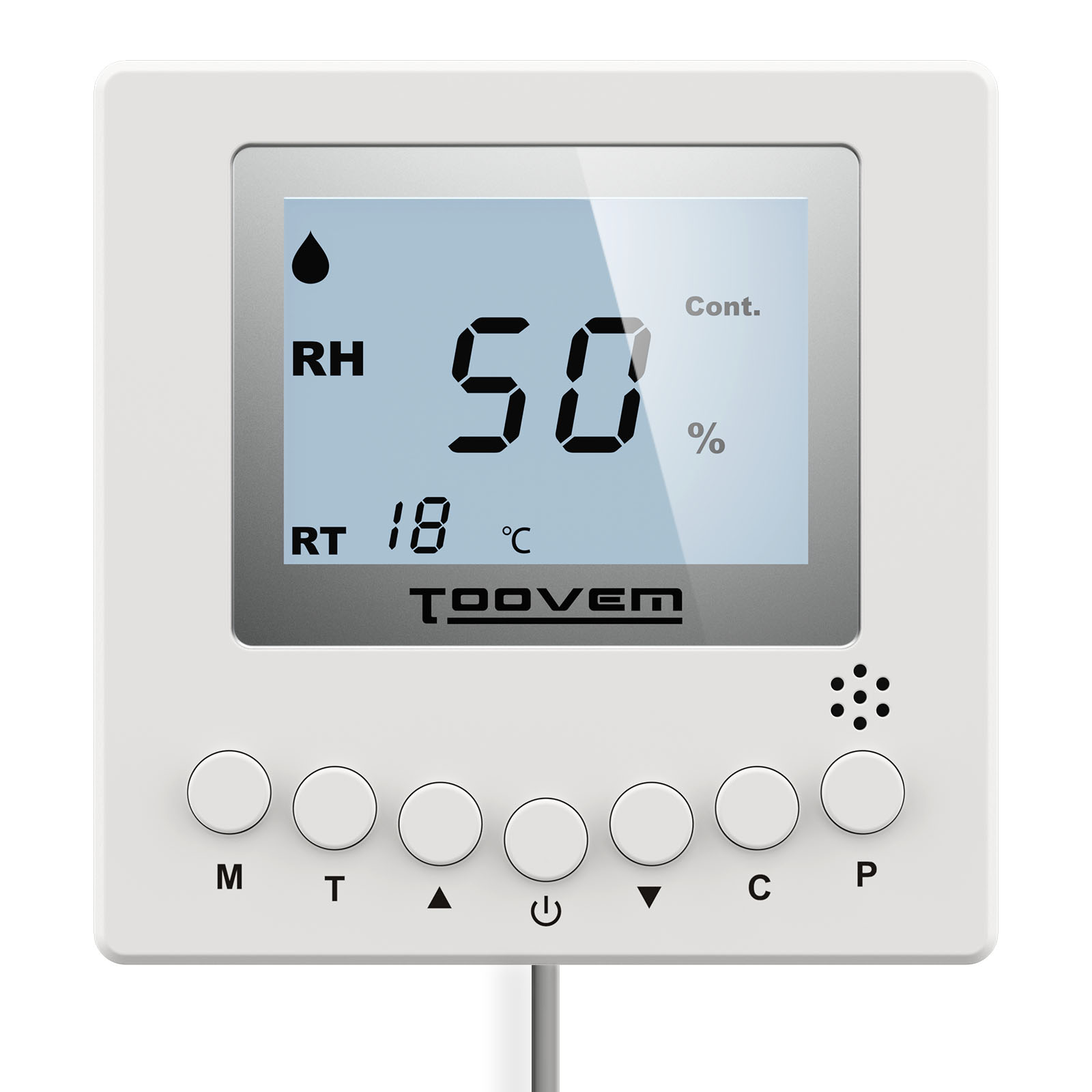
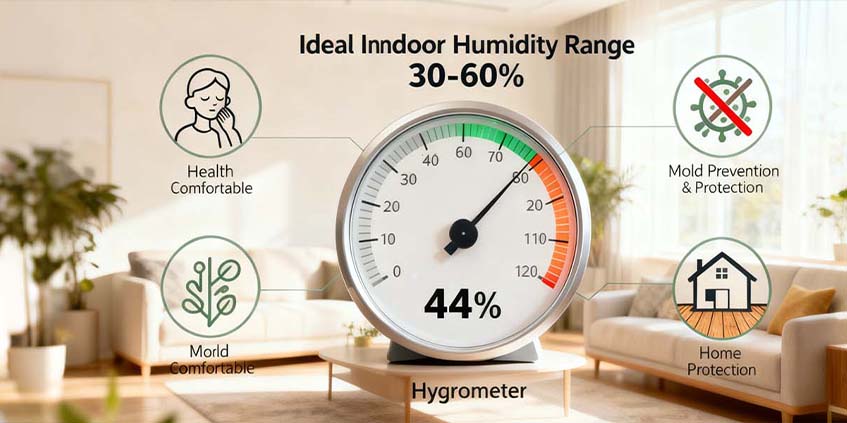
Most homes remain cosy and secure when indoor humidity stays between 45%-55%. Preferably, this corresponds to a 40% dehumidifier humidity setting; however, you can adjust it high or low to discover the level that suits your comfort.
This range minimizes humidity issues while preventing the dryness problems that happen when settings drop too low. Moreover, humidity
Best Humidity Setting for Different Rooms
Different areas of a house meet distinct humidity levels. Setting your model correctly helps keep constant protection across the house.
Basement
Target: 45% or under
Basements remain cold, which boosts moisture absorption in concrete. EPA professionals emphasize that basements often capture moisture because concrete gradually releases absorbed water.
Maintaining the basement humidity level at or under 45% stops mold and protects stored items. Among the crucial areas while learning how to set my dehumidifier properly.
Crawl Space
Optimal: 50% or low
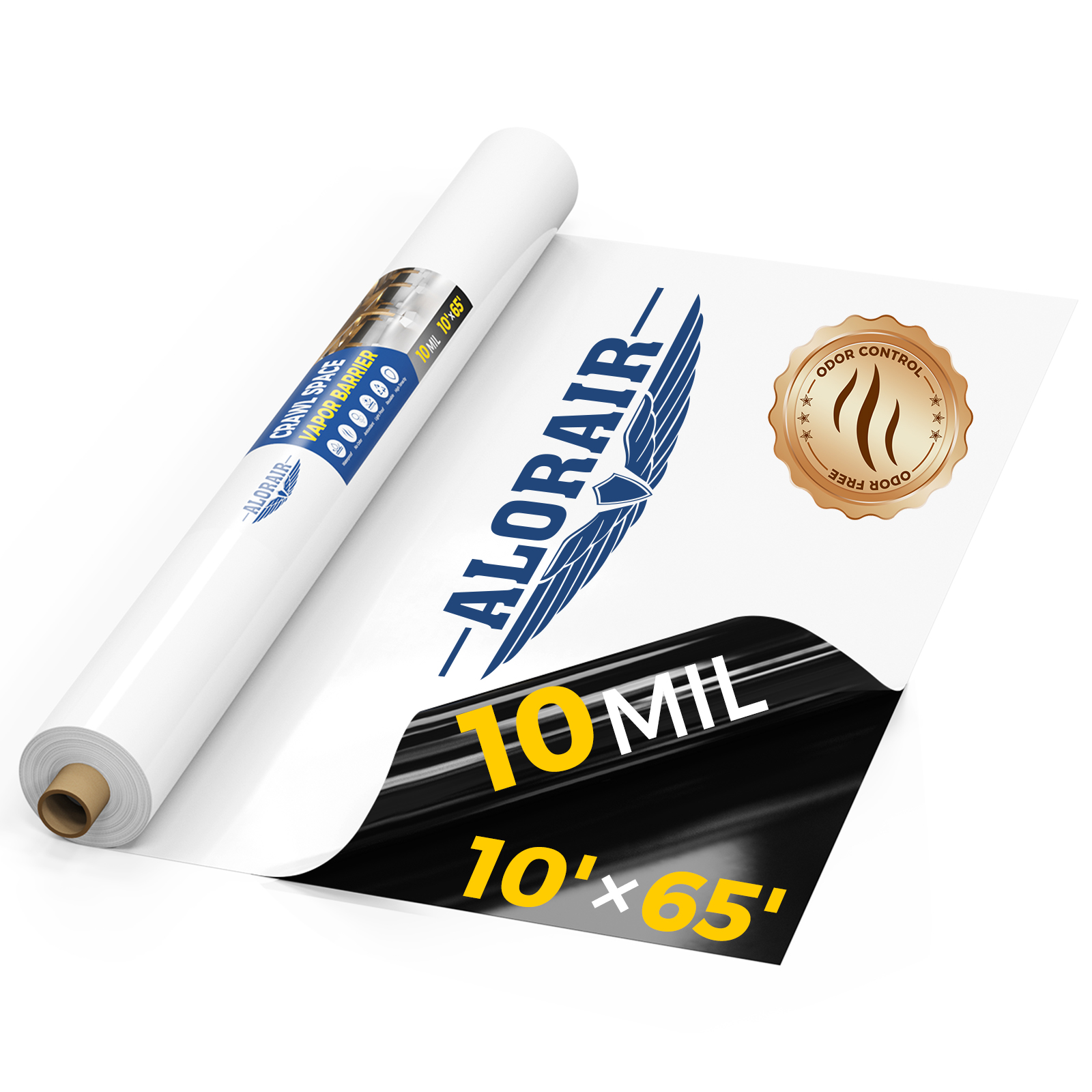
Crawlspaces draw moisture from nearby soil, specifically in damp climates. Increased humidity results in insulation damage, decayed wood, and mold spreading into upper levels.
Setting the humidity near 50% saves structural materials and helps keep an ideal basement humidity level in upstairs areas.
Bedrooms & Living Rooms
Range: 40%-50%
This lineup facilitates sleep quality, ease, and allergy control. Dry air irritates nasal cavities, whereas damp air might worsen dust mite levels. Balanced sett
Laundry Room
Set the humidity lower during huge laundry loads. Dampness increases each time hot, humid air escapes from dryers and washers. Lowering the humidity helps clothes dry swiftly and lowers the moisture reaching into nearby rooms.
Garage & Storage Areas
Aim for 45%-55% based on outdoor climate. Garages gather moisture from car exhaust, outdoor air, humid vehicles, and uninsulated walls. Humidity causes metal equipment to corrode and cardboard boxes to weaken.
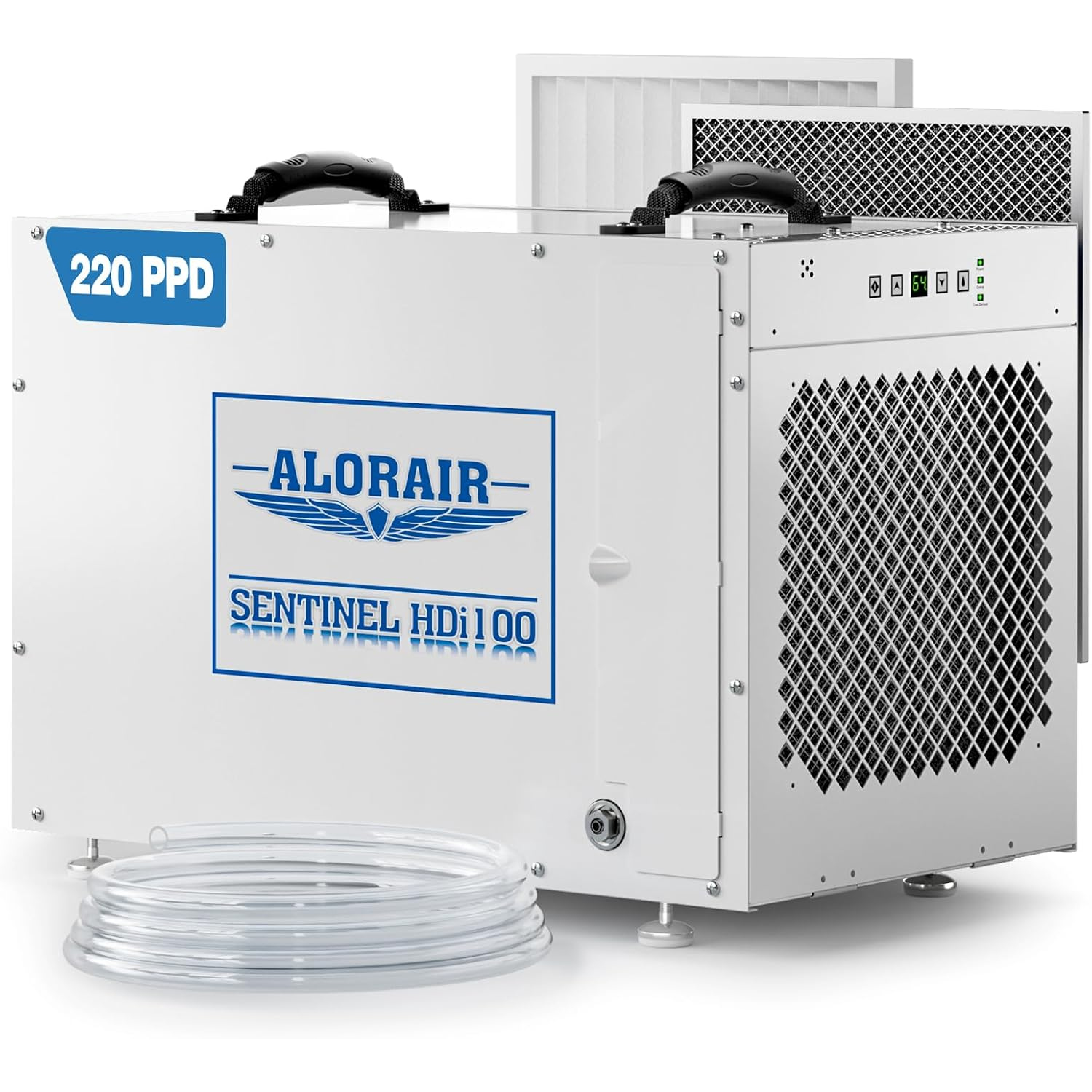
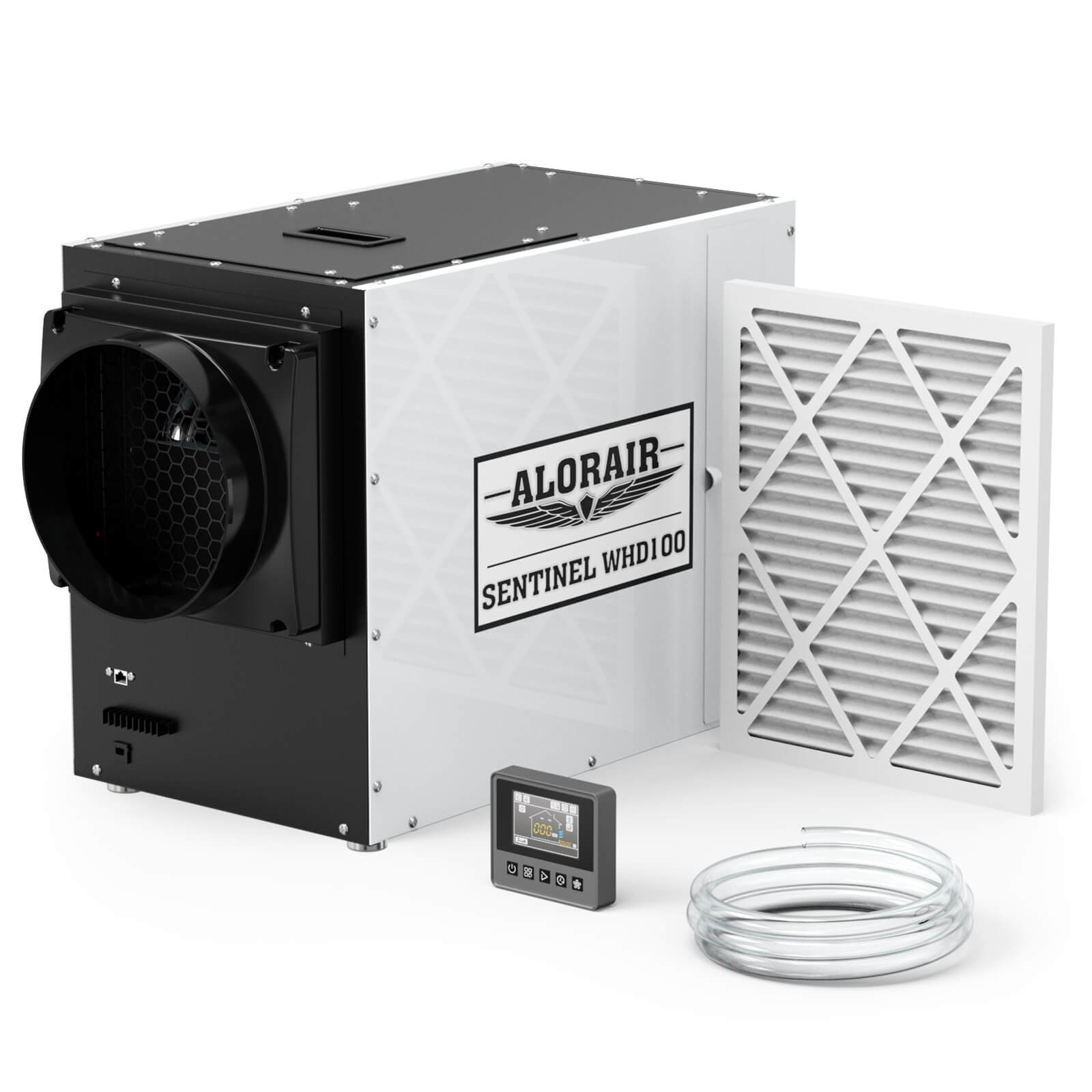
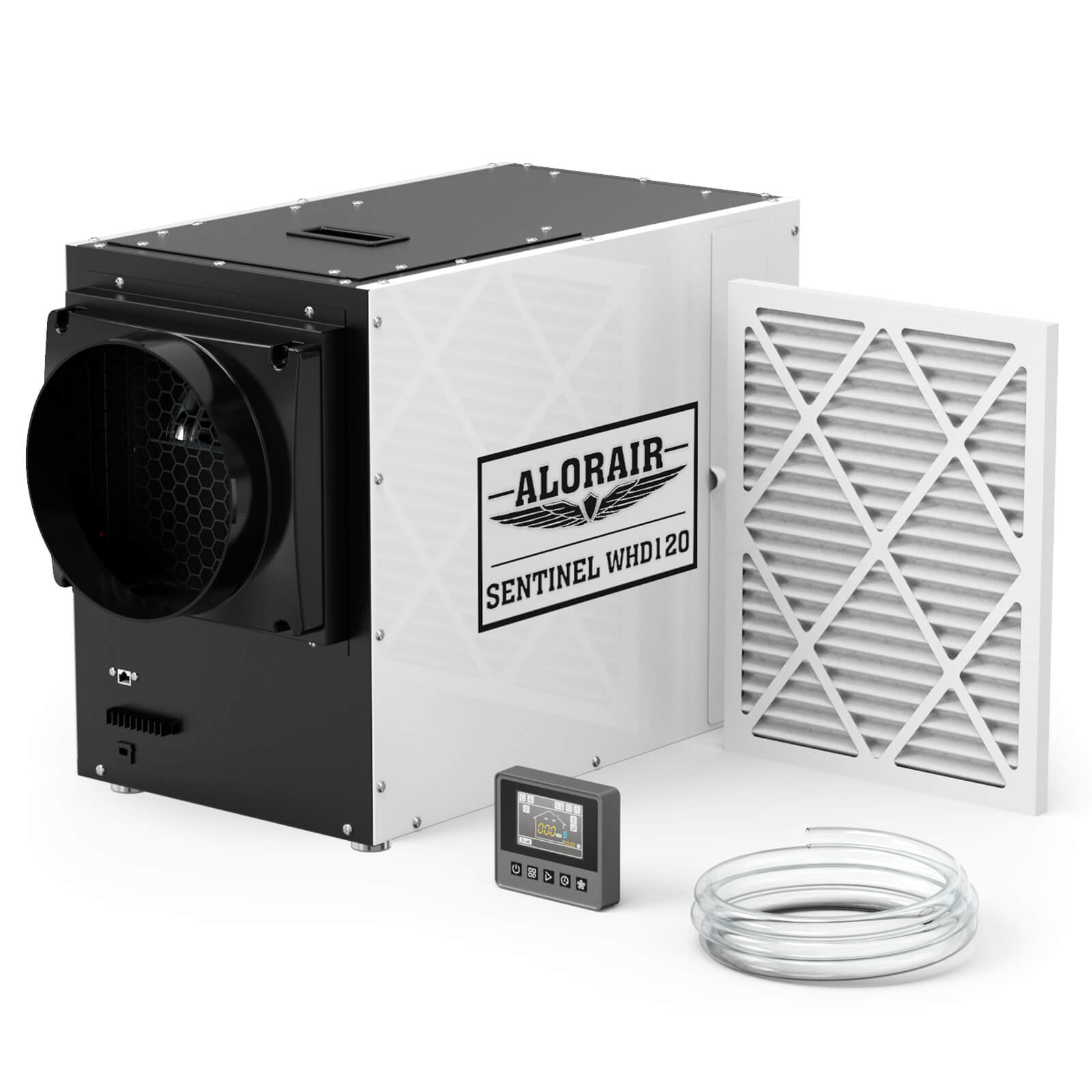
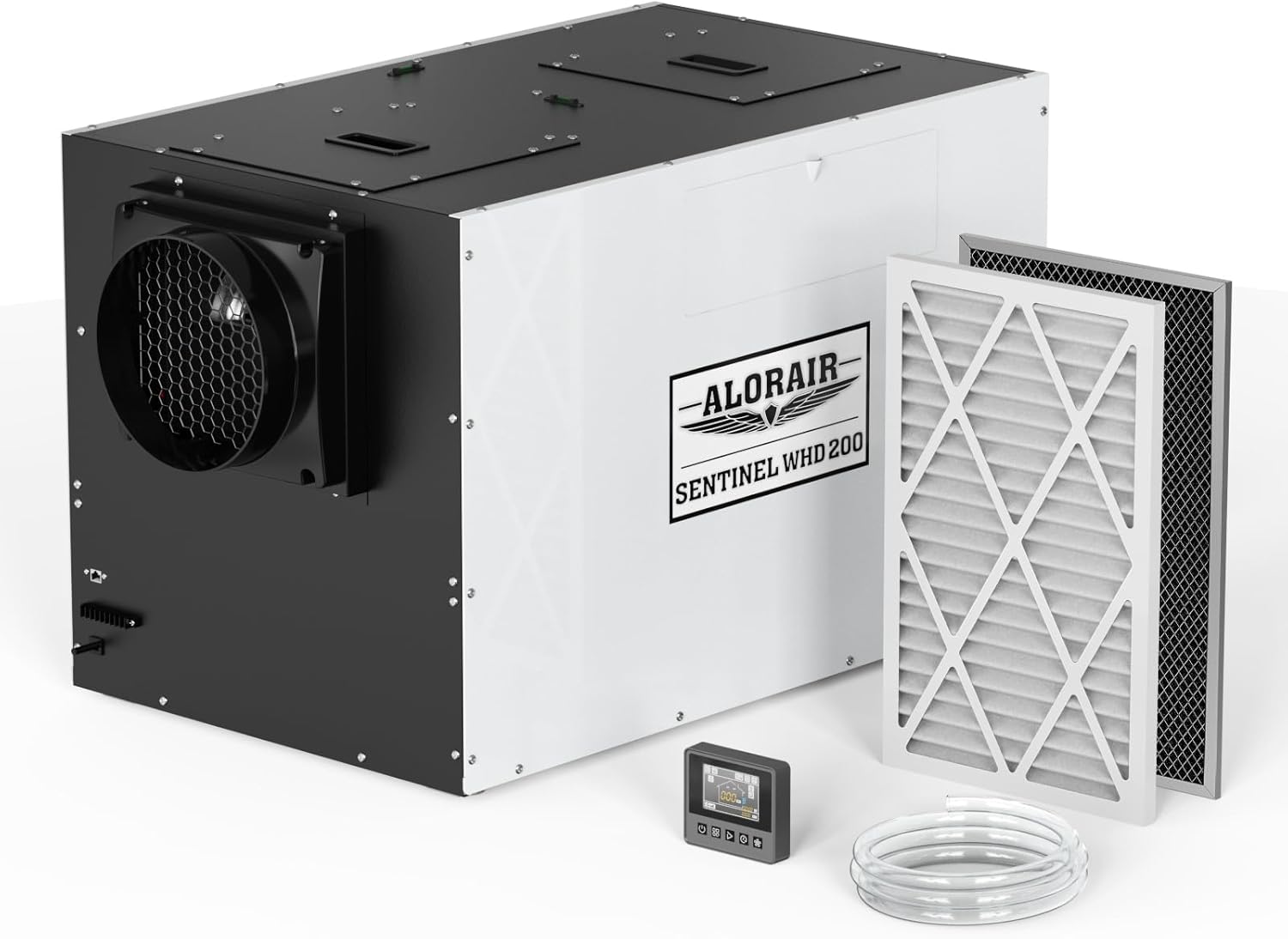
So, operating the Sentinel WHD 100 dehumidifier in summer prevents high humidity from lingering on stored articles. Its automatic defrost, Fresh air function, energy efficiency, and GPP mode make it the best dehumidifier you will ever use.
How Weather and Seasons Affect the Right Setting
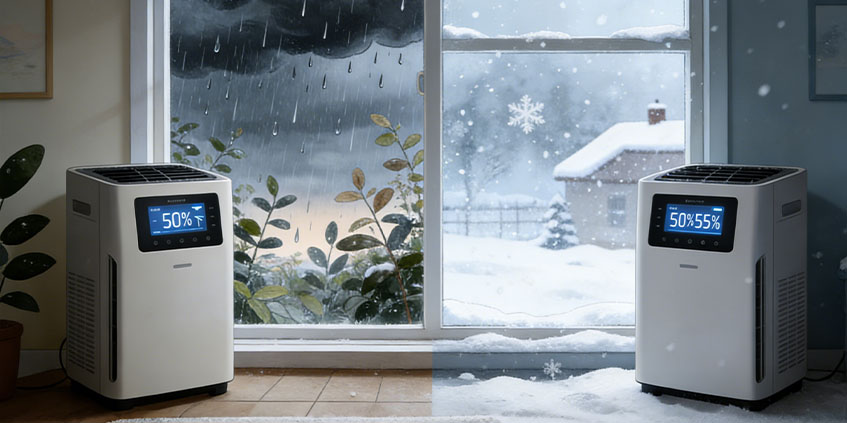
Humidity changes with seasonal weather, so must your humidity settings. Weather conditions affect how much moisture infiltrates the home and how hard the dehumidifier must function.
Summer Settings
Hot air brings more moisture, and as this air enters the house, humidity increases fast. So, setting your dehumidifier to 50% or under manages dampness spikes and assists in keeping a healthy basement humidity level. This is especially important for those who depend on a dehumidifier in summer to avoid mold in crawl spaces and basements.
Winter Settings
Cool outdoor air carries less moisture. Indoor heating lowers dampness even more. Elevating settings to 50%-55% prevents extremely dry air, which can impair wood floors and irritate the nasal passages.
Rainy Weeks or Storm Seasons
Extended rainy periods and storms bring in excess humidity through garages, basements, and ground-level rooms. Temporarily reducing the setting helps extract excessive humidity before it spreads. This brings a more controlled environment during shifting weather.
When Should You Set a Dehumidifier Lower Than 45%?
Reduced settings are at times essential when humidity issues are severe.
- Persistent Mold Growth: Homes with growing mold need powerful moisture removal. Mold develops fast, just as humidity remains over 60% and setting the model lower accelerates drying and decreases spread.
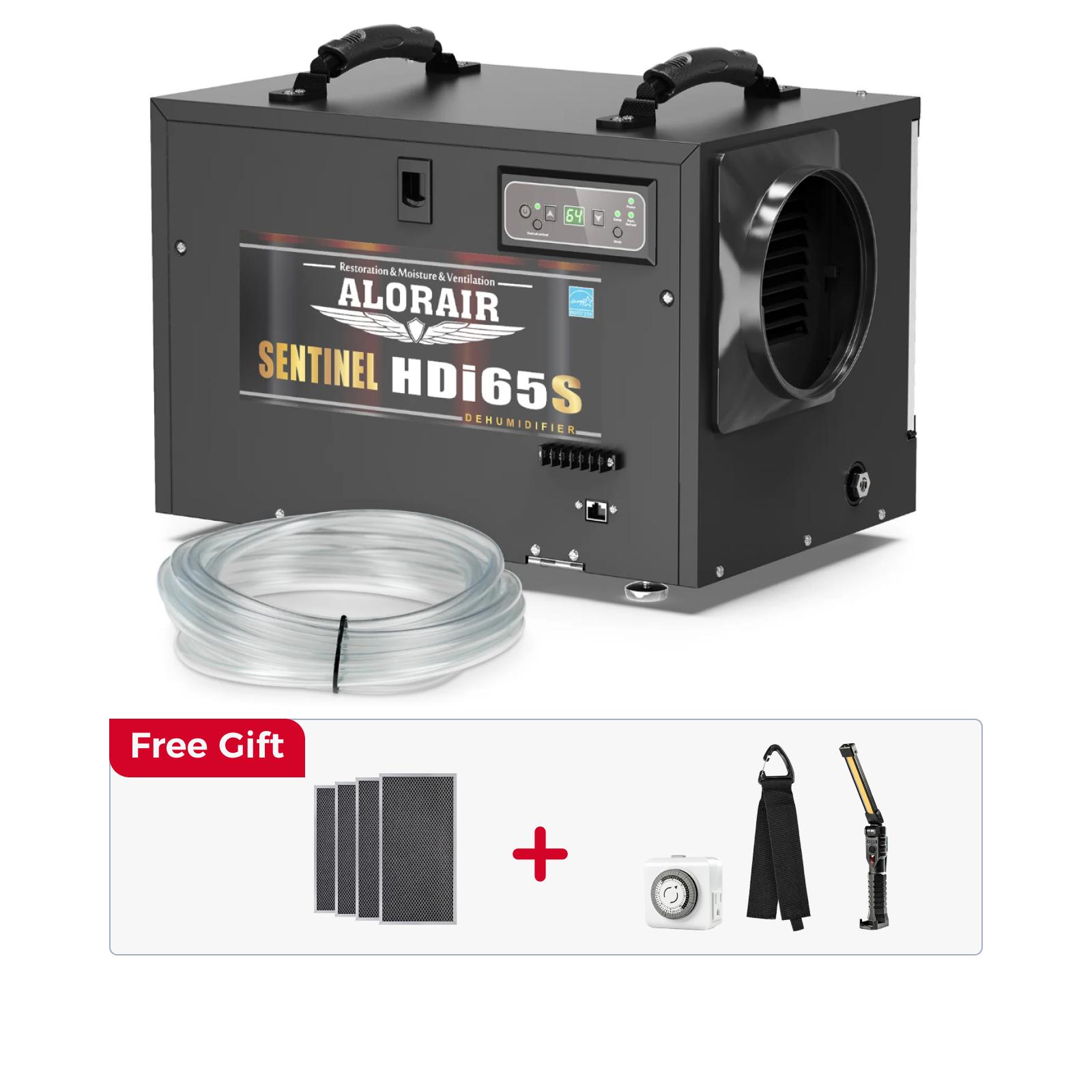
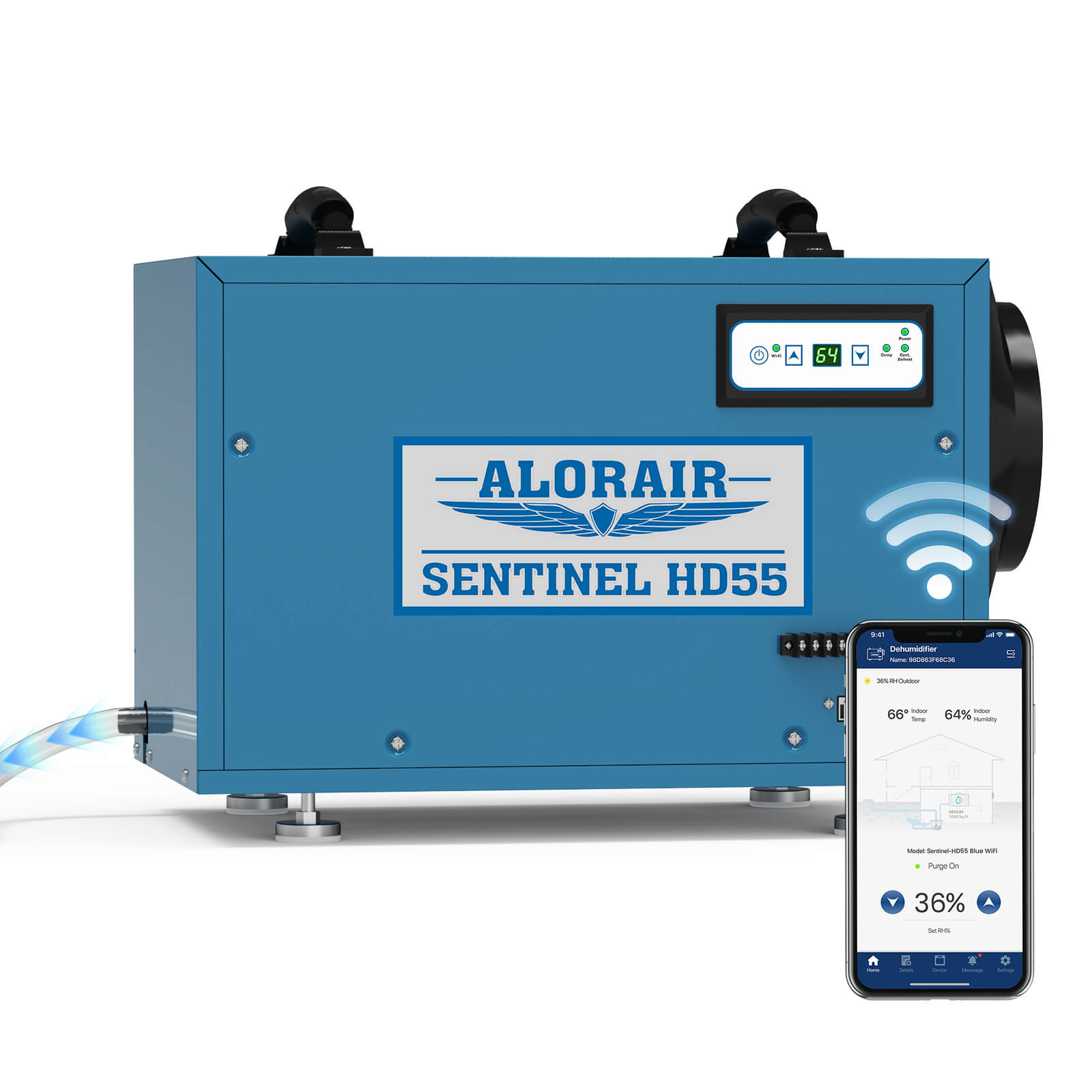
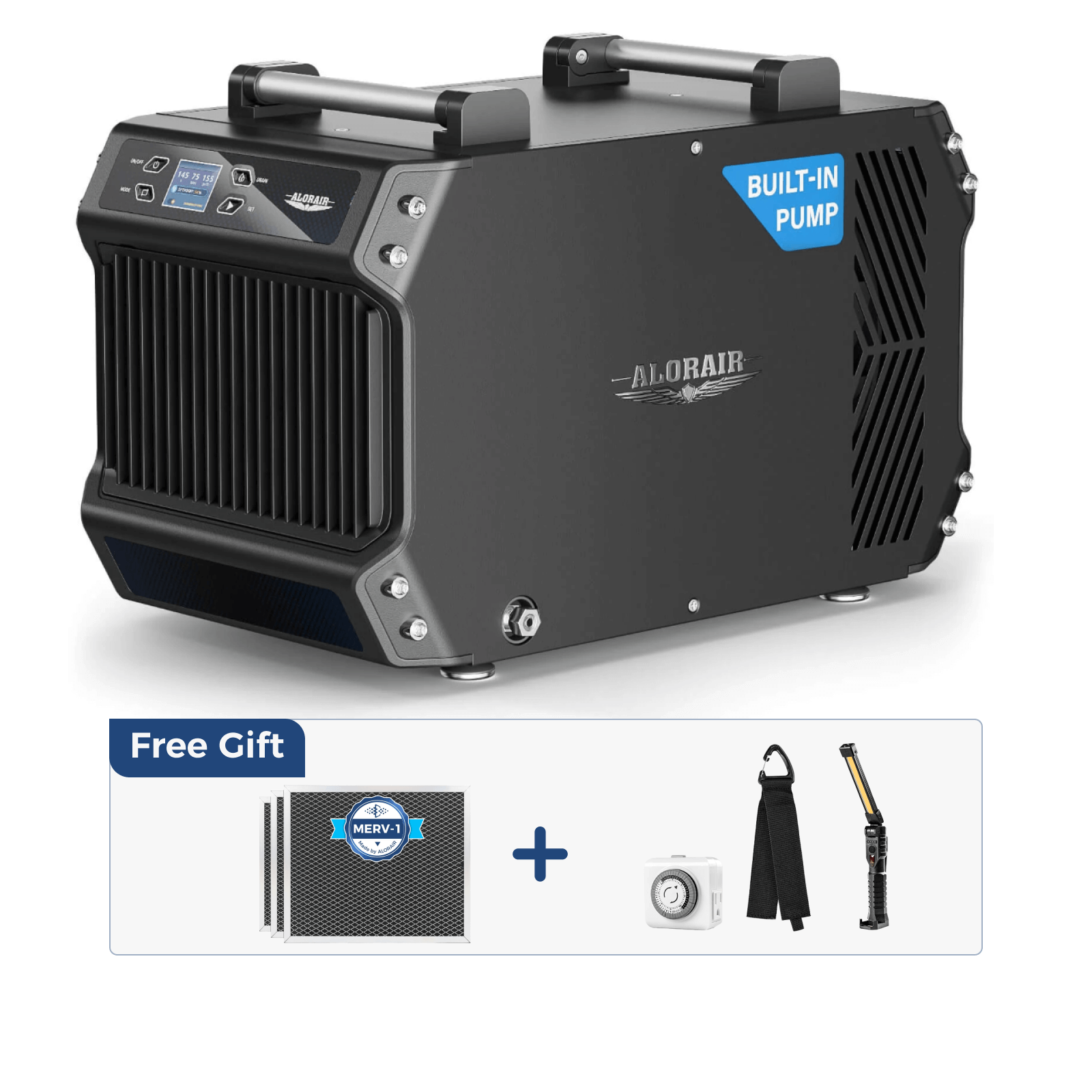
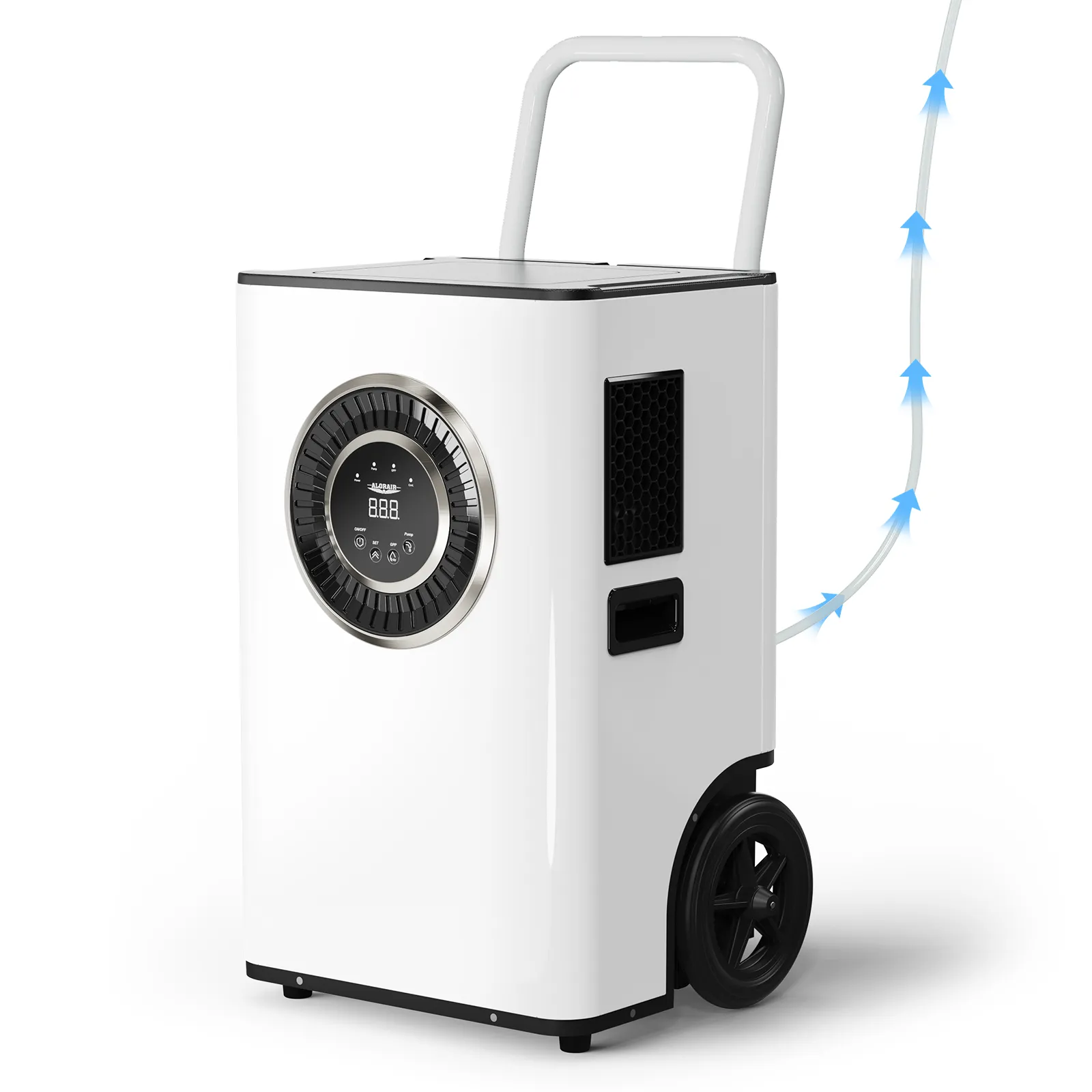
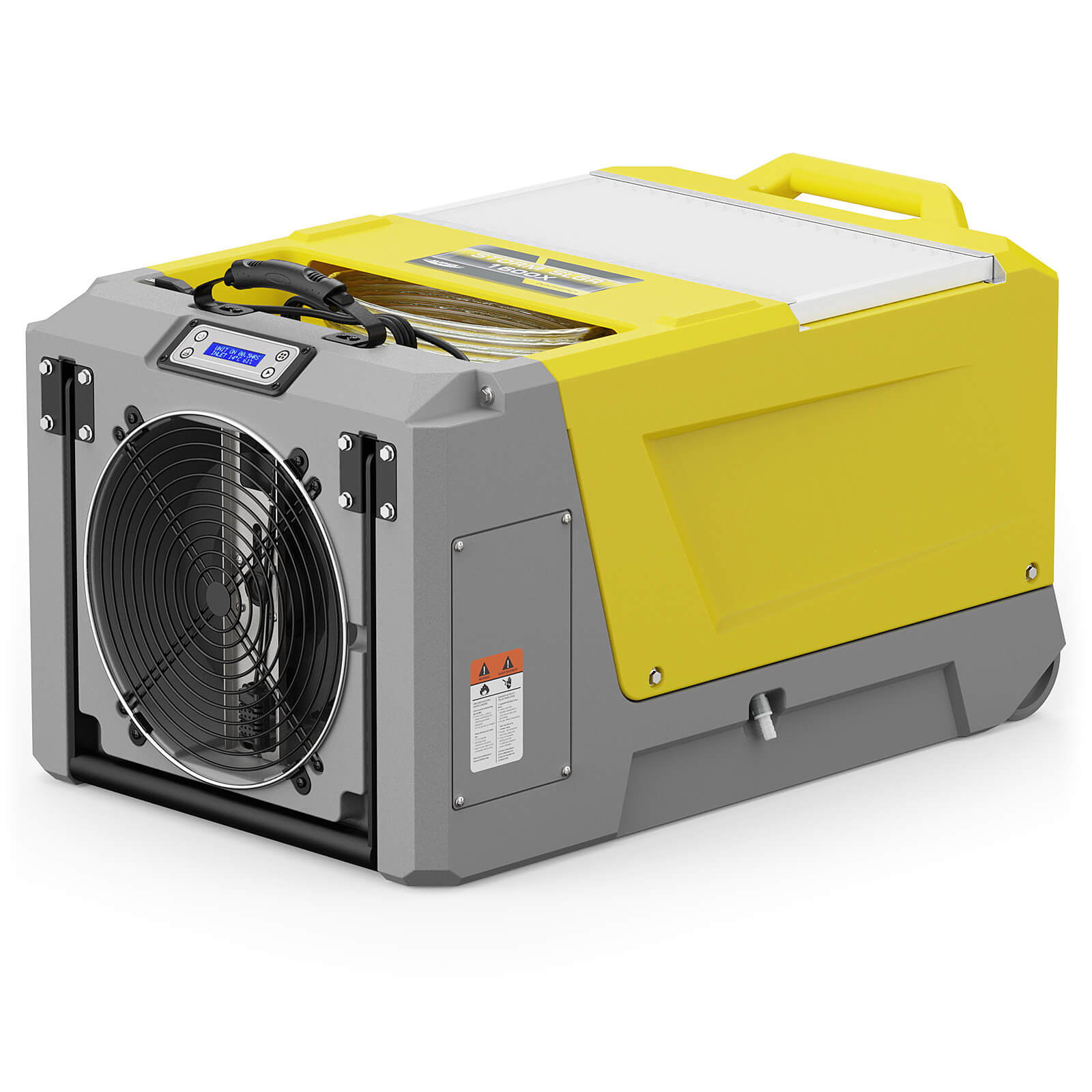
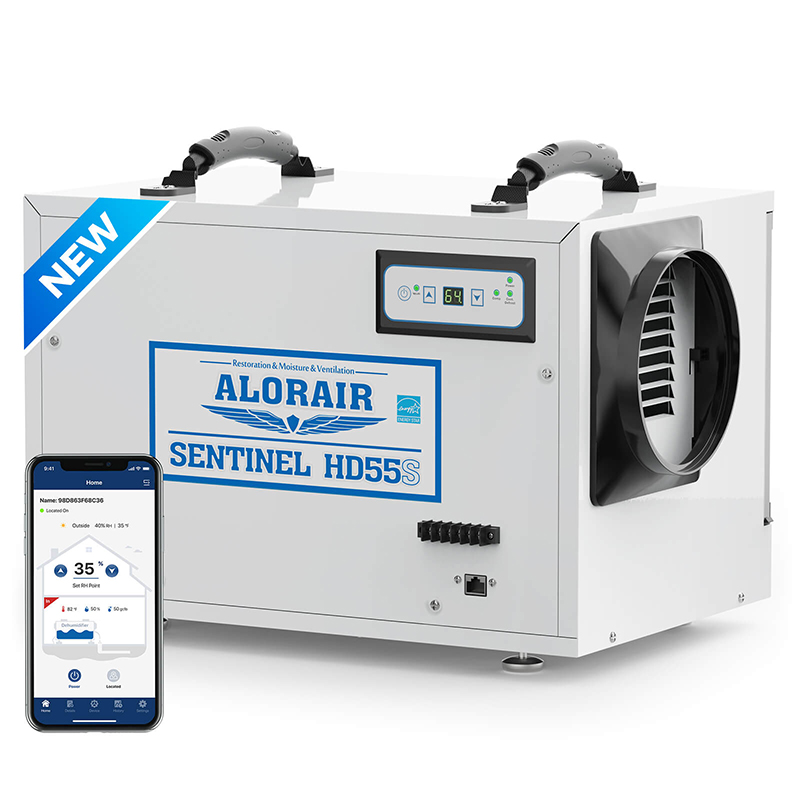
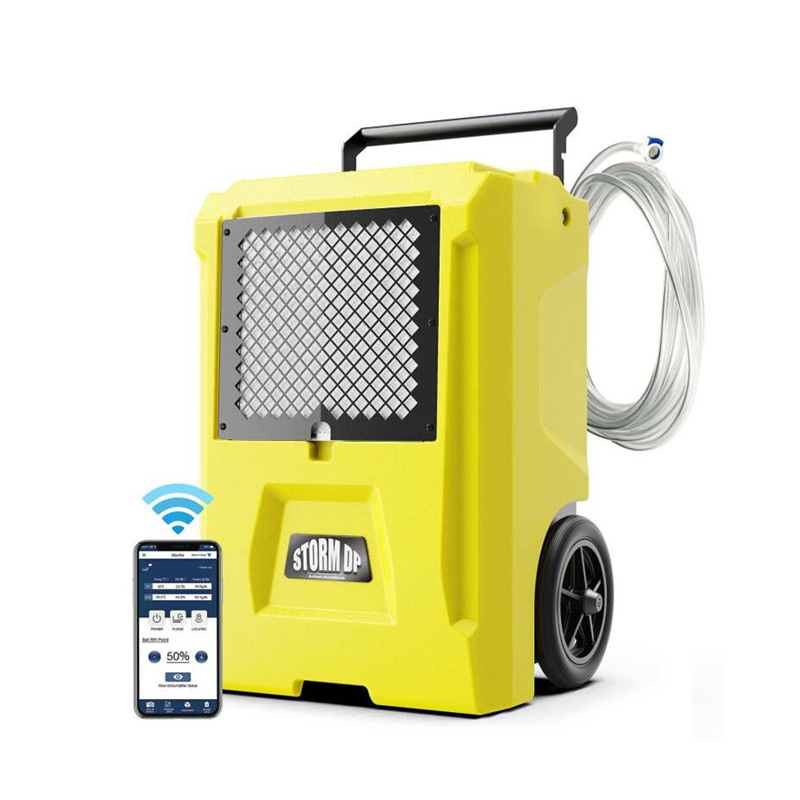
- Flooding or Water Damage: Flooded rooms or basements require rapid drying. Restoration experts lower the humidity to 35%-40% to remove moisture from walls, floors, and insulation. Moreover, investing in a unit like Sentinel HD55P, specifically designed for water damage restoration, maintains optimal humidity levels. It features advanced technology for internal corrosion protection and two drainage modes: pump drainage and auto gravity.
- Extremely Damp Crawlspaces or Basements: A few crawlspaces hold heavy moisture from standing water or soil. Therefore, reducing humidity settings helps balance the environment before returning to optimal basement humidity for normal activity.
Factors That Affect the Right Setting
Humidity management shifts with humidity burden, room size, and the kind of unit you use. These factors help decide what dehumidifier should be set in every part of the house.
Size of the Space
Bigger rooms demand heavy-duty units to arrive at a steady humidity level. The EPA remarks that dehumidifiers must match room volume for efficient moisture control.
Amount of Moisture Present
A humid room requires more aggressive settings.
- Flooded areas require lower humidity targets.
- Rooms with moderate humidity need mild settings.
Once conditions balance, you can increase the level for routine maintenance.
Type of Dehumidifier
Different types handle humidity in different ways:
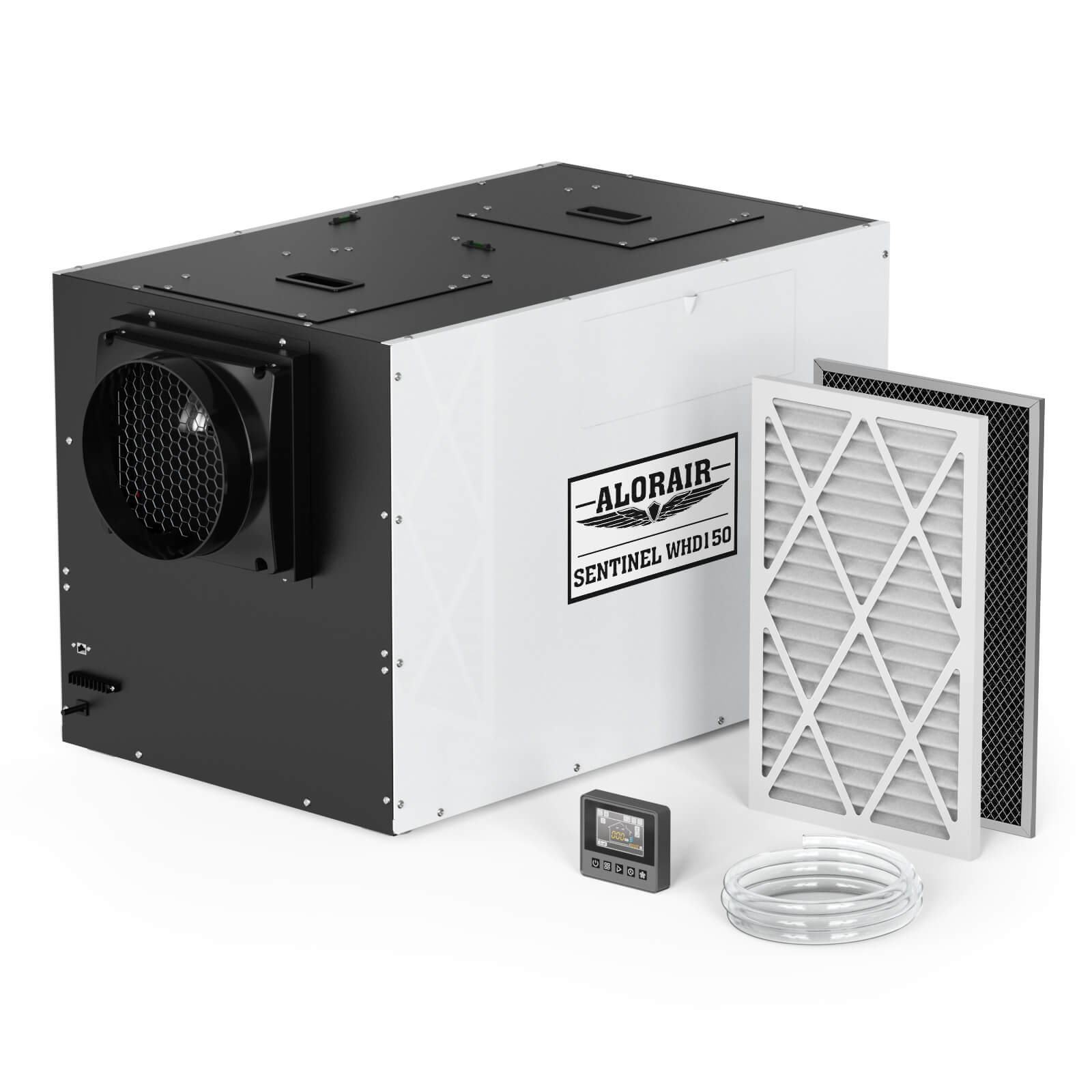
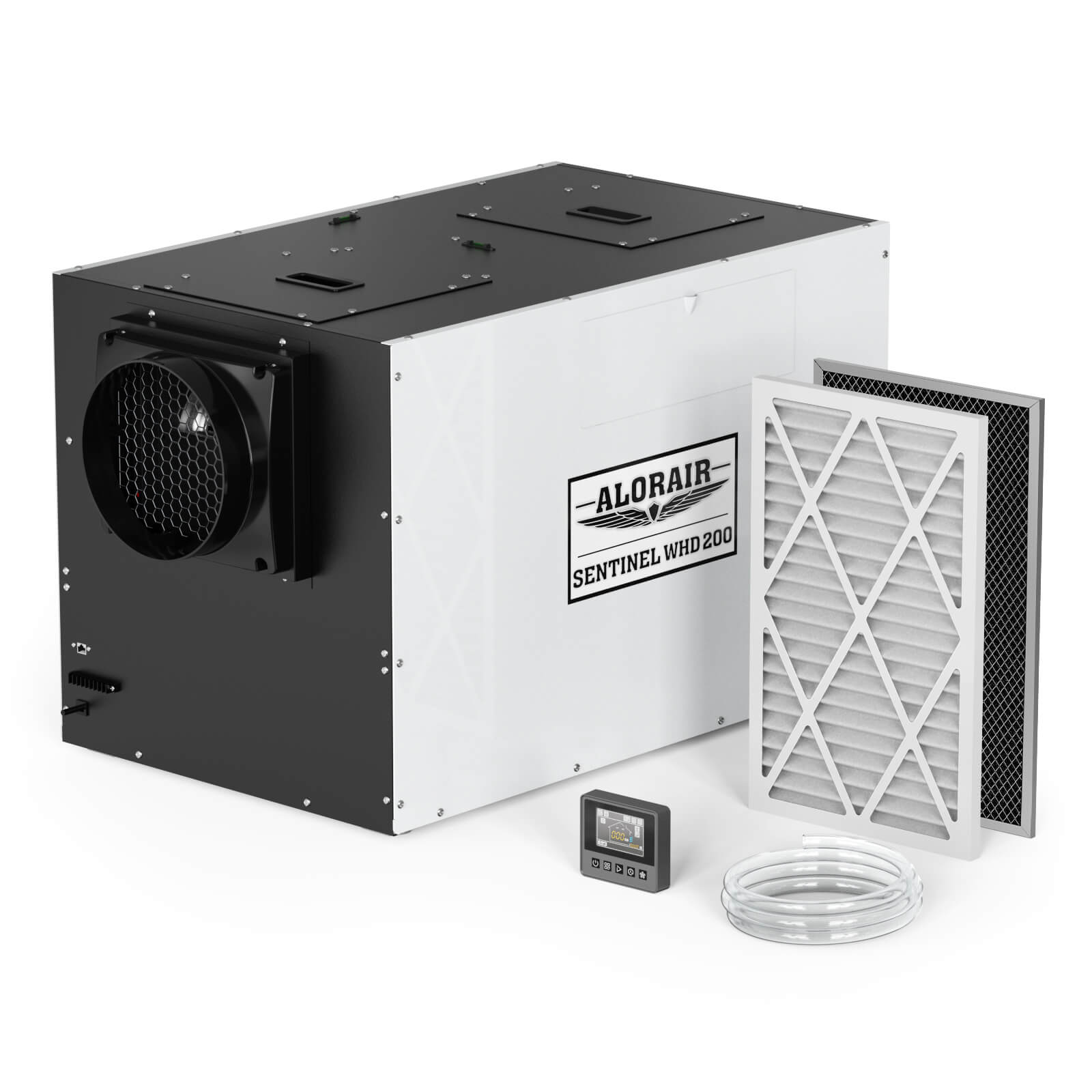
- Whole-house units adjust humidity precisely via ductwork.
- Commercial dehumidifiers pull dampness quickly in very humid settings.
- Compact units concentrate on single rooms.
Protect Your Home Year-Round with AlorAir Dehumidifiers!
Are you struggling to drive the proper balance for your home? AlorAir is at your service. We design modern dehumidifiers engineered for constant performance in real-world environments. Explore our complete variety now and pick the solution that holds your home at the ideal humidity settings throughout the year.
