





-(1).png)
.jpg)
.jpg)
.jpg)
.HDi90.png)
.HD90.png)
.jpg)
.jpg)
.jpg)
.jpg)
.jpg)
.jpg)
.jpg)
.jpg)
.jpg)
.jpg)
.jpg)
.jpg)
.jpg)
.webp)
.webp)
.webp)
.webp)
.jpg)
.jpg)
.jpg)
.jpg)
.jpg)
.jpg)
.jpg)
.jpg)
.jpg)
.jpg)
.jpg)
.jpg)
.jpg)
.jpg)
.jpg)
.jpg)
.jpg)
.jpg)
.jpg)
.jpg)
.jpg)
.jpg)
.jpg)
.jpg)
.jpg)




-.jpg)
.jpg)
.jpg)
.jpg)






















 Exclusive offers
promotions
Exclusive offers
promotions

Most of us link dampness to the warm weather. However, cold months do not stop humidity issues, and the basements have very limited exposure to sunlight and heat externally. So, they are some of the dampest zones of a home during winter. A dehumidifier for the basement manages humidity when ventilation lowers, and outside air cannot stabilize moisture levels. Here’s why your basement has moisture issues, the benefits of dehumidifiers for basements, and how to choose the right one.
Why Basements Struggle With Moisture During Winter
Basements confront dampness differently from upper living areas. Mostly, winter conditions boost moisture retention rather than decreasing it.
- Warm indoor air meets cold foundation walls: Nevertheless, indoor air carries dampness in winter. When it touches cold concrete walls, condensation produces as surfaces drop below the freezing point.
- Moisture on pipes, concrete, and joists: Basement ducting, pipes, and rim joists stay cool, unlike the surrounding air. Humidity gathers on such surfaces without evident leaks. With time, repetitive condensation increases overall humidity levels.
- Winter rain and snow melt penetrate through the soil: Rain and snow infiltrate soil around foundations. Hydrostatic pressure drives moisture through concrete pores and micro-cracks.
- Bad ventilation when vents and windows remain shut: Houses stay sealed in winter to keep heat. Basements get the lowest airflow, which catches humidity indoors.
What Happens When Winter Basement Moisture Goes Unchecked
Uncontrolled humidity brings health and structural issues, even in cold weather. Mold development does not stop during winter. According to the Centers for Disease Control and Prevention (CDC), mold grows anytime moisture is present, despite temperature. Mold often forms behind insulation, walls, drywall, and stored articles before it turns visible.
Moreover, mold smells originate from basements into living spaces via air leakage and ductwork. Insulation, wood framing, and stocked items absorb moisture and decay with time.
These conditions extend allergen exposure and respiratory discomfort, particularly for sensitive individuals.
How a Dehumidifier Works Differently in Winter Conditions
A dehumidifier functions differently during winter as cold air contains less humidity. However, it discharges moisture easily onto surfaces. When the air temperature falls, relative humidity (RH) can stay high while the air feels dry. This is why winter basements still need active humidity management.
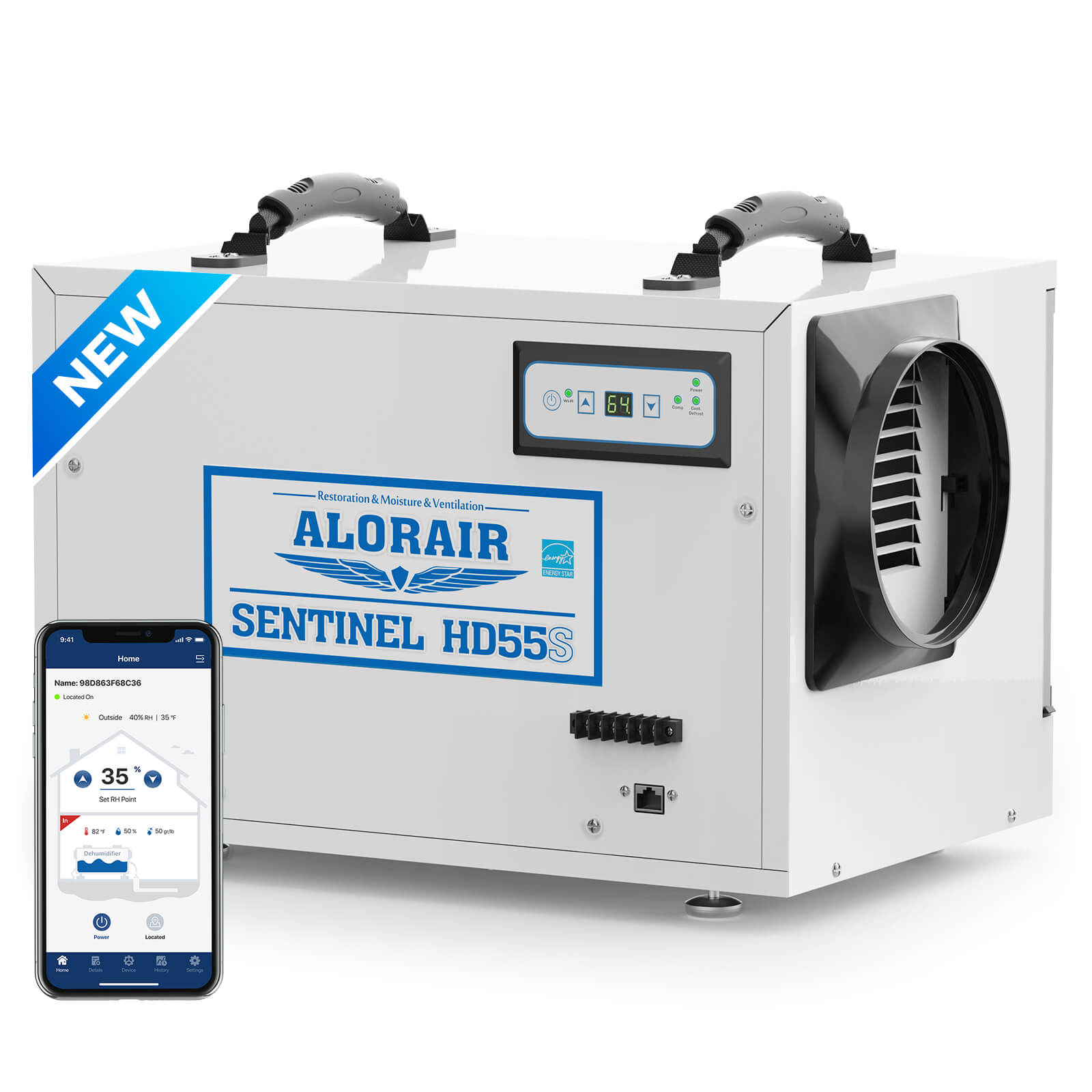
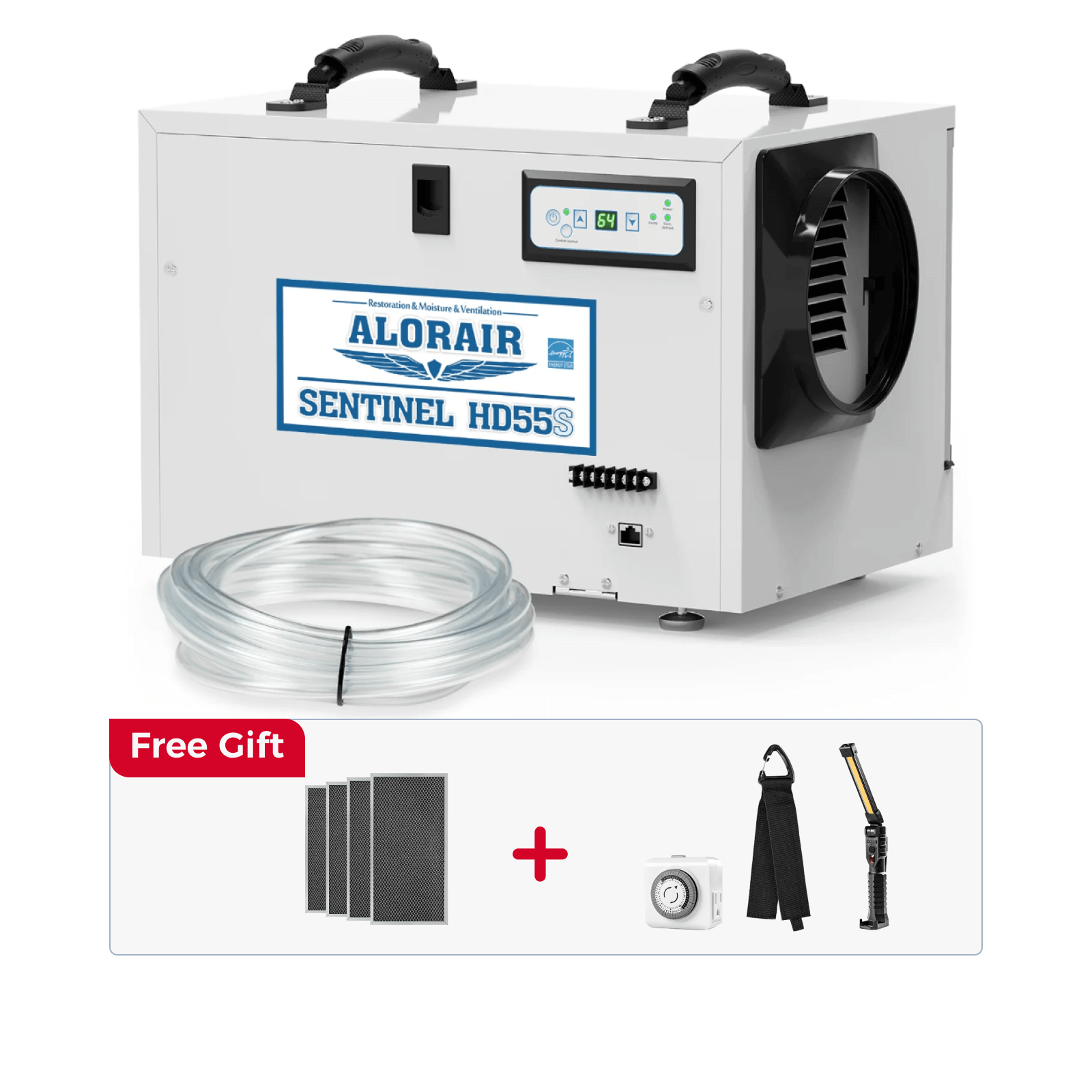
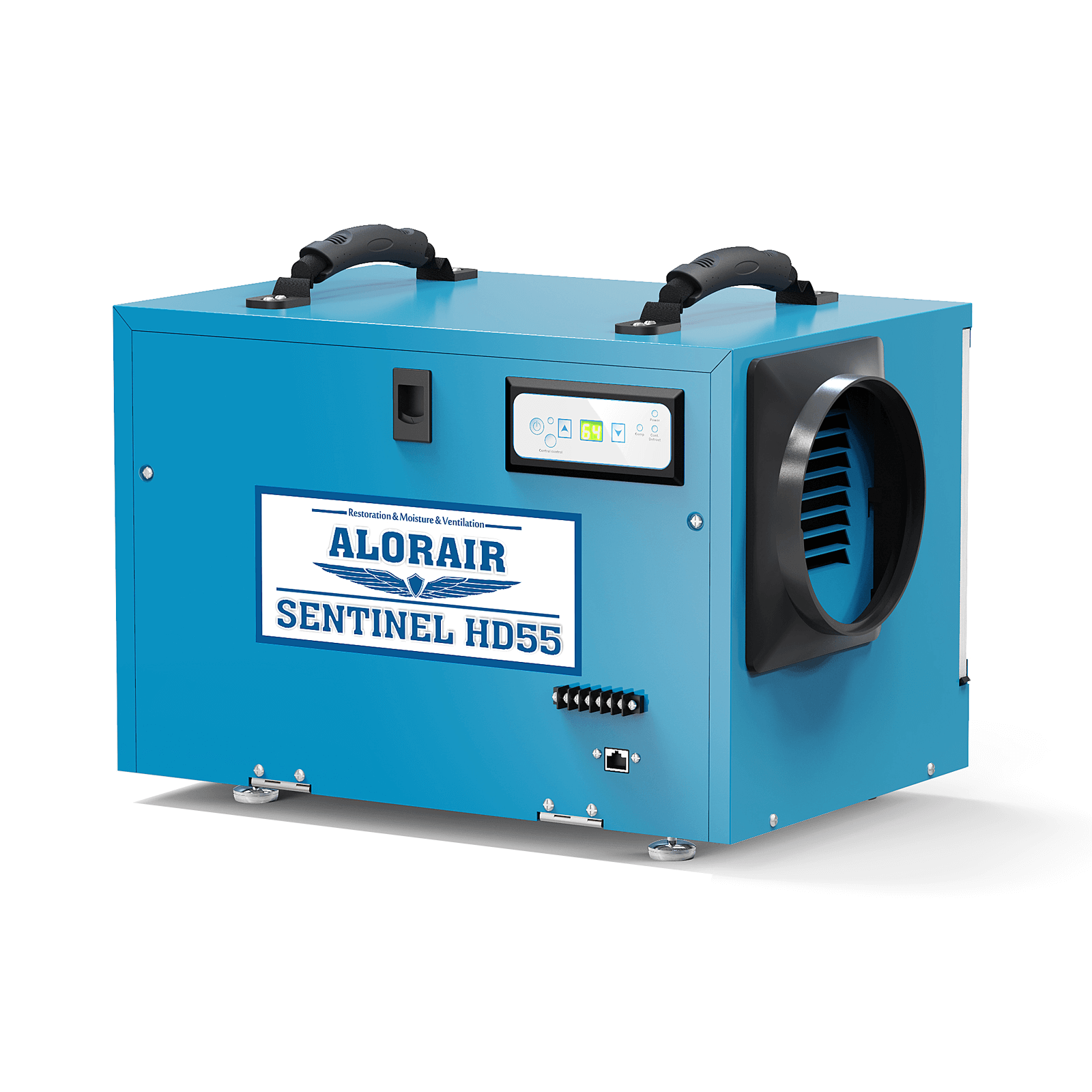
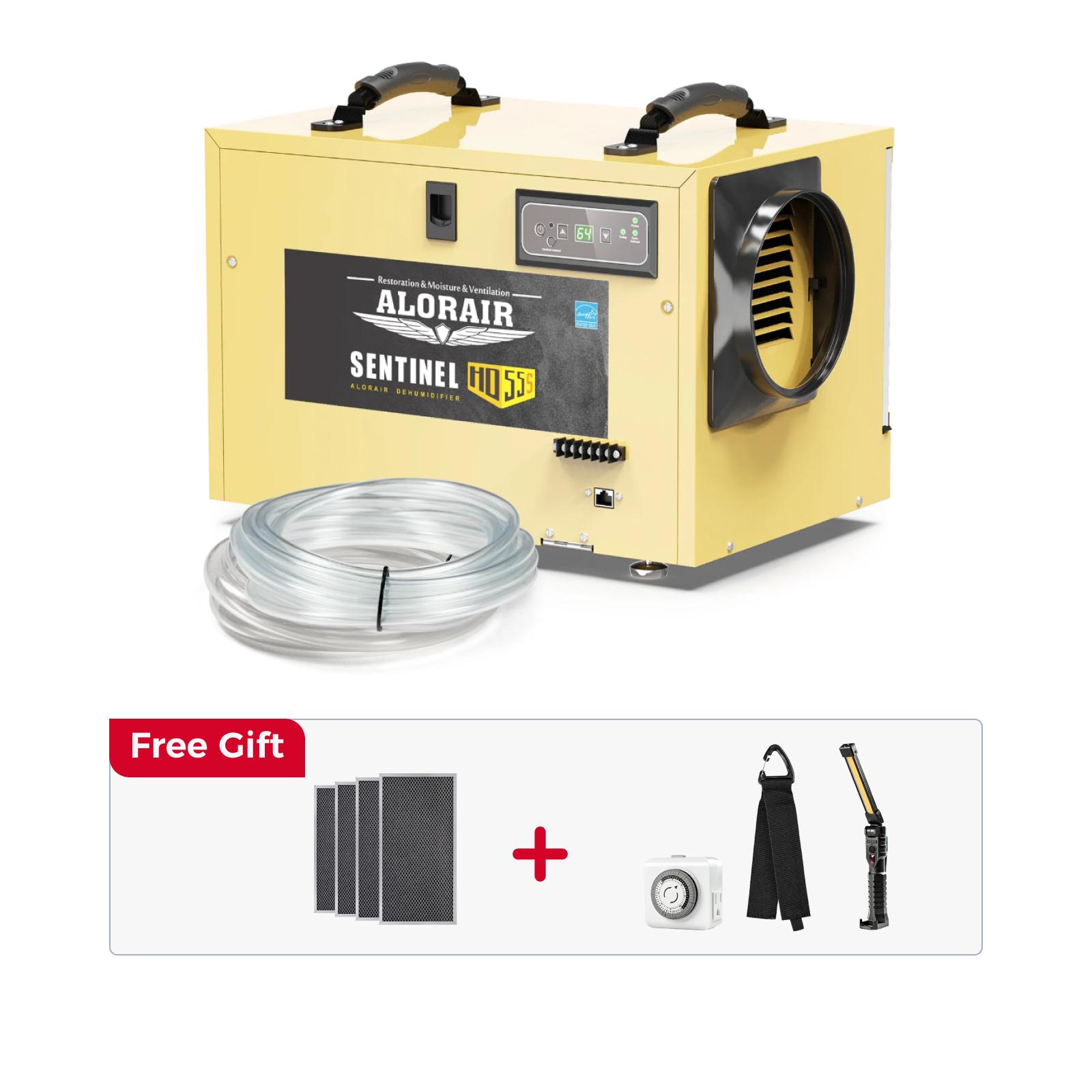
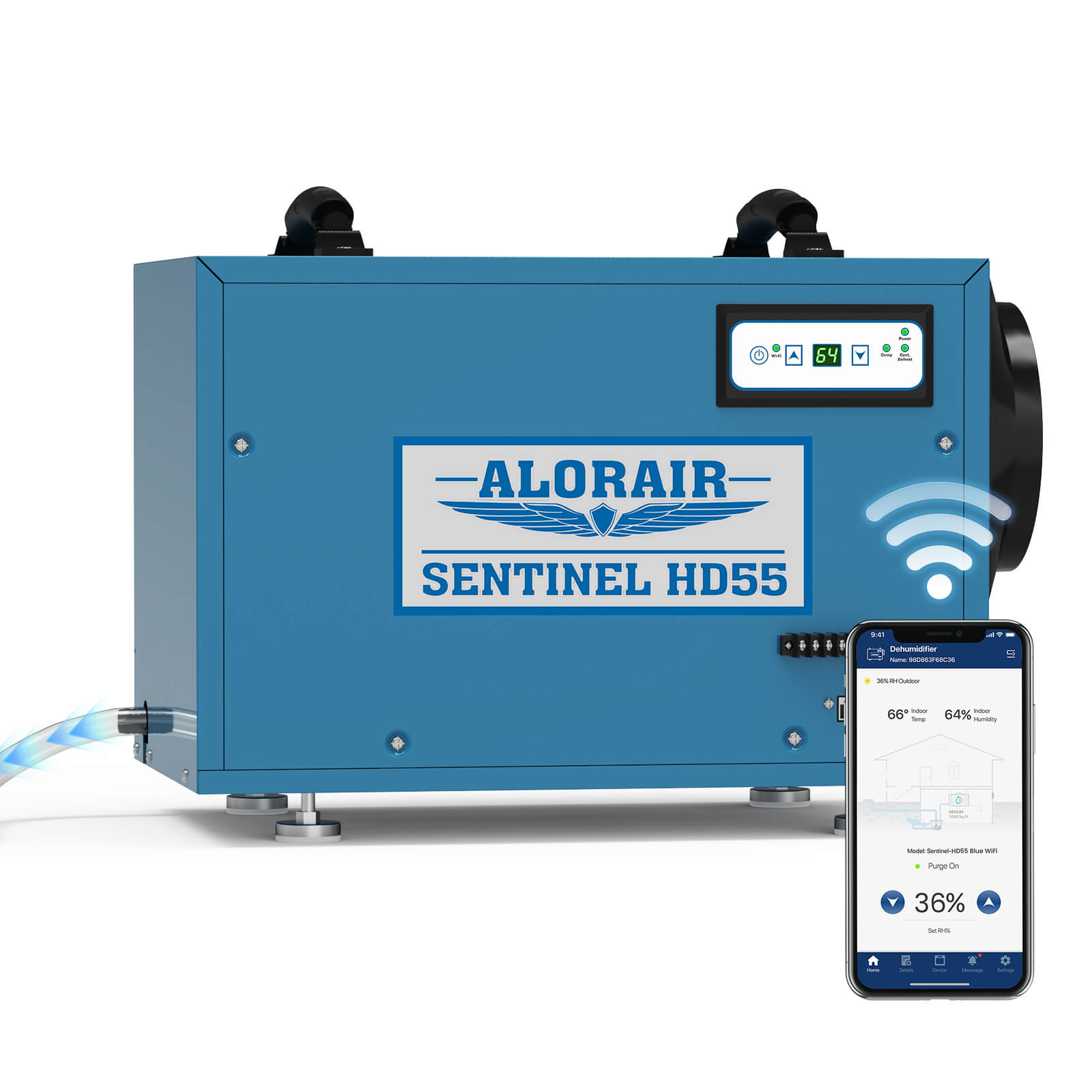
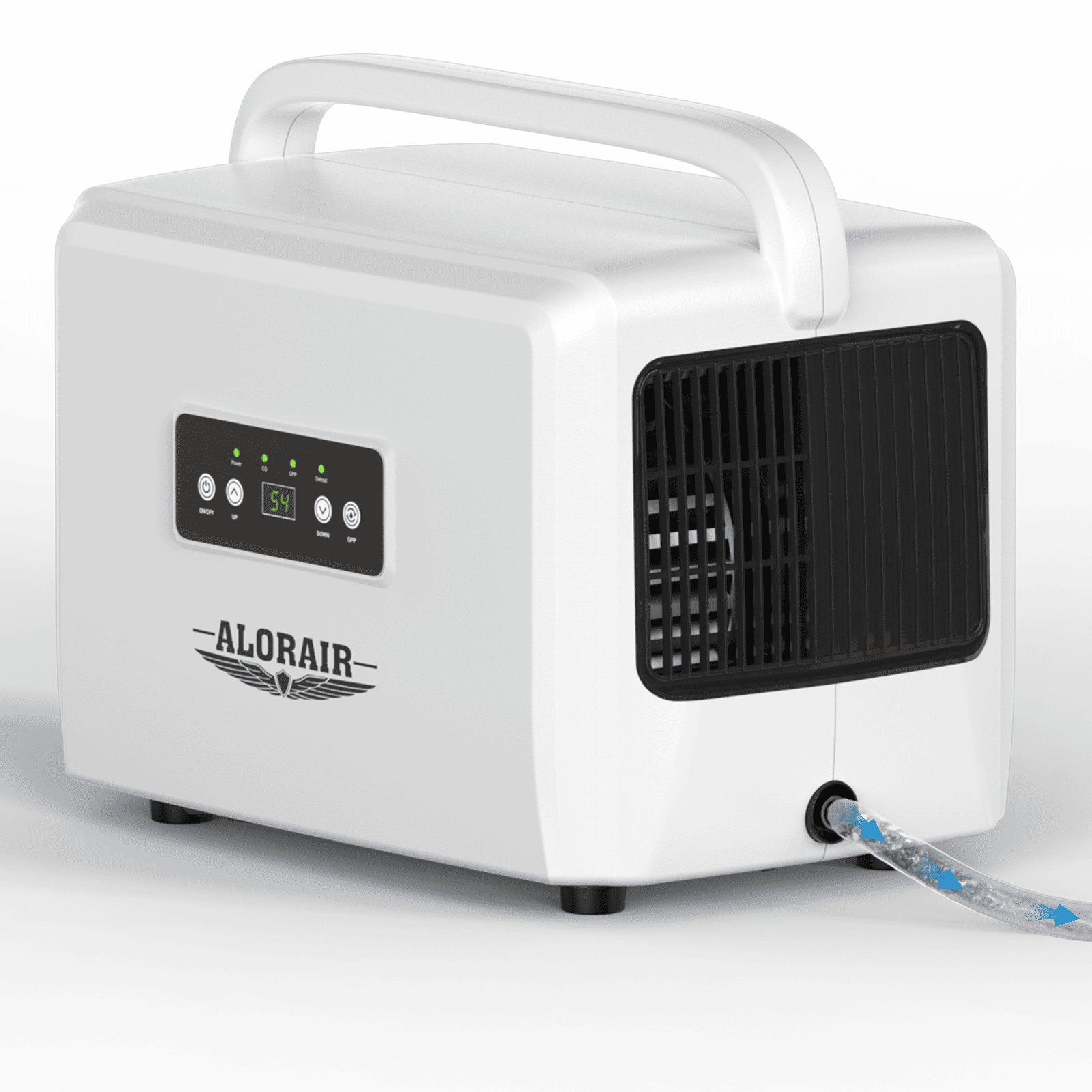
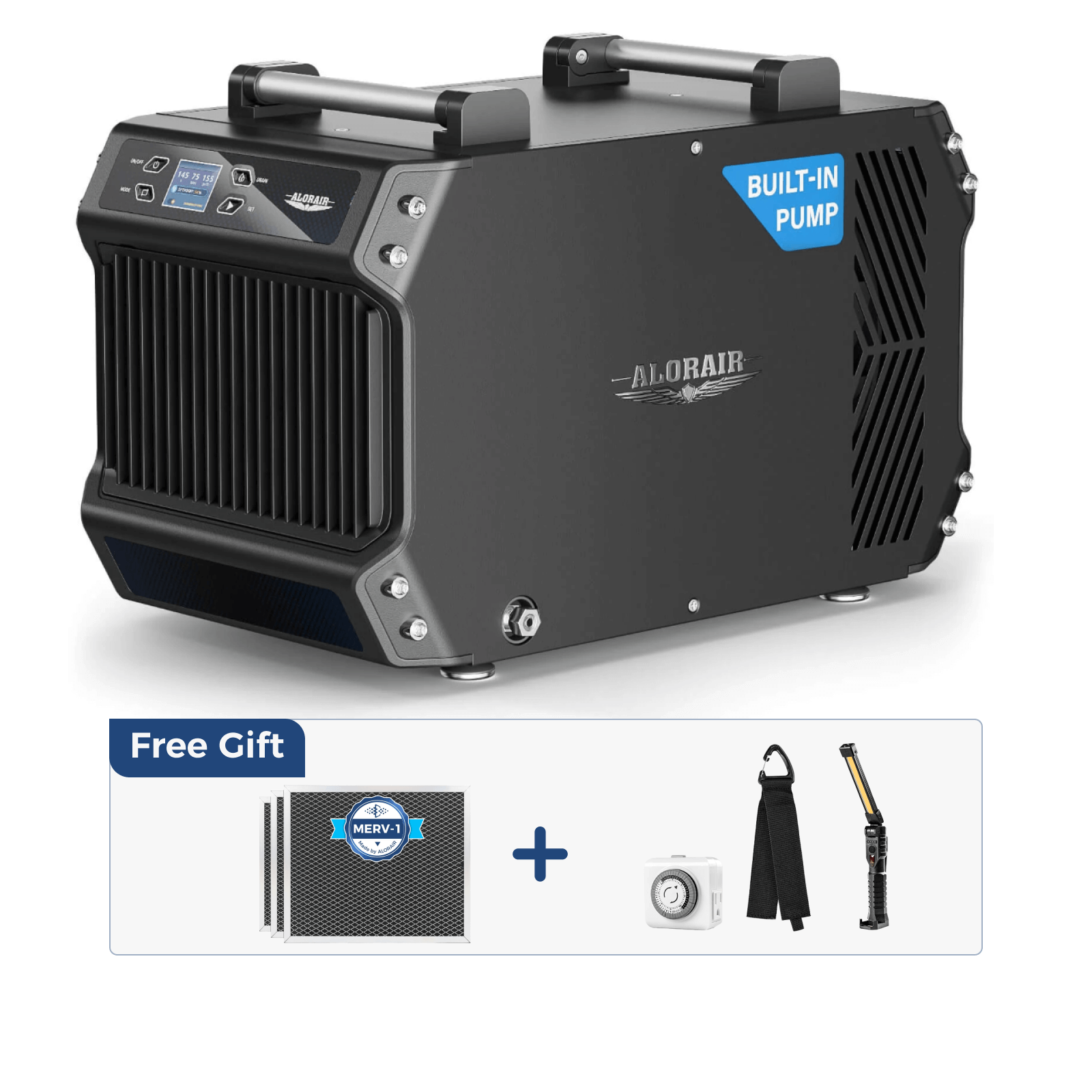
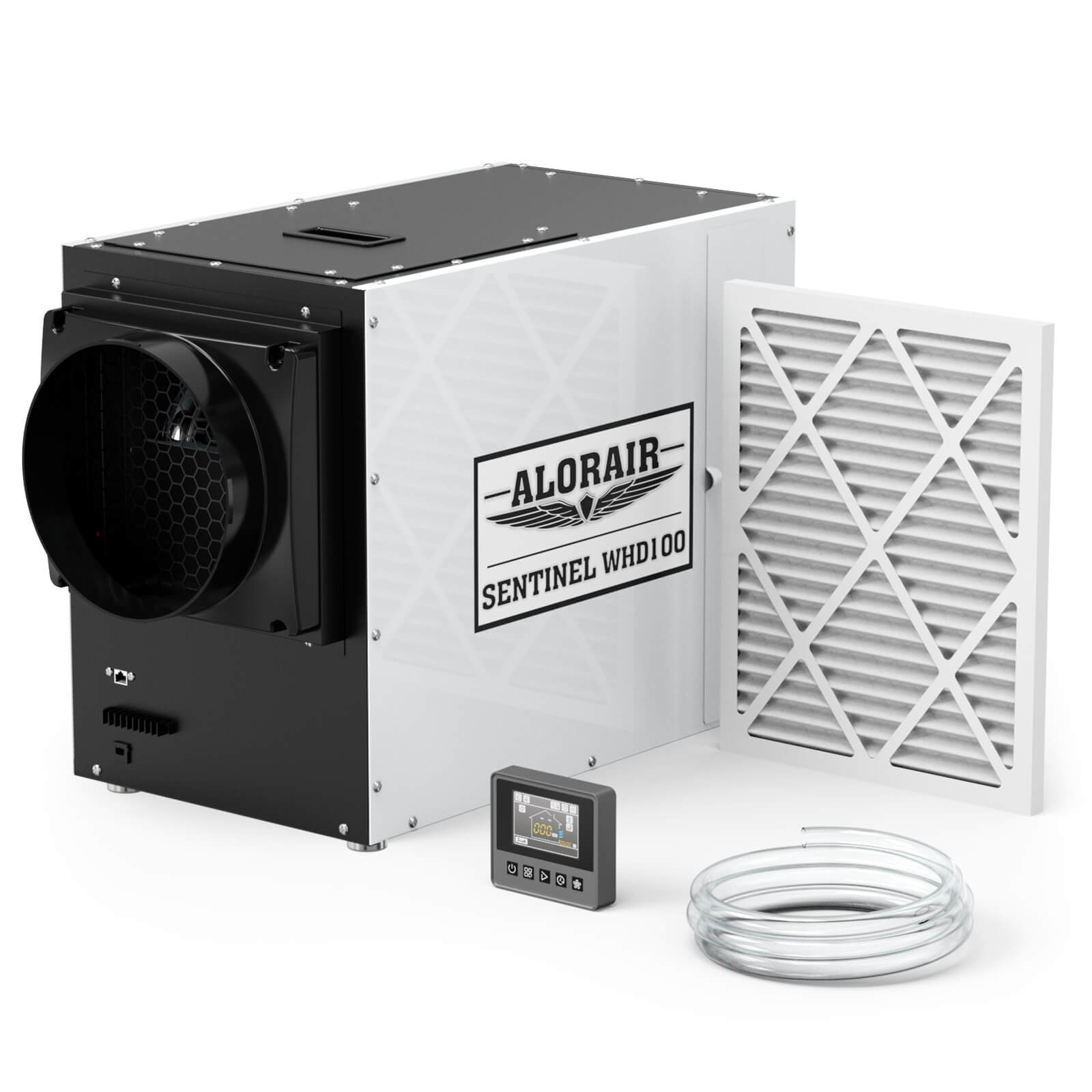
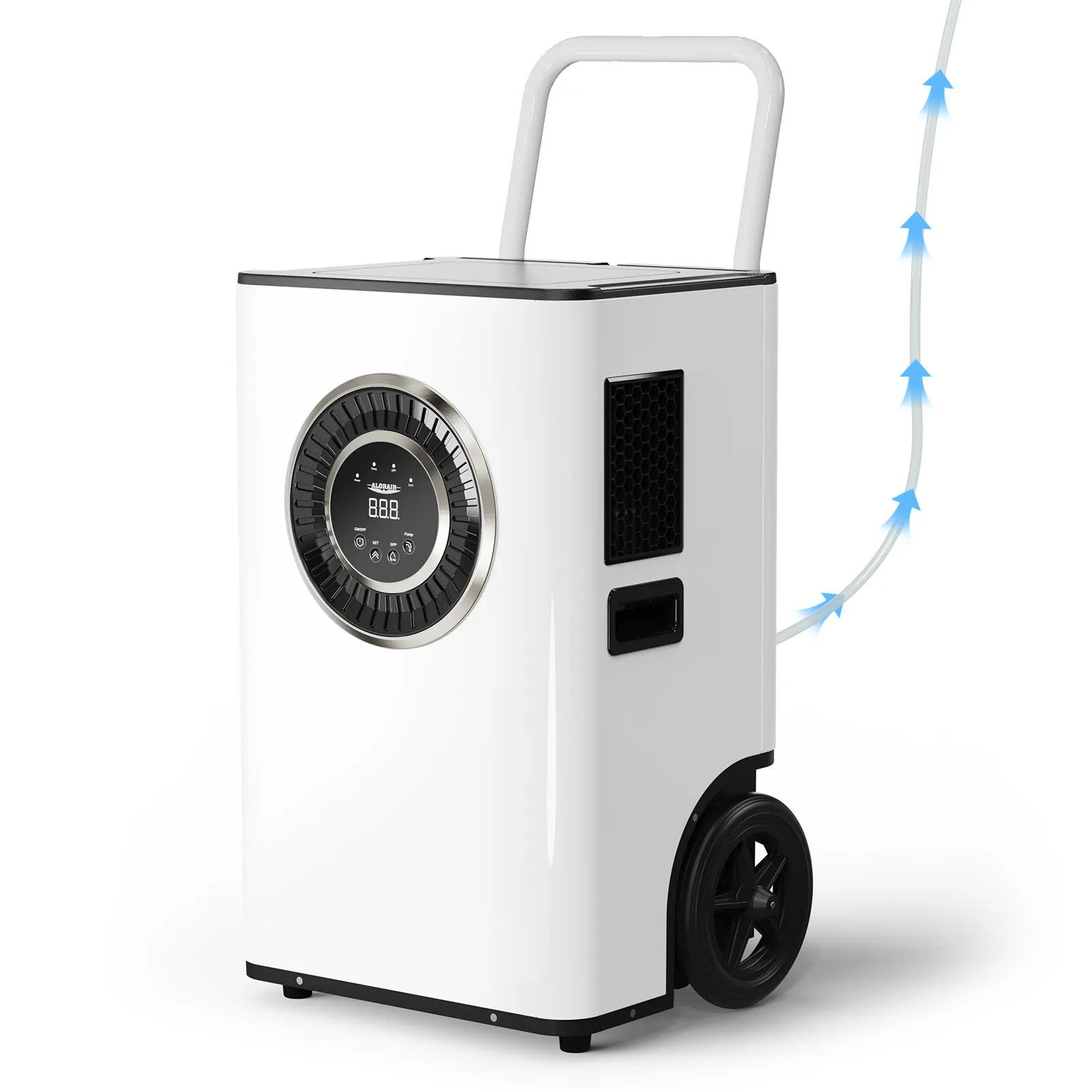
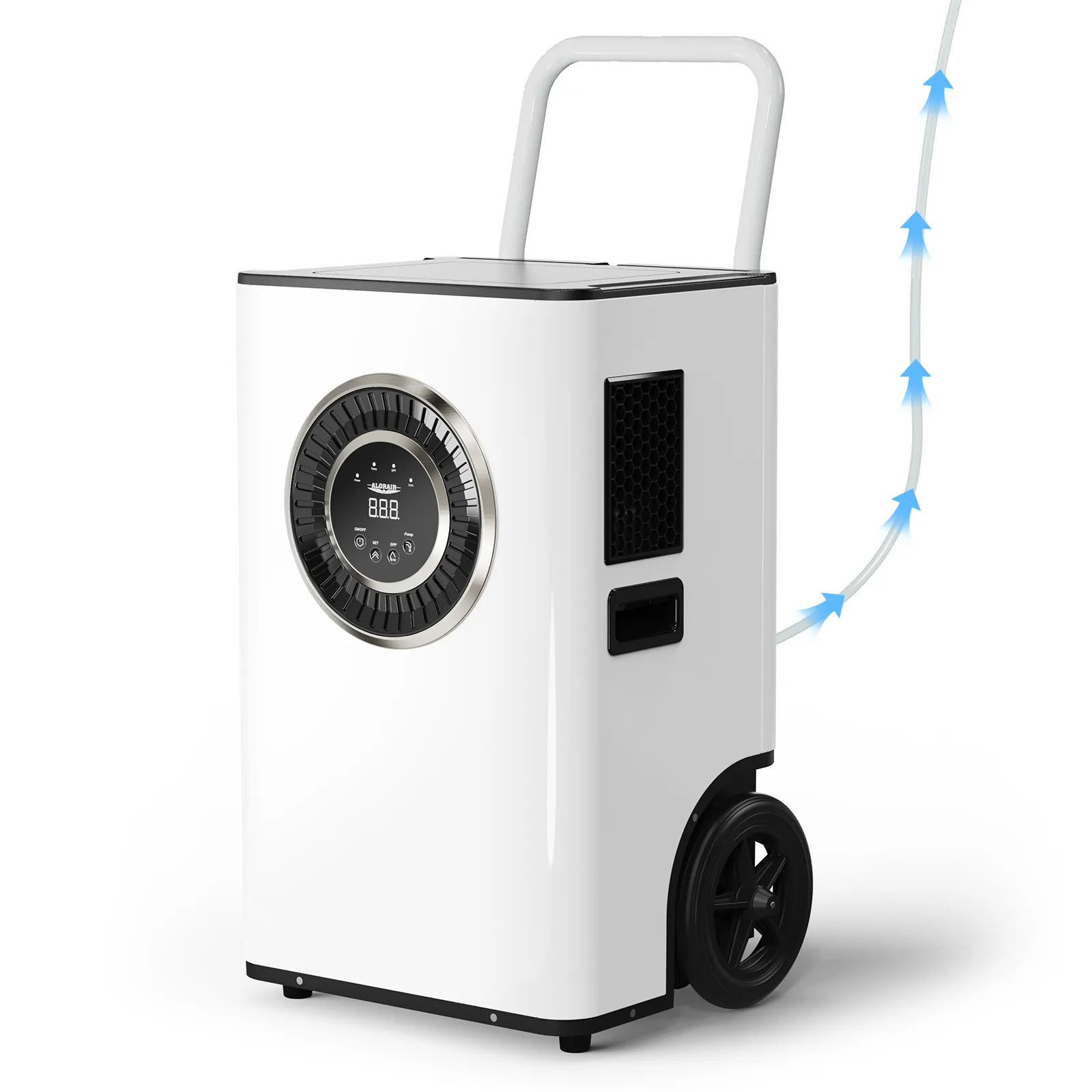
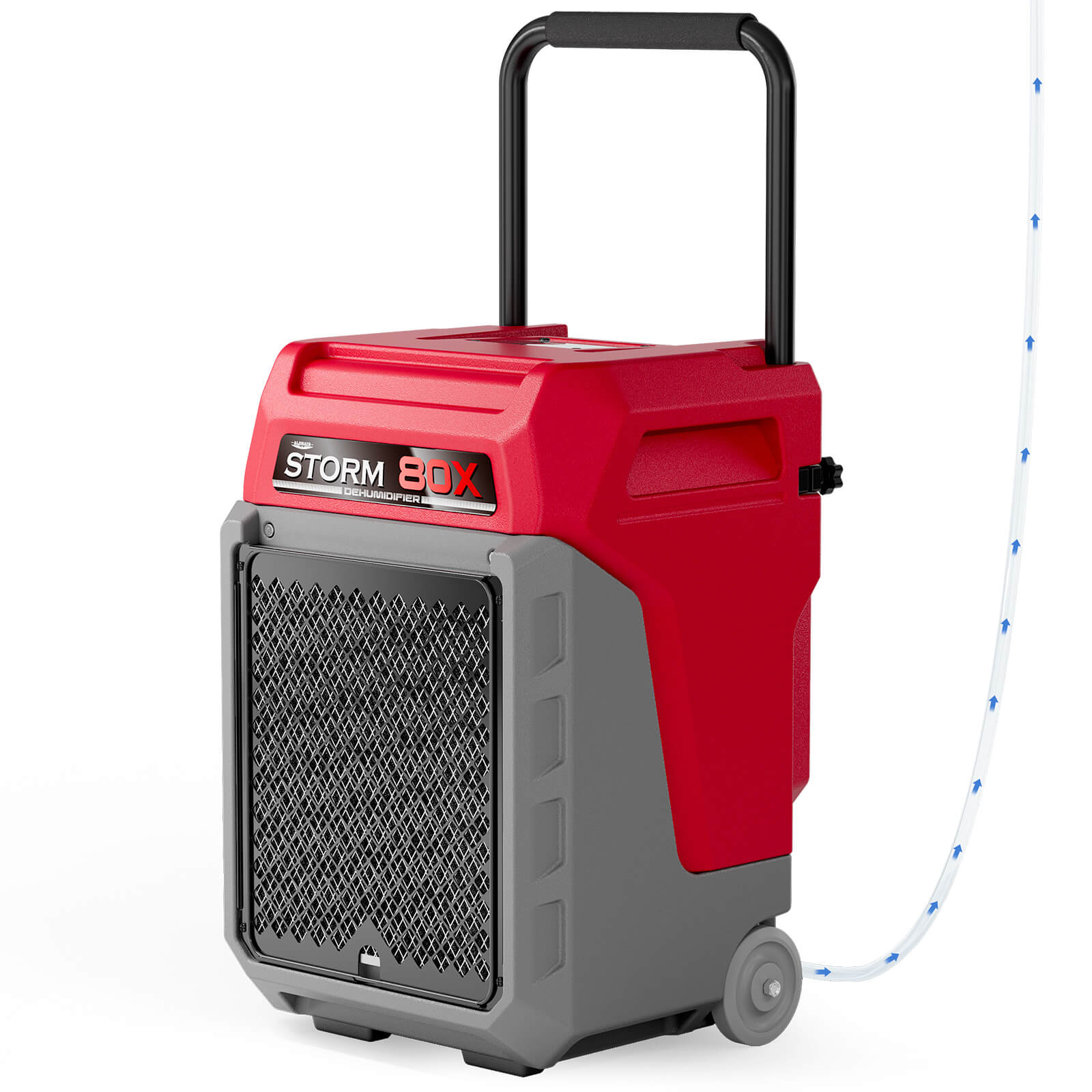
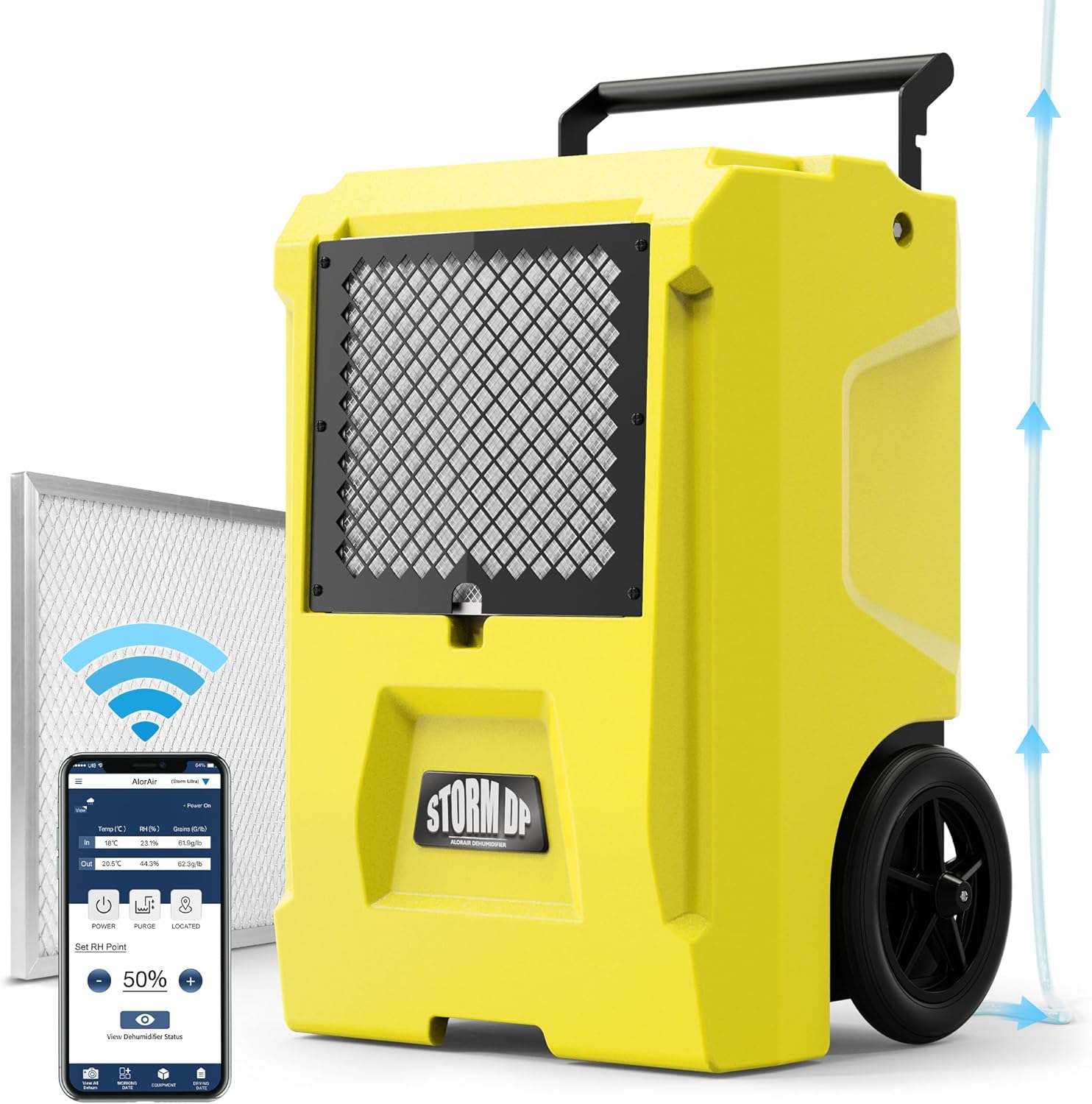
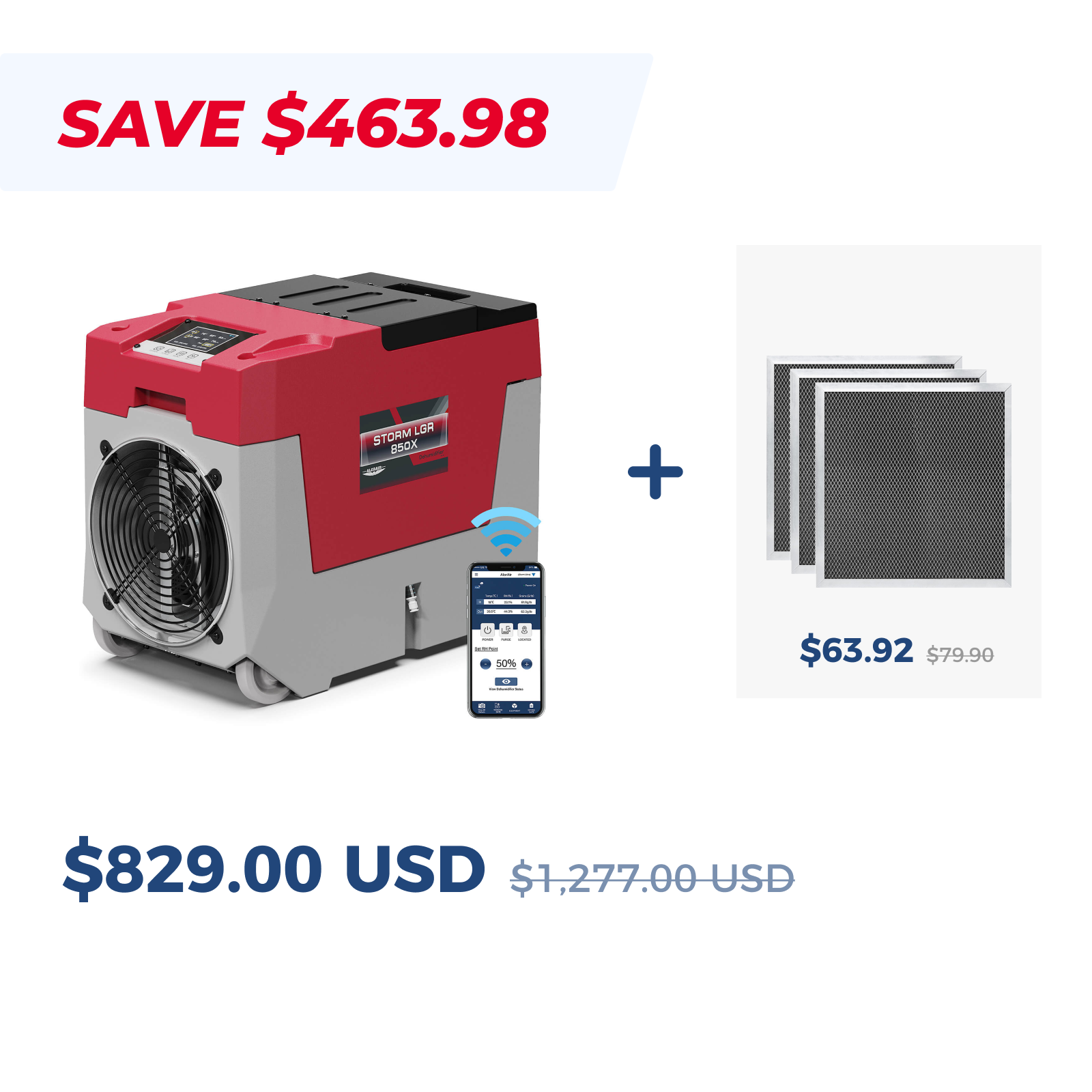
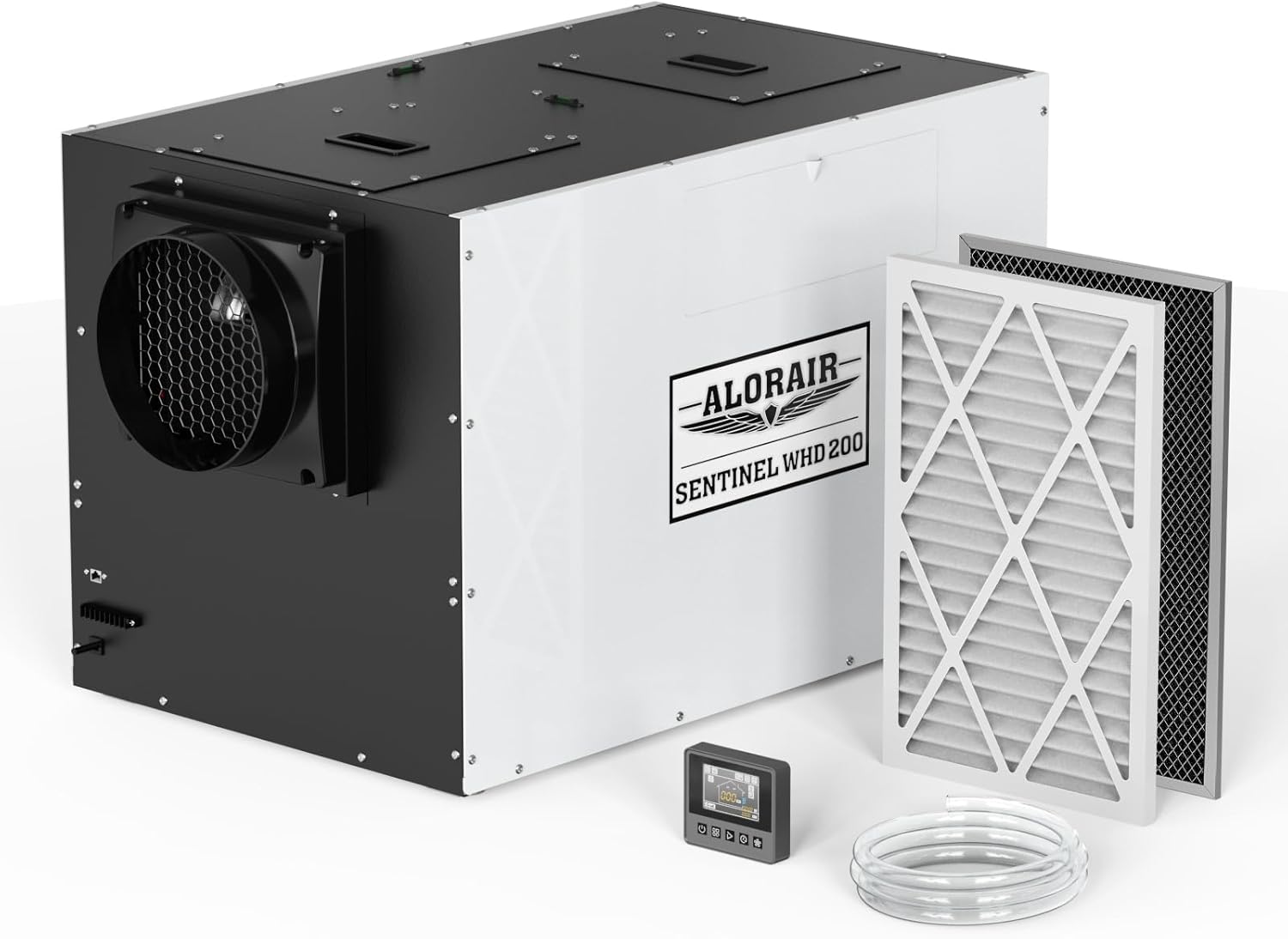
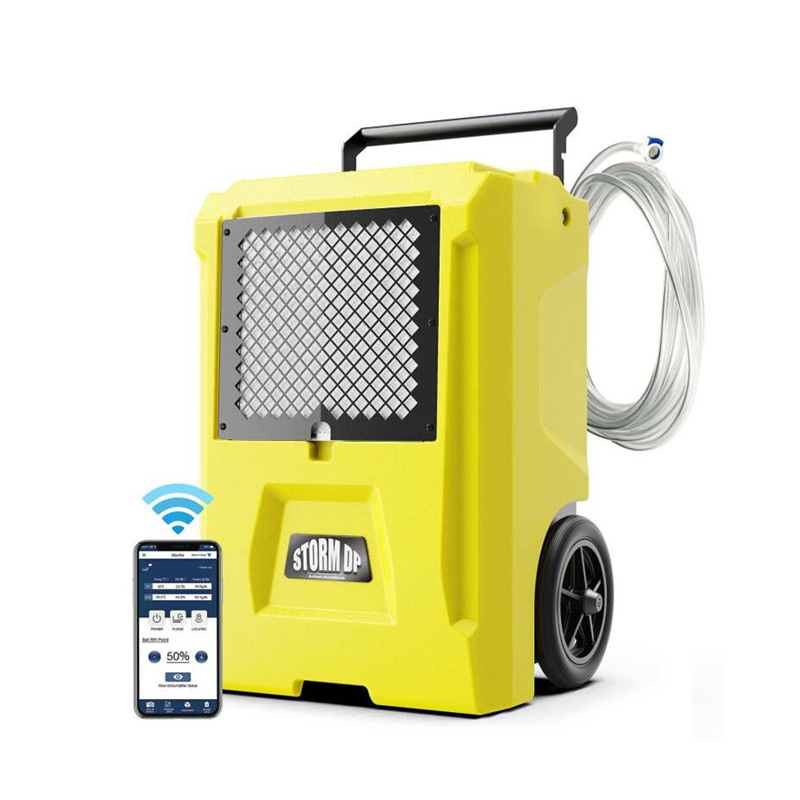
AlorAir basement dehumidifiers draw cold, heavy air across cold coils or desiccant materials. Moisture liquifies and drains away before it fixes on pipes or walls. These units are Energy Star, featuring a WiFi app control with pump and hose. They provide established quality and a 5-year limited warranty.
The U.S. Department of Energy verifies that mechanical dehumidification remains efficient when air exchange is restricted, a common phenomenon in winter months.
Basements require continuous moisture extraction as winter ventilation is inadequate. Unlocking windows does not resolve the issue.
Cold outside air mostly raises condensation when it encounters warmer indoor surfaces. Controlled dehumidification helps avoid this cycle by keeping balanced moisture levels.
Key Benefits of Running a Dehumidifier in Your Basement During Winter
Using a dehumidifier for basement during winter offers controlled humidity removal when airflow choices are limited. This safeguard building materials, enhances air quality, and balances indoor comfort all over the home.
Reduces Condensation on Walls, Floors, and Pipes
Heated indoor air keeps moisture. When it meets cold basement floors, walls, or exposed pipes, moisture forms. A basement dehumidifier usage reduces airborne dampness before it reaches surfaces.
Minimized condensation controls corrosion on pipes, stops water pooling on concrete. Also, it reduces the possibility of durable structural damage. According to the EPA, maintaining indoor relative humidity between 30%-50% lowers moisture-related wear and mold buildup.
Helps Prevent Mold and Mildew
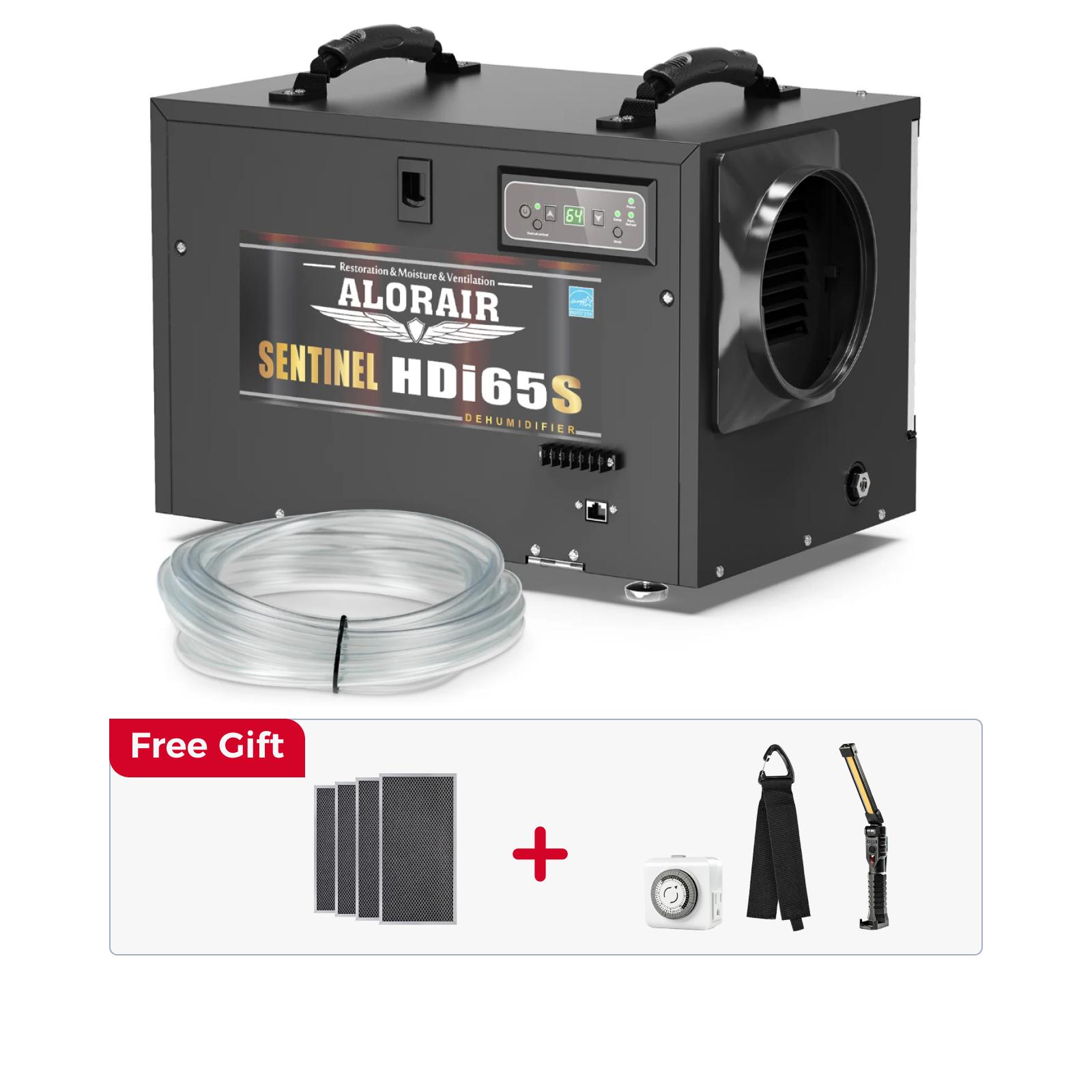
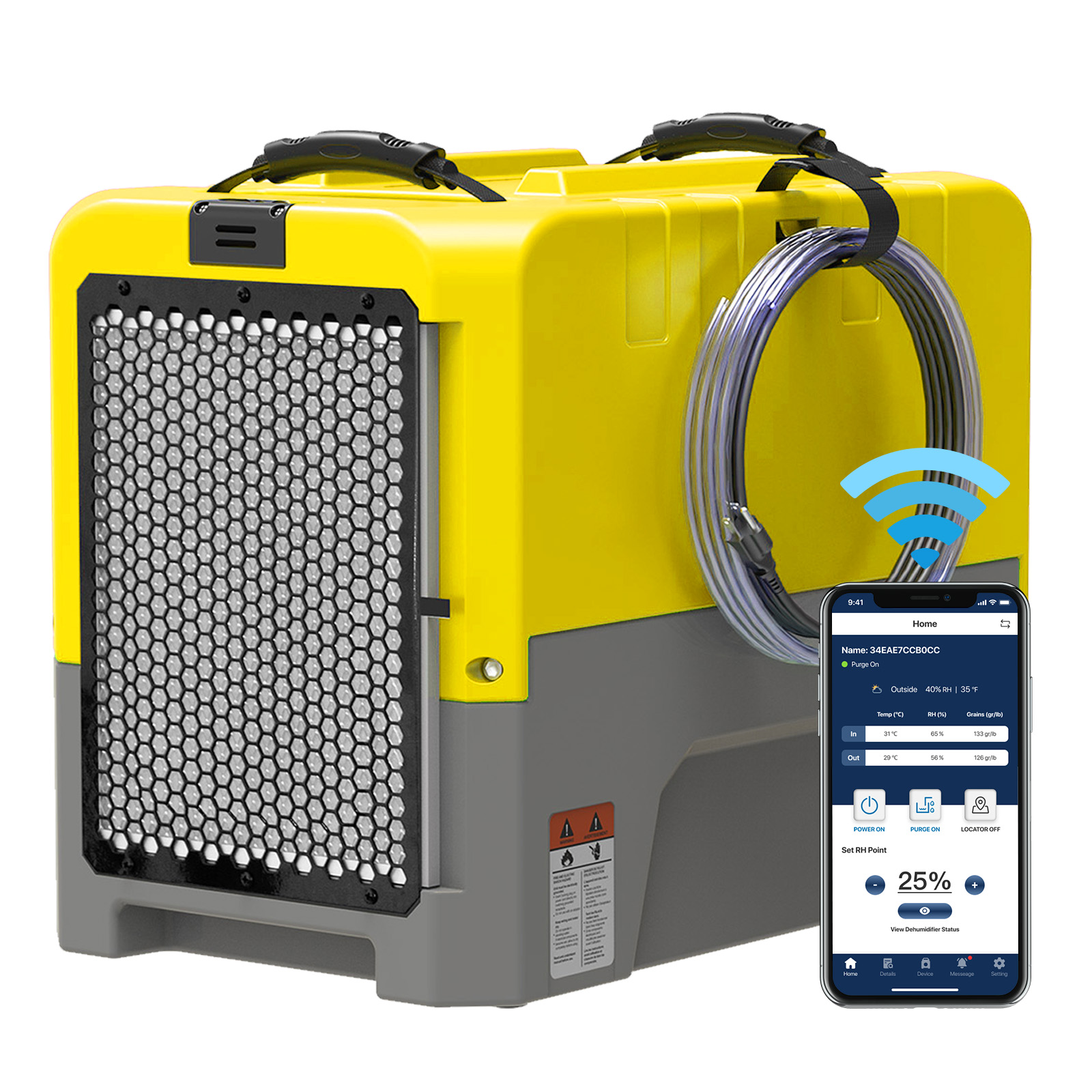
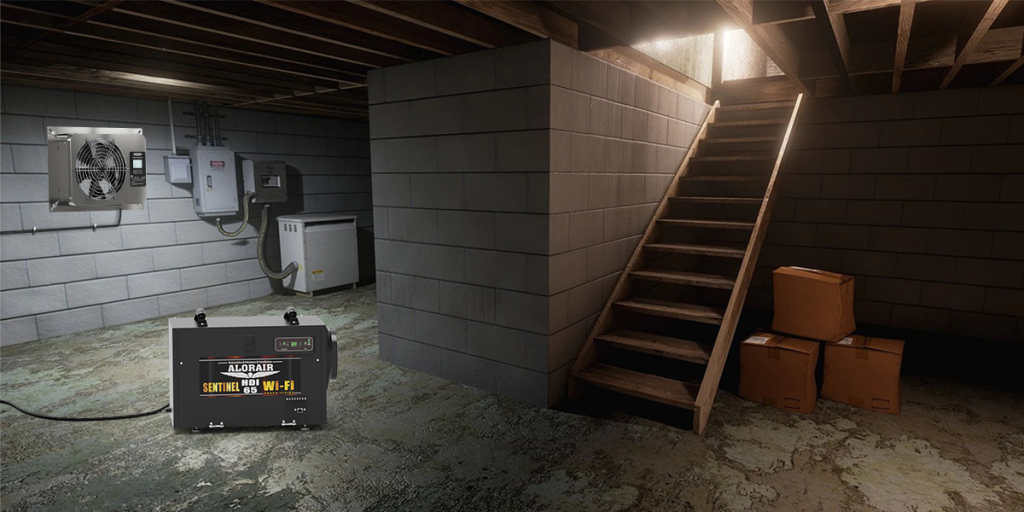
Mold does not stop forming in winter. It just requires humidity, organic material and steady conditions. Basements present all three. Operating AlorAir HDi65S dehumidifier for crawlspace maintains humidity under mold-friendly levels by removing moisture 55 pints/day AHAM.
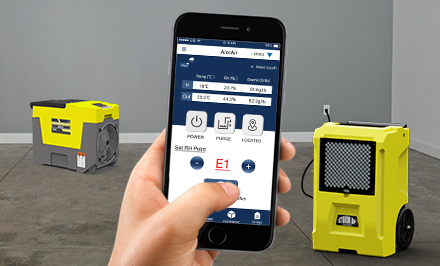
With its free WiFi app, you can track humidity, regulate settings, and monitor progress from anywhere. This cETL-certified dehumidifier features constant drainage with a built-in pump, automatic defrosting, and an adjustable foot pod. The unit is ideal for spaces up to 1300 sq. ft.
Protects Foundation Materials From Moisture Stress
Wood framing, concrete, and mortar eventually soak up moisture. Frequent dry-wet cycles destroy these materials and accelerate corrosion or cracking. Dehumidifiers keep stable humidity, lowering moisture absorption and drying stress. This safety is specifically crucial for unfinished basements and older foundations.
Improves Indoor Air Comfort Upstairs
Air normally moves up through a house because of pressure variations and the stack effect. When the basement air is humid, smells and moisture travel into living spaces. So, running a basement dehumidifier reduces dampness at the root.
This decreases odors, enhances breathing ease, and facilitates a cleaner indoor air on the upper floors.
Keeps Humidity Stable When Outdoor Air Can’t Help
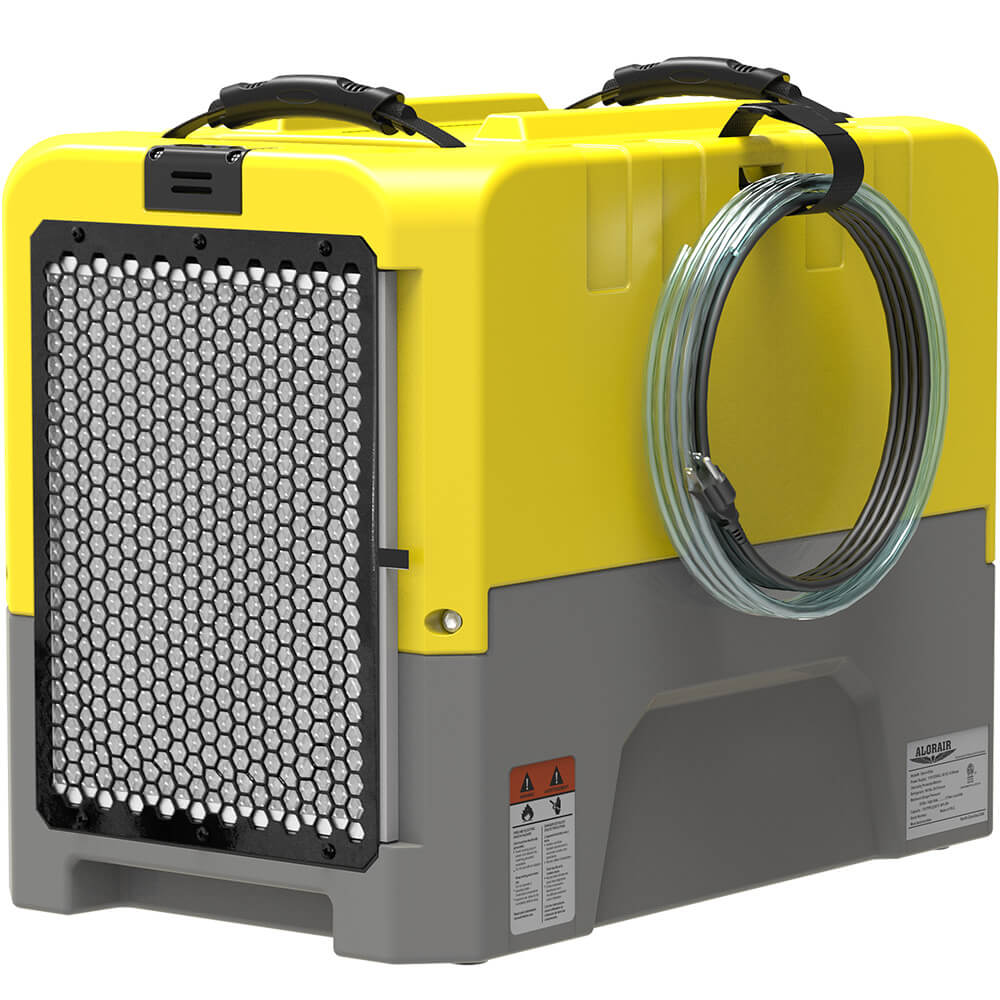
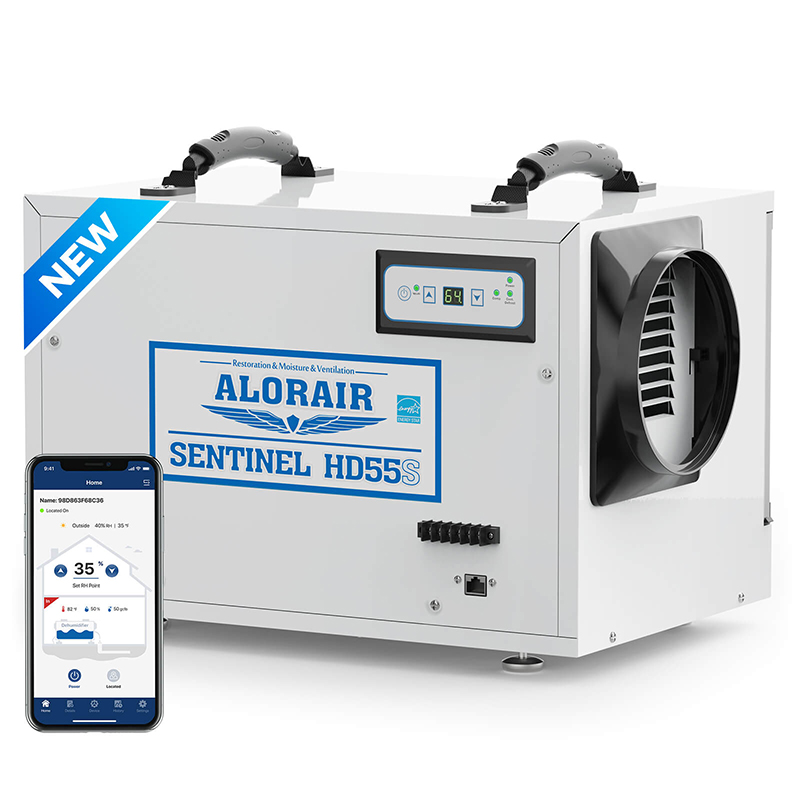
In winters, outside air oftentimes cannot be utilized for drying as it is cool, humid, or shut out. Therefore, mechanical humidity extraction becomes critical. A dehumidifier with pump, like Sentinel HD35P, with consistent auto drain by gravity, offers continuous control without depending on outdoor conditions.

This AlorAir dehumidifier can remove up to 120 pints at saturation and 55 pints per day at AHAM, using less energy than conventional models. The unit has a built-in humidity sensor, auto-shut off, and auto-defrosting setup that prevents frost development and related problems.
Additionally, this basement dehumidifier comes with an internal corrosion protection feature and is best for spaces up to 1500 sq. ft.
Choosing the Right Dehumidifier for Winter Basement Use
Picking the right unit decides how efficient winter humidity control will be.
- Dehumidifier capacity must be compatible with the basement size and moisture load. Bigger or partially underground basements need greater pint removal to keep balanced humidity.
- Cold-temperature activity is essential in winter. Basement air often declines under 65°F. Dehumidifiers built especially for basements contain auto-defrost setups that stop coil freezing. Additionally, they maintain performance.
- Drainage also makes a difference during winter. Manual drainage becomes difficult and uncertain. A dehumidifier with pump assists constant emptying, even when the unit stands under a drain line.
Other Winter Moisture Control Steps That Support Your Dehumidifier
A dehumidifier performs better along with basic dampness preventative measures.
Closing up foundation cracks and rim joists minimizes moisture penetration from the ground and outdoor air. The United States Department of Housing and Urban Development advises air sealing to restrict winter condensation and energy waste.
Insulation of cold surfaces like ducts, pipes, and foundation walls lowers moisture buildup. Pipe insulation is specifically helpful in stopping dripping during temperature fluctuations.
Moreover, controlling snow melt is also necessary. Snow stacked against foundation walls melts and boosts soil humidity. Leading meltwater away from the house lowers vapor transfer into basements.
Bottom Line
Winter does not stop basement humidity issues. Condensation, cold air, and inadequate ventilation mostly make them worse. Incorporating a correctly sized dehumidifier during winter protects stored items, foundations, and indoor air quality.
FAQs
How to reduce humidity in winter?
Install a dehumidifier to keep indoor humidity between 30%-50%. Use constant drainage so the device can operate continuously and enhance airflow with ventilation fans or ceiling fans.
Do you need a dehumidifier in the winter
Absolutely, in several houses you do. Cool air has less humidity; however, crawlspaces and basements mostly remain humid year-round. Without a dehumidifier, winter dampness can still cause condensation, muggy smells, and mold development, particularly below ground.
When to run a dehumidifier in the basement?
Use it consistently when the humidity remains over 50%. Switch it on after heavy rain or snow melt. Run it during winter if the basement seems humid or cold.
