




-(1).png)
.jpg)
.jpg)
.jpg)
.HDi90.png)
.HD90.png)
.jpg)
.jpg)
.jpg)
.jpg)
.jpg)
.jpg)
.jpg)
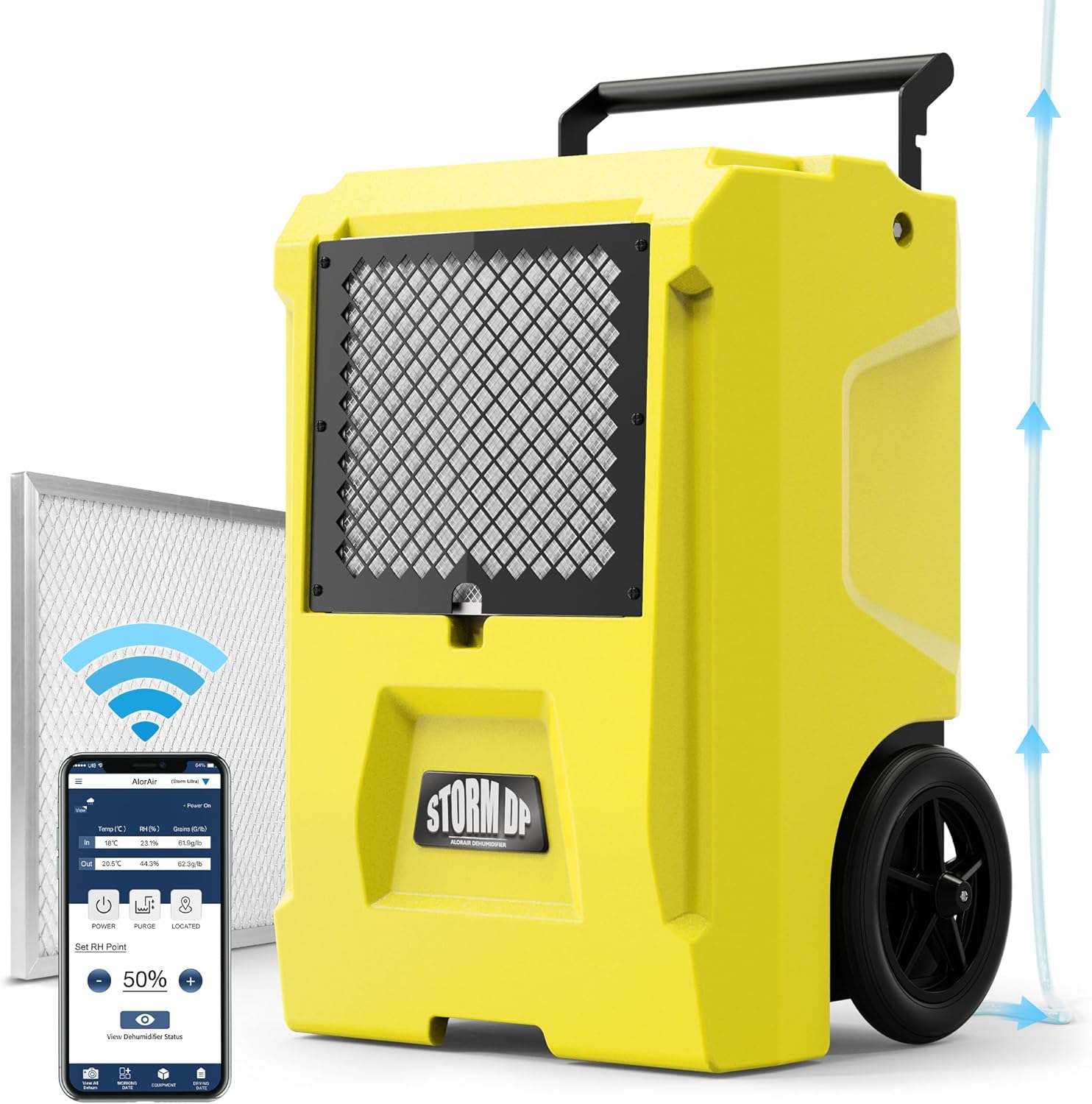
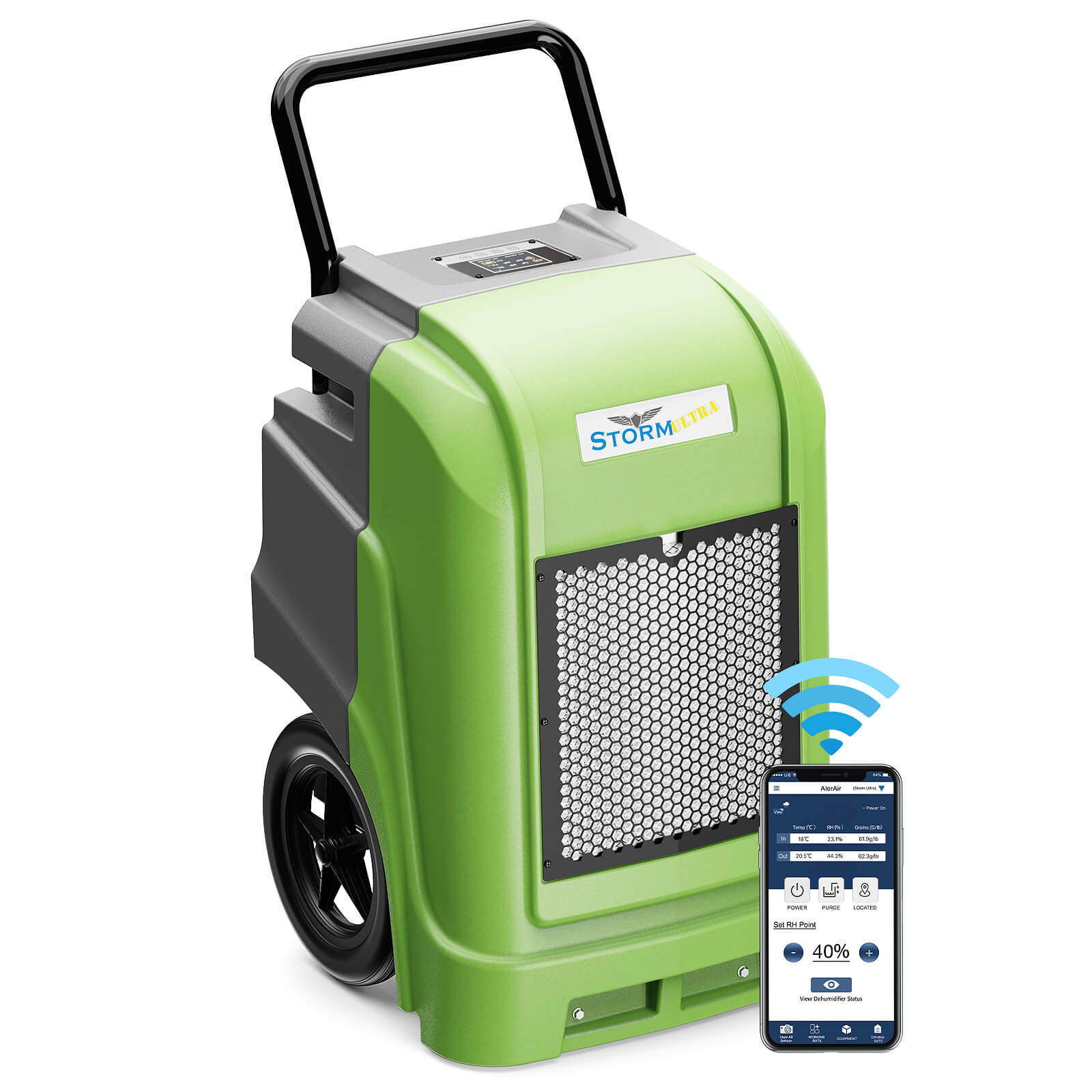
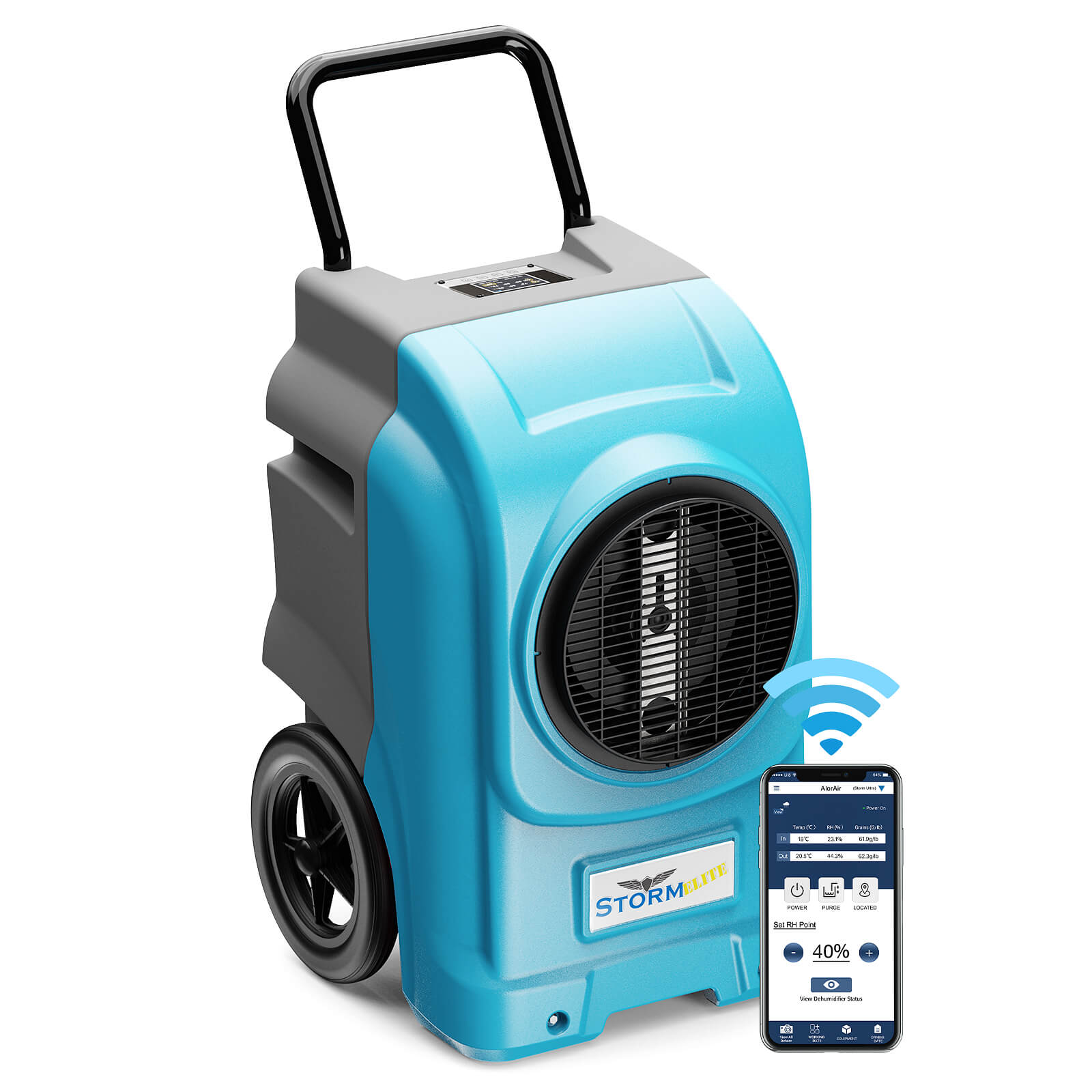
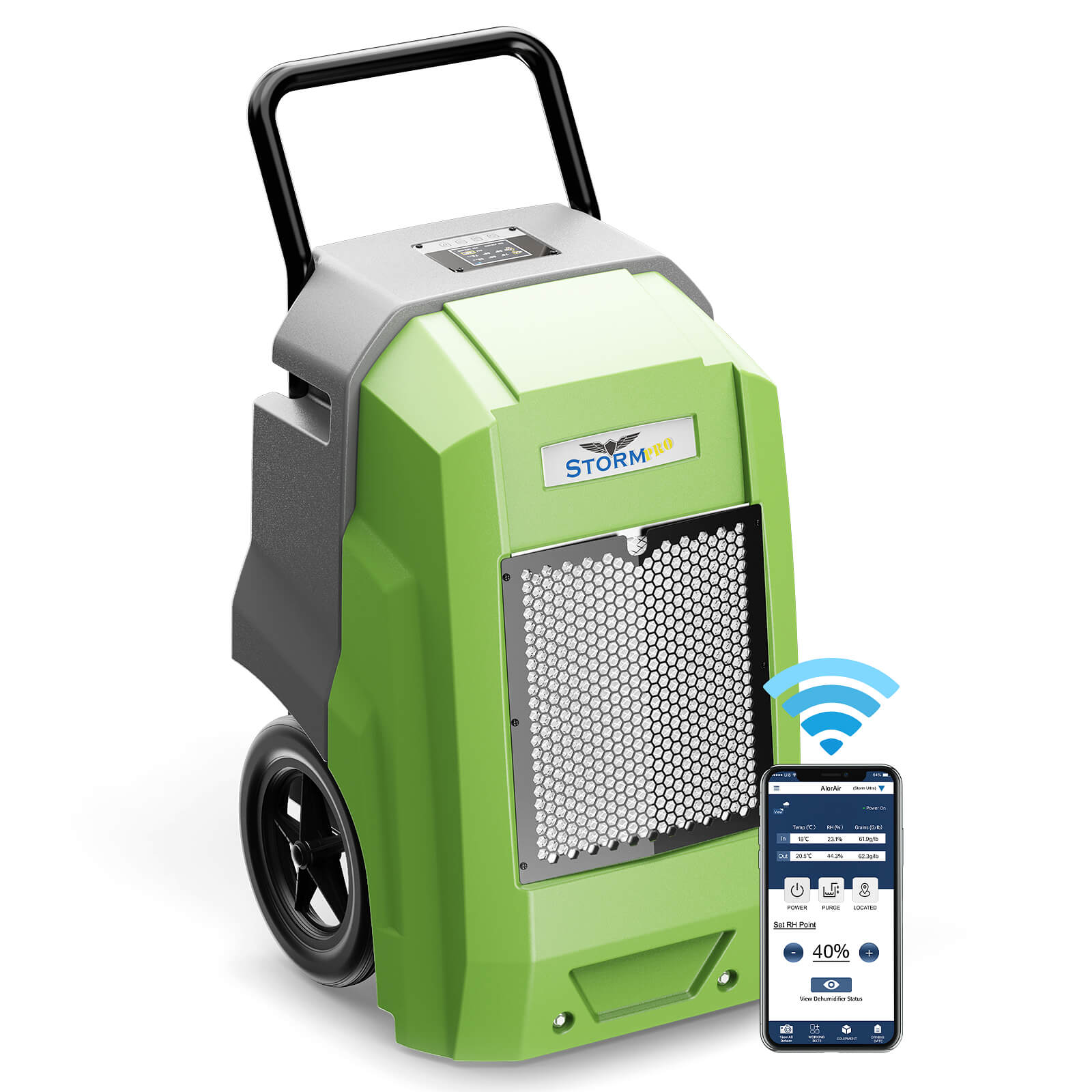
.jpg)
.jpg)
.jpg)
.jpg)
.jpg)
.jpg)
.webp)
.webp)
.webp)
.webp)
.jpg)
.jpg)
.jpg)
.jpg)
.jpg)
.jpg)
.jpg)
.jpg)
.jpg)
.jpg)
.jpg)
.jpg)
.jpg)
.jpg)
.jpg)
.jpg)
.jpg)
.jpg)
.jpg)
.jpg)
.jpg)
.jpg)
.jpg)
.jpg)
.jpg)




-.jpg)
.jpg)
.jpg)
.jpg)



















 Exclusive offers
promotions
Exclusive offers
promotions

Commercial spaces often face persistent moisture issues. There is no permanent end to the problems with moisture, due to the size of the spaces, the activity they contain, and the contact with the air outside. Warehouses, basements, offices, and job sites tend to trap humidity from weather changes, cleaning processes, and poor ventilation. Choosing the wrong unit can result in mold growth, damage to equipment, and increased energy costs as systems struggle to keep up.
According to the Occupational Safety and Health Administration (OSHA), the presence of excess moisture and damp conditions in workplaces is a significant risk factor for mold growth, which can result in issues with building materials, equipment, and worker comfort.
Common Mistakes to Avoid When Buying A Commercial Dehumidifier
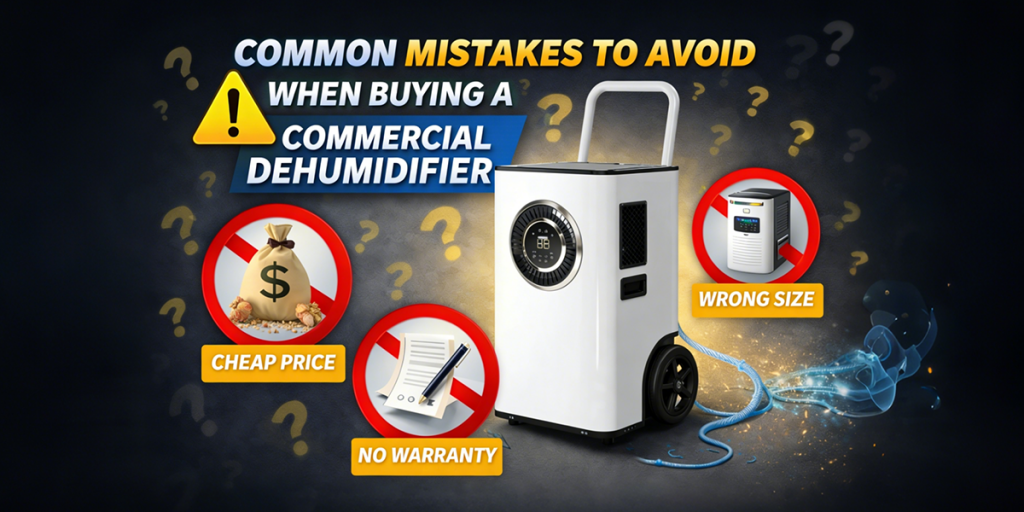
A commercial dehumidifier is intended to handle the removal of large quantities of moisture in demanding environments. In this article, you’ll discover six common mistakes businesses make when purchasing one, and how you can avoid making them, so that you can better protect your space, equipment, and operating budget.
Mistake 1 – Investing in the Wrong Capacity
Commercial spaces require more moisture removal due to their size, activity, and constant air movement. Too small a capacity, on the other hand, causes the unit to operate without interruption and still leaves the space damp. This causes mold risk, uncomfortable conditions, and increased wear on the equipment. Undersized units are one of the more common problems with commercial dehumidifiers. On the other hand, using a unit that is too large can also create problems.
Oversizing can lead to inefficient operation or unnecessary energy use, not always short-cycling. This wastes energy and decreases efficiency. The right approach is to match capacity to room size, as well as ceiling height and current humidity levels. Proper sizing aids a commercial dehumidifier in working steadily, controlling moisture properly, and preventing energy usage needlessly.
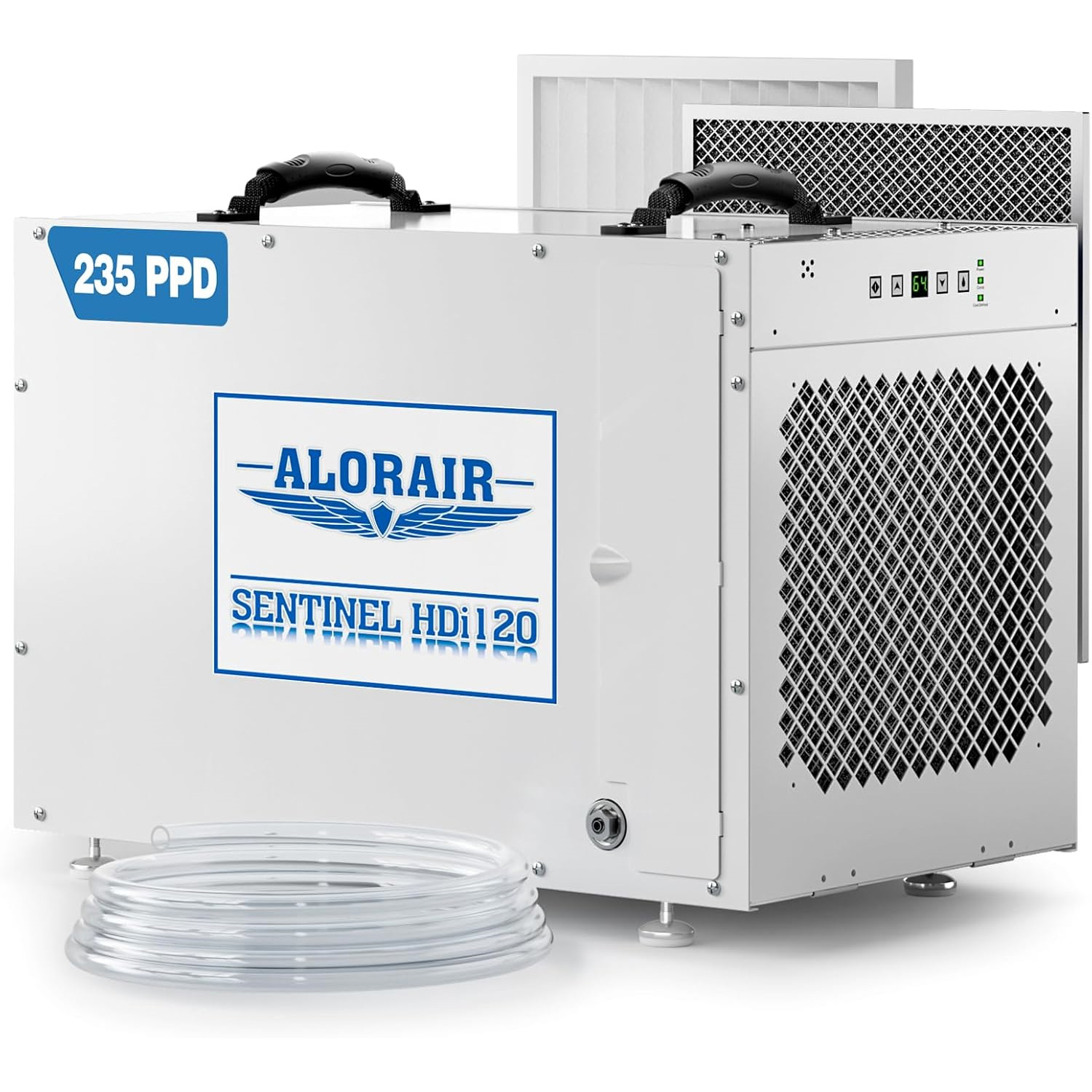
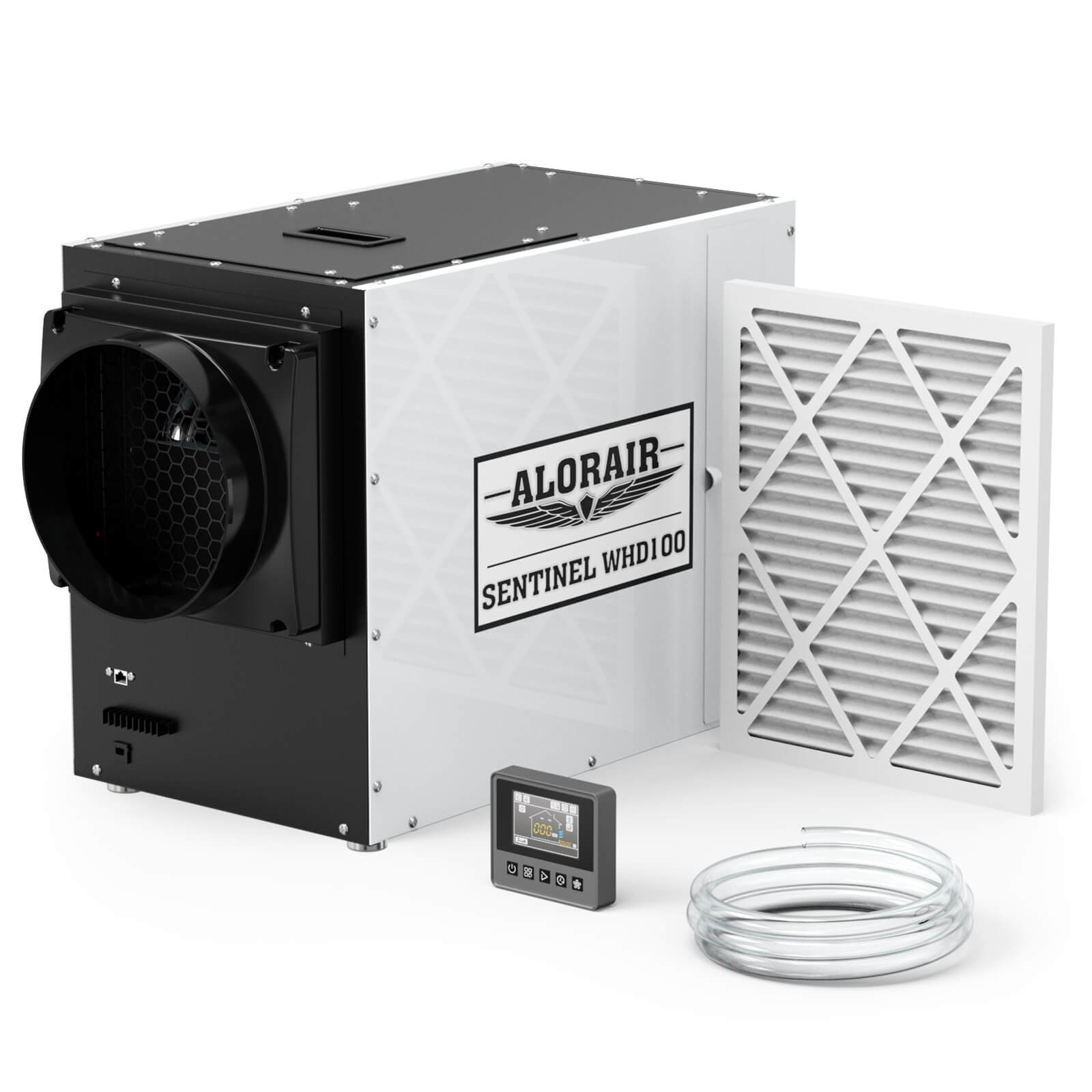
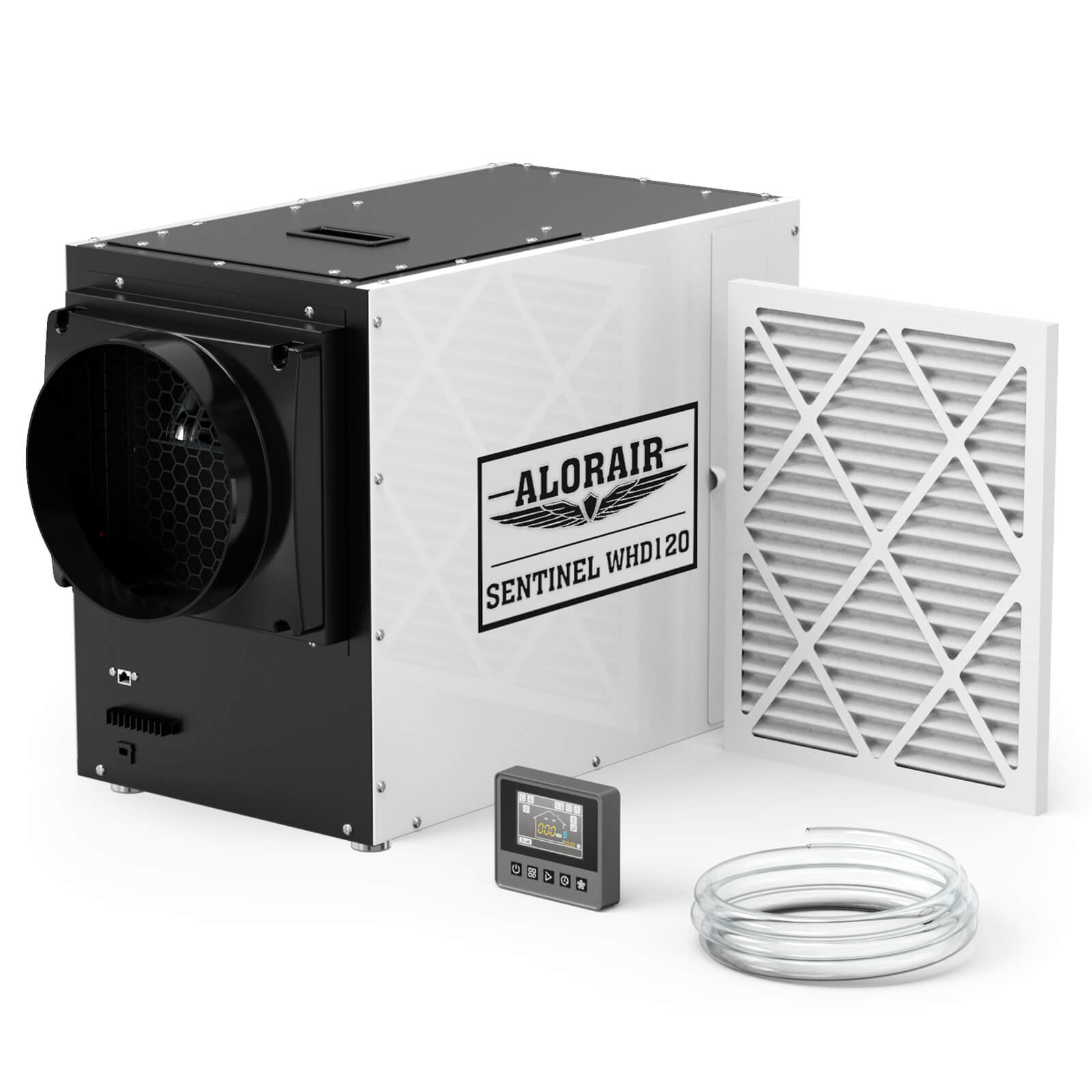
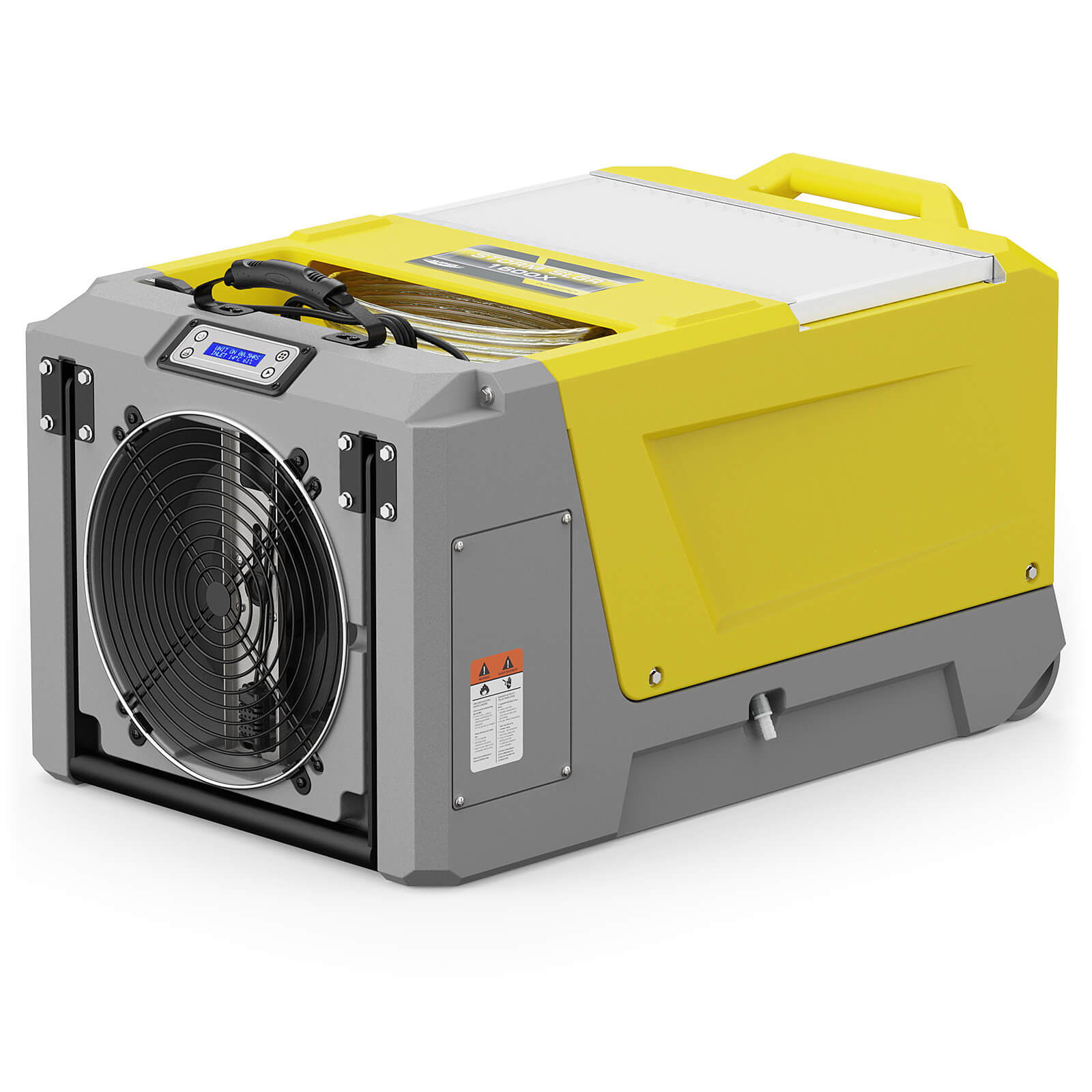
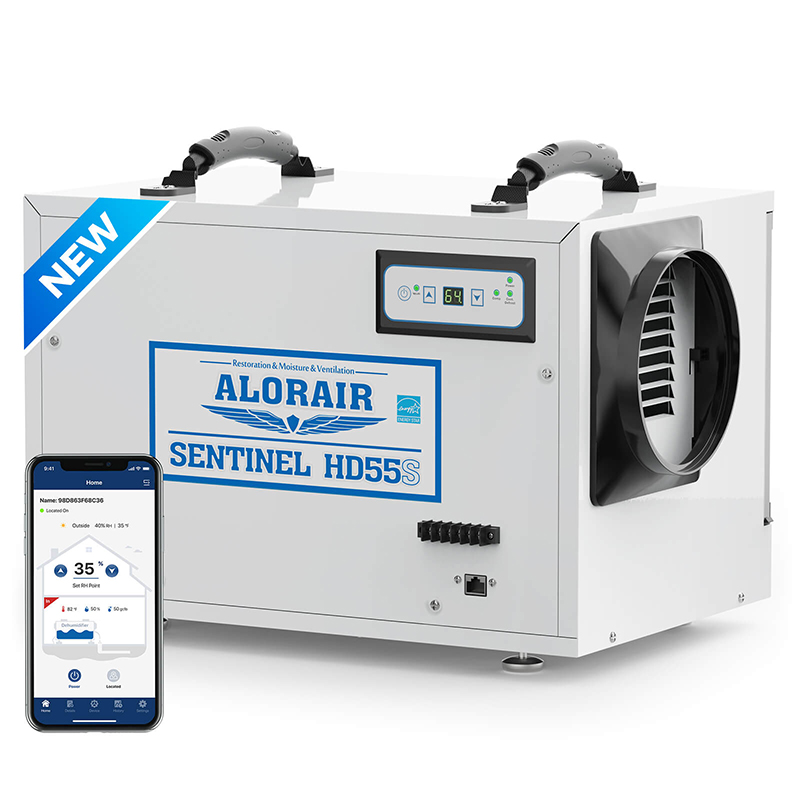
For medium commercial areas up to approximately 1,500 sq. ft., commercial dehumidifiers such as the Sentinel WHD 100 and Sentinel WHD 120 are very effective for continuous, comprehensive moisture removal. These are whole-home commercial dehumidifiers that do not over-cycle at the moderate humidity loads.
Mistake 2 – Not Considering the Drainage Options
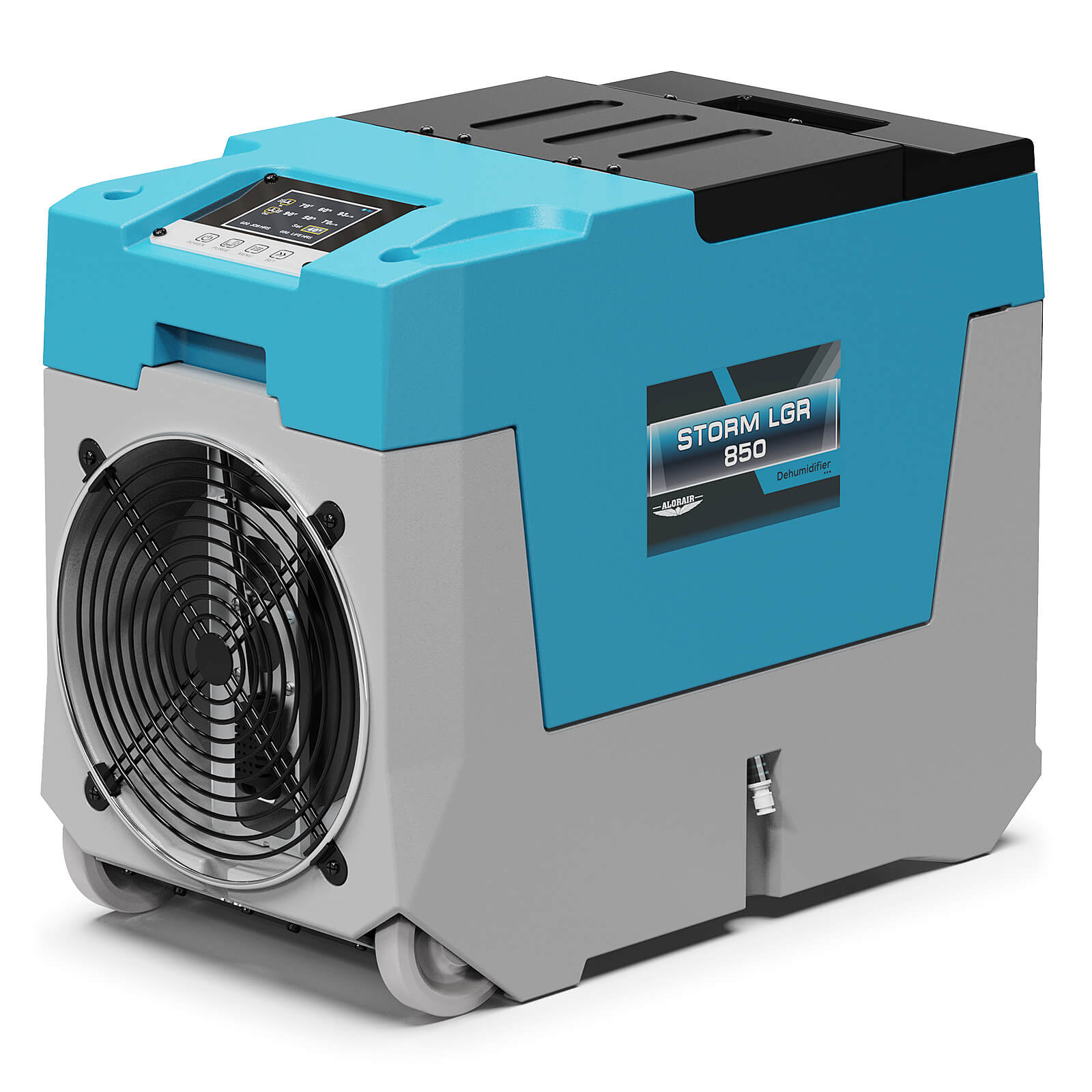
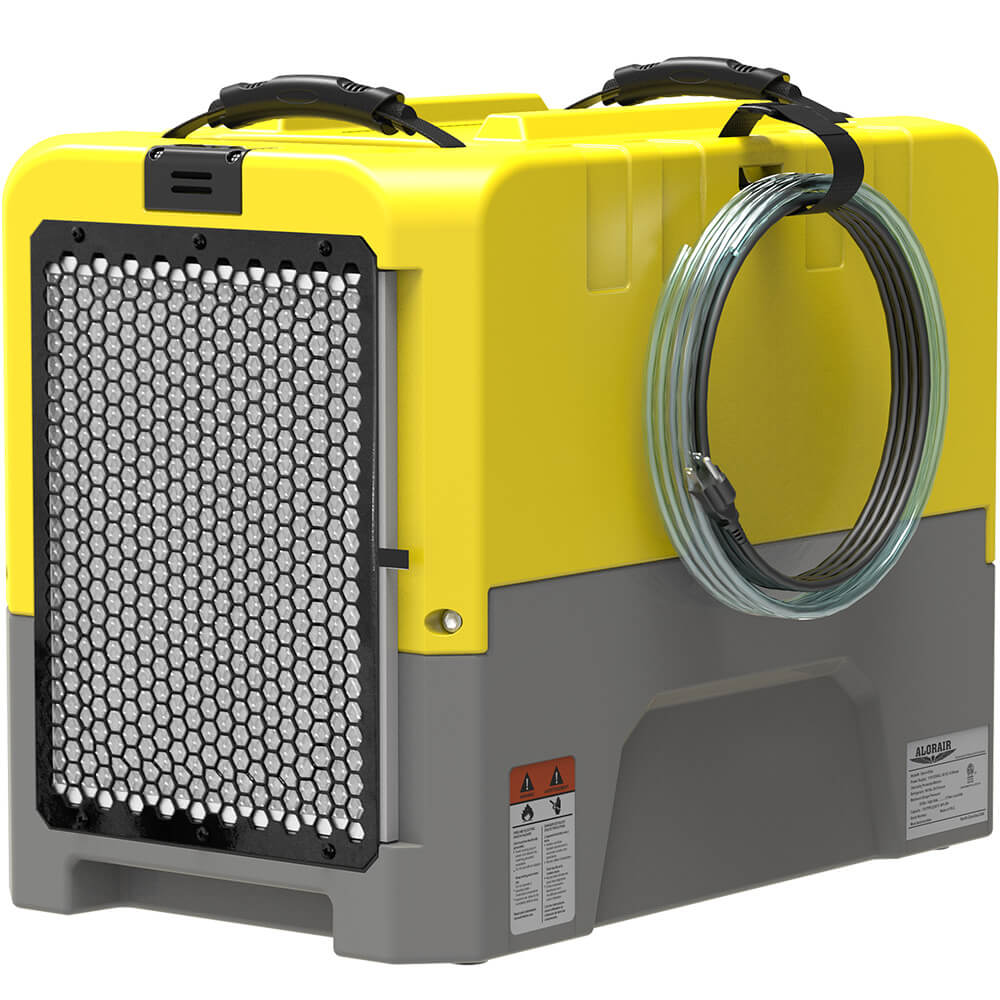
Dehumidifier With Drain Tube (hose)
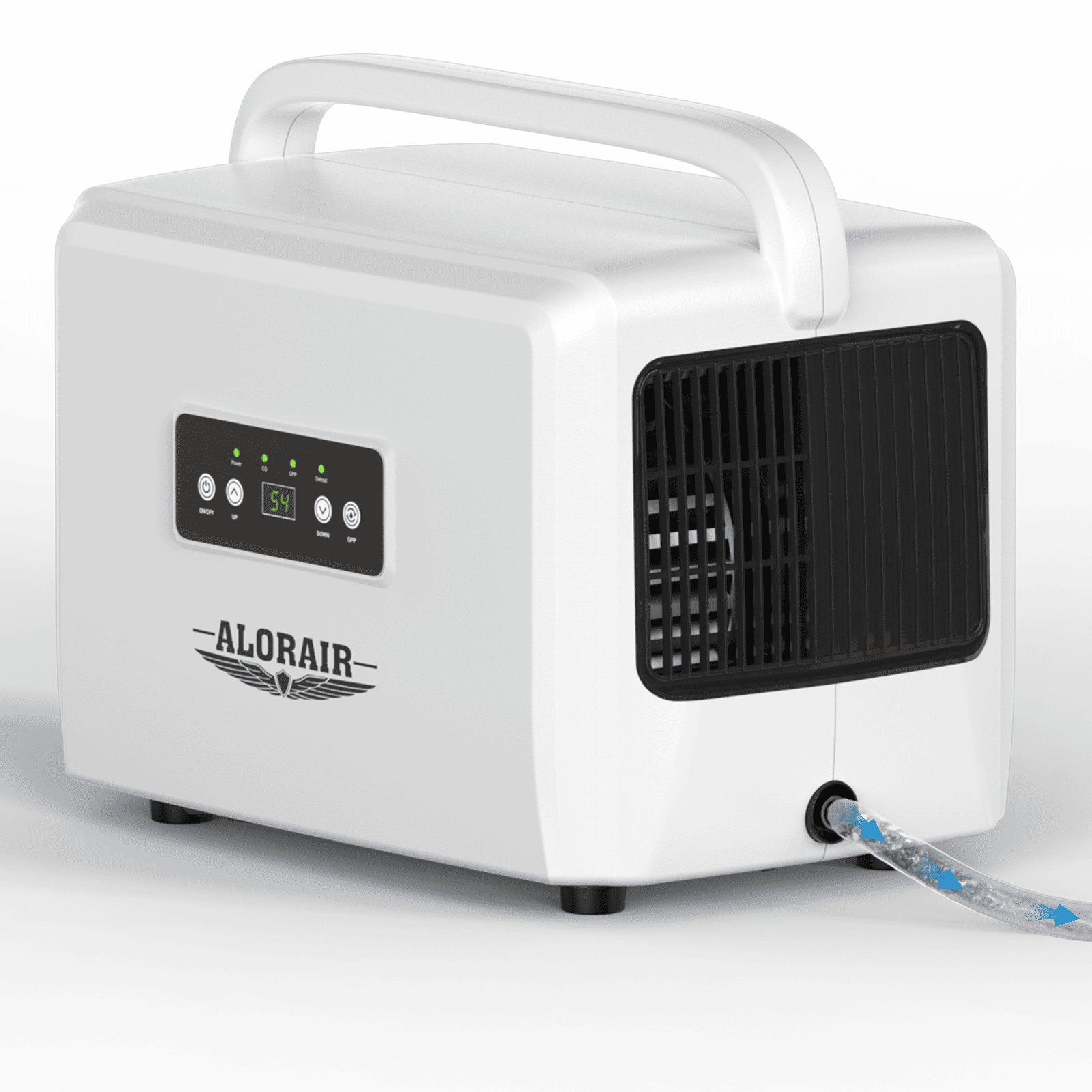
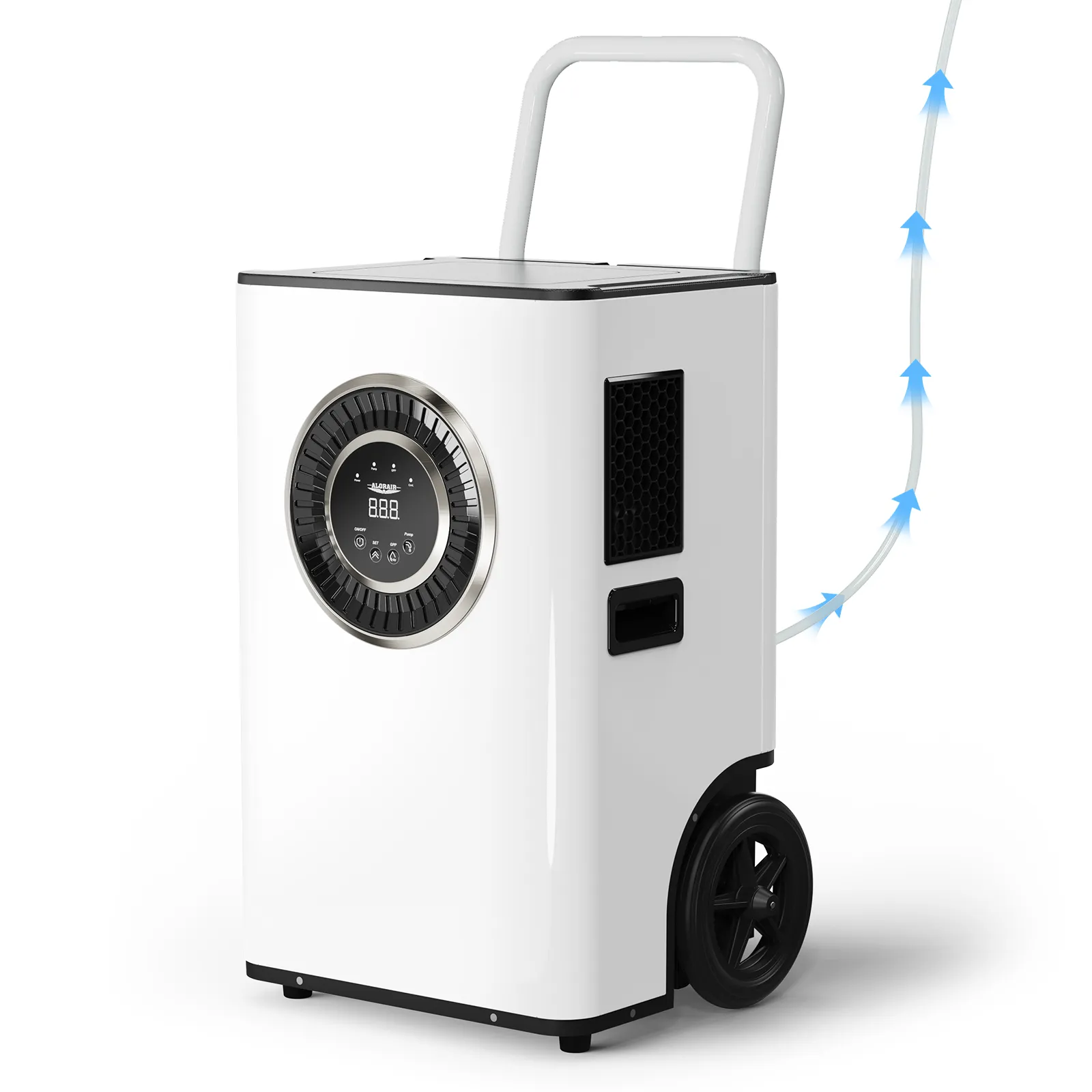
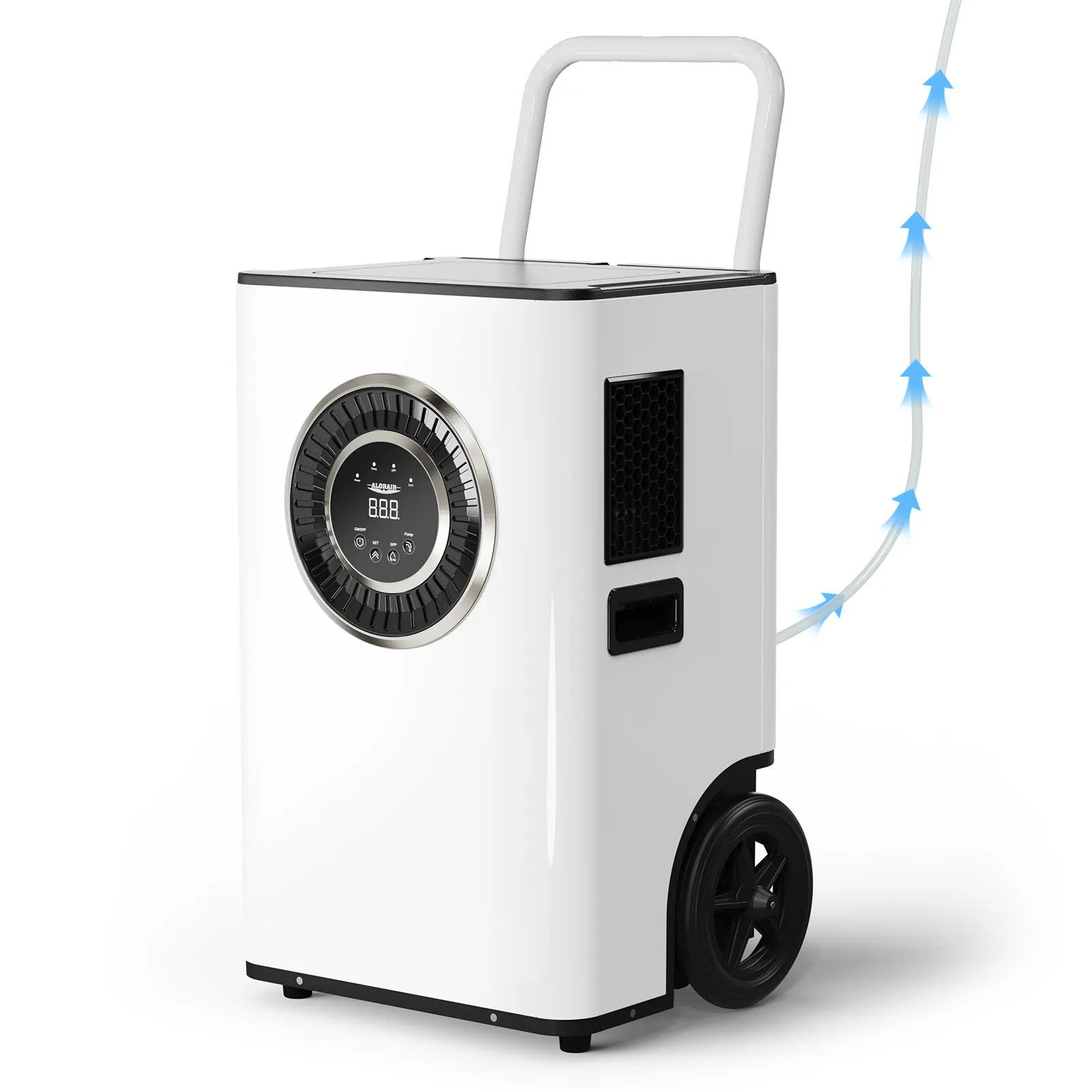
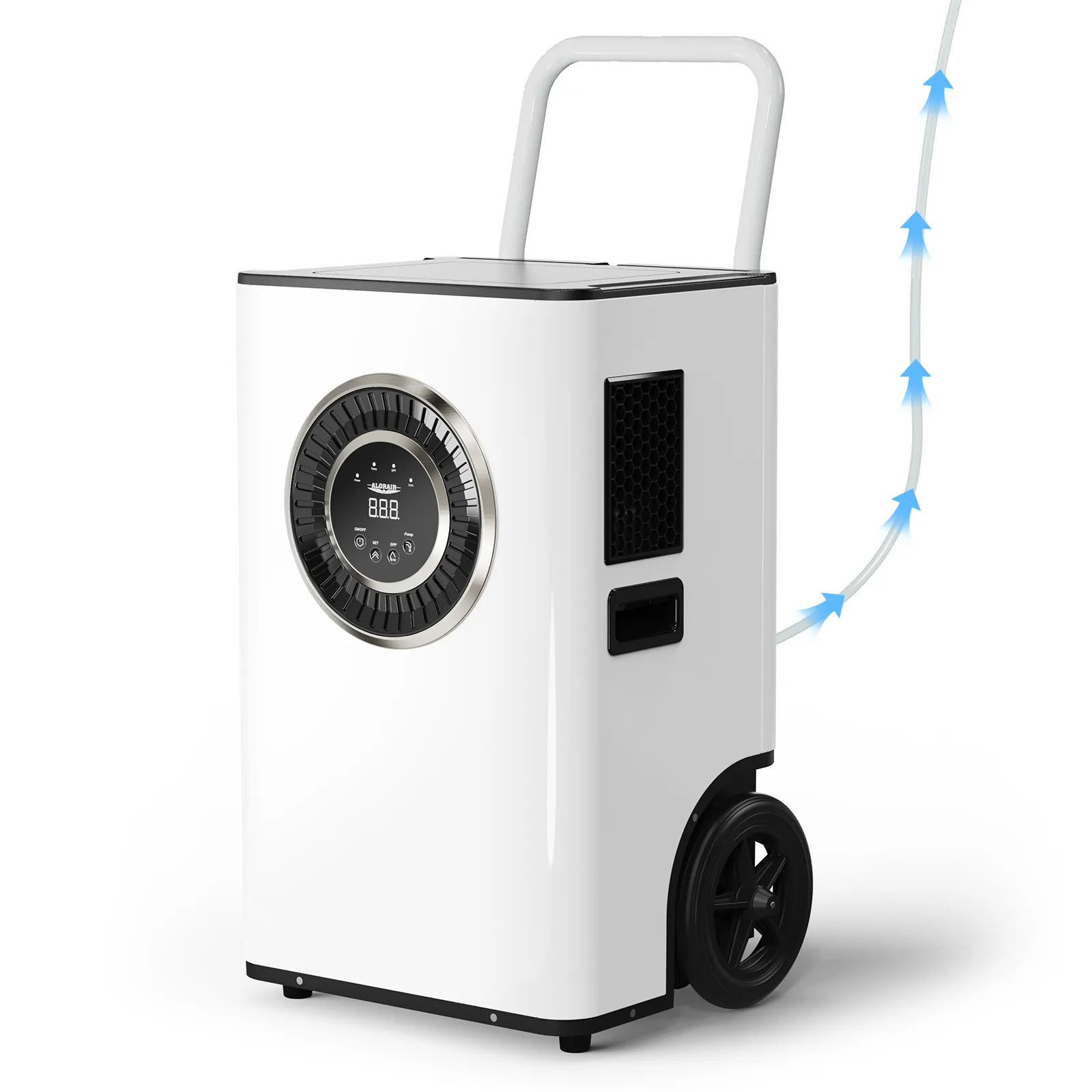
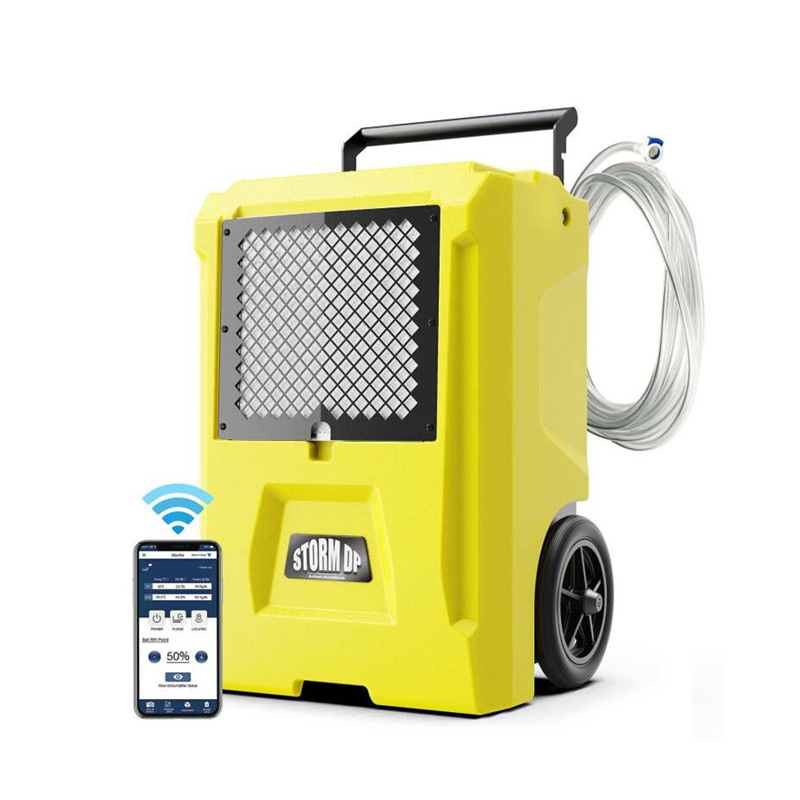
A dehumidifier with a drain hose is a type in which water can drain out by gravity from a floor drain or sump. This type of setup means less manual emptying is needed, and it is useful in busy commercial spaces where continuous operation is important.
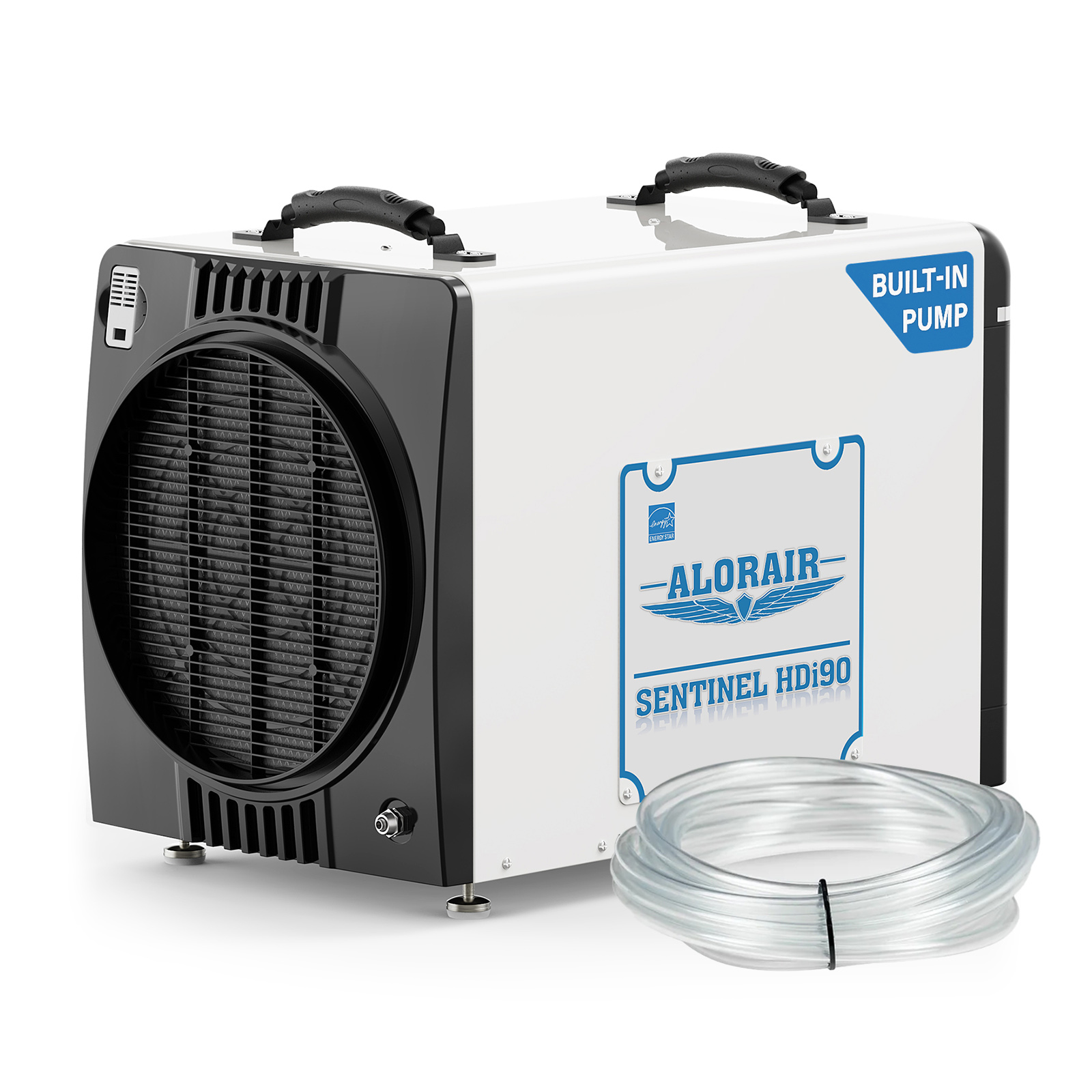
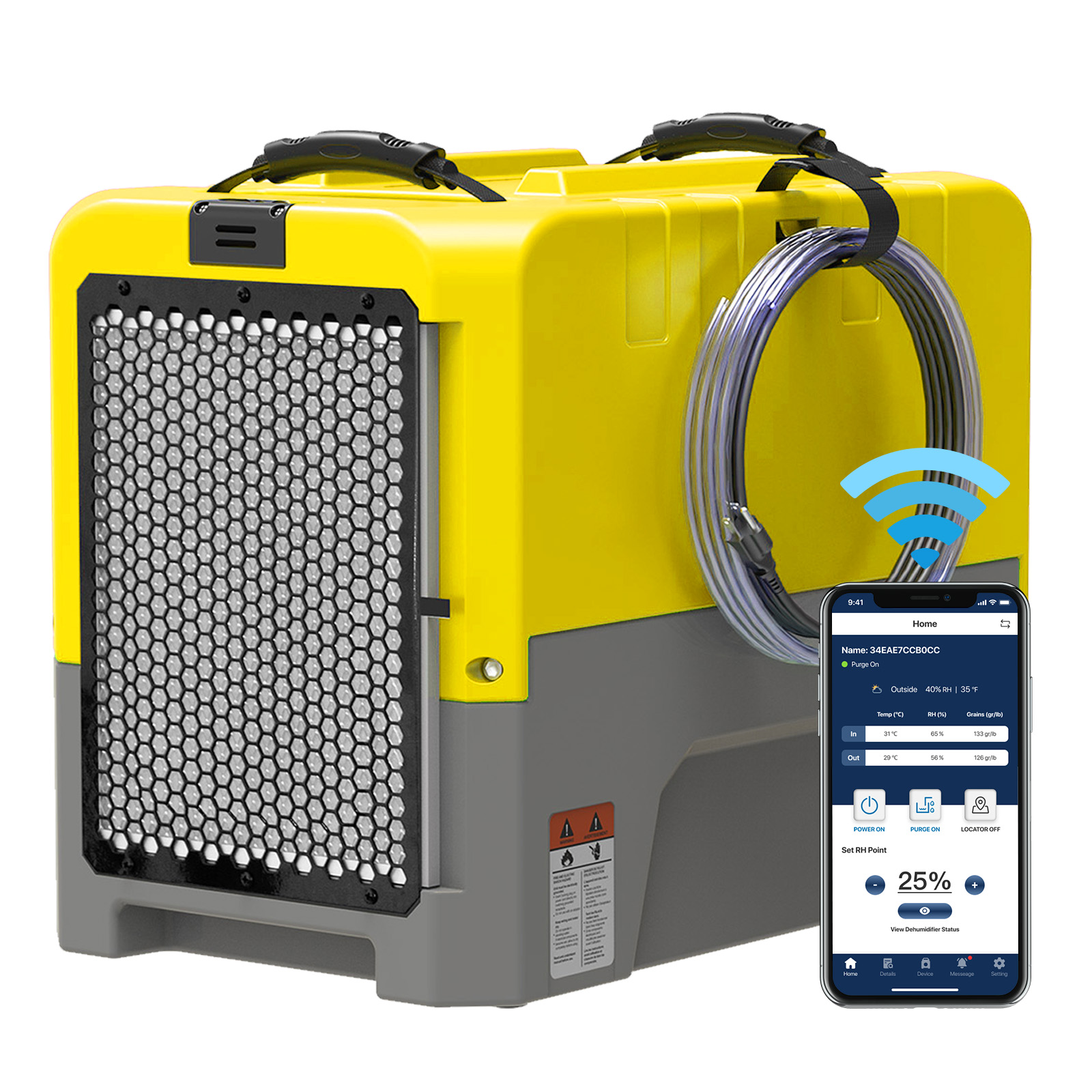
Dehumidifier With Pump
A dehumidifier with a pump is required where water has to be pumped in the upward direction or over long distances. With the wrong option for drainage, systems shut down frequently or overflow. Downtime, additional labor, and poor moisture control result from ignoring drainage planning.
Mistake 3 – Ignoring Built-In Pump Features
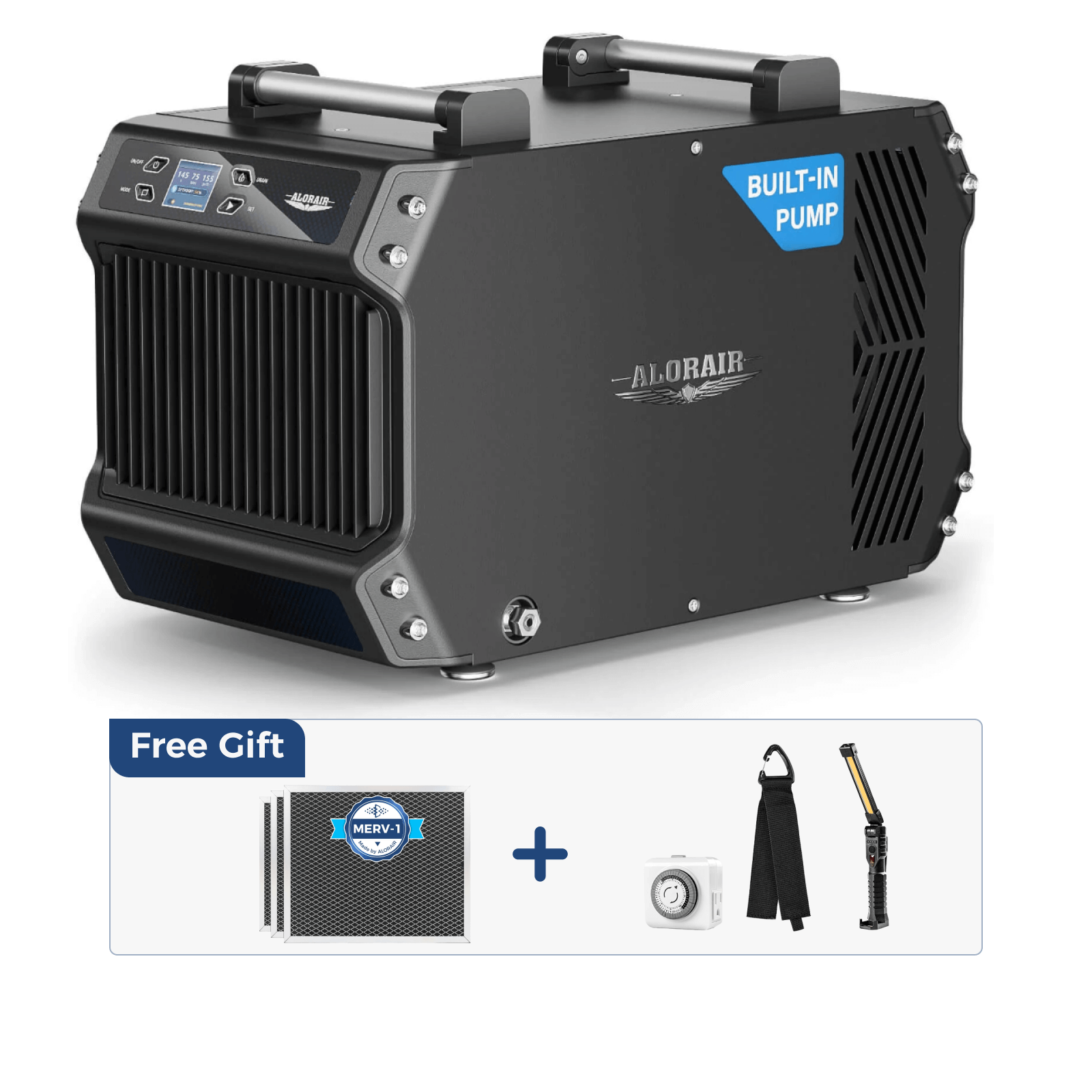
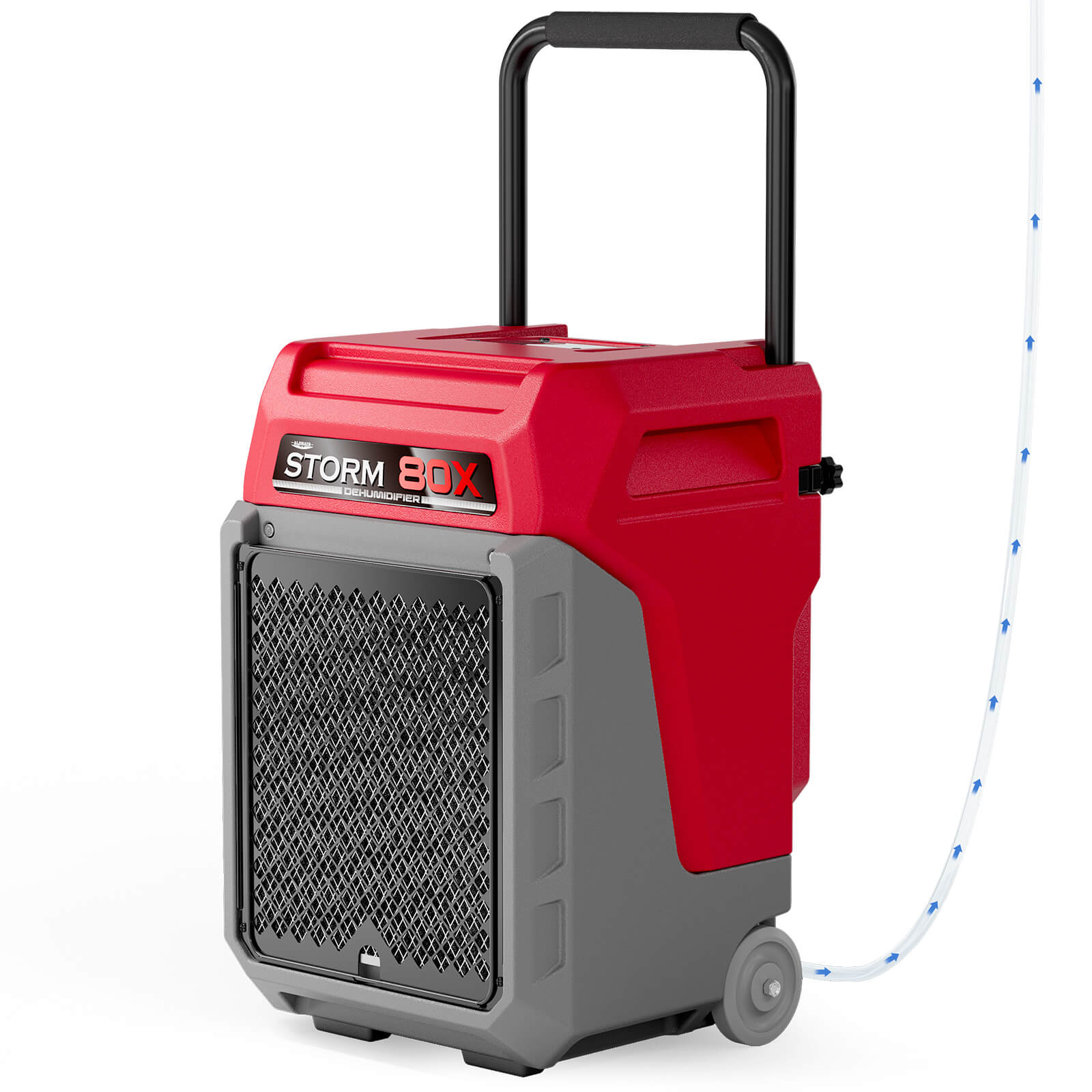
Pumps are an absolute necessity in large or complex spaces where it is not possible to use gravity drainage. A commercial dehumidifier with a pump will transfer collected water to upper drains and/or on long runs without interruption. When pump features are absent, buckets or temporary hoses may be used, raising the risk of increased maintenance and failure.
In most buildings with basements, multi-level buildings, or water becomes a problem with water backup and system shutdowns in basements due to a lack of a pump. Built-in pumps offer flexibility and ease of handling as well as continuous operation. For a lot of commercial environments, pump-equipped systems aren’t optional-they’re necessary for reliable moisture control.
Mistake 4 – Choosing a Residential Unit Instead of a Commercial One
Residential dehumidifiers are not designed for demanding environments. They often fail when run for extended periods of time or when subjected to excessive moisture loads. Commercial spaces require better airflow, heavy-duty, and consistency. A residential unit may seem cheap at first glance, but this usually results in breakdowns and replacements.
A true commercial dehumidifier is designed for uninterrupted operation, tougher use, and larger spaces. Industrial-grade components are beneficial when it comes to taking the dust, heat, and long run times. Choosing the right equipment in the first place prevents downtime and ensures the availability of the equipment, inventory, and building materials.
Mistake 5 – Not Considering Energy Efficiency and Controls
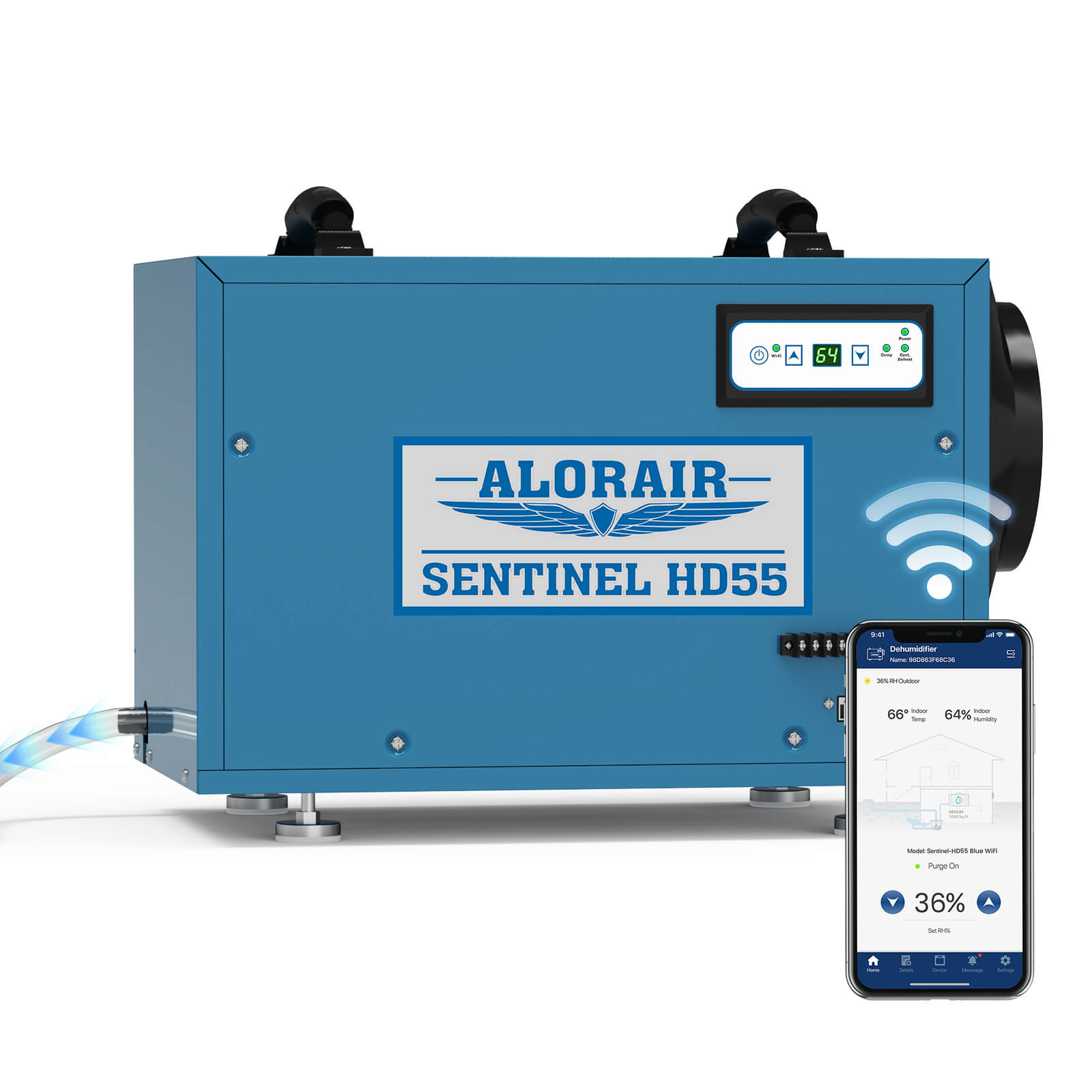
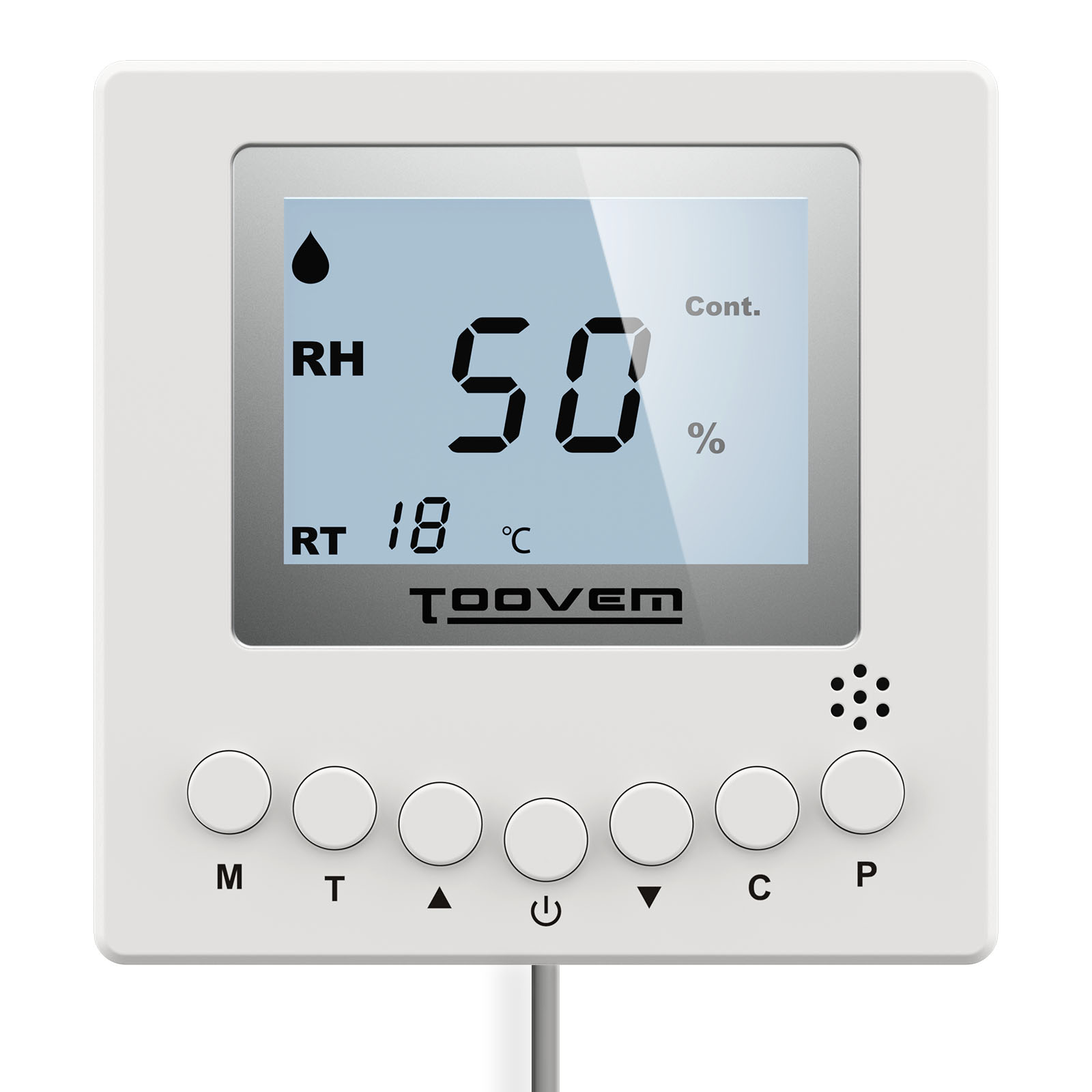
Commercial units are often in operation for many hours a day, so energy efficiency has a direct influence on operating costs. Systems without proper controls may overwork, wasting power and increasing wear. Automatic humidity controls help to maintain target levels without over-drying out the space.
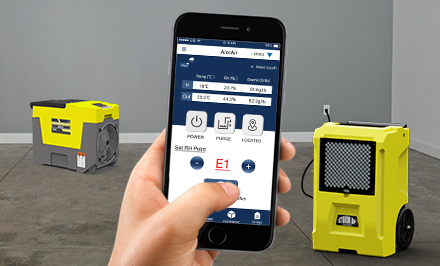
This lowers the consumption of energy and keeps things steady. Ignoring efficiency features can result in increased utility bills as well as unequal moisture control. Smart controls enable the system to only run when necessary, resulting in better performance while reducing long-term costs. Efficient functioning is the key to any commercial moisture control plan.
Mistake 6 – Neglecting Maintenance and Service Access
Maintenance can be easier if systems are designed with access to services in mind. Filters must be easily accessible and simple to clean or replace. Drain lines are something that you should inspect regularly to avoid clogs and leaks. Poor access results in missed maintenance, poor airflow, and premature system failure.
Planning for regular service helps maintain performance and reliability over time. Commercial environments rely on equipment that can be kept up and running consistently in a short amount of time. Choosing systems that allow for easy maintenance minimizes downtime and extends the unit’s lifespan.
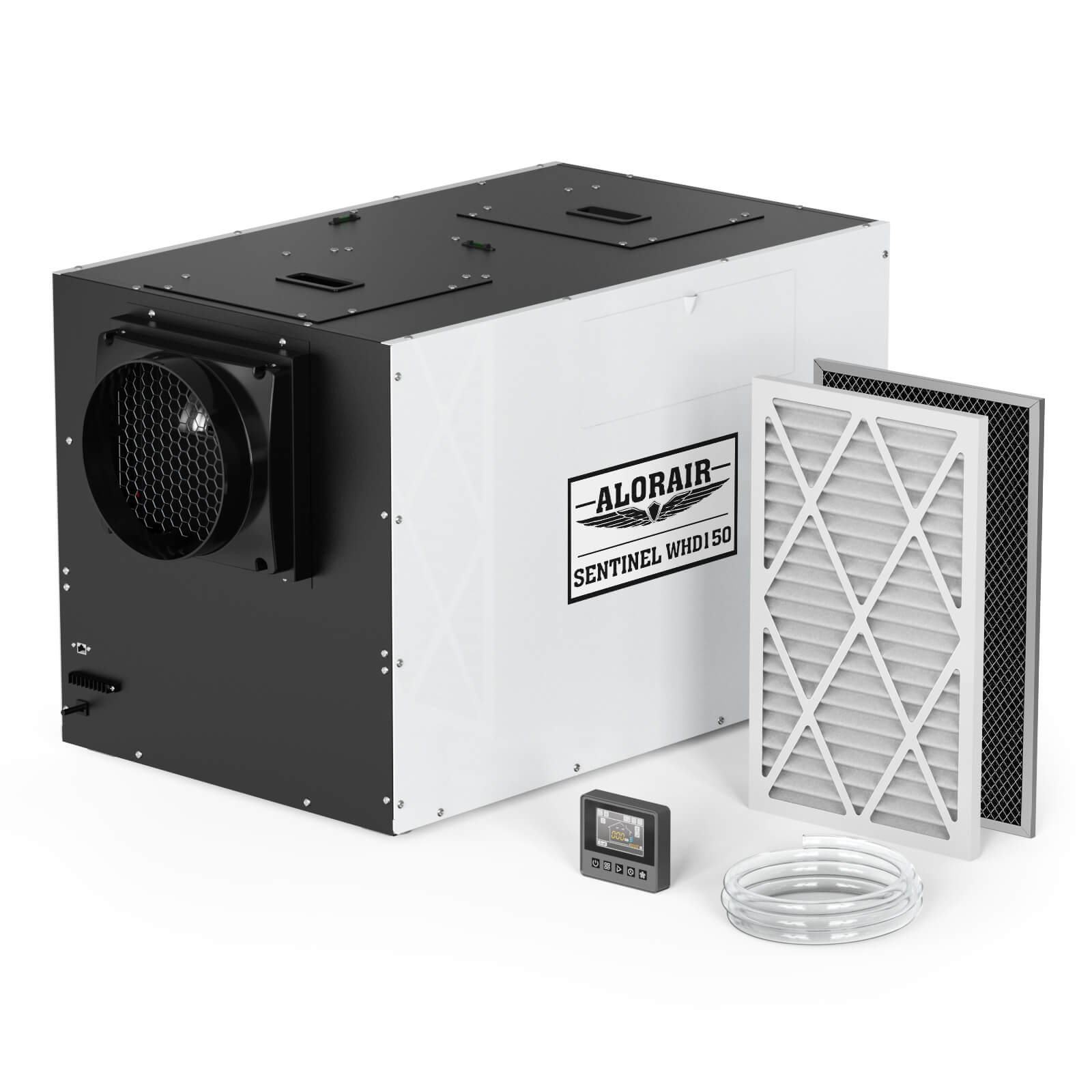
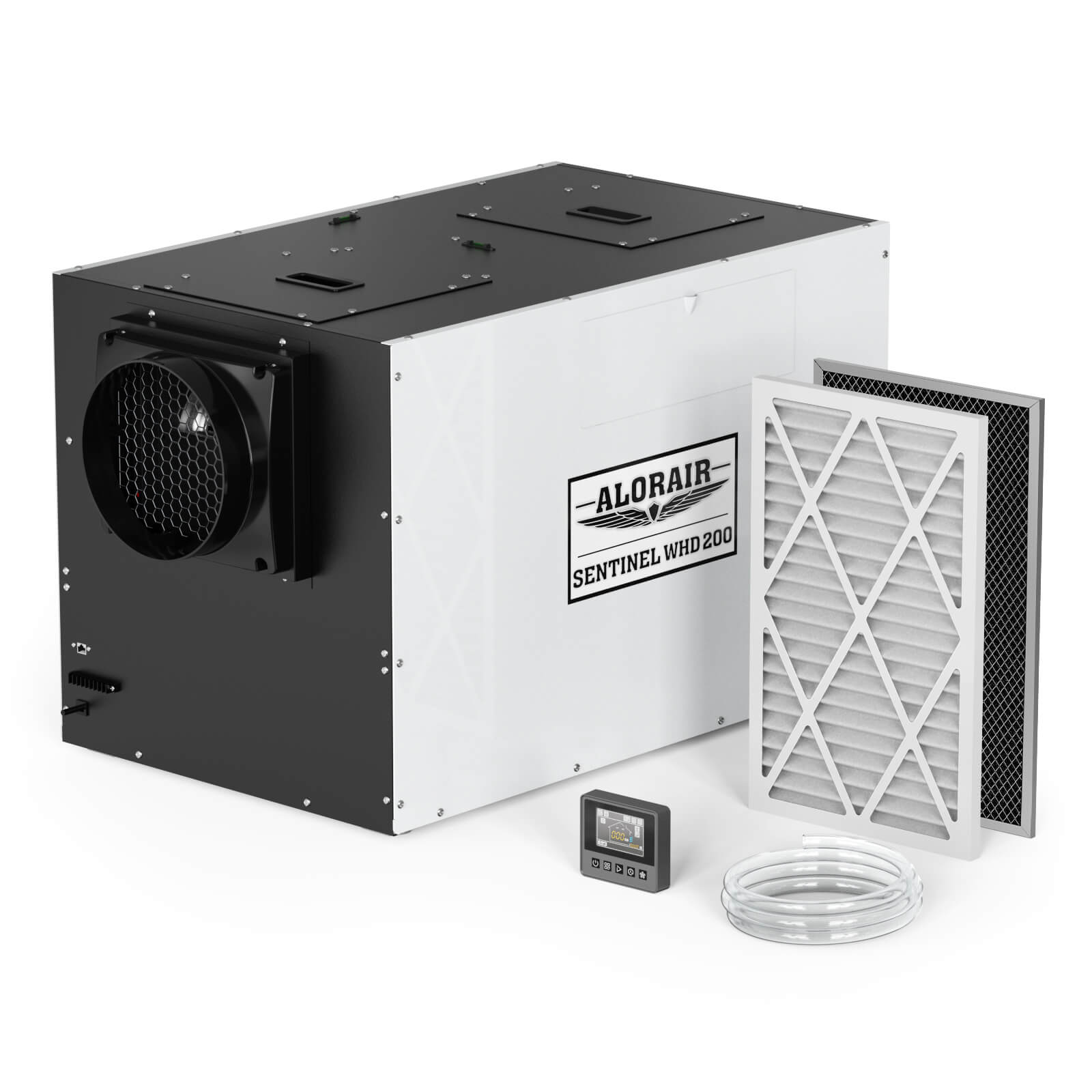
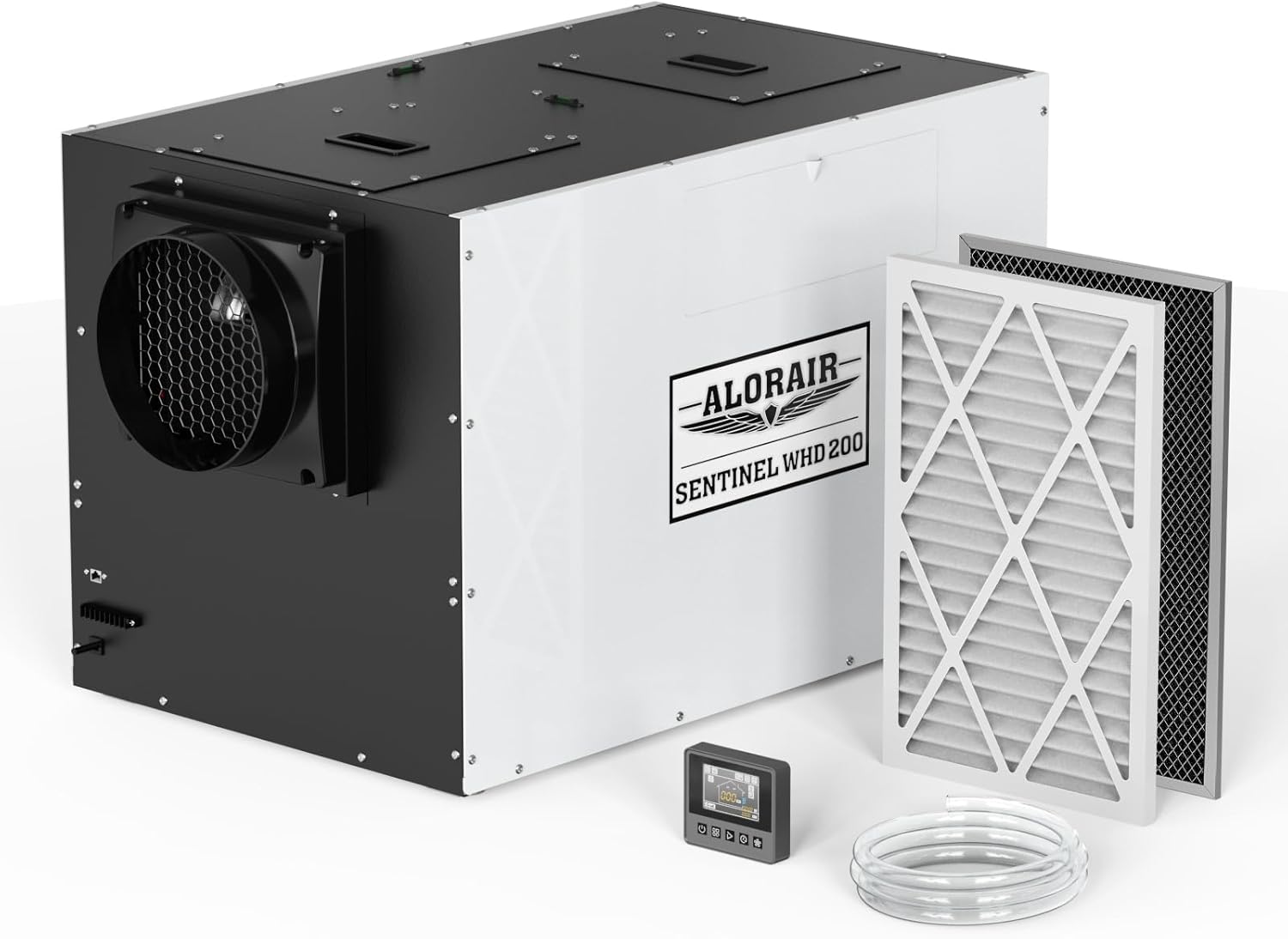
In multi-tiered commercial structures or facilities that lack easy floor drainage, a dehumidifier with an in-built pump is essential to be used so that it can operate throughout. Equipment such as the Sentinel WHD 120, WHD 150, and WHD 200 can be installed as pumped drainage to release moisture upwards or over long distances without human intervention.
How to Choose the Right Commercial Dehumidifier
Match the Unit to the Space
Different spaces have different humidity requirements. Warehouses need high-capacity systems to handle large amounts of air. Basements often have a need for consistent moisture control and reliable drainage. Offices benefit from quiet units that have automatic humidity controls.
When it Becomes a Good Idea to Get a Pump
A pump-equipped system is a good investment where the water has to drain upwards or across long distances. It permits uninterrupted operation without the need for manual emptying.
Think Long Term
While the upfront cost is an important consideration, the need for energy over time, durability, and maintenance can often have a larger impact on overall cost.
Common Buying Checklist of Commercial Dehumidifiers
Capacity and Drainage
Check that the moisture removal capacity of the unit matches the space. Select a method of drainage that will work for the layout of the building, and pump options if required.
Improve Quality and Efficiency
Look for long-run time and durable construction that is energy-efficient.
Maintenance Access
Easy access to filters and drain lines supports regular maintenance and reliable performance.
Make the Right Choice for Moisture Control in the Long Run
Choosing the right commercial dehumidifier is not only a matter of price – it’s a matter of performance, reliability, and long-term protection. It is important to avoid common mistakes to reduce expenses and damage caused by equipment and downtime due to too much moisture.
Taking time to think about such things as humidity level, layout, and the types of daily use will lead to better and fewer problems in the long run. Make the informed, careful decision to save your property, increase comfortable conditions, and invest in a commercial dehumidifier that will provide consistent and dependable moisture control for years to come.
